Progress Across the Clinical Cancer Care Continuum
In this section, you will learn:
- Researchers are leveraging insights into the cellular and molecular drivers of cancer development to design innovative, patient-centric clinical trials that lead to safer and more effective treatments.
- Advances in novel approaches to surgery, radiotherapy, chemotherapy, molecularly targeted therapy, and immunotherapy—the five pillars of cancer treatment—are saving and improving lives.
- From July 1, 2025, to June 30, 2026, the United States Food and Drug Administration (FDA) approved 11 new therapeutics for treating various cancer types, a new device for treating pancreatic cancer, and expanded the use of five previously approved anticancer therapeutics to treat additional cancer types.
- Among FDA approvals are the first molecularly targeted therapy for a rare, aggressive brain tumor with a specific genetic alteration, the first molecularly targeted therapeutic approved for patients with breast cancer that works by harnessing the cell’s protein disposal system, the first immune checkpoint inhibitor for ovarian cancer, and the first chimeric antigen receptor (CAR) T-cell therapy for patients with marginal zone lymphoma.
- While these exciting new advances have the potential to transform patient care, much work is needed to ensure all patient populations have access to these treatments.
In the United States (US), the overall cancer death rate is declining steadily, and more individuals are living longer and fuller lives after a cancer diagnosis (see Cancer in 2026 and Advancing Cancer Survivorship Care). This progress is attributable, in part, to the rapid advances in cancer treatment propelled by breakthroughs across the continuum of medical research. Advances in cancer treatment and improved access to care are estimated to have prevented nearly 174,000 cancer deaths in the United States between 2010 and 2019 (3)Shiels MS, et al. (2025) J Natl Cancer Inst, 117: 2089..
Medical Research
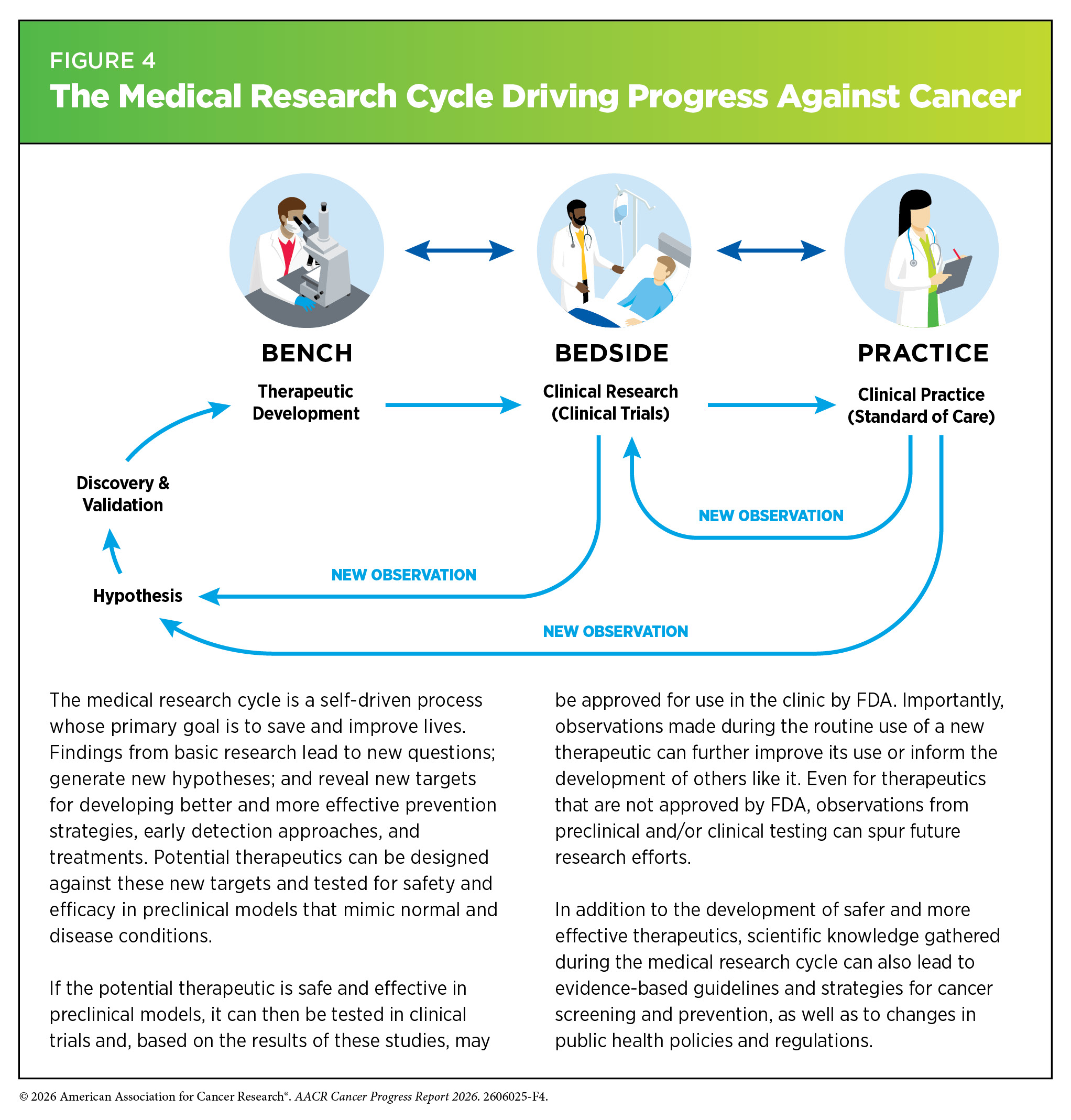
Medical research is an iterative process that is set in motion when a discovery with the potential to affect the practice of medicine or public health is made in any area of research or clinical practice (see Figure 4). One way that researchers build on a discovery is by asking questions that can be tested through experiments in a wide range of models that mimic healthy and diseased conditions. Results from these experiments can lead to the identification of a potential preventive intervention or therapeutic target, or to the identification of a potential biomarker that can predict how a cancer might behave or how well a treatment might work. They also can feed back into the medical research cycle by providing new discoveries that lead to more questions or hypotheses.
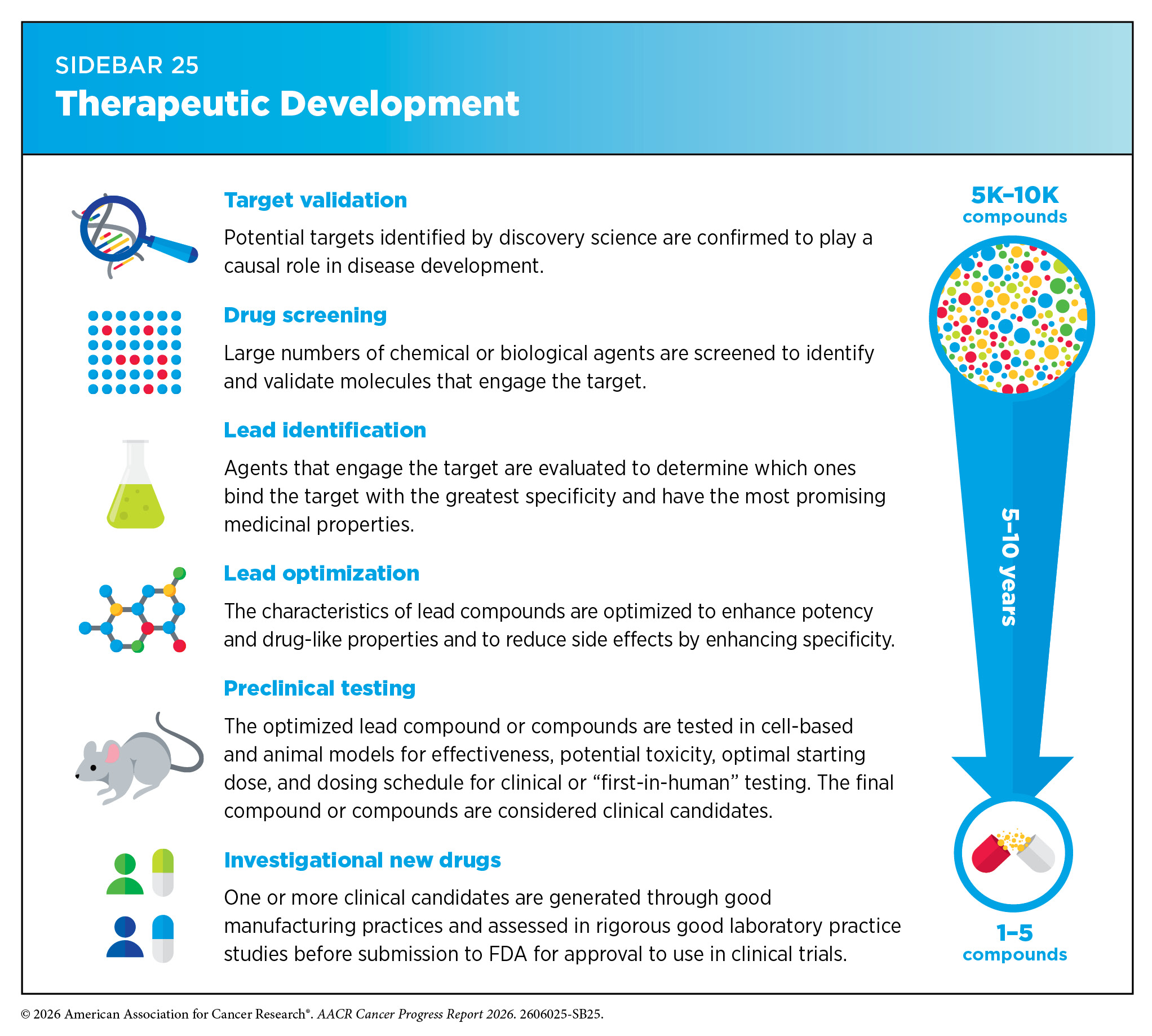
If a potential therapeutic target is identified, it takes many more years of preclinical research before the most promising candidate therapeutic is ready for testing in clinical trials (see Sidebar 25). During this time, several candidates are rigorously tested to identify any potential toxicity and to determine the appropriate doses and dosing schedules for testing in the first clinical trial.
Clinical Research
Clinical research, also known as clinical studies or clinical trials, evaluates the safety and efficacy of candidate agents before they can be approved by the US Food and Drug Administration (FDA) and used as part of routine patient care. There are several types of cancer clinical trials, including prevention trials, screening trials, treatment trials, and supportive or palliative care trials, each designed to answer different research questions. Clinical studies in which participants are randomly assigned to receive an investigational agent or the standard care are called randomized clinical trials and are considered the most rigorous.
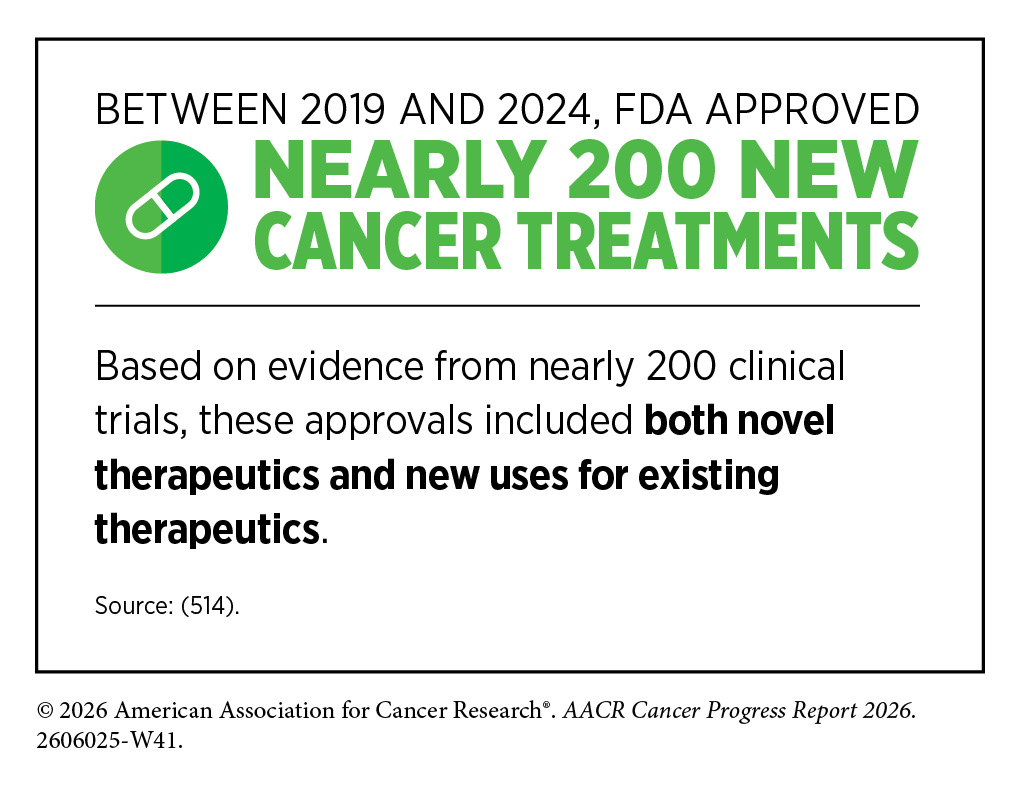
Clinical trials are vital for progress against cancer because they translate medical discoveries into meaningful advances in patient outcomes. Therapeutics that constitute today’s standard of care are the direct result of discoveries and evidence generated through past clinical trials. Cancer treatment trials conducted by the Children’s Oncology Group, along with high engagement of pediatric patients in those trials, drove dramatic improvements in outcomes, increasing 5-year survival rates for children with cancer from less than 60 percent in the mid-1970s to greater than 80 percent in the 2000s (512)American Association for Cancer Research. AACR Pediatric Cancer Progress Report 2025. Accessed: June 30, 2026.. Similarly, clinical trials conducted over the past decade for previously intractable cancers in adults, including advanced non–small cell lung cancer (NSCLC) and melanoma, have led to transformative improvements in clinical practice and patient outcomes (513)American Association for Cancer Research. AACR Cancer Progress Report 2025. Accessed: June 30, 2026..
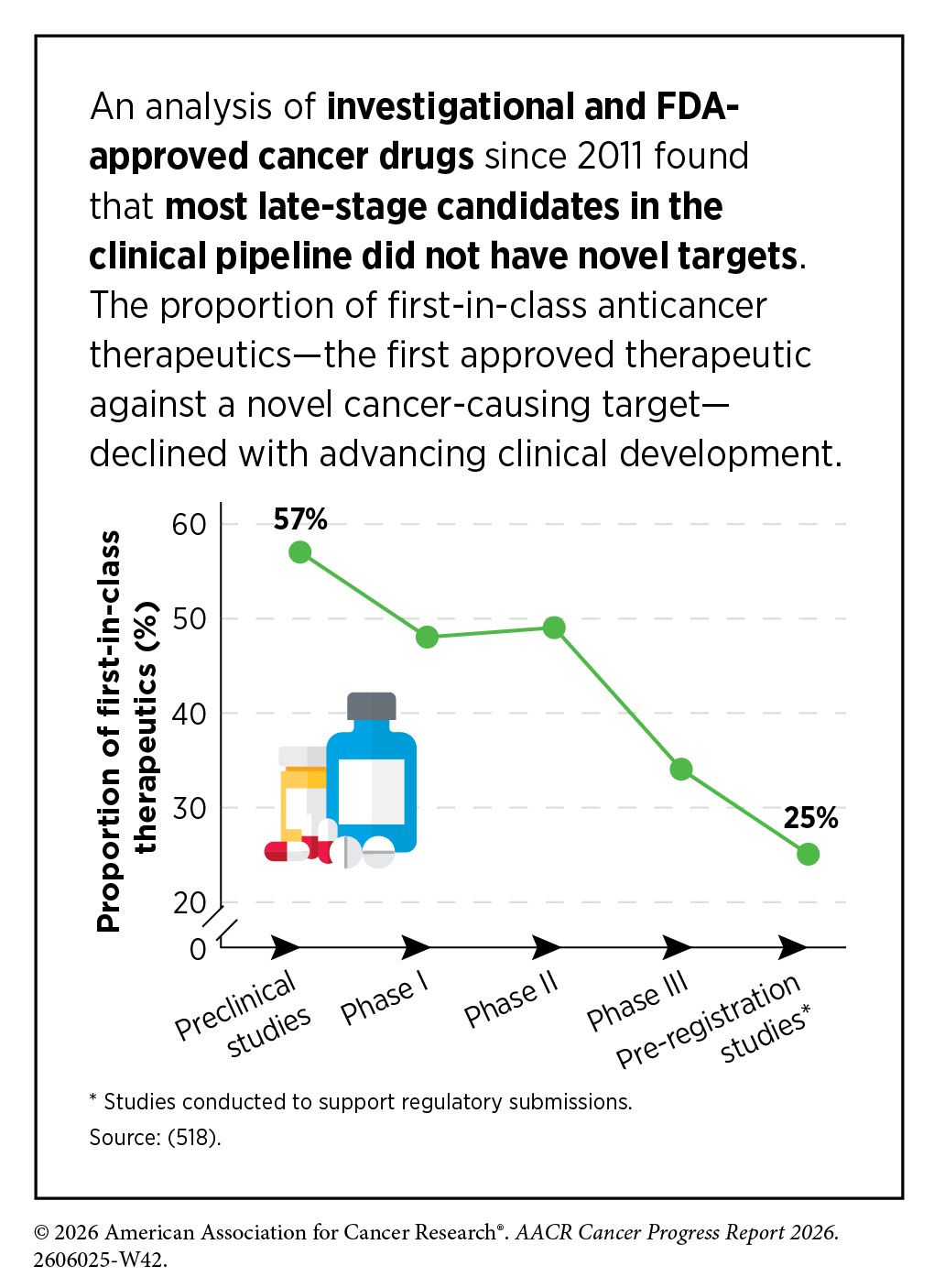
Participating in a clinical trial has many benefits. These include access to the latest and potentially more effective treatments before they are widely available, active involvement in making health care decisions, and a direct contribution to lifesaving cancer research for future patients (515)Abu Rous F, et al. (2024) JAMA Oncol, 10: 416.. Institutional review boards critically evaluate and approve the design of all clinical studies before they can begin, and trials are carefully monitored throughout their duration. Patient safety and understanding of the clinical trial are prioritized through the informed consent process, which involves a discussion between the clinical research team and the patient about the trial’s purpose and what is expected of the patient, potential benefits and risks, alternative treatments, and the patient’s right to withdraw at any time.
Clinical trials evaluating potential new cancer treatments have traditionally been conducted in successive phases, each involving more patients and typically focusing on a specific cancer type (e.g., breast cancer or prostate cancer). Phase I studies are designed to determine the optimal dose of an investigational anticancer therapeutic, how patients process it, and potential toxicities. Historically, phase I trials were not designed to evaluate the anticancer efficacy of a therapeutic. However, because of rapid progress in medical research, including clinical trial design and conduct, researchers are increasingly able to incorporate a preliminary evaluation of efficacy from phase I trials (516)Adashek JJ, et al. (2019) Nat Rev Clin Oncol, 16: 773.. Thanks to extraordinary advances in our understanding of cancer biology, patient responses to investigational therapies in phase I studies have also nearly doubled over the past two decades (517)Kingwell K (2022) Nat Rev Drug Discov, 21: 702..
Phase II trials are designed to determine the initial efficacy of investigational therapy, in addition to continually monitoring for potential toxicities. Phase III studies are large trials designed to determine therapeutic efficacy as compared low doses of potential therapeutics are administered to a small number of patients to determine whether such treatments may have the desired effect.
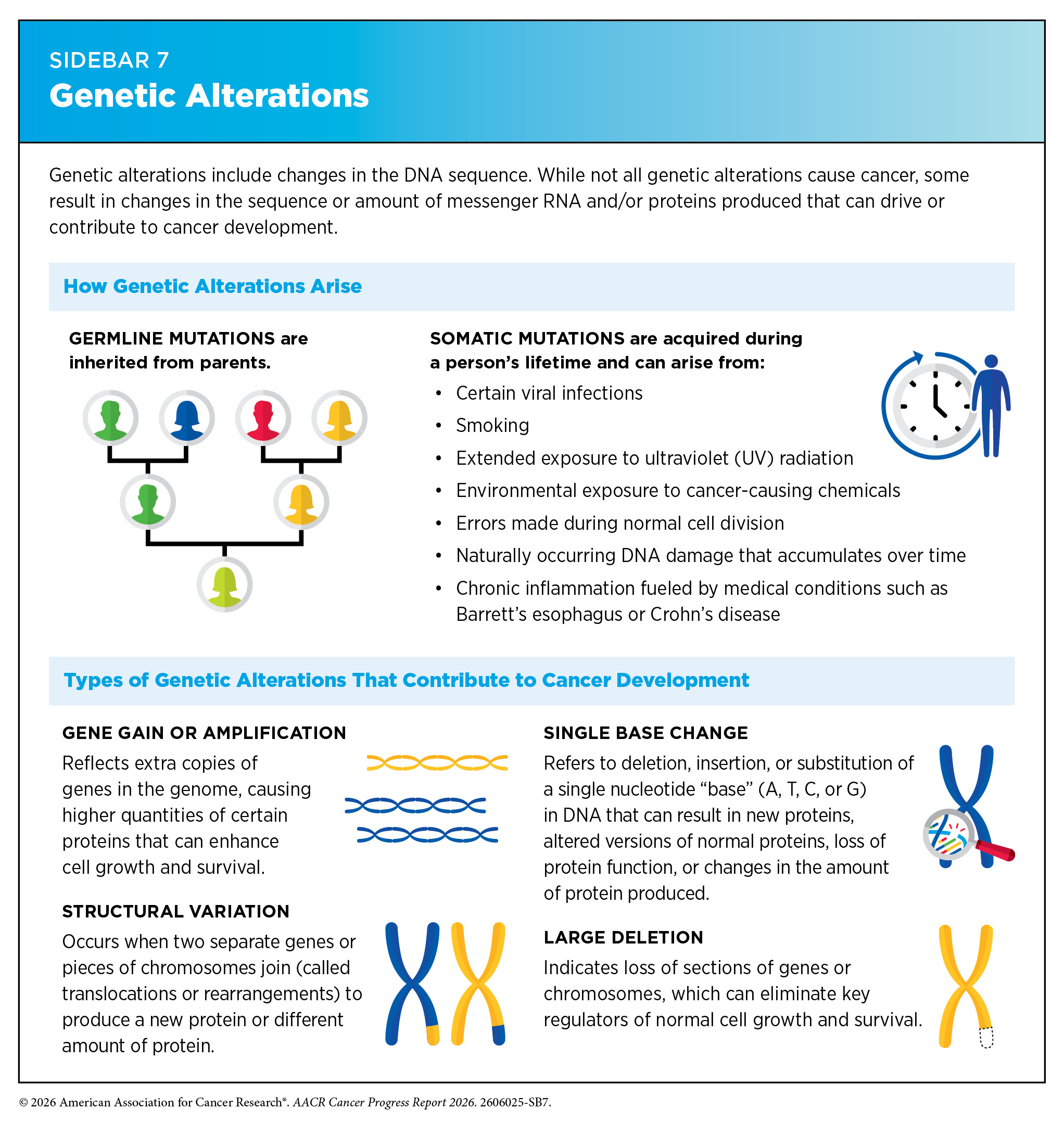
The traditional, cancer-specific, multiphase clinical trial process requires large numbers of patients and takes many years to complete. However, this approach is not well suited to the current molecular era—in which the genetic alterations that drive cancer are being identified with greater precision and frequency (see Sidebar 7), and therapies designed to target those alterations are being actively evaluated in clinical trials. Identifying and implementing more efficient clinical development strategies are areas of extensive investigation.
Innovations in Cancer Clinical Trials
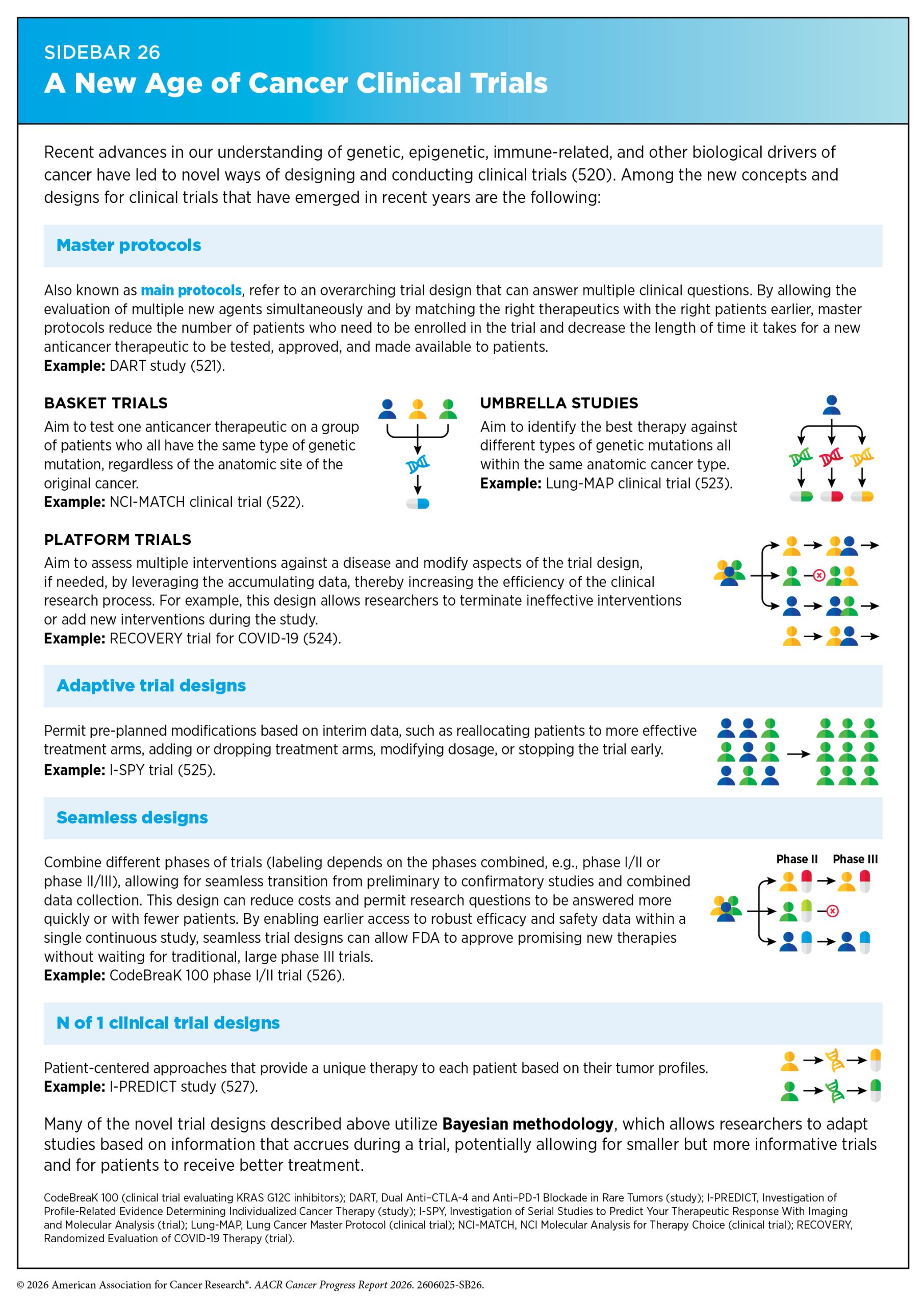
Advances in cancer genomics and related technologies are transforming clinical trials by providing deeper insight into the molecular drivers of cancer and enabling researchers to identify patients most likely to benefit from specific therapies. As a result, clinical research is also evolving from the traditional tissue-based trials to a biomarker-driven and tissue-agnostic approach that involves treating cancers based on shared molecular targets rather than their site of origin in the body. Research shows that innovative designs, such as adaptive trial design (see Sidebar 26), can increase efficiency and the likelihood of success of clinical trials (519)Purja S, et al. (2026) J Natl Cancer Inst..
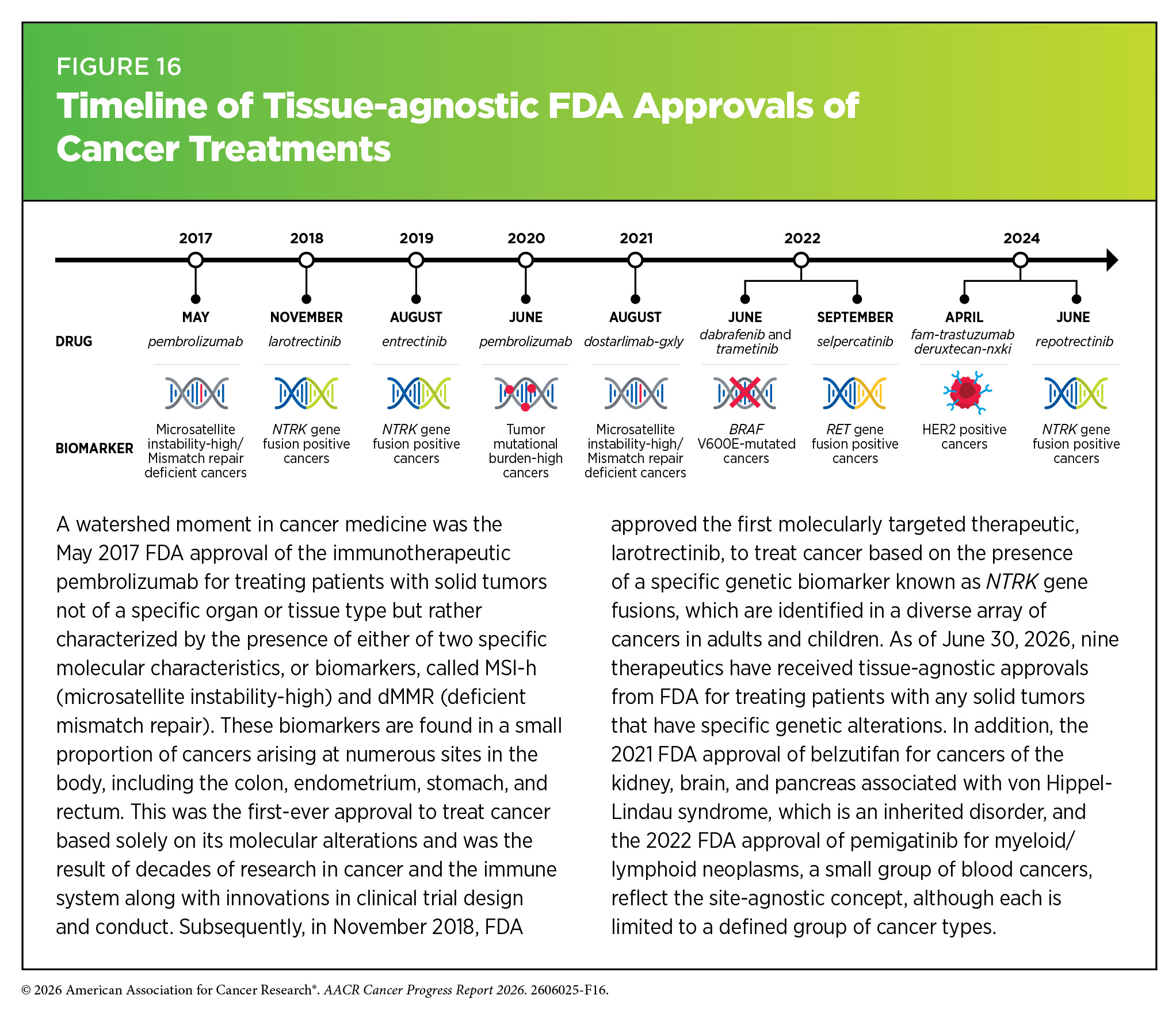
Biomarker-driven clinical studies, which evaluate therapies in patients regardless of the site of their cancer’s origin, are more often being used to support tissue-agnostic regulatory approvals for all tumors that have the targeted biomarker. As of June 30, 2026, nine therapeutics have received tissue-agnostic approvals from FDA for treating patients with solid tumors that have specific genetic alterations (see Figure 16). However, emerging evidence suggests that successfully matching patients to biomarker-directed therapies is more complex than simply identifying a targetable alteration, with factors such as prior treatments, co-occurring molecular alterations, and tumor site of origin also influencing treatment response (528)Verkerk K, et al. (2026) Nature, 653: 558.(529)Marchetti P, et al. (2025) Nature Medicine, 31: 3514.(530)Lin FP, et al. (2026) JAMA Oncol, 12: 458..
Clinical researchers are increasingly adopting more patient-centric trial designs in which the appropriate investigational agents are identified for each patient based on the unique features of their cancers. This is a shift from the traditional approach, in which patients were identified to fit in with an investigational therapy. Other key strategic changes being deployed include ongoing monitoring of tumor characteristics, including dynamic changes in the cancer cells, the tumor microenvironment, and the patient’s immune system throughout clinical care, rather than a single assessment at the start of the study as was done traditionally. Researchers are leveraging tools such as advanced gene sequencing, liquid biopsies, and digital health technologies to monitor treatment efficacy and emerging resistance, guide treatment adaptation over time, and evaluate clinical outcomes.
Collecting multidimensional data over time enables researchers to adapt treatment regimen, dosage, or other aspects of the clinical trial protocol to more effectively manage treatment resistance. For example, researchers may decide, based on emerging molecular alterations, that combination therapy targeting multiple cancer drivers may be more effective. Supporting this approach, data from a recent precision oncology clinical trial in metastatic cancers demonstrated that a typical tumor harbored five pathogenic alterations and that patient outcomes improved when a greater number of these alterations were targeted with combinations of molecularly targeted therapeutics (527)Sicklick JK, et al. (2026) J Clin Oncol, 44: 540.. The study also represents a blueprint for an innovative personalized N of 1 clinical trial design for evaluating previously unexplored therapeutic combinations.
In looking to the future, the design and conduct of clinical cancer research need to keep pace with the new wave of scientific and technological advances. For example, precision medicine clinical trials must consider novel dosing strategies, optimal timing of therapeutic applications, and novel data collection methods. Traditionally, clinical trials have focused on identifying the maximum tolerated dose of a treatment. This strategy was suited for older cytotoxic chemotherapeutics but is potentially harmful when applied to molecularly targeted therapeutics and immunotherapeutics, since higher doses may increase toxicity without improving efficacy and can negatively affect patients’ quality of life. In response, FDA has launched an evidenced-based initiative, Project Optimus, to reform dose optimization (see Applying Regulatory Science to Ensure Safe and Effective Cancer Therapies) (532)US Food and Drug Administration. Project Optimus. Accessed: June 30, 2026..
Currently, many precision medicine options are evaluated in late-stage cancer, once standard treatments have failed. However, there is increasing evidence that supports applying these therapies earlier, even as the first line of treatment after diagnosis to achieve maximal benefit for patients. Identifying the optimal timing in the course of cancer treatment when precision medicine is most effective and determining the optimal sequence of treatments—for example, whether delivering molecularly targeted therapeutics or immunotherapeutics prior to surgery can improve surgical outcomes and survival—are key areas of ongoing clinical research.
Another shortcoming that has restricted the scope of current clinical research is the underutilization of rapidly accumulating vast amounts of nonclinical and clinical data generated through research and clinical practice. Leveraging existing knowledge from publicly available, open-access repositories such as chemical and drug databases, published literature, patient registries with clinical or genomic data, real-world data, electronic health records, past clinical trial data, and patient reported outcomes is pivotal to driving meaningful progress and transforming the future of cancer clinical trials (533)Marret G, et al. (2025) Cancer Cell, 43: 597.. It is also important that researchers identify effective and ethical ways to share clinical data, biospecimens, and biospecimens-related data to accelerate clinical cancer research and maximize their impact on patient outcomes (534)Wildiers H, et al. (2026) JAMA Oncol, 12: 200..
Artificial intelligence (AI), including machine learning tools, is beginning to help researchers harness diverse datasets to further improve clinical trials. AI tools are increasingly being used in clinical research to identify patients eligible for trials; predict which patients are most likely to benefit from experimental treatments; simulate how new therapeutics may work in a patient using digital twins; create synthetic control groups by leveraging past patient data and thereby allowing more trial participants to receive the new investigational therapy; and assess how well trial results apply to real-world patient populations (see Envisioning the Future of Cancer Research) (535)Orcutt X, et al. (2025) Nat Med, 31: 457.(536)Gueguen L, et al. (2025) NPJ Precis Oncol, 9: 28.(537)Bickell NA, et al. (2024) JAMIA Open, 7: ooae131.(538)Katsoulakis E, et al. (2024) NPJ Digit Med, 7: 77.(539)Eckardt J-N, et al. (2026) Nature Reviews Cancer, 26: 351.. However, there are limitations to the current use of AI, including lack of diversity in training data and proper regulatory oversight, that must be overcome before these tools can become a part of regular clinical practice.
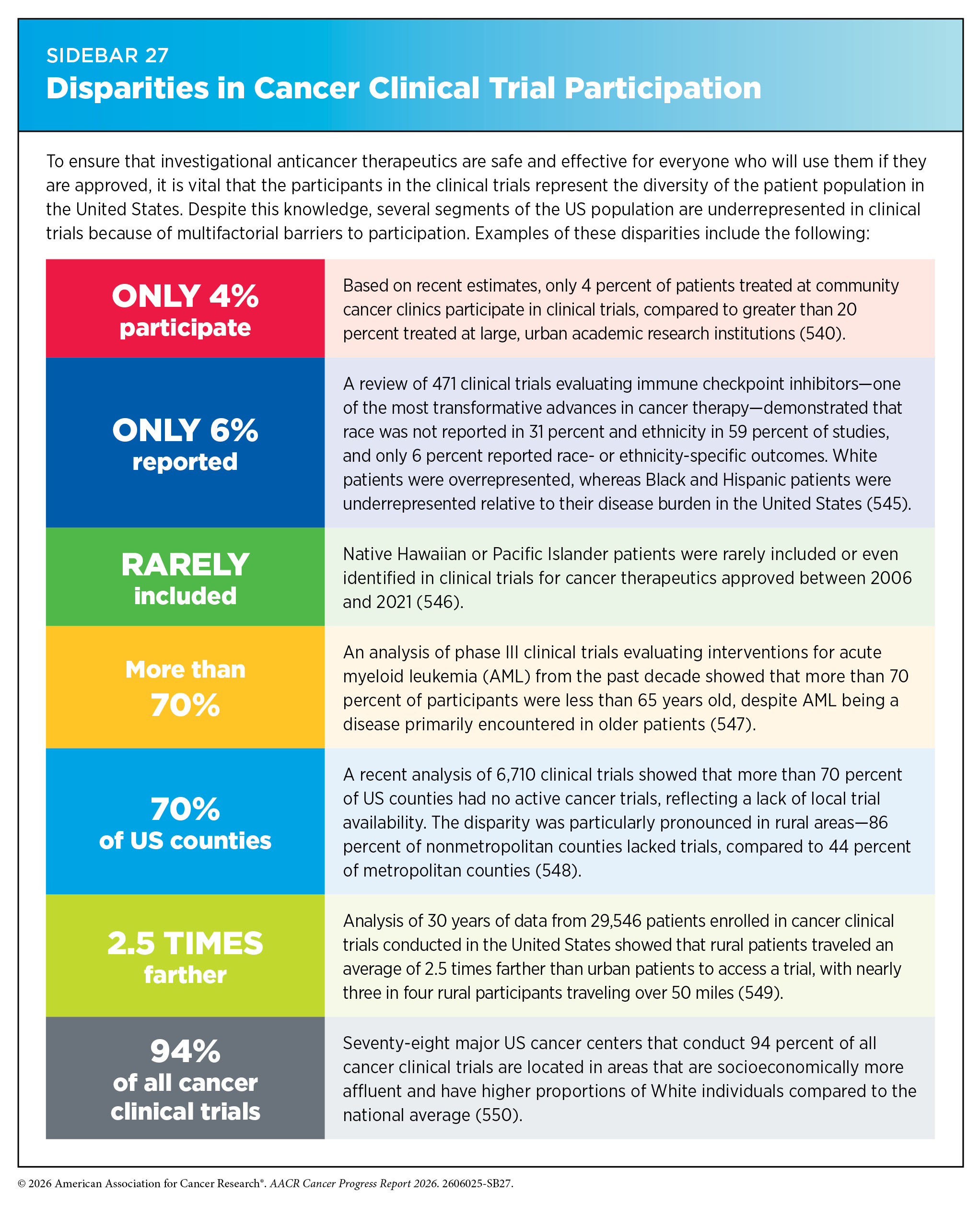
Low participation rate and a lack of sociodemographic diversity among those who do participate are two of the most pressing challenges in cancer clinical trials (see Sidebar 27). Based on recent estimates, only 7 percent of adult cancer patients in the United States participate in clinical trials (540)Unger JM, et al. (2024) J Clin Oncol, 42: 2139.. As a result, many studies fail to enroll enough patients to draw meaningful conclusions about the effectiveness of the investigational therapeutic. In this regard, a recent study reported an increase from 2013 to 2023 in the percentage of phase II clinical trials for which enrollment issues were cited as a reason for study termination (541)Bowling H, et al. (2026) Nat Rev Drug Discov, 25: 345..
Clinical trial participants often do not reflect the broader population of patients receiving cancer care in the United States (542)Balogh EP, et al. (2025) JCO Oncol Pract, 21: 1746.. Individuals who participate in clinical trials tend to be younger, healthier, and less racially, ethnically, and geographically diverse than the broader population of patients receiving cancer care in the United States. Diversity among clinical trial participants is critical because the efficacy and safety of an intervention may differ across populations—for example, among individuals from different ancestral backgrounds, age groups, or biological sexes.
Underrepresentation in clinical trials compromises the generalizability of trial findings to the real-world patient population. In recent years, FDA has decided not to approve cancer therapies if clinical trial participants were not representative of the US patient population, due to concerns regarding generalizability of findings (543)US Food and Drug Administration. Drug Trials Snapshots: VYLOY. Accessed: June 30, 2026.(544)US Food and Drug Administration. Diversity Action Plans to Improve Enrollment of Participants from Underrepresented Populations in Clinical Studies. Accessed: June 30, 2026..
Numerous challenges limit patient participation in cancer clinical trials. While some barriers operate at the individual level for patients and health care providers, most arise from suboptimal clinical trial design and the ways in which trials are implemented within the broader health care system. Investigation of the existing barriers that limit participation of racial and ethnic minority groups and other medically underserved populations in cancer clinical trials has identified financial challenges, inadequate or complete lack of insurance, medical distrust, implicit biases among health care providers, lack of clinical trial availability, overly restrictive eligibility criteria, and lack of community outreach and education efforts as major factors driving disparities in clinical trial participation (16)American Association for Cancer Research. AACR Cancer Disparities Progress Report 2026. Accessed: June 30, 2026..
As discussed in detail in the AACR Cancer Disparities Progress Report 2026, increased knowledge of the barriers is helping researchers, regulators, and policymakers design and implement evidence-based adaptations that can improve access to clinical research. For instance, financial resources, particularly income and property ownership, have been shown to be among the strongest predictors of clinical trial participation (38)Dong W, et al. (2025) J Natl Compr Canc Netw, 24.. Although the cost of study drugs and research-related expenses are usually covered by clinical trial sponsors, routine care costs must be covered by the patient’s health insurance, and participants may still face out-of-pocket expenses for additional trial-specific activities. These findings have led researchers to evaluate the impact of financial navigation to improve participation in clinical trials. A recent study showed that monetary reimbursement for trial-related costs reduced financial strain among women with breast cancer, suggesting that this approach may improve patient retention in clinical trials (551)Williams CP, et al. (2026) JNCI Cancer Spectr, 10..
Interventions aimed at addressing other structural and social drivers of health, such as modifying trial design to ease patient participation, expanding eligibility criteria, improving the efficiency of data collection, including patient reported outcomes, and engaging in community outreach and patient navigation, are also being evaluated. Additionally, researchers are leveraging AI and real-world data to increase clinical trial representation and diversity by improving patient matching, providing supplemental information on underserved populations, and increasing the generalizability of trial findings (552)Abbidi SR, et al. (2026) Trials, 27: 217.(553)Chow EJ, et al. (2023) J Clin Oncol, 41: 2248.(554)Gong G, et al. (2026) JCO Clinical Cancer Informatics, 10: e2500262.. Another critical area of focus for all stakeholders in medical research is to ensure that the clinical research workforce is representative of the patient population it serves.
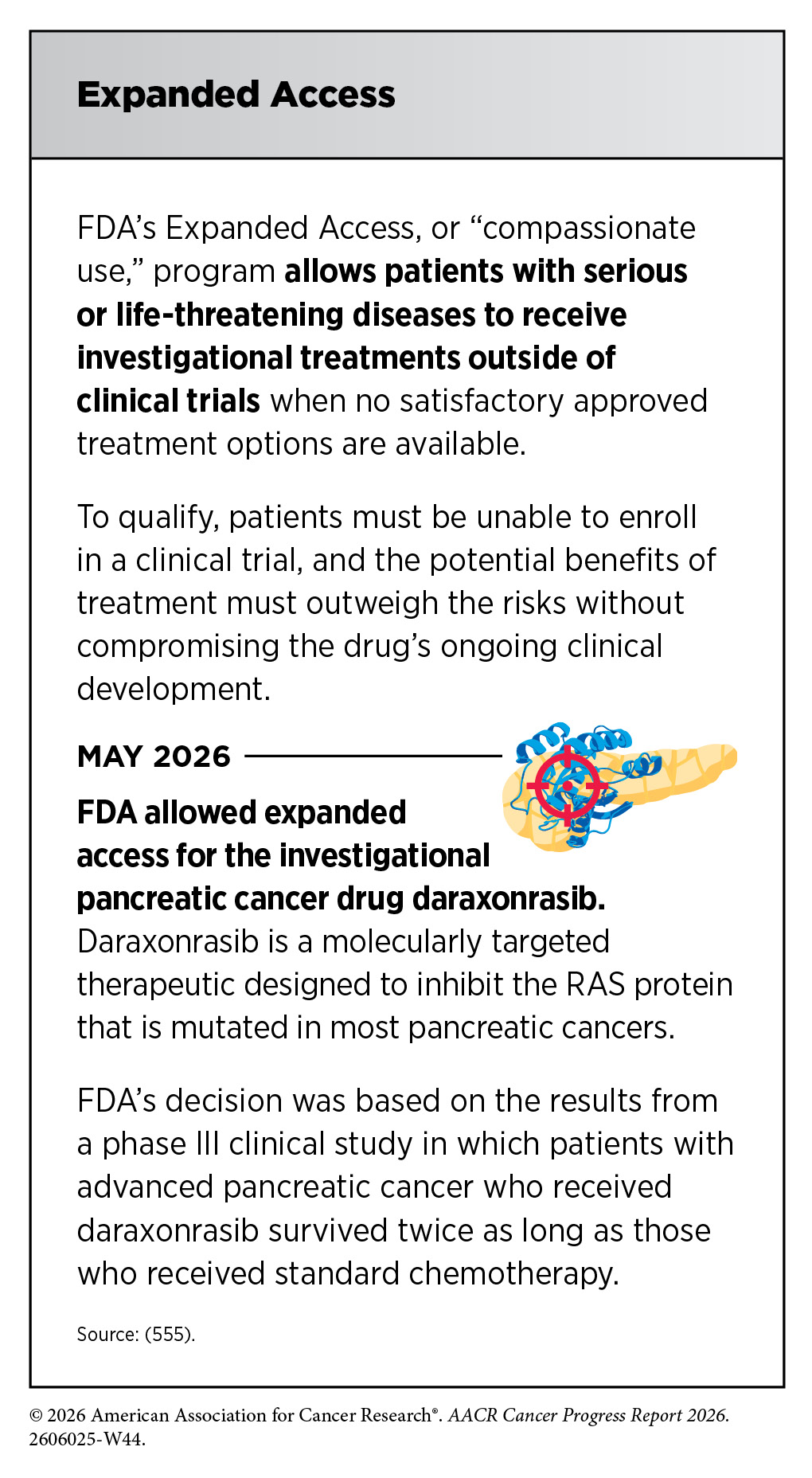
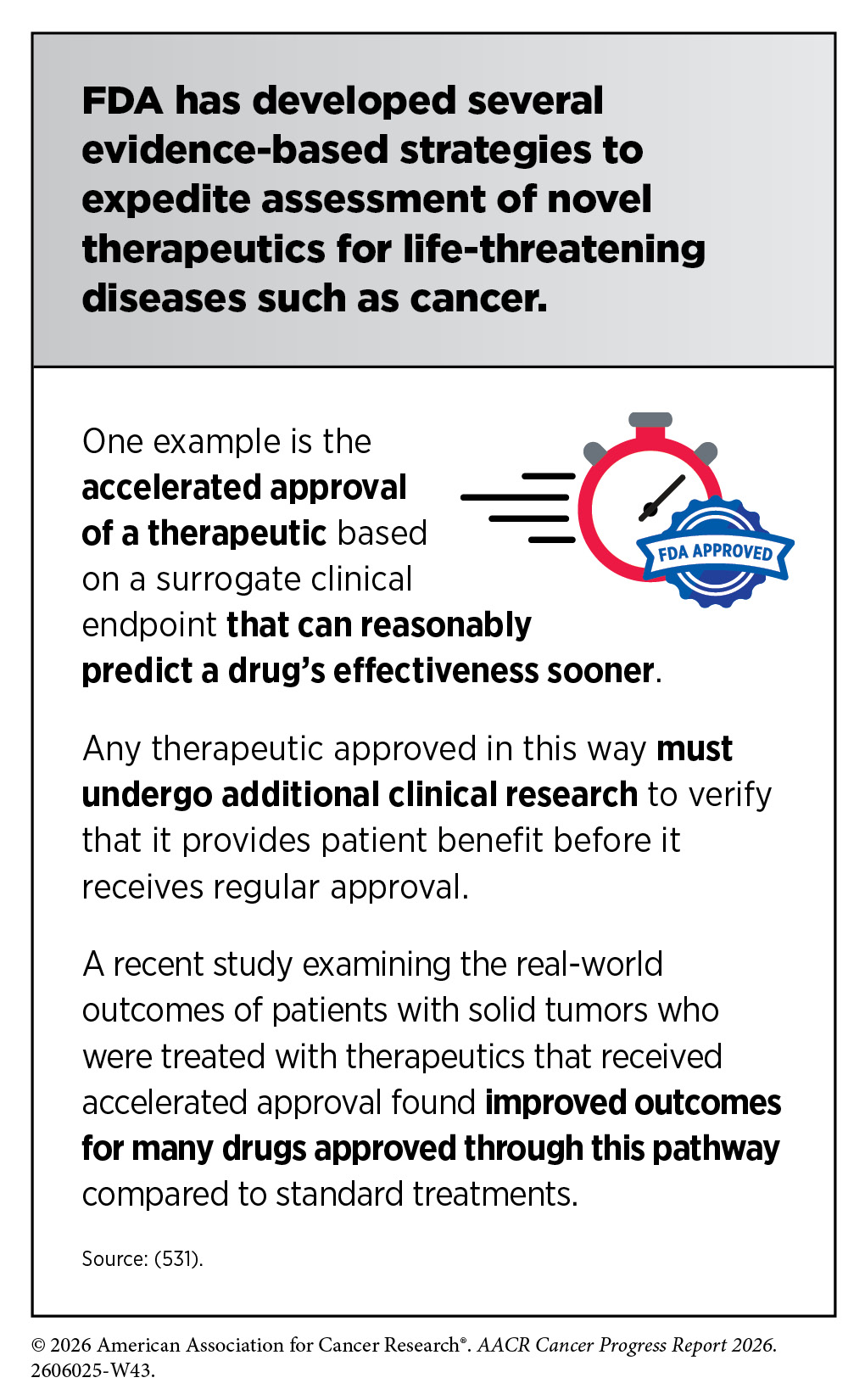
FDA has been developing programs to modernize clinical trials and streamline the regulatory pathway, with the goal of accelerating drug development (see Advances in Rigorous Clinical Trial Design). These include efforts to monitor safety signals and trial endpoints in real time to accelerate approval of promising therapies, leverage AI and data science, facilitate the use of Bayesian methodologies (see Sidebar 26), eliminate regulatory burden, clarify phase-appropriate requirements, and build multisector partnerships to facilitate greater efficiency across the drug development continuum.
In addition, FDA is reinforcing requirements for clinical researchers to submit clinical trial results in a timely manner to help reduce publication bias, improve transparency, and ensure a more complete and accurate understanding of the safety and efficacy of medical products. Efforts were also underway to implement diversity action plans that would have required researchers and funders of clinical trials to submit concrete goals and needed steps for enrolling specific demographic groups in pivotal studies used by FDA to make regulatory decisions on new drugs. However, policy changes from the current Administration have jeopardized progress in this critical area.
The COVID-19 pandemic, despite its adverse effects on many aspects of cancer research and patient care, enabled researchers to decentralize certain aspects of clinical trials so that lifesaving therapeutics could be brought quickly to as many patients as possible (556)American Association for Cancer Research. AACR Report on the Impact of COVID-19 on Cancer Research and Patient Care. Accessed: June 30, 2026.. Adaptations implemented during the pandemic, including consenting patients remotely, permitting telehealth for routine clinical assessments, delivering experimental drugs to patients, and allowing the use of local laboratory, imaging facilities, or community health centers accessible to patients, offered a blueprint to further reform clinical trials for the benefit of patients. It is, therefore, not surprising that the number of decentralized trials rose sharply beginning in 2020, following only modest growth from 1998 to 2019 (557)Aiyegbusi OL, et al. (2024) Nat Med, 30: 3075..
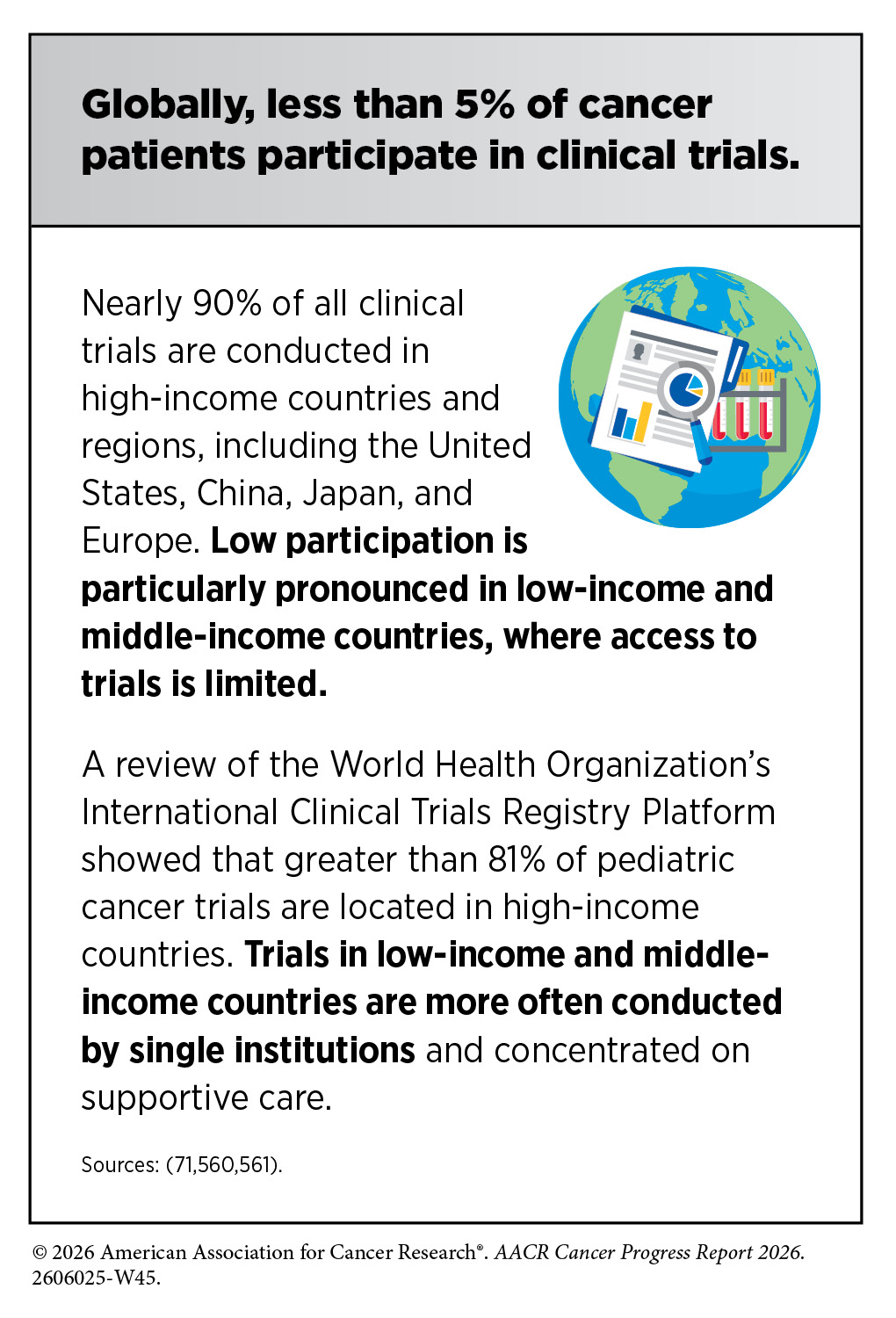
Emerging data indicate that decentralized and patient-centric clinical trial approaches may be associated with increased access to participation and greater representation of rural and other medically underserved patients (558)Haddad TC, et al. (2026) JAMA Netw Open, 9: e2617204.. Similar efforts are underway across large health care systems such as the US Department of Veterans Affairs’ Veterans Health Administration (VHA) to expand trial availability, improve referral pathways, and address logistical barriers to increase veteran access to cancer clinical trials (559)Friedman DR, et al. (2026) JNCI: Journal of the National Cancer Institute, 118: 68.. Ongoing research must continue to evaluate the impact of decentralized approaches on advancing clinical research and improving patient outcomes.
Progress Across the Pillars of Cancer Treatment
Research discoveries made as a result of innovative cancer science are continually being translated into new medical products for cancer prevention, early detection, diagnosis, and treatment. Approval of new medical products, including new anticancer treatments, is not the end of a linear research process. Rather, it is an integral part of the medical research cycle because observations made during the routine use of new medical products can help to accelerate the pace at which similar products are developed and to stimulate the development of new, more effective products.
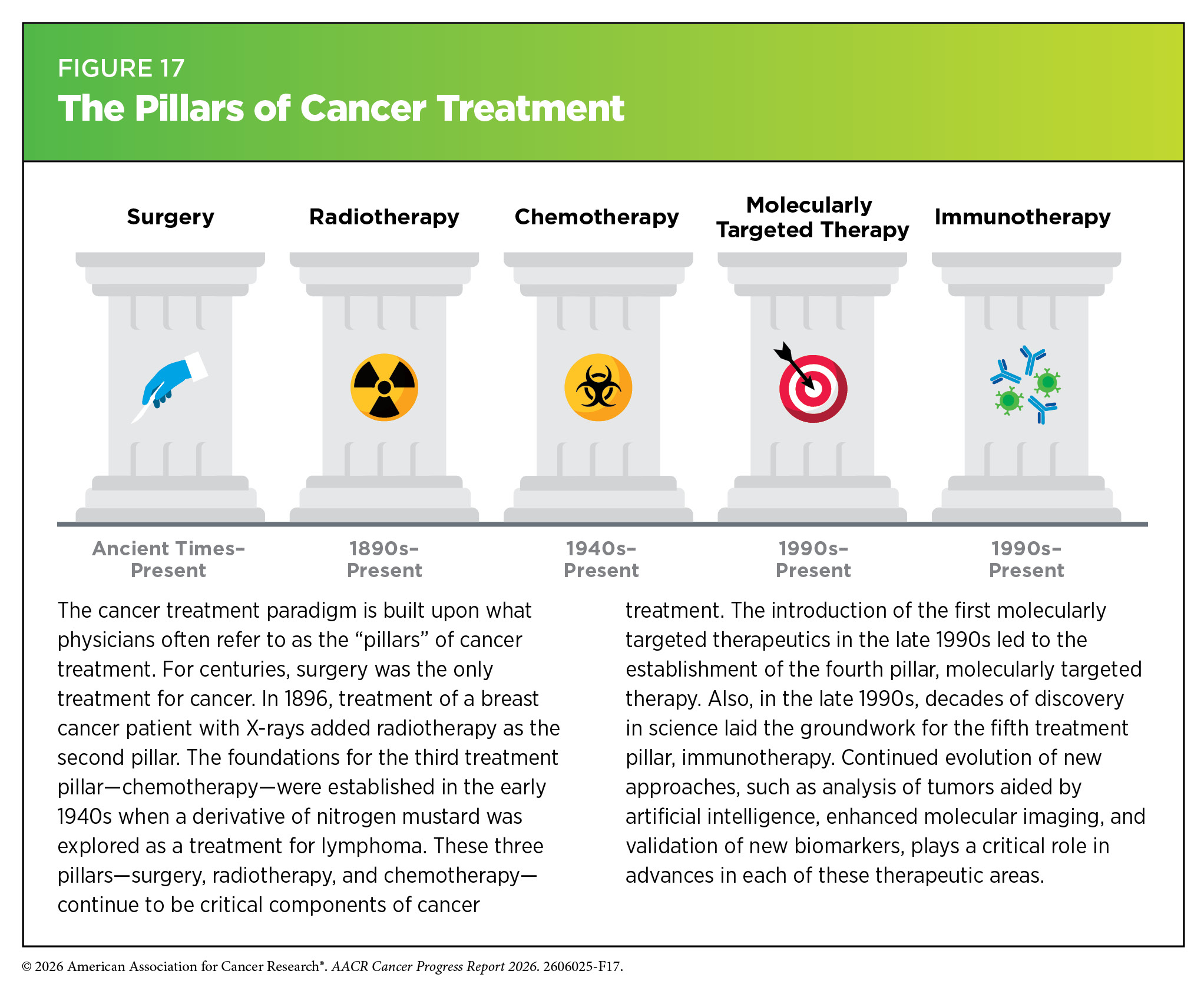
Traditionally, newly approved therapeutics are utilized alongside treatments already in use, including existing surgeries, radiotherapies, and chemotherapies, all of which continue to be the mainstays of clinical cancer care (see Figure 17). In recent years, the rapid rise of molecularly targeted therapies and immunotherapies—the two newest pillars of cancer treatment—has ushered in a new era of personalized cancer medicine. However, researchers are continually evaluating new ways to refine the use of surgery, radiotherapy, and chemotherapeutics to improve survival and quality of life for patients. Additionally, efforts are underway to determine whether lifestyle factors, such as physical activity and dietary changes, as well as use of widely used medications, such as low-dose aspirin, can impact cancer treatment and outcomes (562)Higgins MI, et al. (2026) Prostate Cancer and Prostatic Diseases.(563)Padrão N, et al. (2026) Nature, 649: 1013.(564)Martling A, et al. (2025) N Engl J Med, 393: 1051..
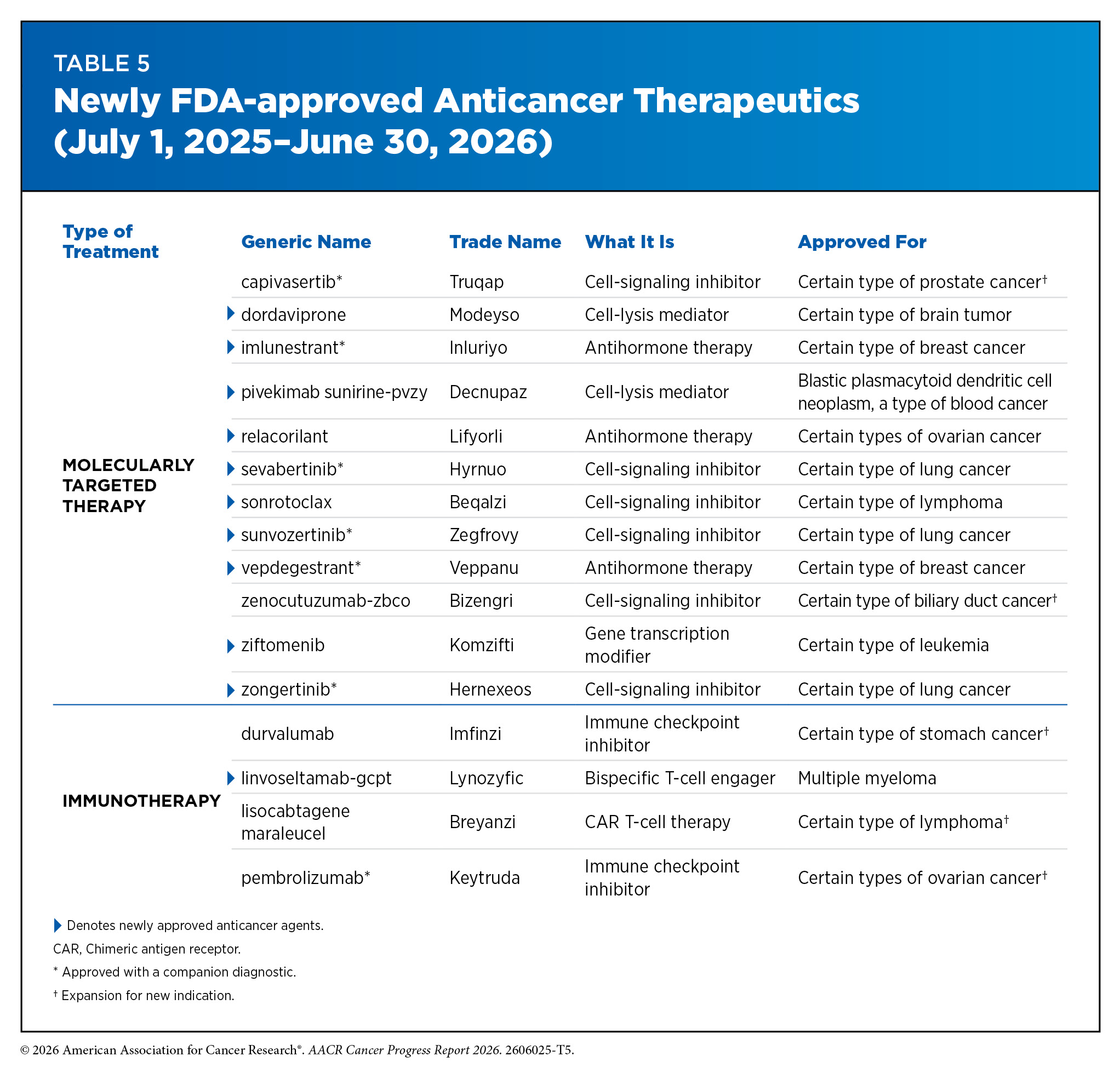
The following sections focus on the recent advances across the five pillars of cancer treatment, in particular, the 11 new anticancer therapeutics approved by FDA in the 12 months spanning this report, July 1, 2025, to June 30, 2026 (see Table 5). During the same time frame, FDA expanded the use of five previously approved anticancer therapeutics for treating additional types of cancer. Furthermore, FDA expanded the use of several previously approved therapeutics to include treatment at different timepoints in the course of clinical care or treatment of a different subtype of the same cancer. Comprehensive information on all anticancer therapeutic approvals can be found on FDA’s website (565)Oncology (Cancer)/Hematologic Malignancies Approval Notifications. Accessed: June 30, 2026.. Because many of these treatments, particularly molecularly targeted therapeutics and immunotherapeutics, are relatively new to the clinic, their long-term and late effects are still unknown (see Advancing Cancer Survivorship Care). The fast pace of approval and increasing clinical use of these cutting-edge therapeutics warrant close monitoring of patients receiving such agents.
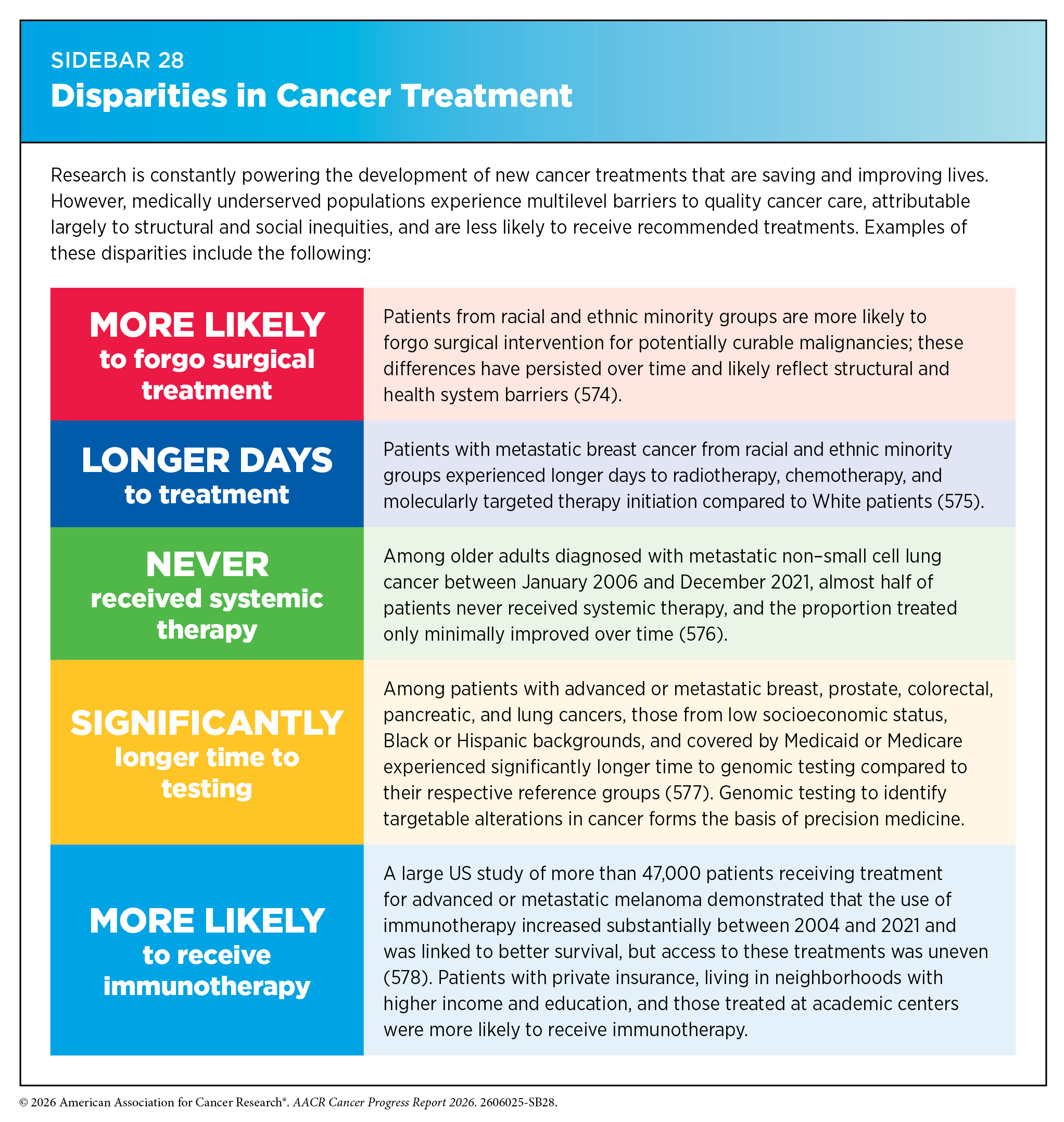
New medical products used across the continuum of clinical cancer care transform lives by extending survival and improving quality of life. However, not all patients in the United States receive the standard of care recommended for the type of cancer with which they have been diagnosed and for the stage of cancer at the time of diagnosis. Disparities in cancer treatment are driven largely by structural and socioeconomic factors, such as lack of access to health care facilities or health insurance, as well as high costs of cancer care (see Sidebar 28). Research has shown that in the United States, disparities in survival for several cancer types can be eliminated when all patients have equivalent access to standard treatments (16)American Association for Cancer Research. AACR Cancer Disparities Progress Report 2026. Accessed: June 30, 2026.. Some studies have found no racial or ethnic disparities in cancer outcomes among patients who are treated at a single-payer system, such as VHA, the nation’s largest integrated health care system (566)Kim RB, et al. (2024) J Racial Ethn Health Disparities, 00: 10.1007/s40615.. In fact, based on a recent analysis, Black veterans with cancer receiving care through VHA had similar or better overall survival and cancer-specific survival compared to their White counterparts (567)Bullard AJ, et al. (2026) JAMA Netw Open, 9: e2621585..
Medicaid expansion through the Patient Protection and Affordable Care Act (ACA) has been shown to increase insured status, early diagnosis, access to high-volume hospitals and timely cancer treatment, and to reduce cancer disparities, leading to improved outcomes for patients (568)Tamirisa N, et al. (2023) Ann Surg: 00.(569)Hooda Z, et al. (2025) Ann Thorac Surg.(570)Lyons JM, et al. (2025) Cancers (Basel), 17.. As one example, Medicaid expansion was shown to improve surgical access and survival for patients with pancreatic cancer (571)Hohenleitner JT, et al. (2026) JAMA Surg, 161: 460.. However, improvements were delayed and uneven. Persistent disparities attributable to structural and social drivers highlight the need for all stakeholders in public health to work together and ensure equitable access to quality cancer treatments.
There are stark disparities in the cost and accessibility of cancer treatments around the world, with major differences between high-income and low-income countries (572)Tfayli AH, et al. (2025) Cancer, 131: e35590.. According to a recent analysis, patients in most high-income countries can access cancer medications without significant out-of-pocket expenditure, while in lower middle- and low-income countries, 40 percent of essential chemotherapeutics are only available at full cost (573)Cherny NI, et al. (2025) Ann Oncol, 36: 247.. Recent disruptions to pharmaceutical transport routes associated with conflict in the Middle East highlight how fragile global supply chains can further threaten access to critical cancer medicines in low-income and middle-income countries (64)Adepoju P (2026) Lancet Oncol..
Advances in Cancer Treatment With Surgery
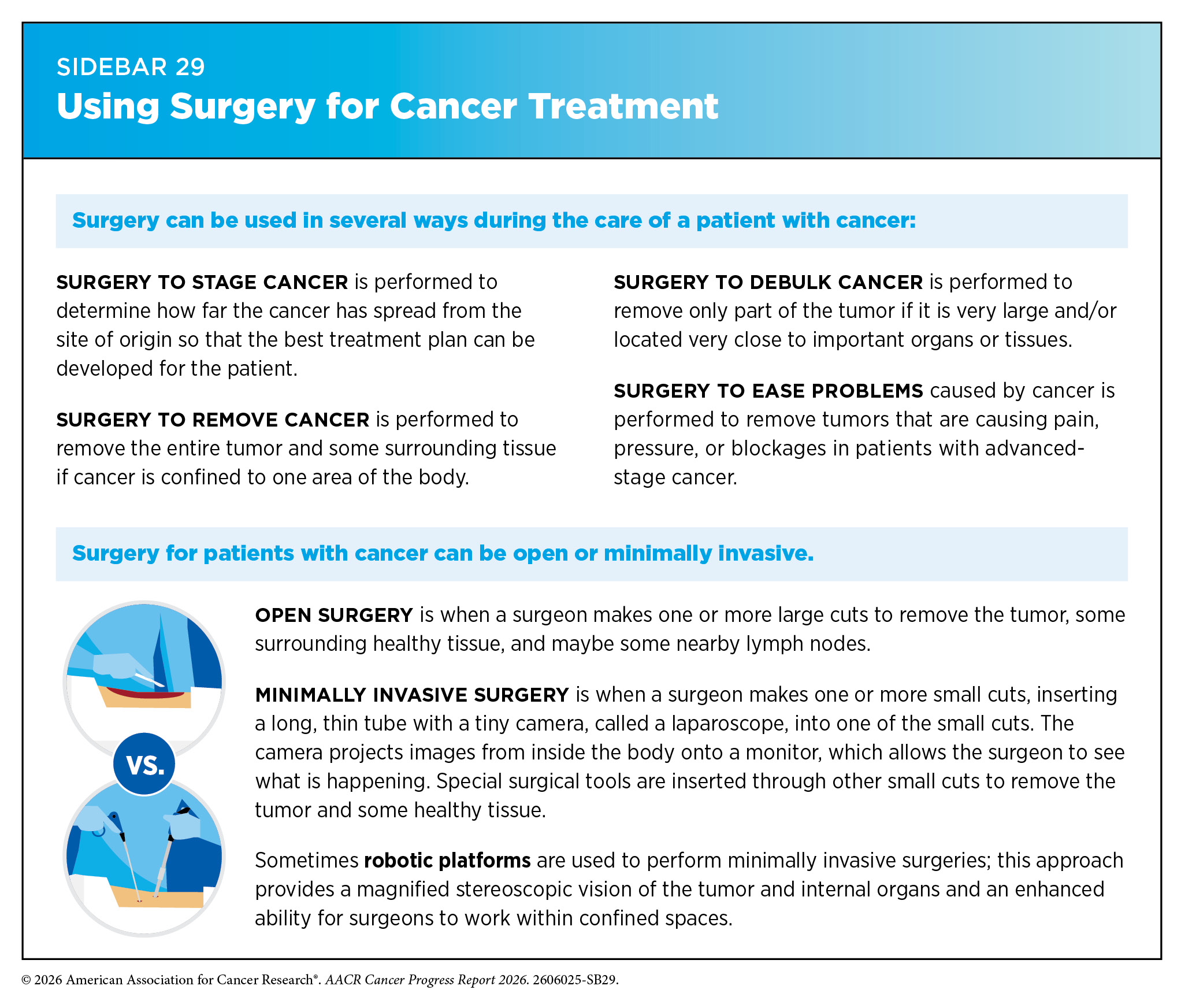
For centuries, surgery was the only pillar of cancer treatment (see Figure 17). Today, it remains the foundation of curative treatment for many patients. Surgery is used in several ways during the care of a patient with cancer (see Sidebar 29).
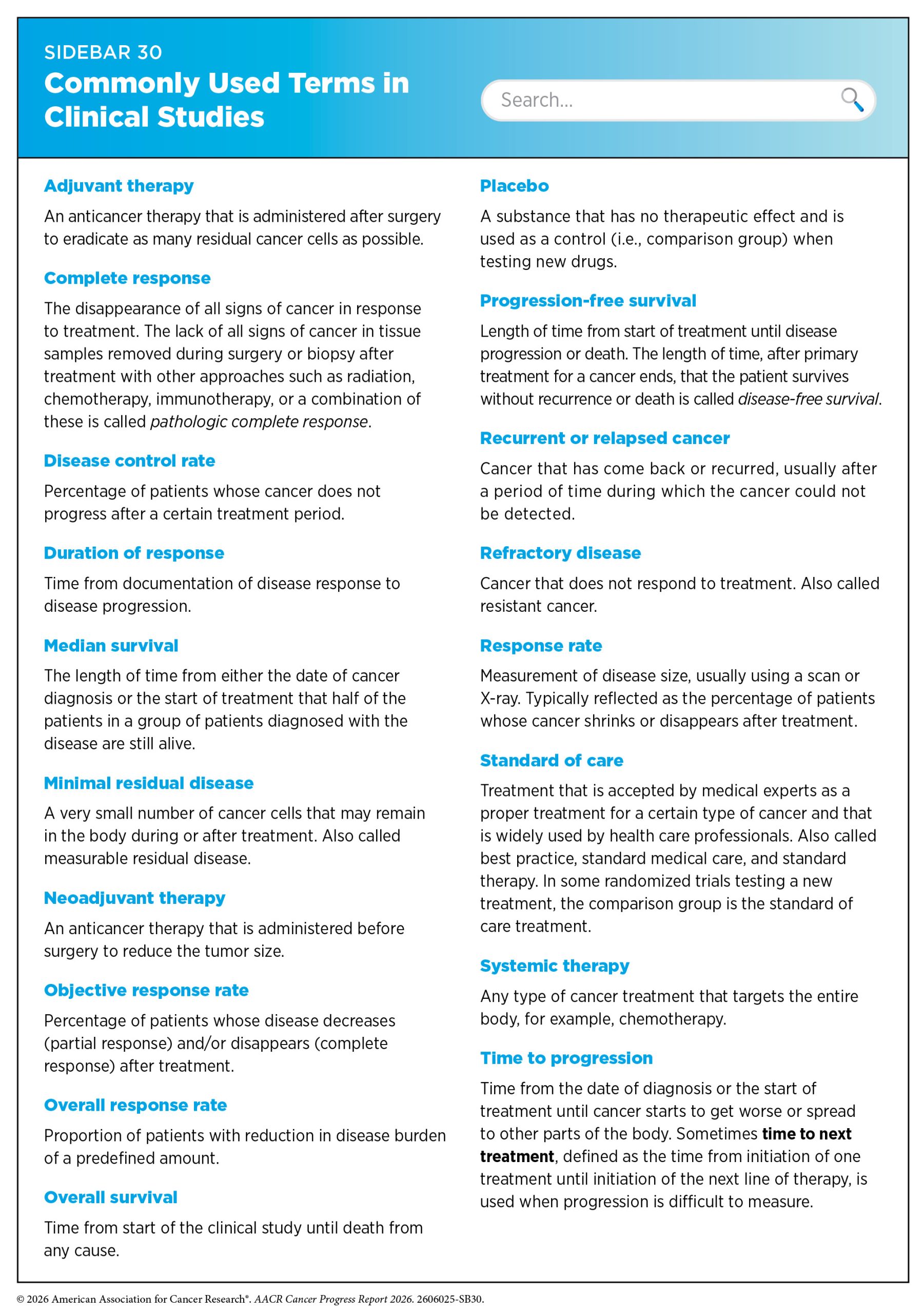
Sometimes, additional therapy is given before, after, or around the time of surgery based on the specific features of a patient’s tumor (see Sidebar 30). Researchers have found that this approach not only improves the surgeon’s ability to remove the tumor (e.g., by shrinking the tumor when given before the surgery) but also increases the patient’s overall survival and/or quality of life (579)Burotto M, et al. (2019) Semin Oncol, 46: 83.. Researchers are continuously developing new strategies to maximize the benefits and minimize the harms of cancer surgery. These approaches include identifying patients who may benefit from less invasive procedures or safely forgo surgery without compromising outcomes, expanding surgical options for patients who were previously not considered ideal candidates based on emerging evidence, and incorporating digital technologies and other innovative tools to improve surgical outcomes.
As one example, a recent study showed that certain patients age 80 and older with early-stage NSCLC can safely undergo potentially curative surgery and achieve outcomes comparable to those in younger patients (580)Gros L, et al. (2026) Lancet Reg Health Am, 56: 101428.. These data are important because more adults age 80 and older will be diagnosed with cancer with an increase in life expectancy. Historically, these patients have been excluded from surgery and clinical trials due to concerns regarding comorbidities and treatment risks. The new findings demonstrate that when carefully selected based on their overall health, older patients can tolerate surgical procedures well and while they may experience some postoperative complications, the quality of life improved significantly over time.
Digital health technologies are increasingly being incorporated into clinical care to make cancer treatments more patient-centric. A recent clinical study compared remote perioperative telemonitoring with standard care delivered by surgeons in patients with gastrointestinal, genitourinary, or gynecologic cancers (581)Sun V, et al. (2025) NPJ Digit Med, 8: 555.. Patients receiving remote telemonitoring care used a wearable device and reported symptoms via a mobile application before and after surgery. When the reported data deviated from predetermined thresholds, patients were contacted by nurses. The study showed a 6 percent greater functional recovery rate among participants who received telemonitoring compared to usual care (581)Sun V, et al. (2025) NPJ Digit Med, 8: 555.. While the benefit was modest, the finding supports further research to determine the optimal use of wearable sensor–based monitoring before and after surgery and to evaluate whether more intensive multimodal interventions, such as exercise and nutrition programs, can enhance symptom management and improve postoperative outcomes.
Minimizing the Use of Invasive Cancer Surgery
Several recent studies have shown that performing less invasive surgeries or avoiding surgeries altogether can benefit certain patients by minimizing tissue damage and postprocedural complications while maintaining, and in some cases improving, long-term outcomes (582)Topal H, et al. (2022) JAMA Netw Open, 5: e2248147.(583)Son SY, et al. (2022) JAMA Surg, 157: 879.(584)Di Benedetto F, et al. (2023) JAMA Surg, 158: 46.(585)Bartels SAL, et al. (2023) Journal of Clinical Oncology, 41: 2159.. A few examples of such findings are discussed below.
The main purpose of neoadjuvant therapy is to shrink the tumor and reduce lymph node involvement before surgery, making it possible to perform a less extensive surgery. Based on a new report, the use of neoadjuvant therapy has significantly increased since 2010, particularly for pancreatic, gynecologic, and certain abdominal cancers (586)Habermann EB, et al. (2025) J Am Coll Surg, 240: 95..
Emerging data suggest that, in a small number of cancer types, carefully selected patients who have achieved a complete response, that is, those who have no detectable cancer, after neoadjuvant treatments (see Sidebar 30), may be able to safely avoid surgery, although cancer recurrence remains possible and careful monitoring is essential. One area of increasing research focus is identifying patient groups who may be able to avoid surgery after showing strong responses to neoadjuvant immunotherapy. Early findings across several cancer types highlight the significant potential of this approach (587)Cercek A, et al. (2025) N Engl J Med, 392: 2297.(588)Kendra KL, et al. (2026) Nature Cancer, 7: 272.(589)Lin YJ, et al. (2026) J Hepatol, 84: 316.. Additionally, researchers are investigating biomarkers such as circulating tumor DNA (ctDNA) or isolated tumor cells that are present in lymph nodes to guide treatment decisions after surgery, for example, to decide whether patients need adjuvant treatments (590)Carleton N, et al. (2026) Clinical Cancer Research: OF1.(591)Matsuo K, et al. (2026) JAMA Oncol, 12: 528..
Many cancers spread through the body’s lymphatic system, and one of the earliest sites of tumor spread is nearby lymph nodes, which are small round organs that are part of the lymphatic system (see Blood and Lymphatic Systems). Lymph node dissection is a common procedure that involves removing lymph nodes near the tumor to determine whether the cancer has spread beyond the primary site, given the lymphatic system’s role in metastasis. Lymph node dissection is routinely performed in patients with solid tumors, such as breast, head and neck, colorectal, stomach, or thyroid cancers.
There are two main types of lymph node dissection: regional, which targets nodes closest to the tumor, and extended (or radical), which involves a wider removal of lymphatic tissue, often across multiple nodal regions. While regional dissection helps with accurate staging and treatment planning, extended dissection carries a higher risk of complications. For example, axillary lymph node dissection (ALND)—an extended procedure historically performed when breast cancer was suspected to have spread to underarm lymph nodes—can lead to morbidity such as lymphedema, numbness, shoulder stiffness, and long-term functional limitations.
Several clinical trials have now demonstrated that ALND offers no survival benefit over regional dissection, also known as sentinel lymph node biopsy (SLNB), and can be safely omitted in certain early-stage breast cancer patients, including those with small tumors and normal lymph nodes on ultrasound imaging or those who respond well to neoadjuvant chemotherapy (592)Gentilini OD, et al. (2023) JAMA Oncol, 9: 1557.(593)Montagna G, et al. (2024) JAMA Oncol.(594)Persano I, et al. (2026) Cancer Treat Rev, 143: 103092.. Additionally, ongoing clinical studies are evaluating whether even certain higher-risk patients with limited metastasis to lymph nodes can safely forgo ALND (595)Mamtani A, et al. (2026) JAMA Surg.. Moreover, researchers are finding that in selected low-risk patients even SLNB can be omitted without compromising outcomes (594)Persano I, et al. (2026) Cancer Treat Rev, 143: 103092..
Researchers are also evaluating whether less invasive procedures could replace traditional surgeries for some patients. A long-term follow-up of patients with certain types of pancreatic cancer who received either minimally invasive surgery or traditional surgery showed no significant difference in overall survival or disease-free survival between the two groups, supporting the safety and effectiveness of the less invasive approach (596)Bruna CL, et al. (2025) JAMA Surg, 160: 1299.. Minimally invasive surgery is associated with faster postoperative recovery and can be especially beneficial for patients with pancreatic cancer, facilitating earlier initiation and potentially better tolerability of adjuvant treatments. In another study, minimally invasive surgery was shown to be associated with improved outcomes compared to open surgery for patients with colon cancer (597)O’Leary D, et al. (2026) EClinicalMedicine, 92: 103683..
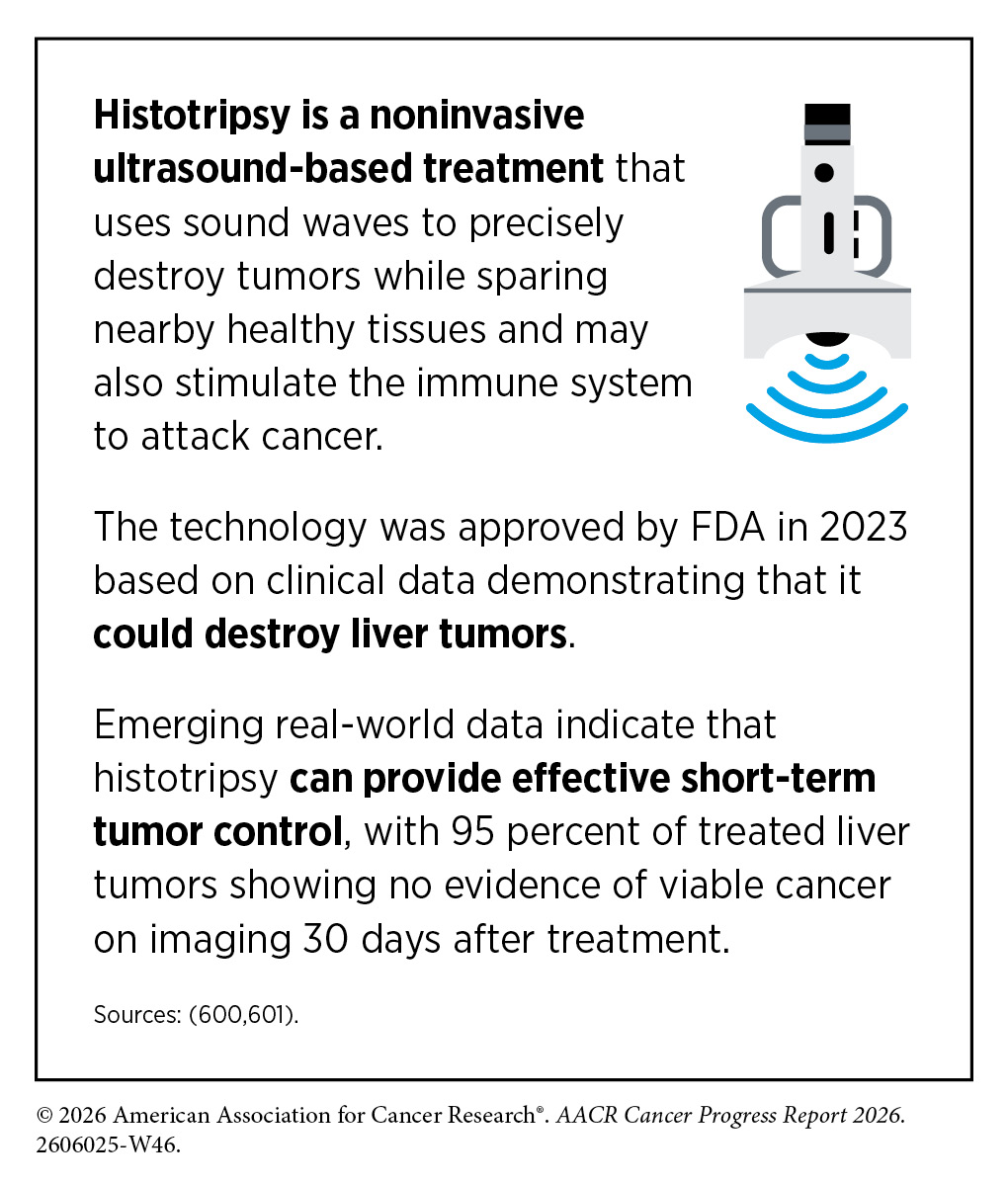
Tumor ablation is a minimally invasive treatment that destroys tumors in organs like the liver, kidney, bone, or lung using extreme heat, extreme cold, or other energy-based methods that damage cancer cells. A retrospective analysis that compared outcomes after ablation or surgical resection among patients with renal cell carcinoma, the most common kidney cancer, found that tumor progression following treatment did not differ between the two groups (598)Ahrenfeldt J, et al. (2026) Radiology, 318: e251485.. However, patients who received ablation had fewer posttreatment complications and shorter hospital stays. Another recent study strengthened evidence supporting less invasive surgery for selected patients with pleural mesothelioma, a rare aggressive cancer arising in the thin tissue lining the lungs (599)Gulati S, et al. (2026) Ann Thorac Surg, 122: 178..
Improving Quality of Life After Cancer Surgery
Despite the immense benefits of surgery, complications are common and can negatively affect patients’ quality of life. Programs to enhance recovery after surgery are emerging as one approach to address this issue. These multimodal, transdisciplinary programs focus on optimizing preoperative, perioperative, and postoperative patient care using strategies that ensure the patient is as physically and emotionally fit for surgery as possible, alleviate the stress of surgery, promote recovery, and reduce the time before patients can begin adjuvant treatment. Providing patients with an individualized prehabilitation plan that includes exercise, nutrition, stress reduction, and other behavioral modifications to optimize their physical fitness before surgery has been successful in improving patient outcomes.
According to a recent study in nearly 2,400 patients undergoing colorectal cancer surgery in the Netherlands, participation in a 4-week multimodal prehabilitation program that included high-intensity exercise, nutritional support, psychological counseling, and optimization of comorbidities was associated with a reduction in both surgical and overall medical complications, a shorter hospital stay, and reduced rates of hospital readmission and intensive care use (602)Sabajo CR, et al. (2026) JAMA Surg.. The benefits of the program were experienced by all patients regardless of age. Notably, basic research (see Basic Research Decoding Cancer’s Complexities) and preclinical studies have shown that preoperative exercise can enhance antitumor immune responses and prevent colorectal cancer metastasis (603)Zhang Y, et al. (2026) Cell Rep Med, 7: 102589..
Another clinical study from China demonstrated that a short, multimodal, prehabilitation program combining exercise, nutrition, psychosocial care, and other supportive interventions before surgery helped older adults with frailty better prepare for stomach cancer surgery. Patients who completed at least 2 weeks of prehabilitation before surgery experienced fewer postoperative complications, improved physical fitness before surgery, and recovered faster afterward, compared to those who received standard care alone (604)Sun Y, et al. (2026) JAMA Surg, 161: 223..
Collectively, these findings suggest that helping patients improve their physical condition before surgery may reduce complications and improve recovery.
Advances in Radiation-based Approaches to Cancer Care
Radiotherapy is the use of high-energy rays (e.g., gamma rays and X-rays) or particles (e.g., electrons, protons, and carbon nuclei) to control or eradicate cancer. Discovery of X-rays in 1895 allowed visualization of internal organs at low doses, and the effective use of X-rays at high doses to treat a breast cancer patient a year later established radiotherapy as the second pillar of cancer treatment. Radiotherapy plays a central role in the management of cancer and works primarily by damaging DNA, leading to cancer cell death.
Globally, 50 percent of all patients with a new diagnosis of cancer need radiotherapy as their initial treatment, and 15 percent require follow-up radiotherapy (605)Abdel-Wahab M, et al. (2024) Lancet Oncol, 25: e545.. Unfortunately, significant disparities exist in the access to radiotherapy. According to a recent report, sub-Saharan Africa has the fewest radiotherapy machines per patient—with around 20 countries lacking any—while North America has the highest availability (605)Abdel-Wahab M, et al. (2024) Lancet Oncol, 25: e545.. In high-income countries, there is one radiotherapy machine for every 130,600 people, compared to just one for every 15.6 million people in low-income countries (605)Abdel-Wahab M, et al. (2024) Lancet Oncol, 25: e545.. As cancer cases continue to rise globally, experts predict that by 2050, the need for trained radiotherapy professionals will grow by more than 60 percent (605)Abdel-Wahab M, et al. (2024) Lancet Oncol, 25: e545..
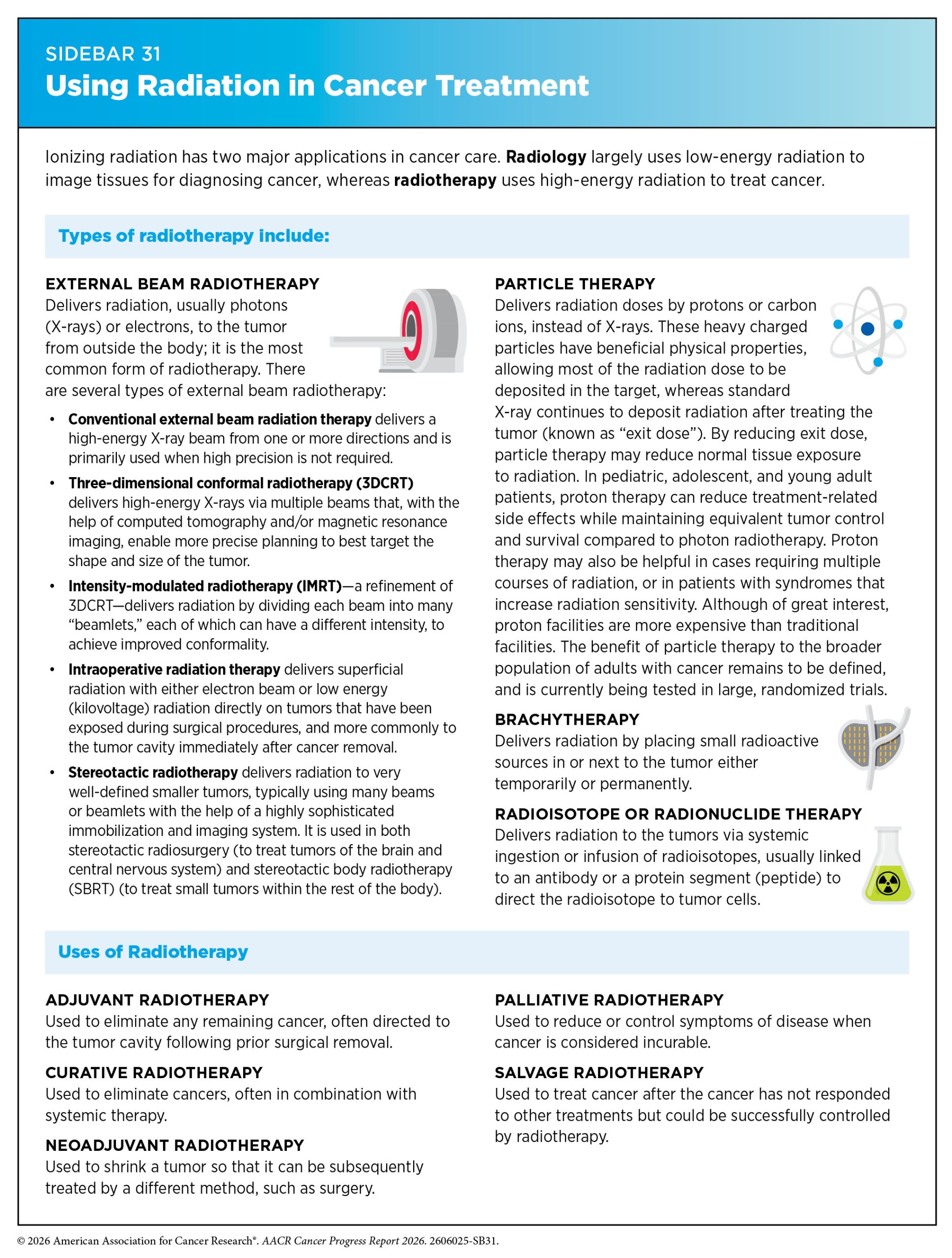
There are many types of and uses for radiotherapy (see Sidebar 31). However, it is important to note that radiotherapy may also have harmful side effects, in part, because of the radiation-induced damage to healthy cells surrounding the tumor tissue (606)Wang K, et al. (2021) CA Cancer J Clin, 71: 437.. Because of the central role of radiotherapy in the treatment and management of cancer, researchers are continually innovating radiotherapeutic approaches to maximize the benefits for patients while minimizing potential harm.
Long-term effects of radiation therapy can negatively impact a patient’s quality of life. Researchers are evaluating approaches to make radiotherapy safer and more effective, including using biomarkers to identify patients who are unlikely to benefit from radiation or may be more vulnerable to its toxic effects, allowing radiotherapy to be reduced or even avoided without affecting patient outcomes (607)Kishan AU, et al. (2025) Clin Cancer Res, 31: 2530.(608)Meattini I, et al. (2025) JAMA Oncol, 11: 329.. As one example, advances in radiation delivery techniques over the past several decades have dramatically reduced unintended radiation exposure to the heart and the associated risk of cardiovascular disease among women with left-sided breast cancer (609)Nakajima E, et al. (2026) JAMA Netw Open, 9: e264098..
For women with early-stage breast cancer, surgery followed by radiotherapy had been the standard treatment, since it was believed that eradicating any remaining breast cancer cells with radiation after removal of the tumor would improve long-term outcomes. However, several studies have now shown that patients with early-stage breast cancer who are characterized as very low risk, based on certain molecular characteristics, can forgo radiation therapy after surgery without any excess risk of cancer recurrence, as long as they receive guideline-adherent treatment with hormone therapies (610)Jagsi R, et al. (2024) J Clin Oncol, 42: 390.(611)Whelan TJ, et al. (2023) N Engl J Med, 389: 612.(612)Mann GB, et al. (2024) Lancet, 403: 261.(613)Williams LJ, et al. (2024) Lancet Oncol, 25: 1213..
Adding to this evidence, a recent clinical trial has now shown that certain patients even with higher-risk breast cancer can safely avoid radiation (614)Kunkler IH, et al. (2025) N Engl J Med, 393: 1771.. The trial included more than 1,600 women with intermediate-risk breast cancer, defined as stage II disease with one to three positive lymph nodes or tumors with aggressive features but no lymph node involvement. Half of the patients received radiation therapy, while the other half did not. After 10 years of follow-up, overall survival exceeded 80 percent in both groups, with no significant difference between patients who received radiation and those who did not.
Researchers are also evaluating more sophisticated radiotherapy approaches that are safer and more effective. As one example, a recent study that compared intensity-modulated radiation therapy (IMRT) with intensity-modulated proton therapy (IMPT) (see Sidebar 31) for patients with a certain type of head and neck cancer arising in the tonsil or base of tongue found that IMPT was as effective as IMRT at controlling the disease, helped more patients live longer, and caused fewer serious side effects (615)Frank SJ, et al. (2026) Lancet, 407: 174.. These findings suggest that proton therapy could be considered a new treatment option for this cancer.
Stereotactic body radiotherapy (SBRT) is an advanced approach to radiotherapy that can target radiation to tumors more precisely than traditional radiotherapy. Higher doses and fewer sessions of radiation can be used than with traditional radiotherapy and healthy tissues surrounding a tumor are spared from damage caused by the radiation, which can reduce the long-term adverse effects. Given the potential benefits of SBRT, many clinical trials are testing ways to incorporate these treatments into clinical care, including in the treatment of patients with metastatic cancer. Recent studies have shown that stereotactic radiotherapy targeted to the initial cancer site from which tumors have metastasized can be effective for patients who have metastatic tumors at a limited number of sites, referred to as oligometastatic tumors (616)van Moorselaar RJA, et al. (2022) Eur Urol Open Sci, 35: 70.. Similarly, targeting a limited number of metastatic sites that have progressed after systemic therapy with SBRT can be effective as shown in patients with lung cancer (617)Tsai CJ, et al. (2024) Lancet, 403: 171..
Stereotactic radiotherapy targeted to oligometastatic tumors can reduce the chances of disease progression and increase survival (618)Palma DA, et al. (2020) J Clin Oncol, 38: 2830.(619)Donovan EK, et al. (2024) JAMA Oncol, 00: e241796.(620)Chinniah S, et al. (2022) Int J Radiat Oncol Biol Phys, 114: 684.(621)Mansouri A, et al. (2025) Nat Rev Clin Oncol, 22: 327.. In addition, data from a recent clinical trial support the use of stereotactic radiation even among patients with 5 to 20 brain metastases (622)Aizer AA, et al. (2026) JAMA, 335: 1127.. The study showed that among patients with melanoma, lung, breast, and other cancers that had metastasized to the brain, stereotactic radiation reduced symptom burden and improved daily functioning compared to a standard memory-sparing whole-brain radiation therapy. Similar findings from a second clinical trial confirmed that stereotactic radiation is a safe and effective alternative to whole-brain radiation for patients with small cell lung cancer with up to 10 brain metastases, provided they undergo close follow-up monitoring (623)Aizer AA, et al. (2025) J Clin Oncol, 43: 2986..
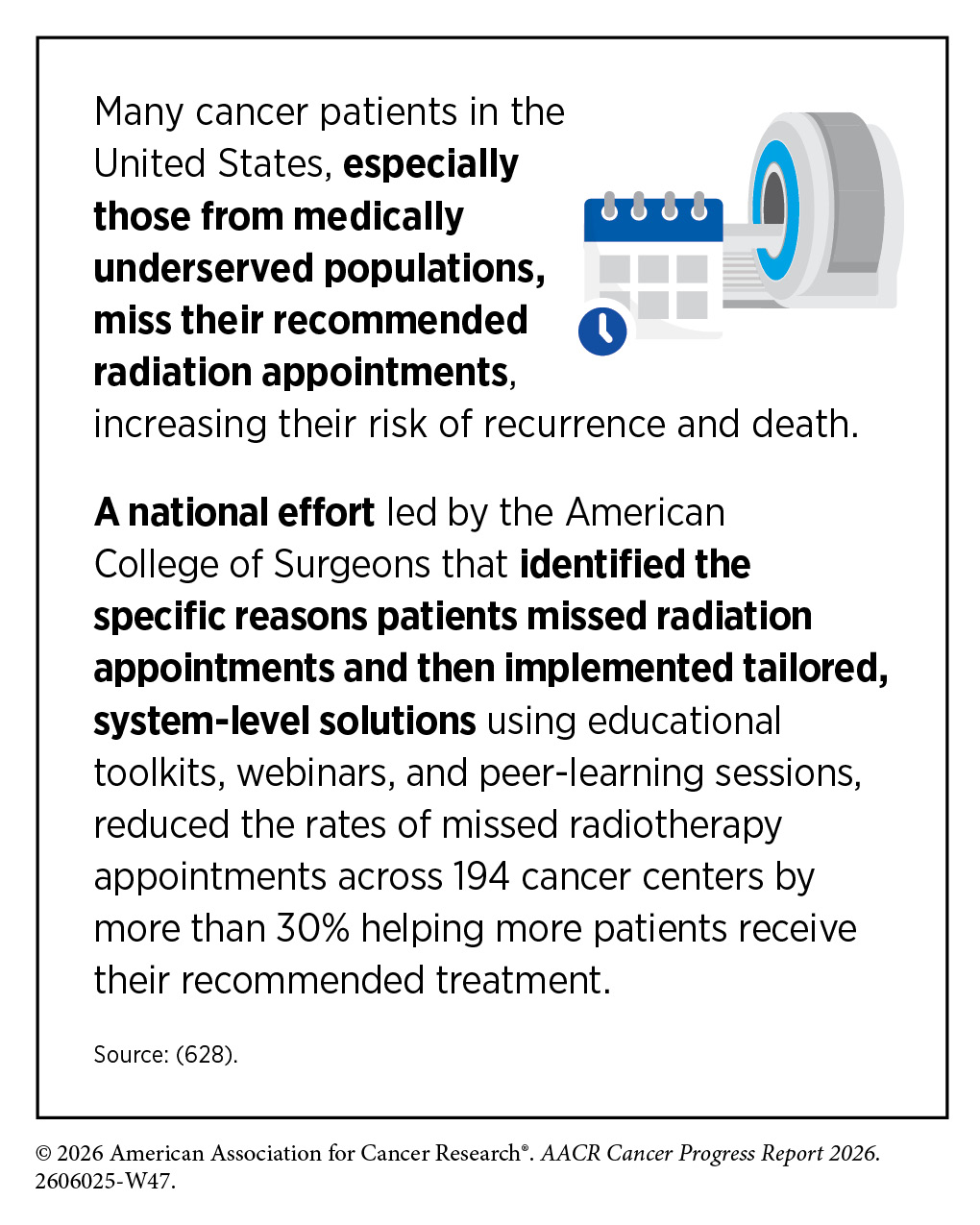
Another recent advance in radiotherapy is the emergence of hypofractionated radiotherapy, whereby patients receive fewer but higher daily doses of radiotherapy compared to the traditional regimen (624)Cho WK, et al. (2024) JAMA Oncol, 10: 737.. Patients who receive hypofractionated radiotherapy complete their radiotherapy over a shorter period and in fewer treatment sessions. Research indicates that this approach is just as effective as traditional, longer radiation courses, while also offering benefits like fewer side effects, improved quality of life, and greater convenience for patients (625)Lee SF, et al. (2024) BMJ, 386: e079089.. A clinical study with 10 years of follow-up demonstrated that hypofractionated radiation therapy delivered in just seven treatments was as safe and effective as the conventional 8-week course for men with intermediate-risk prostate cancer, while requiring substantially fewer treatment visits (626)Nilsson P, et al. (2026) The Lancet Oncology, 27: 293.. Another long-term follow-up study showed that hypofractionated radiotherapy delivered in a week (compared to a 3-week schedule) was safe and effective and associated with similar outcomes at 10 years in patients with breast cancer (627)Brunt AM, et al. (2026) Lancet Oncol, 27: 686..
Applying Precision to Radiation Therapy
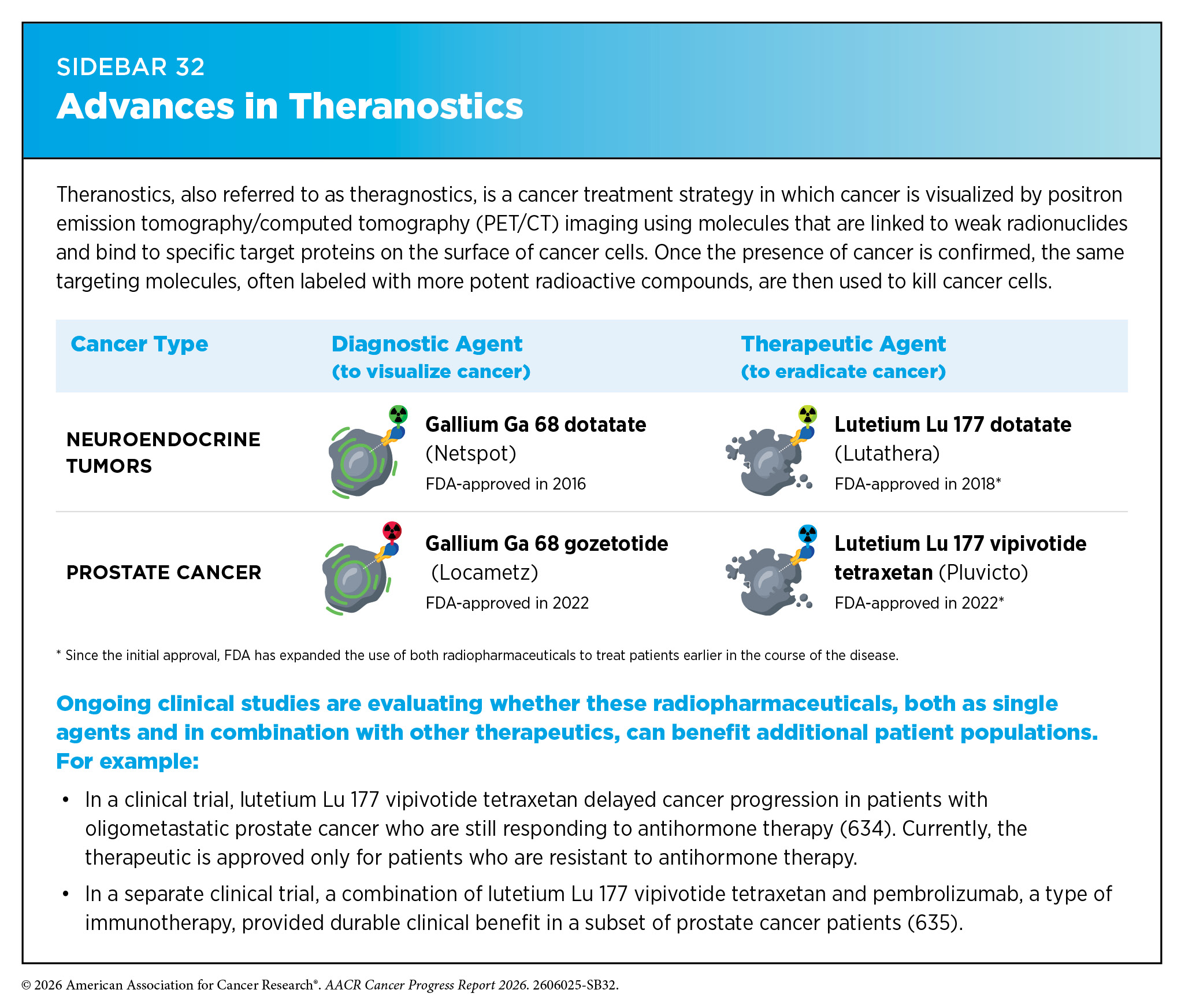
One of the most exciting and fastest-growing areas in radiotherapy is the use of radiopharmaceuticals or molecularly targeted radiotherapeutics—radiation-emitting molecules that are linked to targeting molecules, which steer the radiation specifically to cancer cells. A particularly promising innovation is theranostics, which combines diagnostic imaging and molecularly targeted radiotherapy to deliver personalized treatment based on a patient’s unique tumor characteristics (see Sidebar 32). A number of such diagnostic-therapeutic pairs have been approved by FDA in recent years for the management of certain patients with neuroendocrine tumors and prostate cancer (223)American Association for Cancer Research. AACR Cancer Progress Report 2023. Accessed: June 30, 2026.(629)American Association for Cancer Research. AACR Cancer Progress Report 2018. Accessed: June 30, 2026.(630)American Association for Cancer Research. AACR Cancer Progress Report 2021. Accessed: June 30, 2026., and many more are at various stages of preclinical and clinical testing (631)Varmenot N, et al. (2026) Clin Oncol (R Coll Radiol), 51: 104003.. As of July 2025, more than 400 clinical trials were registered in theranostics and radioligand therapy, evaluating more than 20 distinct molecular targets with additional targets in preclinical development (632)Tran HH, et al. (2025) Eur J Nucl Med Mol Imaging, 52: 2685.(633)Ninatti G, et al. (2025) Cancers (Basel), 17..
Molecularly targeted radiotherapeutics hold great promise for transforming cancer treatment, although challenges such as regulatory hurdles and complex manufacturing remain to be addressed. Moreover, access to these treatments has mostly been limited to high-income countries, as challenges like limited funding, shortages in sophisticated facilities for delivery, and trained medical personnel continue to hinder broader global use (605)Abdel-Wahab M, et al. (2024) Lancet Oncol, 25: e545.. Ongoing research aims to improve tumor targeting while minimizing harm to healthy tissues. Scientists are exploring a range of novel radioisotopes that emit different types of radiation, along with various targeting molecules, such as engineered proteins and antibody derivatives, to enhance radiotherapeutic delivery and reduce toxicity.
Advances in Treatment With Chemotherapy
Chemotherapy, which involves the use of chemicals to kill cancer cells, was first introduced as a pillar of cancer treatment in the early- to mid-20th century (636)DeVita VT, Jr., et al. (2008) Cancer Res, 68: 8643.. Chemotherapy remains a backbone of cancer treatment, and its use is continually evolving to minimize potential harm to patients, while maximizing its benefits.
As with surgery and radiotherapy, chemotherapy is more commonly used to treat cancer in combination with one or more additional types of treatments. Newer and more effective chemotherapeutics continue to be evaluated in clinical research. In addition, researchers are continually investigating optimal dosage and sequence of chemotherapy delivery, new formulations and delivery methods, and novel combinations, particularly with molecularly targeted therapeutics or immunotherapeutics, to improve patient outcomes. As one example, in September 2025, FDA approved the gemcitabine intravesical system (Inlexzo), a device designed to continuously deliver the chemotherapeutic directly into the bladder for weeks at a time, offering a new bladder-preserving treatment option for certain patients with bladder cancer (637)Daneshmand S, et al. (2025) J Clin Oncol, 43: 3578..
On the basis of a recent clinical study, patients with advanced NSCLC whose tumors harbor epidermal growth factor receptor (EGFR) gene alterations experienced improved overall survival when treated with a combination of chemotherapy and an EGFR–targeted therapy compared to the EGFR-targeted therapy alone, demonstrating that combining targeted therapeutics with conventional chemotherapies can further extend survival for patients with this common molecular subtype of lung cancer (638)Janne PA, et al. (2026) N Engl J Med, 394: 27.. Researchers are also investigating whether, for certain patients, chemotherapies could be replaced with precision medicine approaches that are more effective and less toxic (639)Zhou C, et al. (2026) N Engl J Med.. A particularly exciting area in precision oncology is the evaluation of ctDNA as a biomarker to identify cancer patients who can safely forgo chemotherapy as well as to monitor response and resistance to chemotherapy (640)Gottschalk Z, et al. (2024) Curr Oncol Rep, 26: 959.(641)Kasi PM, et al. (2024) Journal of Clinical Oncology, 42: 9.(642)Bando H, et al. (2026) Nature Medicine.(643)Carrasco R, et al. (2026) npj Precision Oncology, 10: 114..
Home-based care has the potential to reduce the burden of frequent treatment visits while expanding access to care for patients who face barriers to reaching cancer centers. In a pilot study, researchers demonstrated that chemotherapy can be safely delivered in patients’ homes using virtual monitoring and remote support (644)Dronca RS, et al. (2026) NEJM Catalyst, 7: CAT.25.0168.. Home-based chemotherapy was administered without any infusion reactions or treatment-related hospitalizations and was associated with high patient satisfaction.
Treatment with chemotherapeutics can have adverse effects. These can occur during treatment and continue in the long term, or they can appear months or even years later (see Challenges Faced by Survivors). Researchers are investigating different approaches to make chemotherapeutics safer for patients. A critical area of ongoing research is identifying biomarkers to correctly predict which patients will or will not benefit from chemotherapy, as well as to predict which patients may suffer from chemotherapy-induced toxicities.
Chemotherapeutics such as 5-fluorouracil (5-FU) and capecitabine may cause serious adverse effects. Dihydropyrimidine dehydrogenase (DPD) is a key enzyme that breaks down 5-FU by converting it into an inactive form for elimination from the body. Research has shown that some individuals may carry genetic changes known as DPD deficiency that reduce their ability to safely process this treatment, putting them at higher risk for severe side effects (645)Rosso C, et al. (2026) Pharmacogenomics, 27: 27.(646)Nguyen-Hoang N, et al. (2026) Clinical Cancer Research.. To improve patient safety, FDA has recently updated drug labels to include information about this genetic risk, including a boxed warning highlighting the risk of serious adverse reactions or death in patients with complete DPD deficiency (647)US Food and Drug Administration. Center for Drug Evaluation and Researc. Safety labeling update for capecitabine and fluorouracil (5-FU) on risks associated with dihydropyrimidine dehydrogenase (DPD) deficiency. Accessed: June 30, 2026.. FDA now recommends that clinicians consider testing patients for DPD deficiency before starting treatment.
Advances in Treatment With Molecularly Targeted Therapeutics
Remarkable advances in our understanding of the cellular and molecular alterations that drive tumor growth have ushered in the era of precision medicine, in which patients are increasingly treated with therapies that target the specific molecules and pathways that fuel their cancer progression. As a result, the standard of care is shifting away from a one-size-fits-all approach toward treatments tailored to the patient and the unique characteristics of their cancer (see Understanding the Path to Cancer Development).
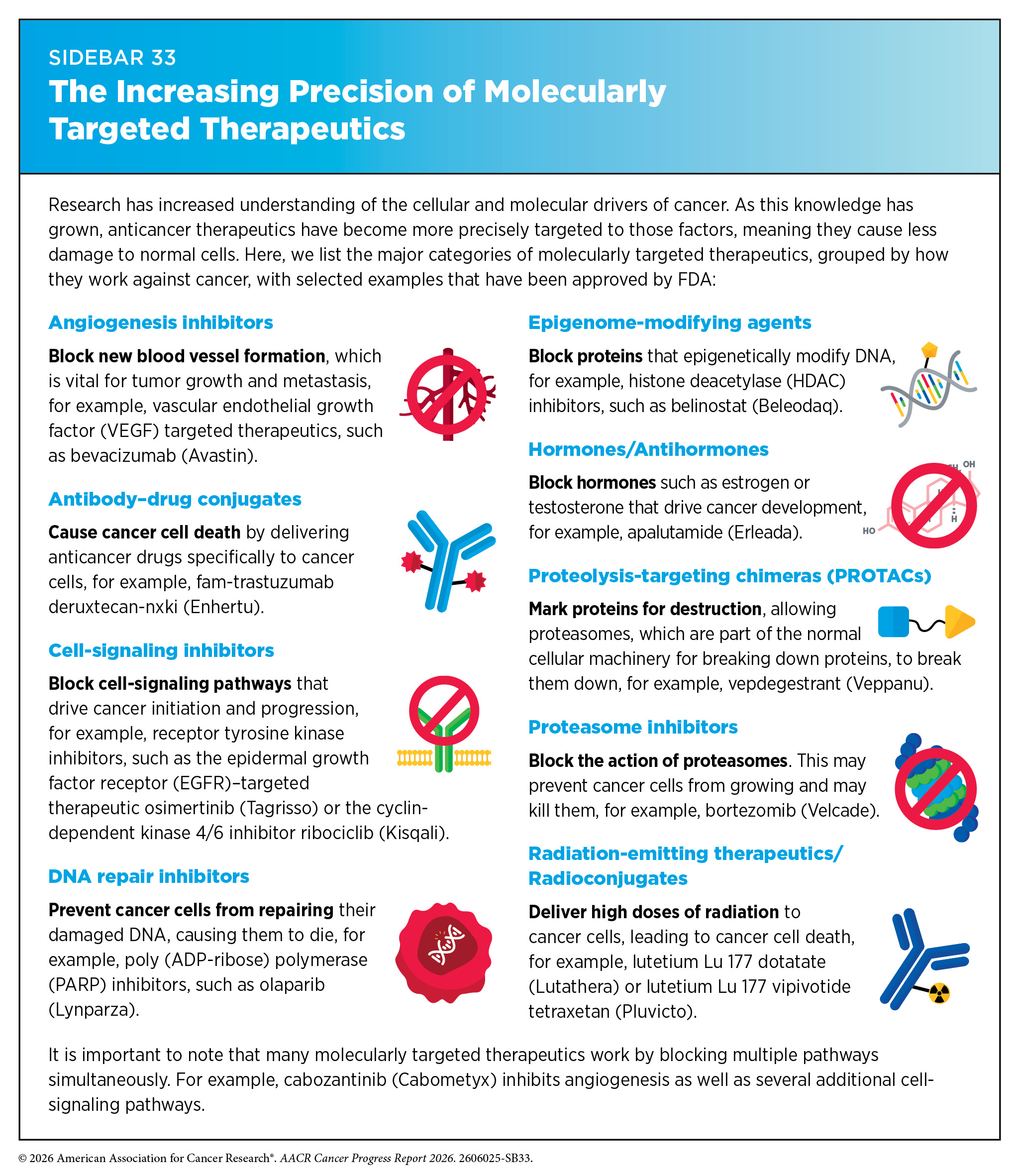
Molecularly targeted therapeutics target tumor cells more precisely than chemotherapeutics, which generally target all rapidly dividing cells. The greater precision of these drugs limits damage to healthy tissues, making them more effective and less toxic than chemotherapeutics (see Sidebar 33). As a result, molecularly targeted therapeutics are not only saving lives, but also allowing patients with cancer to have an improved quality of life. During the 12 months covered in this report, FDA approved 10 new molecularly targeted therapeutics and expanded the use of two previously approved molecularly targeted therapeutics to treat additional cancer types (see Table 5). While not covered in this report, FDA also broadened the use of several previously approved therapeutics so they can be used earlier in a patient’s treatment journey or for different subtypes of the same cancer.
Diagnostic tests, such as sophisticated DNA sequencing or protein visualizing methods, are commonly used in the clinic to identify molecular changes in patients’ cancers, helping to select those who are most likely to benefit from molecularly targeted therapeutics and spare others from unnecessary treatments and side effects. Companion diagnostics are tests that are required for the safe and efficacious use of certain FDA-approved treatments, while complementary diagnostics
are tests that are not mandatory but provide additional insights on clinical decision-making. FDA approvals of most new therapeutics are accompanied by the concurrent approval of companion diagnostic tests to facilitate the identification of eligible patients for these treatments.
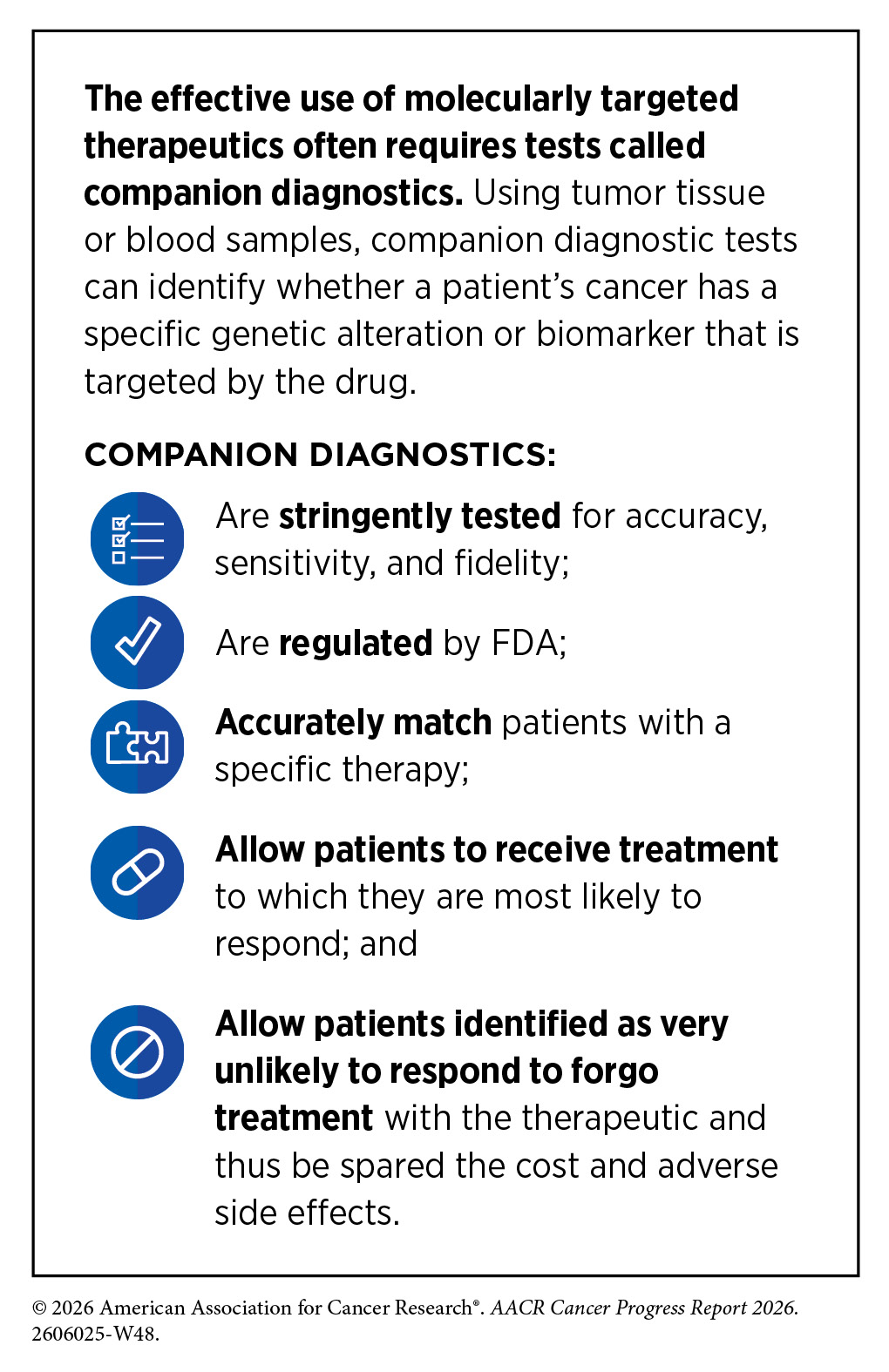
Unfortunately, because of multilevel barriers to health care, including inadequate health insurance and lack of access to quality cancer care, disparities exist in the utilization of diagnostic testing and molecularly targeted treatments (648)Podany EL, et al. (2025) JAMA Netw Open, 8: e2461899.(649)Heath E, et al. (2024) Cancer Res Commun, 4: 2598.. As one example, a study using data from the National Institutes of Health (NIH) All of Us Research Program showed that biomarker testing was documented in only 18 percent out of 287 patients with advanced NSCLC, and there were disparities in who received those tests (650)Kiel PJ, et al. (2025) J Cancer Educ.. In another study of 1,327 US women with metastatic breast cancer who were treated at academic institutions and who underwent genomic testing between 2015 and 2023, Black patients with alterations in the PIK3CA gene were significantly less likely than White patients to receive matched targeted treatment, even though both groups had similar rates of the PIK3CA alterations that these drugs are meant to target (648)Podany EL, et al. (2025) JAMA Netw Open, 8: e2461899.. It is vital that ongoing research and future public health policies are aimed at ensuring equitable access to precision cancer medicine, including tumor genetic testing and the receipt of molecularly targeted therapeutics for all patients.
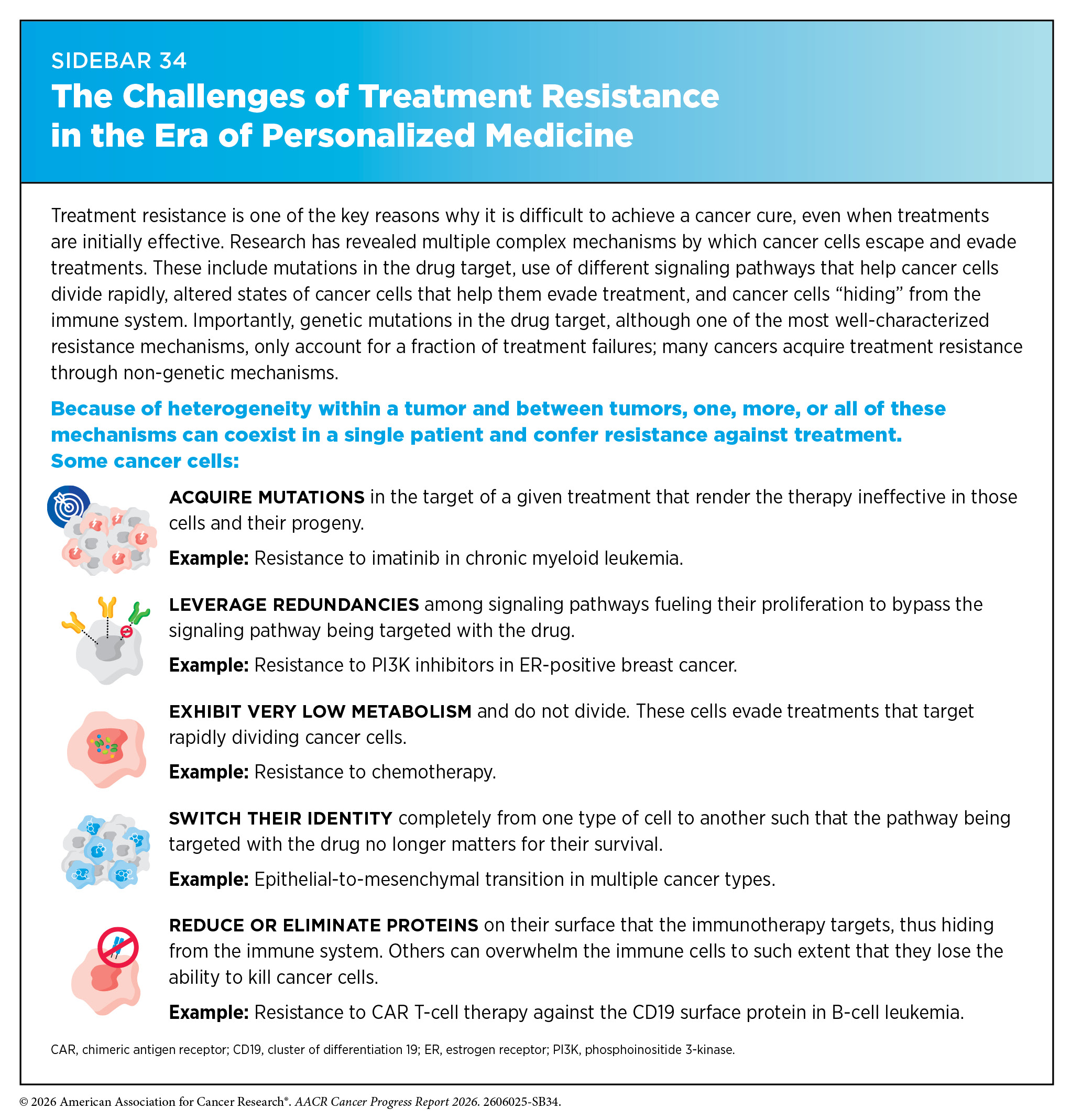
One of the greatest challenges in cancer treatment is that most cancers eventually become resistant to therapy, limiting the long-term benefit of chemotherapy, molecularly targeted therapy, and immunotherapy. In fact, treatment resistance (see Sidebar 34) is one of the most elusive questions in cancer science and medicine and contributes to the vast majority of deaths from advanced cancer. Resistance can occur through various mechanisms such as new genetic or epigenetic changes acquired by cancer cells, activation of alternative growth and survival pathways in cancer cells, treatment-induced damage repair in cancer cells, evasion of cell death by cancer cells, or adaptations through interactions with the surrounding tumor microenvironment (651)Vasan N, et al. (2019) Nature, 575: 299.(652)Tufail M, et al. (2024) iScience, 27: 109979.. These diverse and complex mechanisms vary across cancer types and therapies, making resistance difficult to predict and overcome. Advances in genomics, single-cell and spatial technologies, AI, and patient-derived tumor models are providing unprecedented insights into how resistance develops, enabling researchers to identify biomarkers of treatment response, discover new therapeutic targets, and design personalized combination therapies that anticipate and overcome resistance (653)Soragni A, et al. (2025) Nat Rev Cancer, 25: 613..
Highlighted in the following sections are FDA approvals of novel molecularly targeted therapeutics, as well as expanded approvals for previously approved therapeutics to treat new cancer types, that occurred during the 12 months covered in this report.
Advancing Targeted Approaches in Breast Cancer Care
Thanks to major advances in early detection and treatment, breast cancer death rates have declined significantly in the United States. Just in the past decade, FDA approved nearly 20 new molecularly targeted therapeutics and immunotherapeutics for the treatment of breast cancer. However, breast cancer still ranks as the second leading cause of cancer death in US women (654)American Cancer Society. Cancer Facts and Figures 2025. Accessed: June 30, 2026. . Furthermore, breast cancer incidence has been rising over the past two decades, including among women younger than 50 years, and the incidence of metastatic breast cancer has been rising since 2010 (1)NCI Surveillance, Epidemiology, and End Results Program. NCI SEER*Explorer. Accessed: June 30, 2026.(655)Avila J, et al. (2026) JAMA Netw Open, 9: e2612042.. Therefore, continued innovation and investments in newer and more effective treatments are needed to address the evolving burden of the disease.
For patients with breast cancer, treatment decisions are often guided by the presence or absence of three key biomarkers—estrogen and progesterone hormone receptors (HRs) and the HER2 protein—all of which can drive tumor growth. About 70 percent of breast cancers diagnosed in the United States are characterized as HR-positive/HER2-negative (1)NCI Surveillance, Epidemiology, and End Results Program. NCI SEER*Explorer. Accessed: June 30, 2026.. Treatment options for these patients include antihormone therapeutics, also called endocrine therapy, along with another class of molecularly targeted therapeutics known as cyclin-dependent kinase (CDK) 4/6 inhibitors. Endocrine therapy slows or stops the growth of HR-positive breast cancers in one of three ways: by reducing estrogen levels in the body (e.g., letrozole), blocking estrogen from binding to and activating cancer cells (e.g., tamoxifen), or eliminating the estrogen receptor that drives cancer growth (e.g., fulvestrant).
Unfortunately, most advanced HR-positive breast cancers that initially respond to endocrine therapy eventually progress because they have become treatment resistant (see Sidebar 34). A common mechanism of acquired resistance to endocrine therapy is the development of activating mutations in the ESR1 gene, which encodes the estrogen receptor protein, resulting in constitutive (estrogen-independent) activation of the estrogen receptor. Genetic mutations, including those in ESR1, occur in approximately 40 percent to 50 percent of patients who receive endocrine therapy and a CDK4/6 inhibitor for metastatic disease (656)Jhaveri KL, et al. (2025) N Engl J Med, 392: 1189..
Until recently, fulvestrant was the only FDA-approved endocrine therapy that worked by eliminating the estrogen receptor. However, it must be given by injection, which can be burdensome for some patients, and it also faces the challenge of becoming less effective as tumors acquire ESR1 mutations (657)Kirmani N, et al. (2026) Cancer Treat Rev, 143: 103093.. These challenges leave patients with limited treatment options and have driven the development of oral drugs that also destroy the mutated estrogen receptor and offer more effective and convenient treatments. In this regard, recent FDA decisions give new hope to certain patients with ESR1 mutations by providing them with two novel molecularly targeted treatment options with unique mechanisms of action.
In September 2025, FDA approved imlunestrant (Inluriyo) for adults with estrogen receptor–positive, HER2-negative, ESR1-mutated advanced or metastatic breast cancer whose disease has progressed following at least one endocrine therapy. FDA also approved the Guardant360 CDx assay as a companion diagnostic test to identify patients with ESR1 mutations who are eligible for imlunestrant treatment. Imlunestrant is the third FDA-approved drug that works by destroying the estrogen receptor and the second next-generation oral therapy of its kind, offering a new option for patients whose cancers have become resistant to earlier endocrine therapies due to ESR1 mutations. FDA approval was based on data from a phase III clinical trial in which patients who received imlunestrant lived longer before their cancer worsened compared to those receiving standard endocrine therapy (656)Jhaveri KL, et al. (2025) N Engl J Med, 392: 1189.. Ongoing research is investigating whether imlunestrant in combination with a CDK4/6 inhibitor can further improve outcomes for patients.
The other molecularly targeted therapeutic approved by FDA, vepdegestrant (Veppanu), belongs to a class of molecules known as proteolysis-targeting chimeras (PROTACs). PROTACs work by inducing targeted degradation of disease-causing proteins. These bifunctional small molecules consist of two protein-binding elements that are attached by a linker; one binds to the protein of interest (target) and the other recruits an E3 ubiquitin ligase, a key component of the cellular protein degradation machinery. By bringing the target close to the E3 ligase, PROTACs initiate breakdown and elimination of the target proteins.
Vepdegestrant is the first PROTAC to be approved by FDA and represents a major breakthrough in drug development. It was approved in May 2026 for adults with estrogen receptor–positive, HER2-negative, ESR1-mutated advanced or metastatic breast cancer that has progressed following at least one endocrine therapy. The Guardant360 CDx companion diagnostic test was approved to identify patients with ESR1 mutations eligible for treatment with vepdegestrant. FDA approval was based on data from a phase III clinical trial demonstrating that among patients with advanced breast cancer whose tumors were estrogen receptor–positive, HER2-negative, and carried ESR1 mutations, vepdegestrant delayed cancer growth for significantly longer than fulvestrant (658)Campone M, et al. (2025) N Engl J Med, 393: 556..
One class of molecularly targeted therapeutics that is rapidly emerging as a critical component of breast cancer treatment is antibody–drug conjugates (ADCs), which combine the precision of an antibody that specifically recognizes and binds to a target protein on cancer cells with the cancer-killing power of chemotherapy. Since the first ADC for breast cancer, ado-trastuzumab emtansine (Kadcyla), was approved in 2013, three additional ADCs—fam-trastuzumab deruxtecan-nxki (Enhertu) in 2019, sacituzumab govitecan-hziy (Trodelvy) in 2020, and datopotamab deruxtecan-dlnk (Datroway) in 2025—have expanded treatment options and are now used across multiple breast cancer subtypes, including in patients with advanced disease (659)Bili Newman A, et al. (2026) Cell Rep Med, 7: 102742.. Research is ongoing to develop more innovative ADCs that can recognize multiple cancer targets simultaneously including novel targets, deliver more sophisticated cancer-killing molecules including immune-stimulating molecules in addition to chemotherapies, and overcome treatment resistance, offering the promise of more effective and personalized therapies for patients with breast cancer (659)Bili Newman A, et al. (2026) Cell Rep Med, 7: 102742.(660)Valle I, et al. (2025) NPJ Breast Cancer, 11: 102..
Matching Therapies to the Molecular Drivers of Lung Cancer
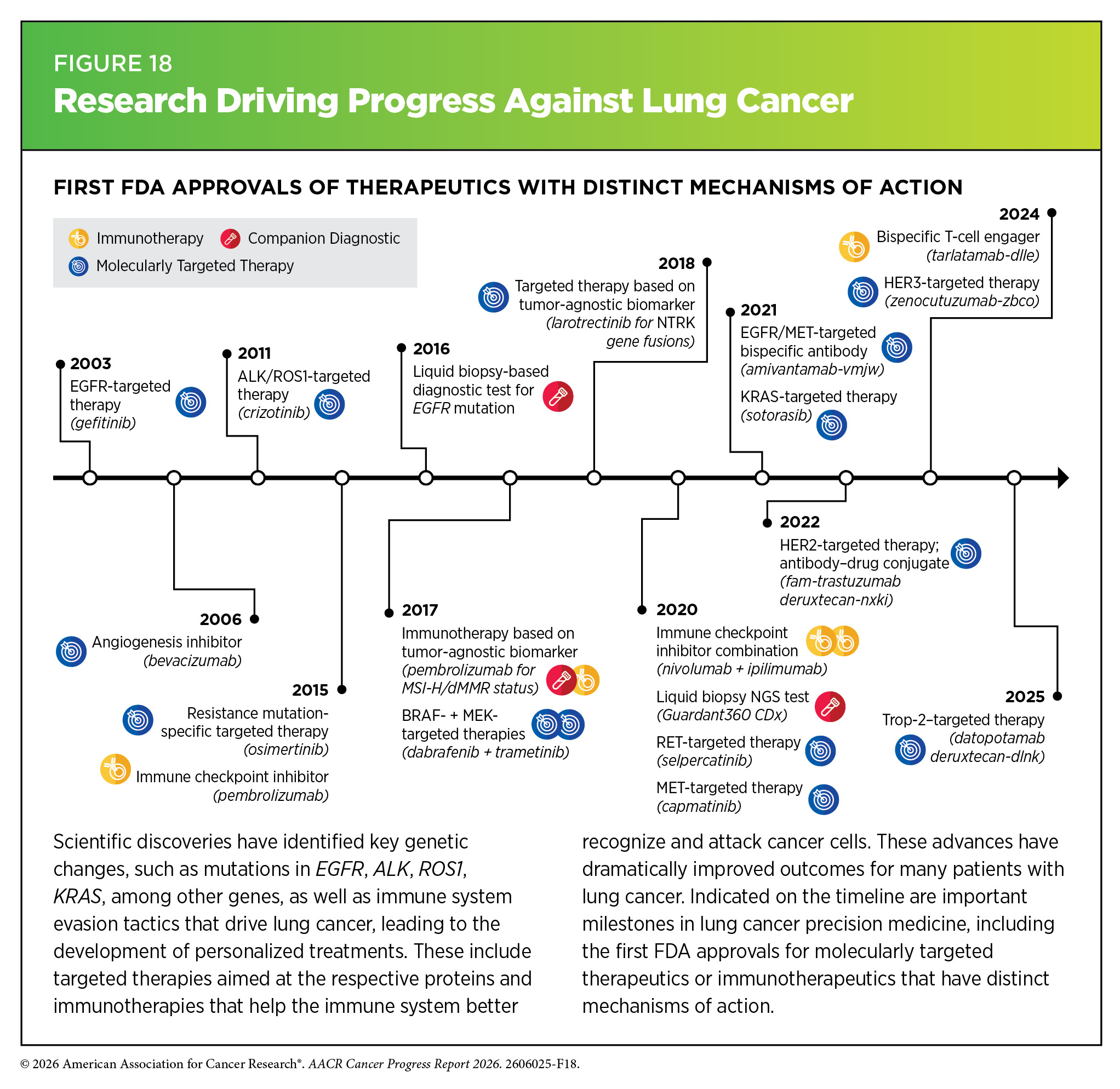
Lung cancer is the leading cause of cancer deaths in the United States. An estimated 229,410 new cases will be diagnosed, and 124,990 people will die from the disease in 2026 (2)Siegel RL, et al. (2026) CA Cancer J Clin, 76: e70043.. More than 80 percent of lung cancers diagnosed in the United States are classified as NSCLC. Research over the past several decades has significantly increased our understanding of the genetic drivers of lung cancer, which has led to the development of precision medicine directed at many of these alterations. In fact, lung cancer has served as a model for precision medicine (see Figure 18). Over the past two decades, successive discoveries of genomic alterations, including in EGFR, ALK, ROS1, BRAF, RET, MET, KRAS, and NTRK genes, and development of molecularly targeted treatments that block the function of the mutated proteins have transformed treatment from a one-size-fits-all approach to one in which therapy is increasingly guided by the unique molecular features of each patient’s tumor. Thanks to these breakthroughs in treatment, as well as improved prevention and earlier detection, the decline in lung cancer death rates has accelerated in the past decade.
Three new molecularly targeted therapeutics approved by FDA during the 12 months covered in this report provide additional treatment options for patients with NSCLC, helping more patients receive therapies tailored to the specific characteristics of their tumors. Two of the new treatments, zongertinib (Hernexeos) and sevabertinib (Hyrnuo), were approved for adults with advanced NSCLC whose tumors have certain mutations in the HER2 gene. HER2 mutations are found in approximately 2 percent to 4 percent of NSCLC cases (661)Heymach JV, et al. (2025) N Engl J Med, 392: 2321.. This subtype of NSCLC has a higher incidence of brain metastases than those without HER2 mutations or with other gene mutations. Although one FDA-approved HER2-targeted therapy was already available for NSCLC patients (223)American Association for Cancer Research. AACR Cancer Progress Report 2023. Accessed: June 30, 2026., it may cause serious side effects. Other therapeutic options for these patients include drugs that target multiple related proteins and have limited benefit but substantial toxicities, underscoring the need for more effective and better-tolerated therapies.
In August 2025, FDA approved zongertinib, a new targeted treatment option taken orally, for patients with unresectable or metastatic NSCLC such as James Gregory (Greg) Cisneros whose tumors have HER2 alterations known as tyrosine kinase domain activating mutations and who have previously received systemic treatment. FDA also approved a companion diagnostic, the Oncomine Dx Target Test to help identify eligible patients. The approval was based on findings from a phase I clinical trial in which zongertinib shrank tumors in more than 70 percent of patients who had received prior chemotherapy but not a HER2-targeted therapy and in more than 40 percent of patients who had also received prior HER2-targeted therapy, with many responses lasting at least 6 months (661)Heymach JV, et al. (2025) N Engl J Med, 392: 2321.(662)US Food and Drug Administration. FDA grants accelerated approval to zongertinib for non-squamous NSCLC with HER2 TKD activating mutations. Accessed: June 30, 2026.. On the basis of additional data, FDA expanded the approval in February 2026 to include patients who had not yet received systemic therapy for advanced NSCLC (663)US Food and Drug Administration. FDA grants accelerated approval to zongertinib for unresectable or metastatic non-squamous non-small cell lung cancer. Accessed: June 30, 2026.(664)Heymach JV, et al. (2026) N Engl J Med, 394: 1675..
In November 2025, FDA approved another molecularly targeted therapeutic, sevabertinib (Hyrnuo), for adults with locally advanced or metastatic NSCLC whose tumors have HER2 tyrosine kinase domain activating mutations and who have received prior systemic therapy. The Oncomine Dx Target Test was approved as a companion diagnostic. Sevabertinib is an oral treatment that blocks the activity of altered EGFR and HER2 proteins, both of which can drive the growth of NSCLCs. FDA approval was based on findings from a phase I/II clinical trial in which sevabertinib shrank tumors in more than 70 percent of patients who had received prior chemotherapy but not a HER2-targeted therapy and in nearly 40 percent of patients who had also received prior HER2-targeted therapy, with many responses lasting at least 6 months (665)US Food and Drug Administration. FDA grants accelerated approval to sevabertinib for non-squamous non-small cell lung cancer. Accessed: June 30, 2026.(666)Le X, et al. (2025) N Engl J Med, 393: 1819..
About 2 percent to 3 percent of patients with NSCLC harbor alterations in the EGFR gene known as exon 20 insertion. These patients do not respond well to traditional EGFR-targeted therapeutics, such as osimertinib (Tagrisso), and generally have a poor prognosis (639)Zhou C, et al. (2026) N Engl J Med.. While a molecularly targeted treatment regimen comprising the bispecific antibody amivantamab (630)American Association for Cancer Research. AACR Cancer Progress Report 2021. Accessed: June 30, 2026. combined with chemotherapy is effective for these patients, it requires intravenous infusions, highlighting the need for more convenient and chemotherapy-free oral treatment options. Sunvozertinib (Zegfrovy) is an oral targeted therapy that works against EGFR exon 20 insertion mutations, including many different forms of these mutations. In July 2025, it was approved by FDA for adults with locally advanced or metastatic NSCLC with EGFR exon 20 insertion mutations whose disease had progressed during or after chemotherapy treatment. FDA also approved the Oncomine Dx Express Test as a companion diagnostic.
FDA’s decision was based on the results of a phase II clinical trial in which tumors shrank or disappeared in more than 45 percent of patients who received sunvozertinib (667)US Food and Drug Administration. FDA grants accelerated approval to sunvozertinib for metastatic non-small cell lung cancer with EGFR exon 20 insertion mutations. Accessed: June 30, 2026.(668)Yang JC, et al. (2025) J Clin Oncol, 43: 3198.. Emerging data indicate that results with sunvozertinib are superior to those of chemotherapy even for patients who have not received any prior treatments, suggesting potential efficacy of the therapeutic in a broader patient population (639)Zhou C, et al. (2026) N Engl J Med..
Targeting a New Vulnerability in Ovarian Cancer
Ovarian cancer that is resistant to platinum-based chemotherapy is a leading cause of gynecologic cancer–related mortality worldwide (669)Lorusso D, et al. (2026) The Lancet, 407: 1513.. Treatment options for these patients are limited and comprise a different class of chemotherapeutic with or without targeted therapeutics, depending on tumor characteristics. Glucocorticoids are a class of hormones that regulate cellular metabolism, immune responses, and stress responses in the body. They work by attaching to proteins called glucocorticoid receptors, which are present in cells throughout the body. Glucocorticoid receptors are also highly expressed in ovarian cancer cells and provide survival signals to these cells, leading to tumor growth and reduced sensitivity to chemotherapy (669)Lorusso D, et al. (2026) The Lancet, 407: 1513..
Relacorilant (Lifyorli) is a novel, the first of its kind, molecularly targeted therapeutic that selectively blocks glucocorticoid receptor function and glucocorticoid-induced survival signals, thereby increasing sensitivity of tumors to chemotherapy. In March 2026, FDA approved relacorilant in combination with chemotherapy for the treatment of adults with platinum-resistant epithelial ovarian, fallopian tube, or primary peritoneal cancer who have received prior systemic treatment regimens, at least one of which included the molecularly targeted therapeutic bevacizumab. FDA’s decision was guided by results from a phase III clinical trial in which patients who received relacorilant along with chemotherapy experienced longer survival compared to those who received chemotherapy alone (669)Lorusso D, et al. (2026) The Lancet, 407: 1513..
Increasing Precision in the Treatment of Prostate Cancer
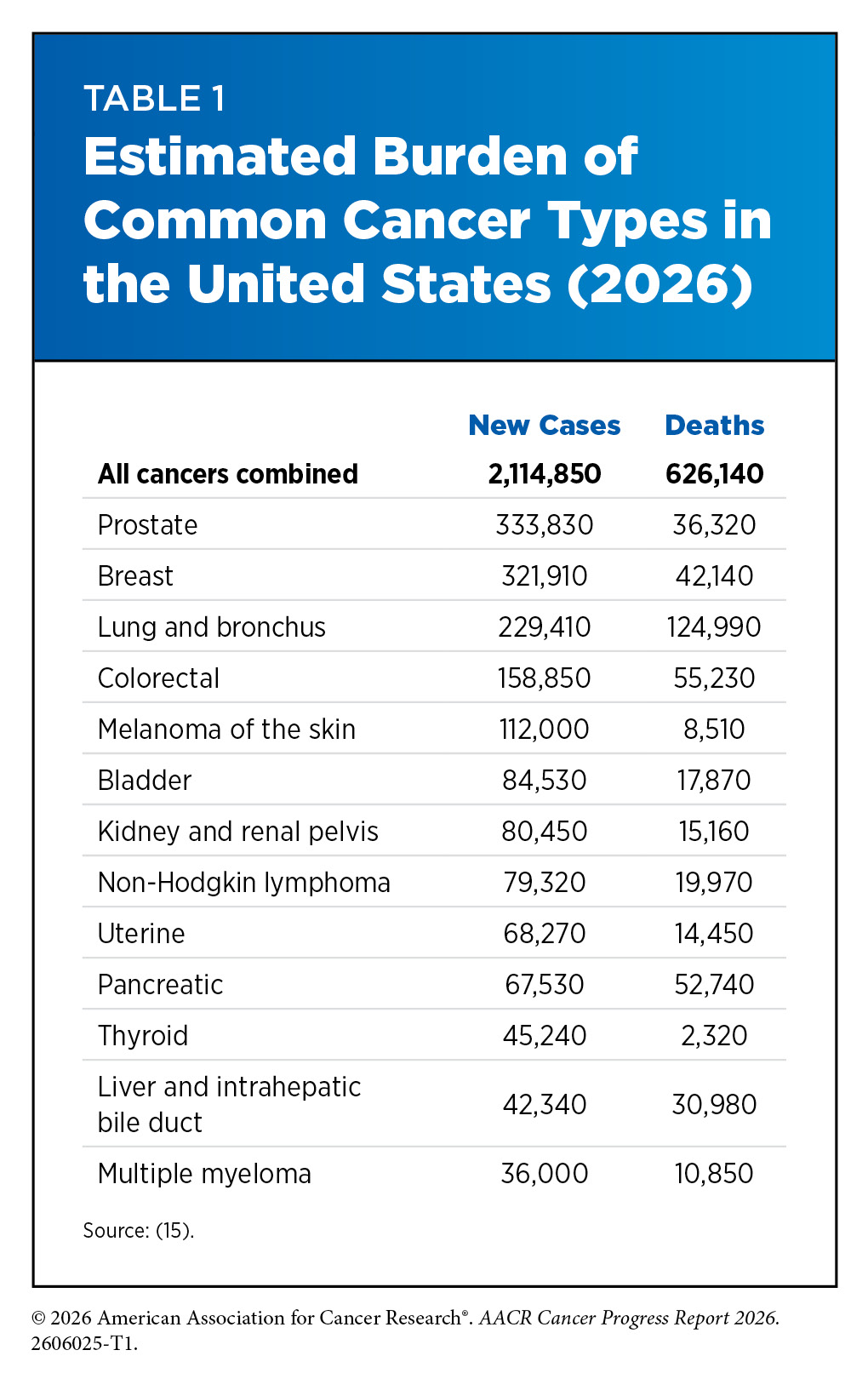
Prostate cancer is the most commonly diagnosed cancer among men living in the United States (2)Siegel RL, et al. (2026) CA Cancer J Clin, 76: e70043.. In 2026 alone, more than 333,000 men are expected to be newly diagnosed with the disease (see Table 1). Most prostate cancers are initially driven by male hormones called androgens and respond to treatments that block these hormones, but many eventually become resistant and continue to grow. A signaling pathway that is vital for driving cell multiplication and survival, and involves PI3K, AKT, and PTEN proteins, is overactivated in many cancers, including prostate cancer. Research has shown that inactivation of the PTEN gene is associated with faster disease progression and poorer outcomes in patients with advanced prostate cancer that has stopped responding to hormone therapy. One reason why prostate cancers with PTEN inactivation are more difficult to treat is that PTEN deficiency leads to the activation of a growth-promoting pathway involving PI3K and AKT, which drive tumor growth. Growing evidence suggests that deficiencies in PTEN also drive the progression of advanced prostate cancer that still responds to hormone therapy (670)Fizazi K, et al. (2026) Ann Oncol, 37: 53..
Capivasertib (Truqap), first approved by FDA in 2023 for certain breast cancer patients, was the first molecularly targeted therapeutic that works by blocking the function of AKT. In June 2026, FDA expanded the approval of capivasertib for adults with metastatic hormone therapy–sensitive prostate cancer that is PTEN-deficient as detected by an FDA-authorized test. FDA also approved the VENTANA PTEN RxDx Assay as a companion diagnostic text to identify patients with PTEN-deficient prostate cancer eligible for treatment with capivasertib. The approval of capivasertib was based on a phase III clinical trial in which adding capivasertib to standard treatment delayed the growth and spread of PTEN-deficient advanced prostate cancer by more than 7 months compared to standard treatment alone (670)Fizazi K, et al. (2026) Ann Oncol, 37: 53..
Personalizing Treatments for Patients With Rare Cancers
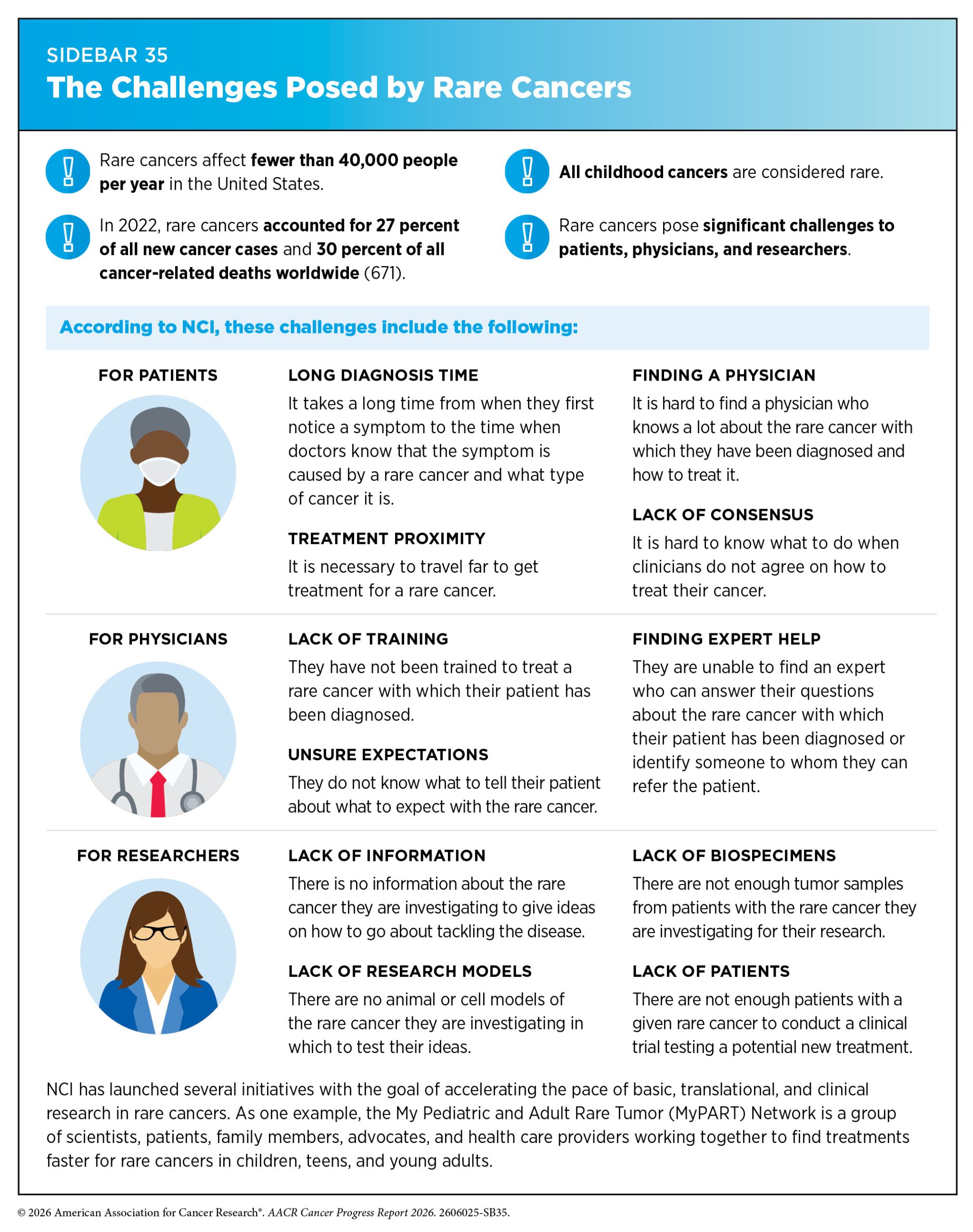
Rare cancers are defined by NCI as cancers that occur in fewer than 15 out of 100,000 people each year. Most blood cancers and all childhood cancers are considered rare cancers. Due to their low incidence, rare cancers can be challenging for researchers to study and for physicians to treat (see Sidebar 35). During the 12 months covered by this report, FDA approved a number of molecularly targeted therapeutics and immunotherapeutics for treating rare cancers, bringing the promise of precision medicine to patients who often have fewer treatment options.
Cholangiocarcinoma, or bile duct cancer, is a rare cancer that grows in the small tubes called bile ducts, which carry bile, a fluid that helps with digestion. According to NCI, in the United States, cholangiocarcinoma affects about 8,000 people per year. Cholangiocarcinomas carrying genetic alterations known as neuregulin 1 (NRG1) gene fusion are extremely rare but can be life-threatening.
In less than 1 percent of all solid tumors, structural variations (see Sidebar 7) in the NRG1 gene can lead to the formation of NRG1 fusion proteins that contribute to cancer growth. NRG1 fusion proteins activate growth signals in cancer cells by binding to a cell surface protein called HER3, which then pairs with HER2, another cell surface protein involved in cell growth. The formation of the HER2/HER3 complex sets off a signaling cascade that promotes tumor development. As a result, targeting HER2 and HER3 has emerged as a promising treatment strategy for patients with NRG1 fusion–positive cancers, regardless of where the cancer originates in the body. As reported in the AACR Cancer Progress Report 2025, zenocutuzumab-zbco (Bizengri) was the first HER3-targeted therapeutic approved by FDA. It was approved for patients with NSCLC or pancreatic cancer harboring an NRG1 gene fusion (513)American Association for Cancer Research. AACR Cancer Progress Report 2025. Accessed: June 30, 2026..
In May 2026, FDA expanded the approval of zenocutuzumab-zbco for treating adults with advanced, unresectable or metastatic cholangiocarcinoma harboring an NRG1 fusion who experienced disease progression on or after prior systemic therapy. The approval was based on data from a phase II clinical trial in which tumors shrank or disappeared in nearly 37 percent of patients after treatment with zenocutuzumab-zbco (672)US Food and Drug Administration. FDA approves zenocutuzumab-zbco for advanced, unresectable or metastatic cholangiocarcinoma. Accessed: June 30, 2026..
Personalizing Treatments for Pediatric and Young Adult Patients With Rare Brain Tumors
Brain and other nervous system tumors are the second most diagnosed cancer in children. Diffuse midline gliomas (DMGs) are rare, fast-growing, highly aggressive cancers arising in the brain or spinal cord and have a dismal prognosis. Children with diffuse intrinsic pontine glioma (DIPG), a form of DMG, only survive about 12 months after diagnosis (673)Kim HJ, et al. (2023) Cancer Res Treat, 55: 41.. Researchers are exploring new and improved therapeutic options for patients with DMG.
DMGs with the H3K27M mutation mostly affect pediatric and young adult patients. The H3K27M mutation is a change in a protein called histone H3, which helps package DNA and control how genes are switched on and off (see Epigenetic Changes). DMGs with the H3K27M mutation typically occur in critical areas of the brain such as the brainstem or thalamus, where surgery is not possible, and standard treatment with radiation has limited benefits.
Despite many clinical trials, no treatments have improved survival, and most patients live only 11 to 15 months after diagnosis (674)Venneti S, et al. (2023) Cancer Discov, 13: 2370.. Therefore, FDA approval of dordaviprone (Modeyso) in August 2025 offered new hope for patients facing this devastating disease such as Benjamin (Ben) Stein-Lobovits. Dordaviprone works by targeting two important proteins involved in certain brain tumors. First, it blocks dopamine receptors, which are proteins on the surface of brain cells that normally respond to the chemical messenger dopamine in the brain. In some aggressive brain cancers, these receptors are overactive and help tumors grow. Second, dordaviprone activates the protein caseinolytic protease P inside mitochondria, the organelles that provide energy to cells. By activating this protein, dordaviprone disrupts the mitochondrial function, causing stress that leads to cancer cell death. This combined effect helps slow tumor growth.
FDA granted approval to dordaviprone for adults and children age 1 year and older with DMG that has the H3K27M mutation and has worsened after earlier treatment. This is the first approval of a systemic therapy for DMG, marking an important milestone for patients who previously had no effective options. The approval was based on data from five clinical studies showing that about 20 percent of patients responded to the treatment (674)Venneti S, et al. (2023) Cancer Discov, 13: 2370.(675)Arrillaga-Romany I, et al. (2024) J Clin Oncol, 42: 1542.. Among those who responded, 73 percent experienced benefits lasting at least 6 months, and 27 percent had benefits lasting a year or longer.
Researchers are also examining immunotherapies such as T-cell therapies including chimeric antigen receptor (CAR) T cells (see Boosting the Cancer-killing Power of Immune Cells) and T cells targeting tumor proteins called tumor-associated antigens (TAAs) in some children and young adults diagnosed with DIPG (163)Monje M, et al. (2025) Nat Cancer, 6: 1928.(676)Majzner RG, et al. (2022) Nature, 603: 934.(677)Gomez S, et al. (2026) Nat Med, 32: 2481.. The CAR T cells—which in this case target the tumor-associated GD2 glycolipid (a lipid molecule attached to a carbohydrate molecule) on the surface of DIPG cells—are administered in small doses and infused directly into the brain. Findings from recent studies evaluating GD2–CAR-T cells and T cells targeting the TAAs PRAME, WT1, and Survivin reported positive outcomes including a complete response, reductions in tumor size, and improvements in cancer-related symptoms.
Bringing the Promise of Precision Medicine to Blood Cancers
Cancers that arise in blood-forming tissues, such as the bone marrow, or in cells of the immune system, are called blood cancers, or hematologic cancers. In the 12 months covered by this report, FDA has made numerous decisions that are transforming the lives of patients with a wide array of hematologic cancers.
Acute myeloid leukemia (AML) is the second most commonly diagnosed leukemia in the United States, with 22,720 new cases anticipated in 2026 (2)Siegel RL, et al. (2026) CA Cancer J Clin, 76: e70043.. AML has only 33 percent overall 5-year relative survival rate (1)NCI Surveillance, Epidemiology, and End Results Program. NCI SEER*Explorer. Accessed: June 30, 2026.. Research has substantially increased our understanding of the biology of AML, in particular the different types of genetic mutations that promote AML development. This knowledge is fueling the emergence of molecularly targeted therapeutics for defined groups of patients with the disease.
Structural variations, also known as rearrangements, in the KMT2A gene are observed in up to 80 percent of cases of infant acute lymphoblastic leukemia (ALL) and in 5 percent to 15 percent of children and adults with acute leukemia, including cases that originate in myeloid or lymphoid cells, or a mix of both (678)Issa GC, et al. (2023) Nature, 615: 920.. The KMT2A gene, formerly known as MLL1, encodes the KMT2A protein, which plays a critical role in normal blood cell development by regulating gene expression through epigenetic mechanisms.
KMT2A rearrangements disrupt normal cell development by causing blood cells to revert to an immature state, preventing them from forming functional blood cells. The result is the formation of leukemia cells instead of mature blood cells. This disruptive process is driven by the interaction of KMT2A with another protein called menin (679)Yokoyama A, et al. (2005) Cell, 123: 207.. Together, menin and KMT2A form a complex that binds to DNA in the cell’s nucleus and triggers harmful genetic programs that lead to leukemia. Acute leukemia with KMT2A rearrangements is associated with treatment resistance and poor prognosis (680)Issa GC, et al. (2025) J Clin Oncol, 43: 75.. In addition to KMT2A rearrangements, mutations in the NPM1 gene, which is detected in up to 30 percent of adult AML cases, also depend on menin to promote leukemia development (681)Kuhn MW, et al. (2016) Cancer Discov, 6: 1166.(682)Issa GC, et al. (2021) Leukemia, 35: 2482..
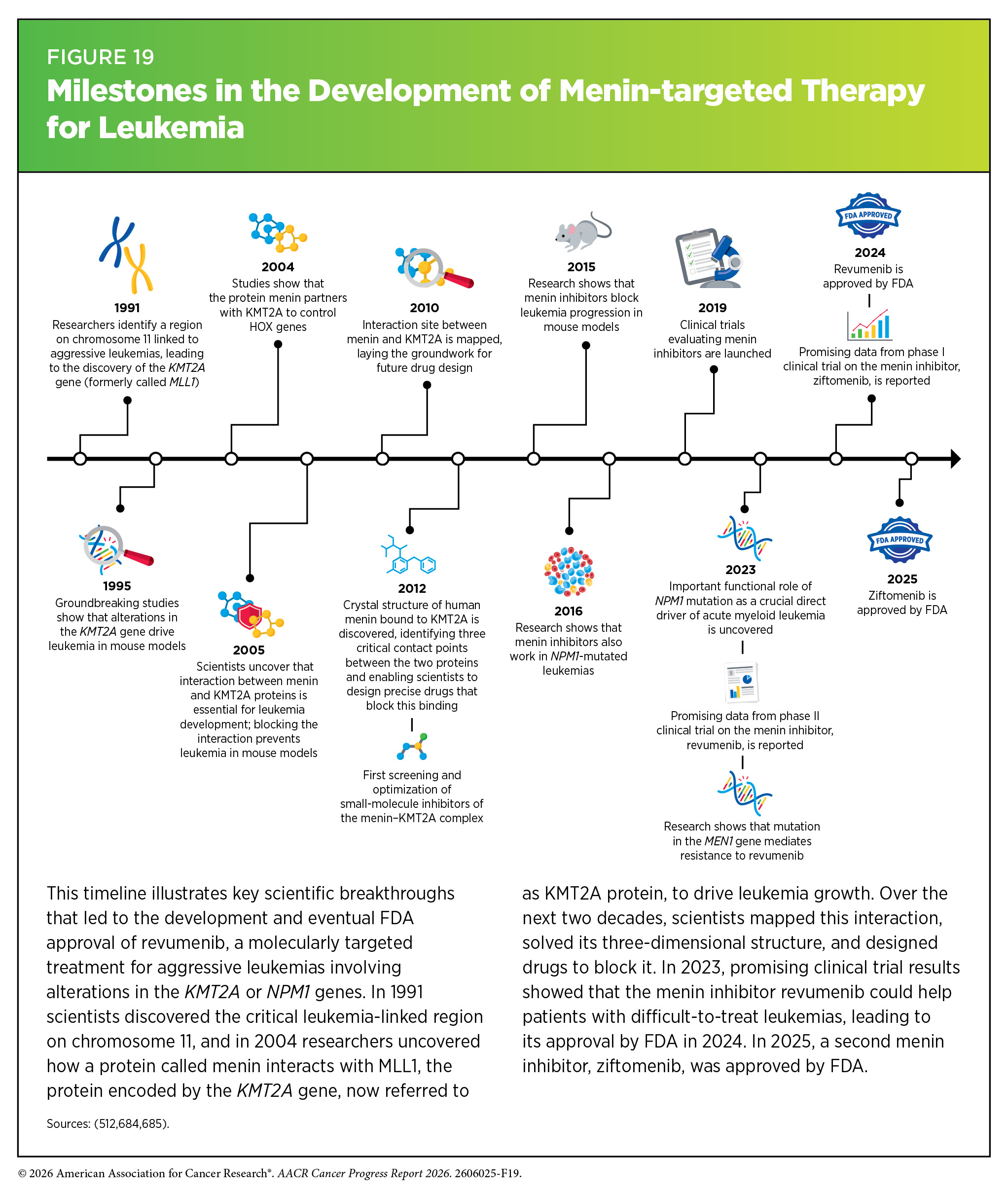
These discoveries led to the development of menin-targeted therapies (683)Garber K (2024) Nat Rev Drug Discov, 23: 567., culminating in the November 2024 FDA approval of revumenib (Revuforj), the first menin inhibitor, for adult and pediatric patients 1 year and older with leukemia (see Figure 19). In October 2025, FDA expanded the use of revumenib for relapsed or refractory AML with a susceptible NPM1 mutation. During the 12 months covered by this report, FDA further expanded its armamentarium of AML therapies by approving ziftomenib (Komzifti), a second menin inhibitor, for adults with relapsed or refractory AML with a susceptible NPM1 mutation who have no satisfactory alternative treatment options.
Like revumenib, ziftomenib works by blocking the interaction between menin and KMT2A. By binding to menin, it prevents the menin–KMT2A complex from attaching to DNA, thereby halting the abnormal genetic programs that fuel leukemia. As a result, leukemia cells either are driven to mature into healthy blood cells or are eliminated. FDA approval in November 2025 was based on a phase II clinical trial in which more than 21 percent of patients experienced complete remission (cancer no longer detectable in the bone marrow, number of healthy blood cells returned to normal levels) or complete remission with partial recovery of their blood counts (cancer no longer detectable in the bone marrow, partial recovery of the number of healthy blood cells) (686)Wang ES, et al. (2025) Journal of Clinical Oncology, 43: 3381.. Research is ongoing to evaluate the efficacy of ziftomenib in combination with other molecularly targeted therapeutics or chemotherapeutics (687)Wang ES, et al. (2026) Blood..
Blastic plasmacytoid dendritic cell neoplasm (BPDCN) is a rare type of blood cancer that is highly aggressive. Although many patients respond to treatment with a combination of cytotoxic chemotherapeutics, this treatment strategy ultimately fails to control the disease, leading to poor survival. The protein CD123 is an attractive therapeutic target for BPDCN, given its high level of expression on these cancer cells. In May 2026, FDA approved pivekimab sunirine-pvzy (Decnupaz), a CD123-directed ADC, for adults with BPDCN.
ADCs are a class of molecularly targeted therapeutics that consist of three main components: an antibody that specifically recognizes and binds to a target protein found mostly on the cancer cell surface; a linker that connects the antibody to a chemotherapeutic; and a highly potent chemotherapeutic agent often referred to as a payload. The linker in an ADC is designed to be stable in the bloodstream. Once the ADC attaches to its target on the surface of a cancer cell, it is internalized by the cell. This leads to the cleavage of the linker and the release of the cytotoxic chemotherapeutic from the antibody. Once free, the chemotherapeutic causes cancer cell death. The precision of antibody targeting reduces the side effects of the chemotherapeutic compared to traditional systemic delivery.
Pivekimab sunirine-pvzy is designed to deliver a cancer-killing drug directly to BPDCN cells by targeting CD123 on their surface. FDA approval was based on a phase I/II clinical trial in which nearly 70 percent of patients with previously untreated BPDCN who received pivekimab sunirine-pvzy had a complete response (defined as disappearance of disease at each site of initial disease) or a clinical complete response (defined as a complete response with residual skin abnormality not indicative of active disease) (688)Pemmaraju N, et al. (2026) J Clin Oncol, 44: 861.. Among patients who had received prior therapies, including a previously approved CD123-targeted treatment, tagraxofusp-erzs (Elzonris) (689)American Association for Cancer Research. AACR Cancer Progress Report 2019. Accessed: June 30, 2026., nearly 16 percent achieved a complete response or clinical complete response, indicating that pivekimab sunirine-pvzy may be effective even in some patients who have developed resistance to tagraxofusp-erzs and may have limited treatment options.
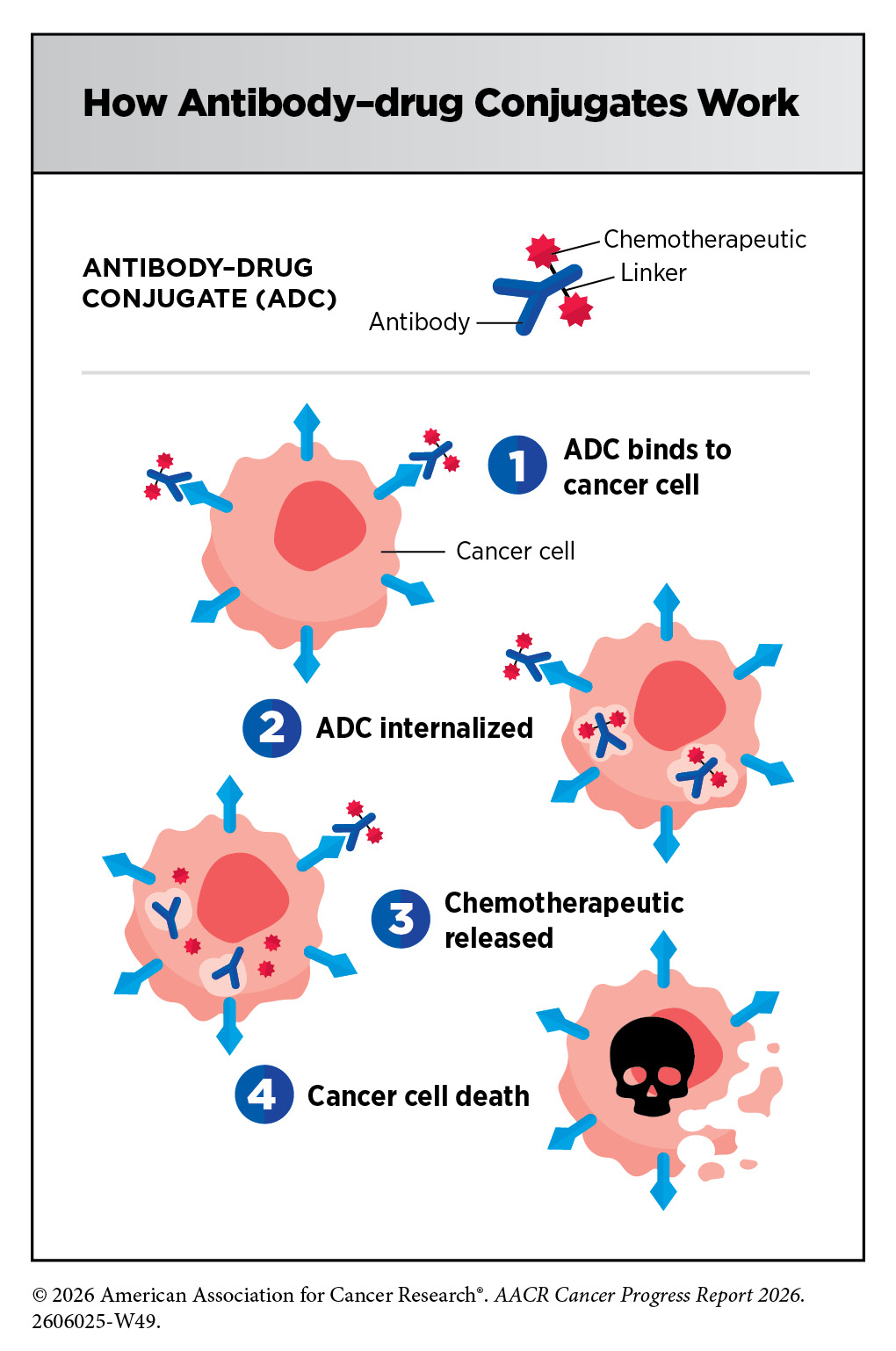
Non-Hodgkin lymphoma (NHL) is the most common type of blood cancer, with over 80 subtypes. Some common forms include diffuse large B-cell lymphoma, which is the most aggressive and diagnosed subtype (about 30 percent to 35 percent of NHL cases); follicular lymphoma, which is slow-growing and makes up about 20 percent to 25 percent of NHL cases; and mantle cell lymphoma (MCL), which is relatively less common (about 5 percent to 7 percent of NHL cases) but highly aggressive (513)American Association for Cancer Research. AACR Cancer Progress Report 2025. Accessed: June 30, 2026.. Over the past decade, an expanding number of molecularly targeted therapies and immunotherapies have become available for patients with NHL, including those with MCL, leading to notable gains in response rates and durability of remission (513)American Association for Cancer Research. AACR Cancer Progress Report 2025. Accessed: June 30, 2026..
Despite these advances, MCL often returns after current treatments. Although molecularly targeted therapeutics known as BTK inhibitors have improved outcomes for many patients, treatment options are limited once the disease stops responding to these therapies and if patients are not eligible for immunotherapy. Therefore, FDA approval of sonrotoclax (Beqalzi) in May 2026 for adults with relapsed or refractory MCL who have received at least two lines of systemic therapy, including a BTK inhibitor, offers a new treatment option for these patients.
Sonrotoclax belongs to a class of anticancer therapeutics called BCL-2 inhibitors. BCL-2 is a protein that promotes cell survival by preventing cells from undergoing a natural self-destruction process called apoptosis. Many cancer cells often express elevated levels of BCL-2, and by blocking this protein, sonrotoclax triggers the cells to die by apoptosis. FDA approval was based on phase I/II clinical trial results showing that sonrotoclax reduced or eliminated signs of MCL in more than half of patients who had treatment-resistant disease or relapsed, and these responses lasted a median of nearly 16 months (690)US Food and Drug Administration. FDA grants accelerated approval to sonrotoclax for relapsed or refractory mantle cell lymphoma. Accessed: June 30, 2026..
Sonrotoclax is the second BCL-2 inhibitor approved by FDA. The first in this class, venetoclax (Venclexta), was approved in 2016 for the treatment of certain patients with chronic lymphocytic leukemia. While venetoclax has helped many patients with blood cancers, some eventually become resistant to the drug. Research has shown that sonrotoclax can be effective against cancer cells that had become resistant to venetoclax, including those with a common resistance mutation known as G101V (691)Liu J, et al. (2024) Blood, 143: 1825..
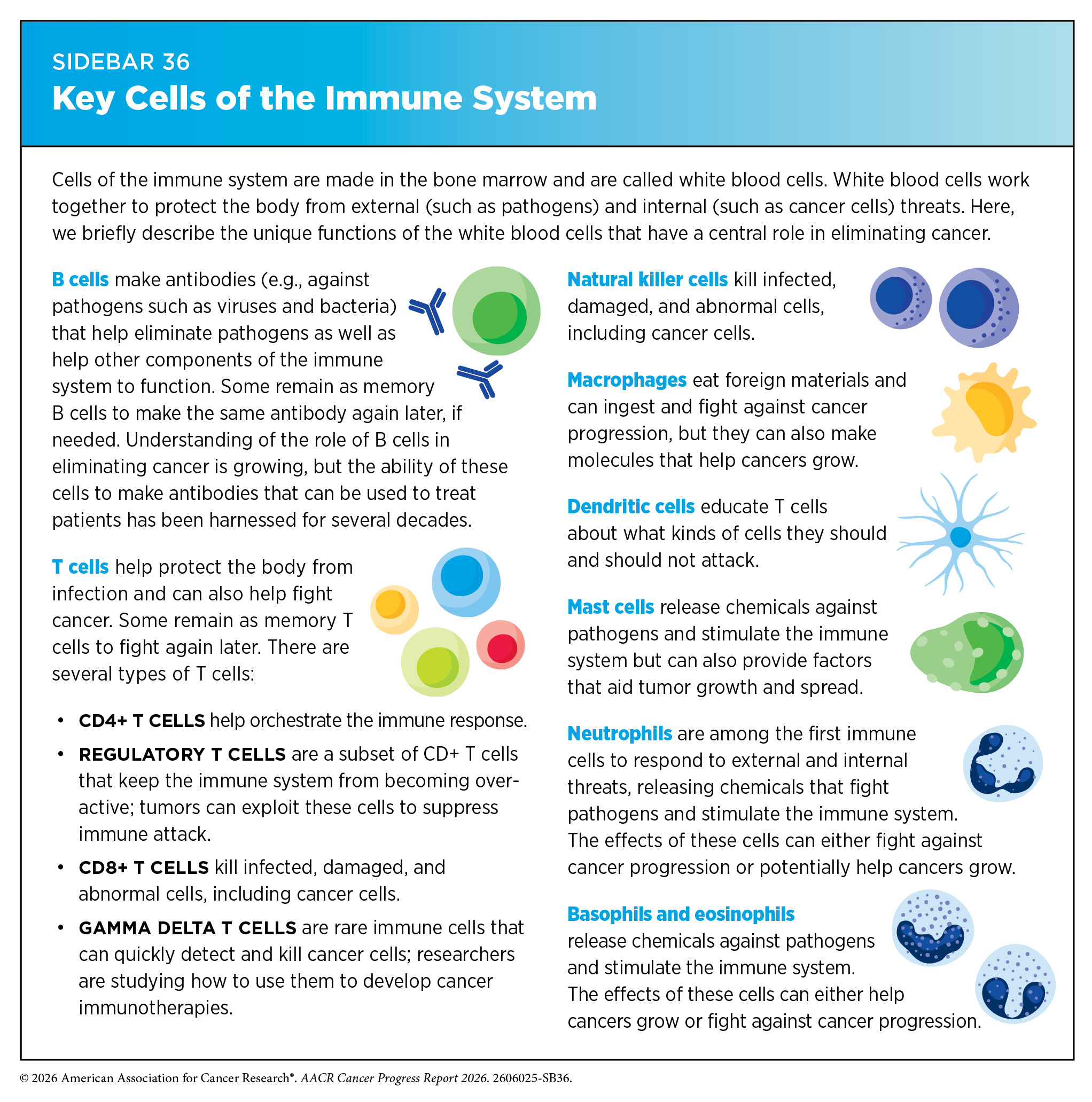
Advances in Treatment With Immunotherapeutics
The immune system is a complex network of cells (called white blood cells) (see Sidebar 36), tissues (e.g., bone marrow), organs (e.g., thymus), and the substances they make that help the body fight infections and other diseases, including cancer. The immune system actively monitors threats from external (such as viruses and bacteria) and internal sources (such as abnormal or damaged cells) and works to eliminate them from the body.
The immune system is highly effective in detecting and eliminating cancer cells, a process also known as cancer immune surveillance (692)Hiam-Galvez KJ, et al. (2021) Nat Rev Cancer, 21: 345.. However, as cancer cells acquire new properties during the course of cancer development (see Understanding the Path to Cancer Development), some cells find ways to “hide” from the immune system, such as by decreasing or eliminating the numbers and/or amounts of proteins on the surface of tumor cells that are used by the immune system to recognize cancer cells; triggering certain brakes on immune cells that prevent them from eradicating cancer cells; and releasing molecules that weaken the ability of immune cells to detect and destroy cancer cells (693)Mishra AK, et al. (2022) Diseases, 10: 60.. The field of cancer immunology is focused on better understanding how tumor cells evade the immune system and leveraging this knowledge to develop novel cancer treatments.
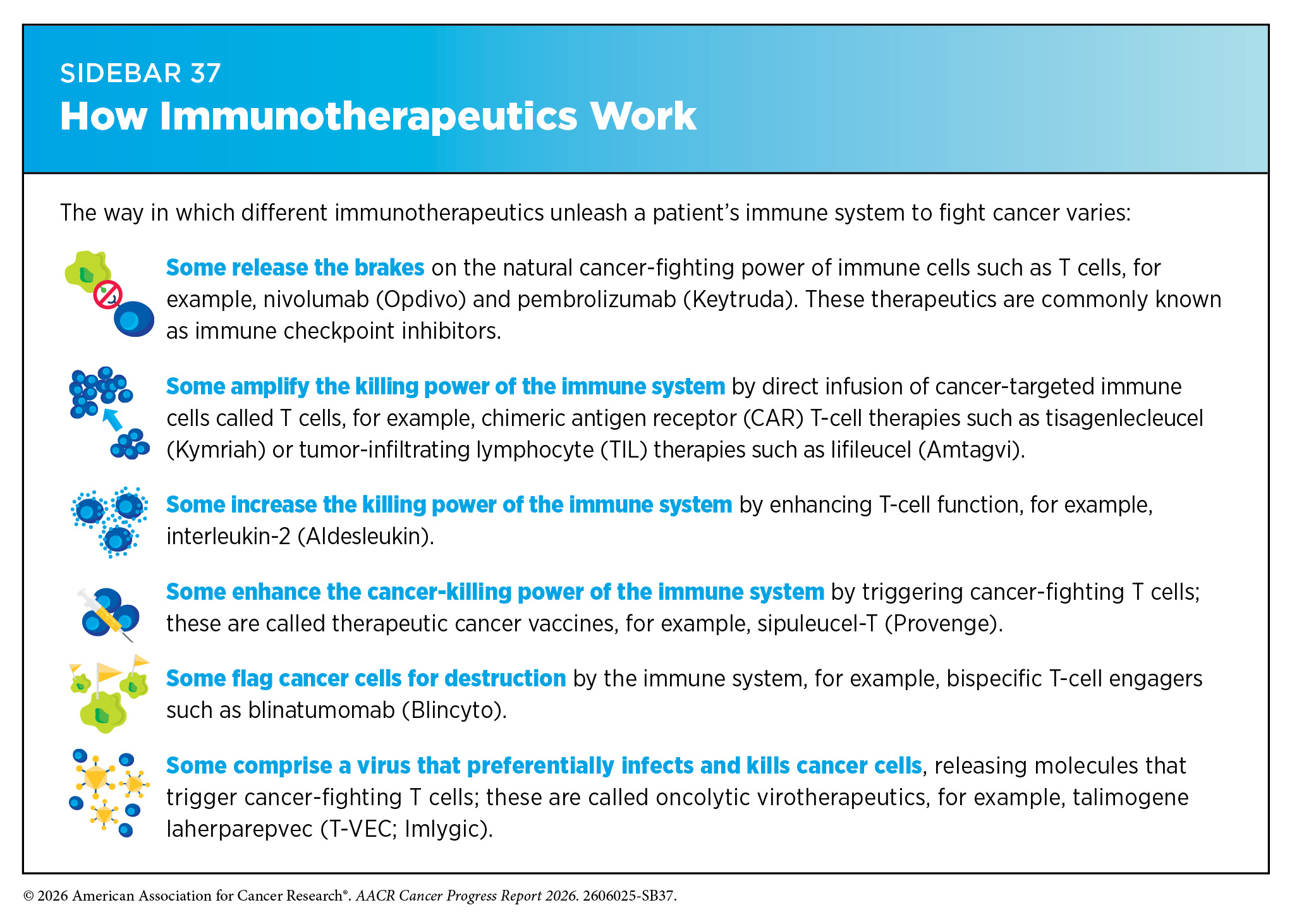
Unprecedented advances in cancer immunology over the past two decades have firmly established immunotherapy as the fifth pillar of cancer medicine (694)Kaufmann SHE (2019) Front Immunol, 10: 684.. Cancer immunotherapy refers to any treatment that works by using the immune system to fight cancer. In various ways the different immunotherapeutics unleash the immune system to fight cancer (see Sidebar 37).
Releasing the Brakes on the Immune System
Decades of research have revealed that some tumor cells have increased levels of certain proteins on their surface that attach to and activate “brakes” on T cells, thus stopping them from attacking cancer cells. These brakes are proteins on the surface of T cells and are called immune checkpoint proteins. Immune checkpoint inhibitors (ICIs) are a class of transformative new therapeutics that block the checkpoint proteins and can thereby release the brakes on T cells, which trigger previously restrained T cells to attack and destroy cancer cells (695)Marin-Acevedo JA, et al. (2021) J Hematol Oncol, 14: 45..
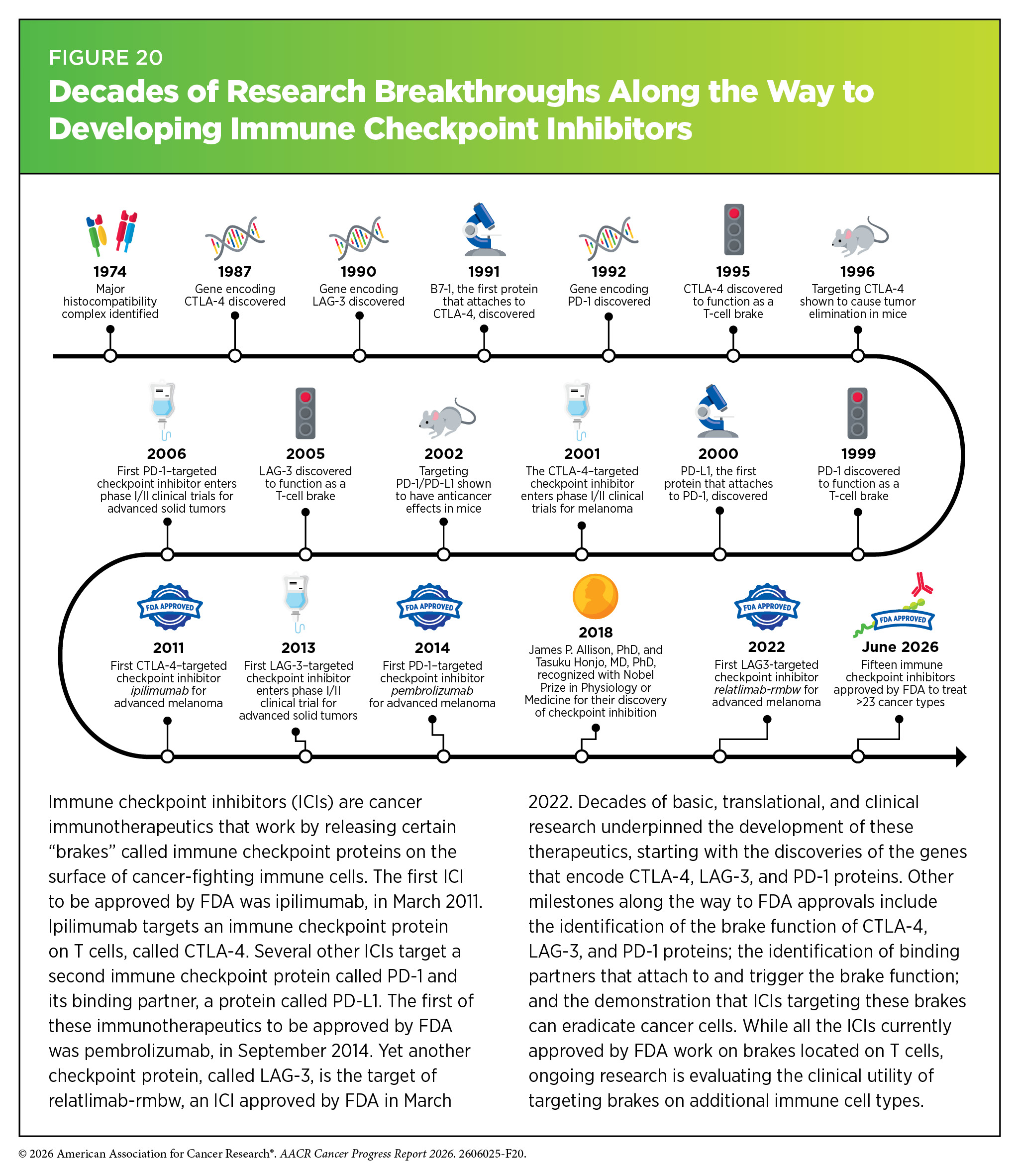
The first ICI approved by FDA was ipilimumab (Yervoy) in 2011, which blocks the checkpoint protein CTLA-4 and was authorized for treating metastatic melanoma (see Figure 20). This was followed in 2014 by the approval of two additional ICIs—nivolumab (Opdivo) and pembrolizumab (Keytruda)—which target a different checkpoint protein, PD-1. These agents work by preventing PD-1 from binding to its partner protein, PD-L1, on cancer cells, thereby lifting the immune system’s brakes. Both were also initially approved for metastatic melanoma. In 2016, a fourth ICI, atezolizumab (Tecentriq), which targets PD-L1 directly, was approved for certain types of bladder cancer.
The fourth immune checkpoint protein to be targeted by an FDA-approved therapy is LAG-3. In March 2022, FDA approved relatlimab-rmbw, the first and, so far, only ICI that targets LAG-3, for use in combination with nivolumab (as Opdualag) in patients with metastatic melanoma. While additional ICIs have been approved since then, relatlimab-rmbw represents the most recent example of an ICI targeting a novel immune checkpoint pathway.
Over the past decade, the use of ICIs has expanded rapidly, and these therapeutics are currently considered among the most exciting approaches to cancer treatment. This is in part because some patients with metastatic cancers who have been treated with these therapeutics have had remarkable and durable responses. For example, long-term results from a clinical trial testing the ICI pembrolizumab in patients with advanced NSCLC showed that 23 percent of patients lived 5 or more years after the treatment, which stands in stark contrast to the historically low 5-year relative survival rate for these patients of just about 5 percent (696)Garon EB, et al. (2019) Journal of Clinical Oncology, 37: 2518..
Another clinical trial that monitored patients with advanced melanoma for at least 7.5 years showed that half of the patients treated with the combination of nivolumab and ipilimumab lived at least 6 years (697)Wolchok JD, et al. (2025) N Engl J Med, 392: 11.. Before ipilimumab was approved in 2011, most patients lived less than a year. Building on these advances, researchers are now studying which ICIs offer the best long-term outcomes and whether single drugs used alone or combinations like nivolumab plus ipilimumab lead to better survival and fewer side effects over time (697)Wolchok JD, et al. (2025) N Engl J Med, 392: 11.(698)Long GV, et al. (2025) J Clin Oncol, 43: 938..
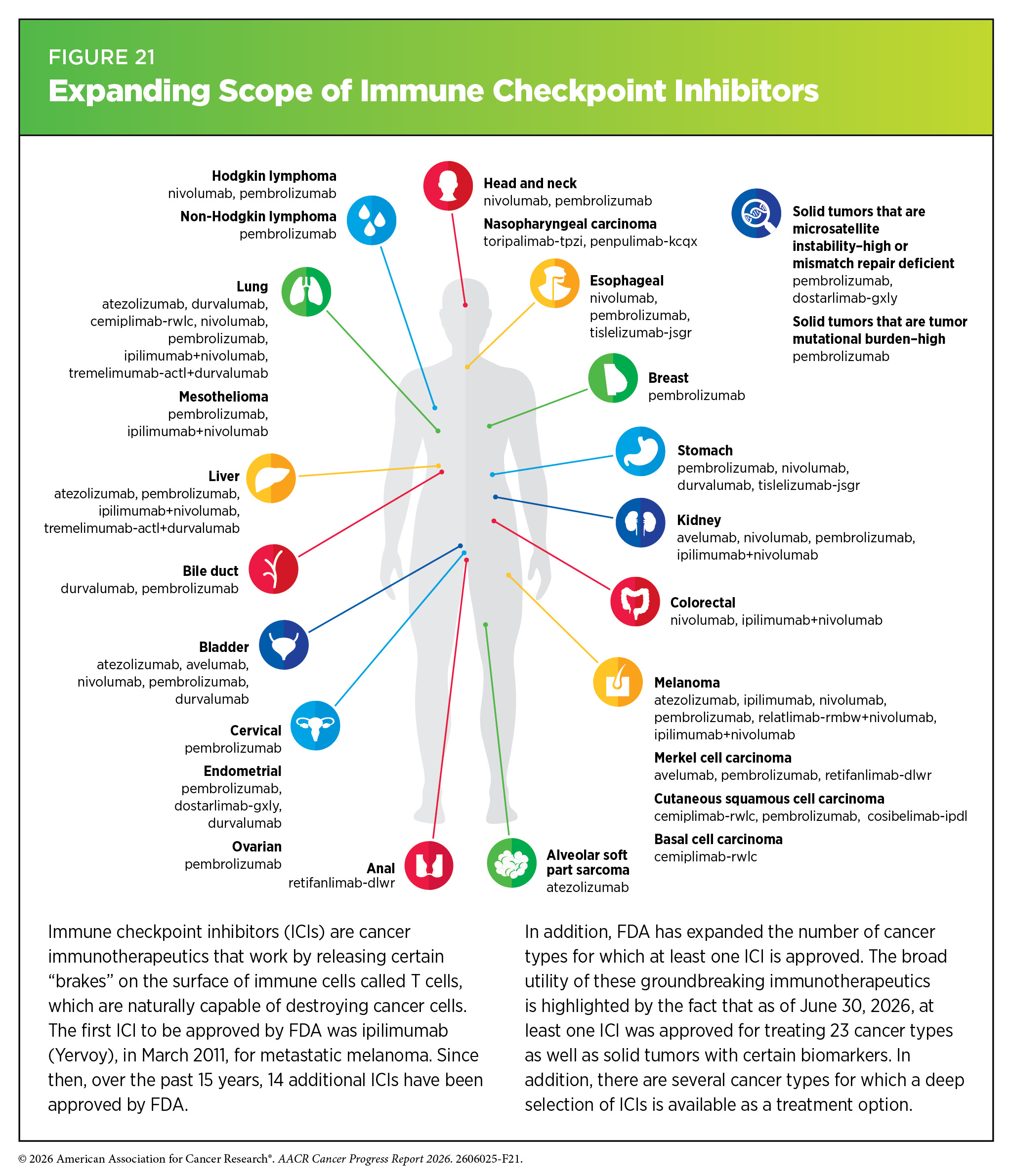
During the 12 months spanning this report, FDA expanded the uses of two previously approved ICIs, durvalumab (Imfinzi) and pembrolizumab (Keytruda), to include additional cancer types. With these latest approvals the total number of ICIs approved by FDA has reached 15 as of June 30, 2026. These groundbreaking treatments are now approved for treating 23 cancer types as well as any type of solid tumor characterized by the presence of certain molecular characteristics (see Figure 21).
Patients with recurrent ovarian cancer that no longer responds to platinum-based chemotherapy have poor outcomes despite currently available treatments. Although ICIs have transformed the treatment of many advanced cancers, no such therapy had previously been approved for ovarian cancer. This changed in February 2026, when FDA approved pembrolizumab, in combination with chemotherapy with or without the molecularly targeted therapy bevacizumab (Avastin), for patients with PD-L1–positive platinum-resistant ovarian, fallopian tube, or primary peritoneal cancer. FDA also approved the PD-L1 IHC 22C3 pharmDx test as a companion diagnostic device to identify patients whose tumors express PD-L1 protein and are eligible for treatment with pembrolizumab. FDA approval was based on data from a phase III clinical trial in which pembrolizumab combined with standard treatment significantly delayed disease progression and improved overall survival (699)US Food and Drug Administration. FDA approves pembrolizumab with paclitaxel for platinum-resistant epithelial ovarian, fallopian tube, or primary peritoneal carcinoma. Accessed: June 30, 2026.(700)Colombo N, et al. (2026) Lancet, 407: 1525..
In addition to the new approval highlighted above, FDA also expanded the use of pembrolizumab during the reporting period by approving it for earlier lines of therapy and in combination with other treatments for several cancer types. For example, FDA expanded the use of pembrolizumab by approving new combination therapy regimens with molecularly targeted therapeutics that were already individually approved for the same cancer type, including with the ADC sacituzumab govitecan-hziy (Trodelvy) for advanced triple-negative breast cancer and with belzutifan (Welireg) for high-risk kidney cancer.
The second FDA decision that expanded the use of an ICI for a new cancer type was the November 2025 approval of durvalumab with chemotherapy as neoadjuvant and adjuvant treatment, followed by durvalumab alone, for adults with resectable stomach cancer or gastroesophageal junction (GEJ) adenocarcinoma.
Stomach and GEJ cancers are among the leading causes of cancer-related death worldwide. For patients whose cancer can be removed surgically, treatment typically includes chemotherapy before and after surgery to reduce the risk of the cancer returning. However, many patients still experience disease recurrence. Although several ICIs are already approved for advanced or metastatic stomach and GEJ cancers, treatment options in the earlier, neoadjuvant setting have been limited until the approval of durvalumab. FDA’s decision was based on a phase III clinical trial in which patients who received durvalumab with standard chemotherapy before and after surgery were less likely to have their cancer return or worsen, lived longer, and were more likely to have no detectable cancer remaining at the time of surgery than those who received chemotherapy alone (701)US Food and Drug Administration. FDA approves durvalumab for resectable gastric or gastroesophageal junction adenocarcinoma. Accessed: June 30, 2026.(702)Janjigian YY, et al. (2025) N Engl J Med, 393: 217..
ICIs have yielded extraordinary benefits for many patients. However, they can also have adverse effects, particularly the induction of immune-related adverse events. According to a new analysis, greater than 56 percent of patients treated with ICIs developed immune-related adverse events within a year, of which nearly 8 percent required hospitalization (703)Wang Y, et al. (2025) NPJ Precis Oncol, 9: 346.. Patients with comorbidities such as a history of heart attack, heart failure, and kidney disease were at an increased risk. Immune-related adverse events occur because activated immune cells unleashed by ICIs not only attack cancer cells but can also target and injure healthy tissue. To predict which patients are likely to experience serious adverse events and design interventions to combat these events without compromising the anticancer efficacy of ICIs, researchers must better understand why and how adverse events arise (704)Braun LM, et al. (2025) Trends Cancer, 11: 1058.(705)Nielsen DL, et al. (2024) JAMA Oncol, 10: 1390.(706)Ruiz-Esteves KN, et al. (2024) JAMA Oncol, 10: 1409..
One promising approach being evaluated is the use of liquid biopsies (e.g., ctDNA, circulating tumor cells, or circulating proteins in blood) to detect early signs of immune-related tissue damage, which could help identify patients who are developing serious side effects from ICIs before they become clinically apparent (707)Wang Y, et al. (2025) N Engl J Med, 393: 2377.. Changes in ctDNA concentrations across solid tumors can also predict survival outcomes for patients receiving ICI treatment (708)Taieb J, et al. (2025) JAMA Oncol, 11: 874.(709)Garralda E, et al. (2026) Clinical Cancer Research, 32: 333.. Additionally, researchers have identified a population of tumor-fighting immune cells in the bloodstream that may serve as a blood-based biomarker for predicting which patients are most likely to benefit from ICIs (710)Ito K, et al. (2026) Nat Commun, 17.. Furthermore, by analyzing thousands of proteins in blood samples from patients with advanced melanoma, researchers have identified potential biomarkers that could help predict response or resistance to immunotherapy and better tailor treatment to individual patients (711)Wright SJ, et al. (2026) Nat Commun..
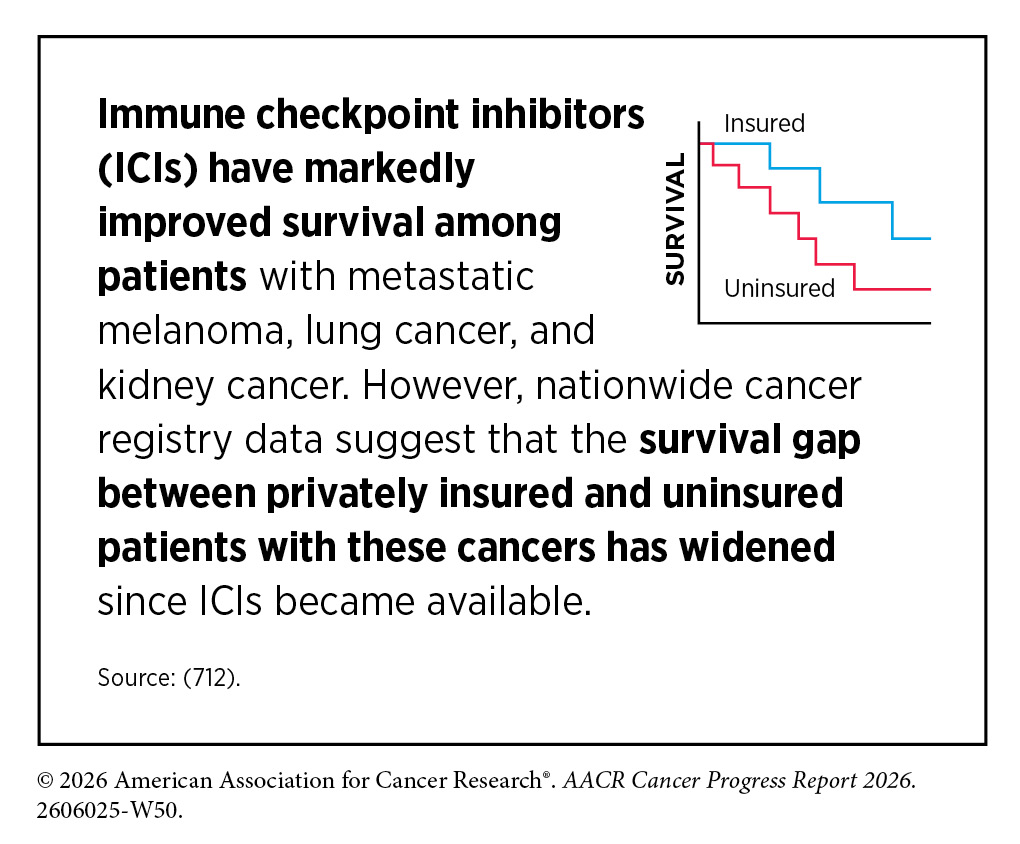
While ICIs have been transformative for many cancers, only 20 percent of patients respond to these treatments (713)Haslam A, et al. (2025) Int J Cancer, 156: 2352.. Identifying cellular and molecular biomarkers that can predict whether ICIs are likely to work in a patient is an area of extensive research investigation (714)Sanjari Moghaddam A, et al. (2025) npj Breast Cancer, 12: 10.(715)Aung TN, et al. (2025) Nature Genetics, 57: 2482.(716)Dai Y, et al. (2025) Nature, 644: 537.. For example, a novel approach that analyzes the spatial organization of tumor and immune cells within the NSCLC tumor microenvironment (see Understanding the Path to Cancer Development) enabled researchers to make a more accurate prediction of which patients are likely to benefit from ICIs than current biomarkers (715)Aung TN, et al. (2025) Nature Genetics, 57: 2482.. Another study identified mutations in the PPP2R1A gene as a promising biomarker of response to immunotherapy, finding that patients whose tumors carried these mutations lived longer and responded better to treatment across multiple cancer types (716)Dai Y, et al. (2025) Nature, 644: 537.. Biomarkers can also help identify patients unlikely to benefit from ICI therapy, sparing them from unnecessary side effects, high treatment costs, and delays in receiving more effective alternatives.
Another important area of scientific inquiry is to identify behavioral and clinical factors, such as diet, physical activity, gut microbiome composition, duration and route of delivery of ICI treatment, and optimal combinations with other therapeutic modalities that can boost the efficacy of ICIs and increase the number of patients who respond favorably to these lifesaving treatments. Many patients with cancer receive medications to combat concomitant health conditions, some of which may have immunomodulating properties. Understanding the impact of common over-the-counter medications on ICI response and associated immune-related adverse events is an area on ongoing research (717)DeVito N, et al. (2026) J Clin Oncol, 44: 529.(718)Stone S, et al. (2026) Nature Reviews Cancer, 26: 137.. Interestingly, recent studies have found that COVID-19 mRNA vaccination may enhance the effectiveness of immune checkpoint inhibitors by stimulating antitumor immune responses, resulting in improved survival among patients with several types of cancer (719)Grippin AJ, et al. (2025) Nature, 647: 488.(720)Heudel P-E, et al. (2026) European Journal of Cancer, 241.. However, more recent analyses suggest that the apparent survival benefit may be due to differences in the health and health care between vaccinated and unvaccinated patients rather than the vaccine itself, underscoring the need for further research to determine whether COVID-19 vaccination truly improves ICI effectiveness (721)Jee J, et al. (2026) Cancer Discov..
Increasing evidence is showing that the gut microbiome—bacteria, viruses, and all other microorganisms that live in the digestive system (see Microbiome)—can impact response as well as adverse events related to ICIs (722)Thu MS, et al. (2026) Sci Rep, 16.(723)Schneider SM, et al. (2026) Nat Rev Cancer, 26: 480.. Researchers are examining how the microbiome enhances the effectiveness of ICIs and are exploring strategies to either mimic these effects through therapies or by modifying the microbiome using probiotics, antibiotics, or fecal transplants. In this regard, three recent clinical studies demonstrated that fecal microbiome transplantation can enhance the response to ICIs among patients with lung cancer, kidney cancer, and melanoma who were receiving these immunotherapeutics as single agents or in combination as their initial treatments (724)Pal SK, et al. (2026) Nat Med, 32: 1196.. The data indicated that the benefits of fecal transplant were driven primarily by depletion of harmful microorganisms and the remodeling of the recipient microbial ecosystem. Another study demonstrated that exercise may improve responses to ICIs by altering the gut microbiome and increasing production of microbial metabolites that stimulate antitumor immune cells (725)Phelps CM, et al. (2025) Cell, 188: 5680..
Boosting the Cancer-killing Power of Immune Cells
Research has shown that immune cells, such as T cells, are naturally capable of destroying cancer cells. It has also shown that in patients with cancer, often the numbers of cancer-killing T cells are insufficient, and that the cancer-killing T cells that are present are unable to find or destroy the cancer cells for one of several reasons. This knowledge has led researchers to identify several ways to boost the ability of T cells to eliminate cancer cells.
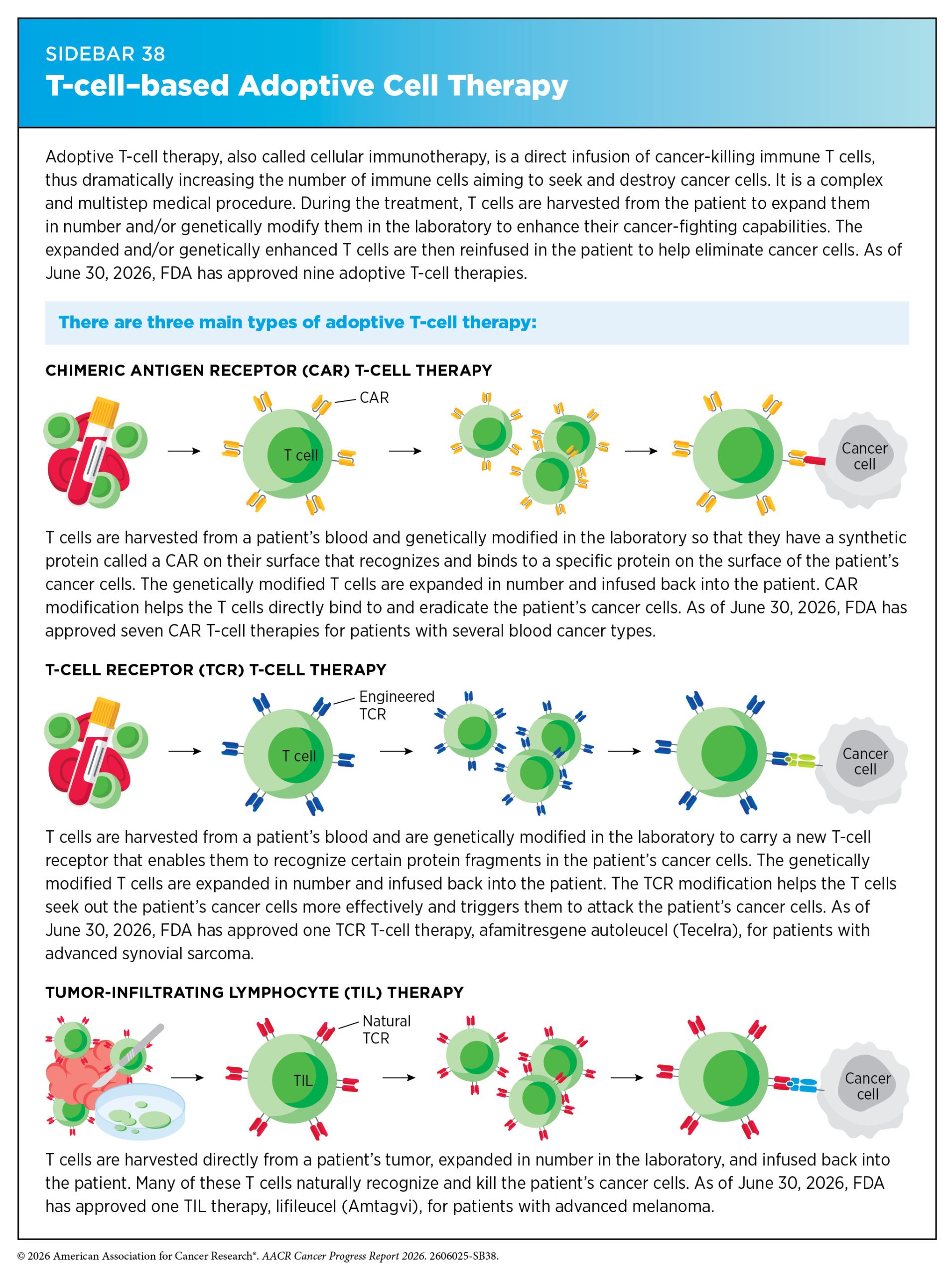
Adoptive cell therapy (ACT), also called cellular immunotherapy, is designed to dramatically increase the number of cancer-killing immune cells a patient has, thereby boosting the immune system’s ability to seek and destroy cancer cells (726)Rohaan MW, et al. (2019) Virchows Arch, 474: 449.. While many of the ACTs currently in late-stage clinical development, and all that are approved by FDA, utilize patient-derived T cells, ongoing research is looking to harness the cancer-killing power of other types of immune cells, including natural killer (NK) cells and macrophages (see Sidebar 38).
CAR T-cell therapy is one type of ACT that has generated enormous excitement in recent years. Like ICIs, CAR T-cell therapy is the culmination of decades of basic, translational, and clinical research utilizing knowledge of the cellular and molecular components of the immune system, genetic engineering, and the biological underpinnings of blood cancers. It works by collecting a patient’s own immune cells (T cells) and genetically modifying them to produce a special receptor, called a CAR, on their surface. This receptor enables the T cells to recognize and attack cancer cells. After being multiplied into millions in the laboratory, these engineered cells are infused back into the patient to target and destroy the cancer.
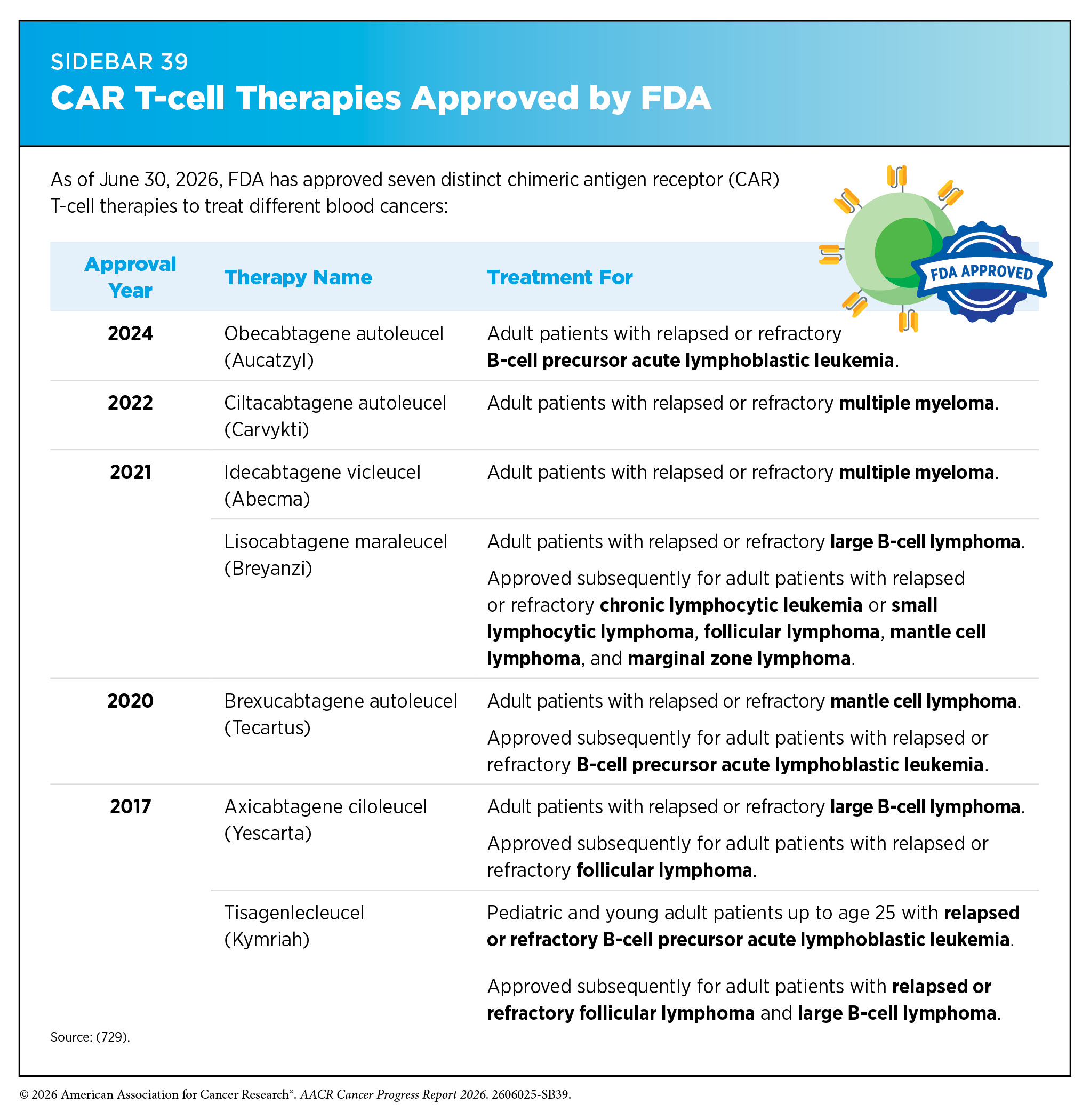
Treatment with CAR T cells has demonstrated unprecedented efficacy in certain patients with very advanced leukemia, lymphoma, and multiple myeloma. As of June 30, 2026, seven CAR T-cell therapies have been approved by FDA for treating a range of blood cancers (see Sidebar 39). During the 12 months covered in the report, FDA expanded the use of lisocabtagene maraleucel (Breyanzi) for adults with relapsed or refractory marginal zone lymphoma who have received at least two prior lines of systemic therapy.
Marginal zone lymphomas are the third most common type of NHL arising from B cells, after diffuse large B-cell lymphoma and follicular lymphoma. Effective treatments that result in deep and long-term responses for relapsed or refractory marginal zone lymphoma are lacking, making the approval of lisocabtagene maraleucel a major advance against the disease. FDA approval in December 2025 was based on a phase II clinical trial in which more than 80 percent of patients responded to the CAR T-cell therapy, with more than half of patients showing no detectable signs of disease after treatment (727)US Food and Drug Administration. FDA approves lisocabtagene maraleucel for relapsed or refractory marginal zone lymphoma. Accessed: June 30, 2026.(728)Palomba ML, et al. (2026) Lancet, 407: 963..
CAR T-cell therapies can cause significant side effects, some of which, such as cytokine release syndrome, a condition characterized by excessive immune activation leading to organ toxicity, and immune effector cell–associated neurotoxicity syndrome, a neurologic condition leading to confusion, speech difficulties, and seizures, can be life-threatening. As more CAR T-cell therapies are approved for additional cancer types, researchers are identifying previously unrecognized toxicities beyond the well-known early side effects, highlighting the need for long-term monitoring and improved strategies to prevent and manage these complications (730)Rejeski K, et al. (2025) Nat Med, 31: 2132.. One area of investigation is to identify biomarkers that can predict response to CAR T cells as well as potential side effects (731)Chen GM, et al. (2026) Nat Biomed Eng, 10: 803.(732)Mulvey A, et al. (2025) Nat Rev Drug Discov, 24: 379.. Other strategies being explored include the development of therapeutic interventions to manage adverse effects and engineering next-generation CAR T cells, such as those with safety switches that can be turned off in real time to fine-tune CAR T-cell activation and reduce toxicity (732)Mulvey A, et al. (2025) Nat Rev Drug Discov, 24: 379.(733)Scheller L, et al. (2026) Nat Chem Biol..
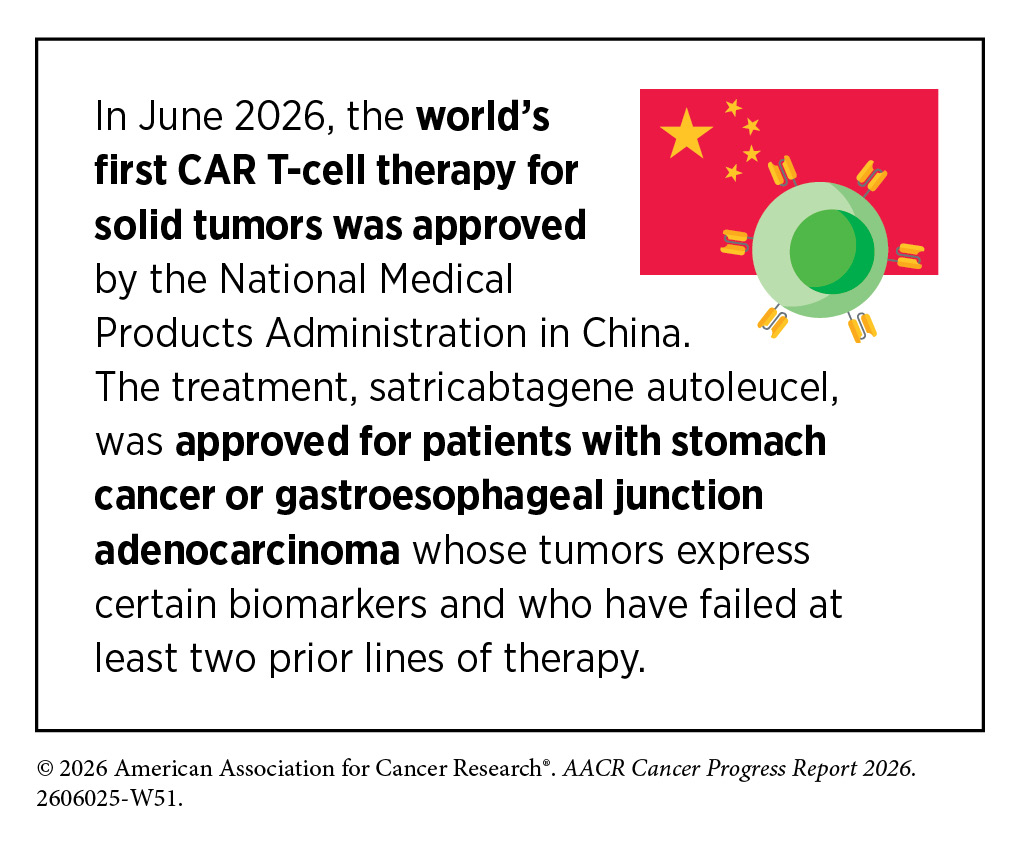
Efforts are also underway to develop CAR T-cell therapies against solid tumors, but several challenges must be overcome. These challenges include identifying tumor-specific cell surface proteins that are present in the tumor but absent in healthy tissue, infiltration of CAR T cells to the inside of solid tumors, and the immunosuppressive nature of the tumor microenvironment. Advances in tissue bioengineering, cell biology, and microfluidics are allowing researchers to develop innovative models that closely mimic human tumors, providing a new tool to evaluate and optimize CAR T-cell therapies for solid cancers (734)Vunjak-Novakovic G (2026) Nat Biotechnol, 44: 907.. Emerging data are showing efficacy of CAR T-cell therapy in a number of solid tumors, including brain cancers, gastrointestinal cancers, and advanced neuroblastoma (735)Binder ZA, et al. (2026) Nat Rev Clin Oncol, 23: 137.. In addition, researchers are exploring whether other types of engineered immune cells, such as CAR NK cells or CAR macrophages, can effectively treat solid tumors (736)Tsahouridis O, et al. (2025) Nat Cancer, 6: 1145.(737)Reiss KA, et al. (2025) Nat Med, 31: 1171..
Developing simpler, safer, and faster ways to bring the promise of CAR T-cell therapies to more patients with different types of cancer is an area of active research. One area of focus is using T cells collected from healthy donors instead of patients so that these “off-the-shelf ” CAR T cells could be readily available for use rather than manufactured for each patient. Additionally, researchers are also investigating new approaches to overcome the financial, manufacturing, and regulatory barriers that currently limit patient access to these potentially lifesaving therapies (738)Rouce RH (2025) Nat Rev Immunol, 25: 777..
Directing the Immune System to Cancer Cells
An immune cell must find a cancer cell before it can attack and eliminate it. Many therapeutics approved by FDA for treating cancer work, at least in part, by helping immune cells find cancer cells. Bispecific T-cell engagers (BiTEs) are one such class of therapeutic antibodies that are moving rapidly from the laboratory to clinical practice. Using two or more arms that are engineered into these antibody molecules, these immunotherapeutics bind to T cells and cancer cells simultaneously. By acting as a connector, BiTEs bring cancer cells in close proximity to the immune cells, which are then activated and eliminate the cancer cells.
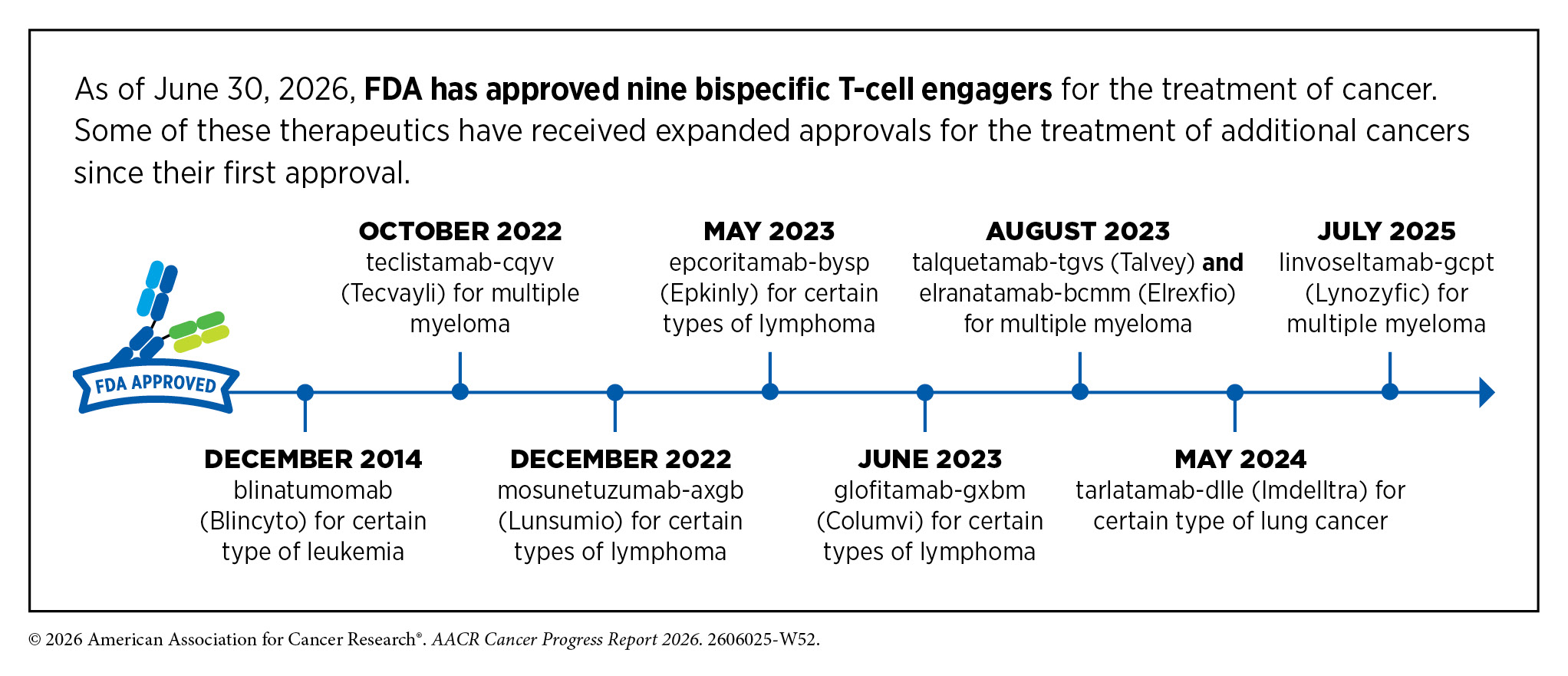
The first of these agents, blinatumomab (Blincyto), was approved by FDA in December 2014 for treating certain patients with a type of ALL called B-cell ALL (739)Baselga J, et al. (2015) Clin Cancer Res, 21: S1.. Unprecedented advances in genetic engineering, molecular biology, and immunology over the past decade have led to rapid growth in this innovative new area of cancer medicine. As of June 30, 2026, FDA has approved nine BiTEs for the treatment of cancer, including the most recent approval of linvoseltamab-gcpt (Lynozyfic) that occurred during the 12 months covered in this report (740)Tian Z, et al. (2021) J Hematol Oncol, 14: 75.. Many of these groundbreaking therapeutics are approved for patients with advanced cancer that has returned following several prior treatments or is resistant to therapy.
Multiple myeloma is one of the most common blood cancers in the United States. An estimated 36,000 new cases are expected to be diagnosed in 2026 and more than 10,000 people will succumb to the disease (see Table 1). The burden is disproportionally higher in the Black population (1)NCI Surveillance, Epidemiology, and End Results Program. NCI SEER*Explorer. Accessed: June 30, 2026.. FDA approval of new therapeutics—including proteasome inhibitors like bortezomib (Velcade) and carfilzomib (Kyprolis), immunomodulatory agents like lenalidomide (Revlimid) and pomalidomide (Pomalyst), and immunotherapeutics like the CD38-targeted daratumumab (Darzalex)—have improved outcomes for patients. Despite these advances, many patients whose disease initially responds to the new therapeutics eventually experience relapse owing to treatment resistance.
In July 2025, FDA approved the BiTE linvoseltamab-gcpt (Lynozyfic) for adults with relapsed or refractory multiple myeloma who have received at least four prior lines of therapy, including a proteasome inhibitor, an immunomodulatory agent, and an anti-CD38 monoclonal antibody. Linvoseltamab-gcpt attaches to a molecule called CD3 on T cells with one arm. With the second arm, it attaches to a protein called B-cell maturation antigen, which is present at high levels on the surface of most multiple myeloma cells. By attaching to these molecules on T cells and myeloma cells, the BiTE brings the two cell types together, directing the T cells to home in on the myeloma cells. As a result, T cells are activated, and they destroy the adjacent myeloma cells.
The approval was based on a phase I/II clinical trial in which 70 percent of patients responded to the treatment (741)US Food and Drug Administration. FDA grants accelerated approval to linvoseltamab-gcpt for relapsed or refractory multiple myeloma. Accessed: June 30, 2026.(742)Bumma N, et al. (2024) J Clin Oncol, 42: 2702.. Patients received increasing doses of linvoseltamab-gcpt. This approach, known as step-up dosing, is used in the treatment with BiTEs whereby the dose administered to a patient is raised incrementally before reaching the target dose level. This helps the body’s immune system to be primed gradually, thereby reducing the risk of severe immune-related adverse events.
Like ICIs and CAR T cells, BiTEs may cause serious adverse side effects, some of which could be life-threatening if not managed immediately and appropriately by trained medical professionals. While ongoing research is needed to identify ways to minimize the adverse effects, BiTEs are now offering new hope to many patients with advanced cancer who previously were without options and urgently needed effective treatments for their rapidly progressing disease.
Researchers are currently investigating additional approaches to enhance the efficacy of BiTEs and evaluating multispecific (e.g., trispecific and tetraspecific) immune cell engagers designed to direct different types of immune cells, such as NK cells or macrophages, in addition to T cells, toward attacking cancer. Preclinical studies have shown that these innovative approaches can improve immune cell infiltration within tumors, enhance antitumor responses, and when used in combinations may overcome resistance to single-agent therapies, offering hope for more durable and effective cancer treatments (743)Rolin C, et al. (2024) Cell Mol Immunol, 21: 643..
Intercepting the Progression to Blood Cancer Development
Another group of therapeutic antibodies that mark cancer cells for elimination by the immune system uses a natural process called antibody-dependent cellular cytotoxicity. When the immune system detects a pathogen or damaged cells, B cells produce antibodies that flag unwanted cells or organisms, which are then recognized and killed by immune cells such as NK cells (see Sidebar 36). Researchers are using this knowledge to develop antibodies that bind to specific targets on cancer cells and invoke antibody-dependent cellular cytotoxicity to kill them.
Many therapeutic antibodies that work this way have been approved by FDA and are benefiting numerous patients with different cancer types including solid tumors and hematologic cancers such as multiple myeloma. Multiple myeloma is a cancer of plasma cells, which are responsible for producing antibodies. In this disease, cancerous plasma cells crowd out the bone marrow and release abnormal antibodies that can damage the kidneys, weaken bones, and cause anemia and high calcium levels. Multiple myeloma often begins silently as a condition called monoclonal gammopathy of undetermined significance (MGUS) and sometimes progresses through an intermediate stage known as smoldering multiple myeloma (SMM) (744)Hevroni G, et al. (2024) Blood Rev, 68: 101242.(745)Cordas Dos Santos DM, et al. (2024) Nat Rev Cancer, 24: 867.(746)Kyle RA, et al. (2018) N Engl J Med, 378: 241.(747)Murray D, et al. (2019) Blood Cancer J, 9: 102.). Multiple clinical trials are evaluating therapeutics that can intercept MGUS and SMM before they progress into multiple myeloma (513)American Association for Cancer Research. AACR Cancer Progress Report 2025. Accessed: June 30, 2026..
In November 2025, FDA approved daratumumab (Darzalex), an established treatment for multiple myeloma, as the first treatment for patients with high-risk SMM such as Jeffrey (Jeff) S. Rubin, MD, PhD, offering the potential to intercept progression to active multiple myeloma. The approval was based on a phase III clinical trial in which daratumumab reduced the risk of developing active multiple myeloma or dying by 51 percent compared to active monitoring in patients with high-risk SMM (748)Dimopoulos MA, et al. (2025) N Engl J Med, 392: 1777..
Daratumumab works by attaching to a protein called CD38, which is found at high levels on the surface of abnormal plasma cells. This attachment has several effects on the cells, most notably flagging them for immune cells, which, upon attaching to another part of daratumumab, are triggered to destroy the abnormal plasma cells. By eliminating or greatly reducing these abnormal plasma cells before they evolve into active multiple myeloma, daratumumab can delay or, in some patients, potentially prevent cancer development.
Next Section: Advancing Cancer Survivorship Care Previous Section: Cancer Screening for Early Detection