Message from AACR
Cancer science and medicine stand at an inflection point. Decades of federally supported research have transformed cancer prevention, detection, treatment, and survivorship care, leading to a steadily declining overall cancer death rate in the United States (US) and longer, healthier lives for millions of patients. Yet these hard-won gains are now at risk. Growing uncertainty surrounding funding for medical research and proposals that could weaken the rigor and independence of the National Institutes of Health (NIH) grantmaking process threaten the nation’s ability to sustain scientific innovation and deliver future breakthroughs.
As the world’s first and largest professional organization dedicated to preventing and curing all cancers, the American Association for Cancer Research (AACR) remains steadfast in advocating for robust, sustained, and predictable federal investment in medical research. This 16th edition of the AACR Cancer Progress Report highlights the extraordinary advances against cancer that have been made possible through federal support that sparked new scientific discoveries and technological innovations. These advances have increased our fundamental understanding of the complexities of cancer and accelerated the rate at which this knowledge is harnessed to develop new and better approaches to clinical care.
During the past 12 months alone, many scientific breakthroughs have reached patients with cancer in the form of new treatments for their specific diseases. The report features personal experiences of several individuals who directly benefited from some of these cutting-edge therapeutics, underscoring the profound impact of research-driven advances on saving lives and improving quality of life.
Among the 11 new anticancer agents that were approved by the US Food and Drug Administration (FDA) between July 1, 2025, and June 30, 2026, are 10 molecularly targeted therapeutics that are part of the precision oncology revolution. A number of these are landmark approvals that demonstrate how innovative approaches to drug discovery and development are expanding the therapeutic repertoire for patients. These include the first molecularly targeted therapy for diffuse midline glioma, a rare, aggressive brain tumor that primarily affects children, adolescents, and young adults, the first proteolysis-targeting chimera (PROTAC) treatment that harnesses the cell’s protein disposal system to eliminate breast cancer cells, and three new precision medicines for lung cancer.
Immunotherapy continues to transform cancer care, with recent FDA decisions broadening the patient populations who can benefit from these treatments. Among the advances highlighted in this report are the first approval of an immune checkpoint inhibitor for ovarian cancer and the first FDA-approved treatment to delay progression of high-risk smoldering multiple myeloma into active disease. Another notable advance is the first approval of a chimeric antigen receptor (CAR) T-cell therapy for marginal zone lymphoma, a rare blood cancer.
Despite the significant strides against cancer, there is a vital need for continued transformative research. This urgency is underscored by the sobering reality that in the United States cancer will claim more than one life every minute of every day this year. This number is predicted to grow considerably in the coming decades, largely because of the overall population growth as well as an increase in the number of people age 65 and older, the population at greatest risk for developing cancer. A similar trend is projected globally, with cancer incidence expected to increase by nearly 65 percent between 2024 and 2050.
As documented in the recently published AACR Cancer Disparities Progress Report 2026, racial and ethnic minority groups and other medically underserved populations in the United States, including those living in rural areas, continue to bear a disproportionate burden of cancer. AACR is fiercely committed to understanding and addressing the biological, structural, and social drivers of cancer disparities and to ensuring that achieving health equity through research, policy, and advocacy is a national priority.
Notwithstanding these challenges, the momentum of scientific discovery has never been greater. Emerging technologies are opening new frontiers in understanding, detecting, and treating cancer. Artificial intelligence is poised to transform the full spectrum of cancer science and medicine, spanning drug discovery and diagnostics through clinical decision-making. Patient-centric tools, such as minimally invasive liquid biopsies, promise to identify cancers at earlier, more treatable stages. Exciting advances in cancer vaccines hold the potential to prevent, intercept, and treat previously intractable diseases, such as pancreatic cancer. Meanwhile, next-generation molecularly targeted therapies, such as programmable RNA molecules, are expanding our ability to tackle some of the most elusive cancer targets. These innovations and the horizon reaffirm that sustained investments in cutting-edge science and technologies can dramatically accelerate the pace of progress for the benefit of cancer patients.
Realizing the promise of today’s discoveries and accelerating progress toward a future where cancer is preventable, detectable, treatable, and ultimately curable for all require a strong bipartisan commitment to sustain the nation’s medical research enterprise. This AACR Cancer Progress Report 2026 is both a chronicle of progress against cancer and a call to action to protect and strengthen NIH, the National Cancer Institute, FDA, and the Centers for Disease Control and Prevention through robust, sustained, and predictable federal investment, to support the next generation of cancer researchers, and to preserve a rigorous, independent, and merit-based federal grantmaking system. The evidence is indisputable. Decades of federal investment have transformed patient care, saved millions of lives, spurred the US economy, and generated extraordinary returns for the public. By sustaining this commitment, we can ensure that the next generation of scientific discoveries will bring lifesaving cures to the millions of people whose lives are affected by cancer.

Keith T. Flaherty, MD, FAACR
President 2026-2027, AACR
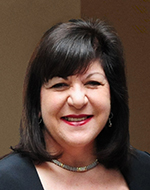
Margaret Foti, PhD, MD (hc)
Chief Executive Officer, AACR