Envisioning the Future of Cancer Research
In this section, you will learn:
- Artificial intelligence approaches are accelerating scientific discovery, streamlining drug development, improving clinical decision-making, and enabling more personalized cancer care.
- Liquid biopsies are transforming cancer detection and treatment by providing minimally invasive, real-time insights that enable early detection, treatment selection, and continuous monitoring of disease.
- Cancer vaccines are expanding precision immunotherapy by preventing cancer in high-risk individuals and training the immune system to recognize and eliminate existing tumors.
- RNA medicines are emerging as a powerful new class of programmable therapeutics that can precisely regulate gene expression and deliver highly targeted cancer treatments.
Contents
The pace of progress against cancer has accelerated tremendously in recent years. Breakthrough discoveries and technological advances across the fields of medicine have substantially increased our understanding of cancer initiation and progression. This foundational knowledge is driving better strategies to reduce the risk of developing cancer, detect cancer at the earliest possible stage, and treat cancer effectively and more precisely—with fewer long-term side effects. As a result, cancer deaths are declining, and cancer survivors are living longer and fuller lives.
The extraordinary opportunities to translate our growing understanding of cancer biology into more precise and effective therapies are a source of great optimism for cancer researchers, including AACR President 2026–2027, Keith T. Flaherty, MD, FAACR.
Below, we highlight some of the most exciting areas in cancer science and medicine that are poised to transform the future of cancer research and patient care.
A New Wave of Technologies
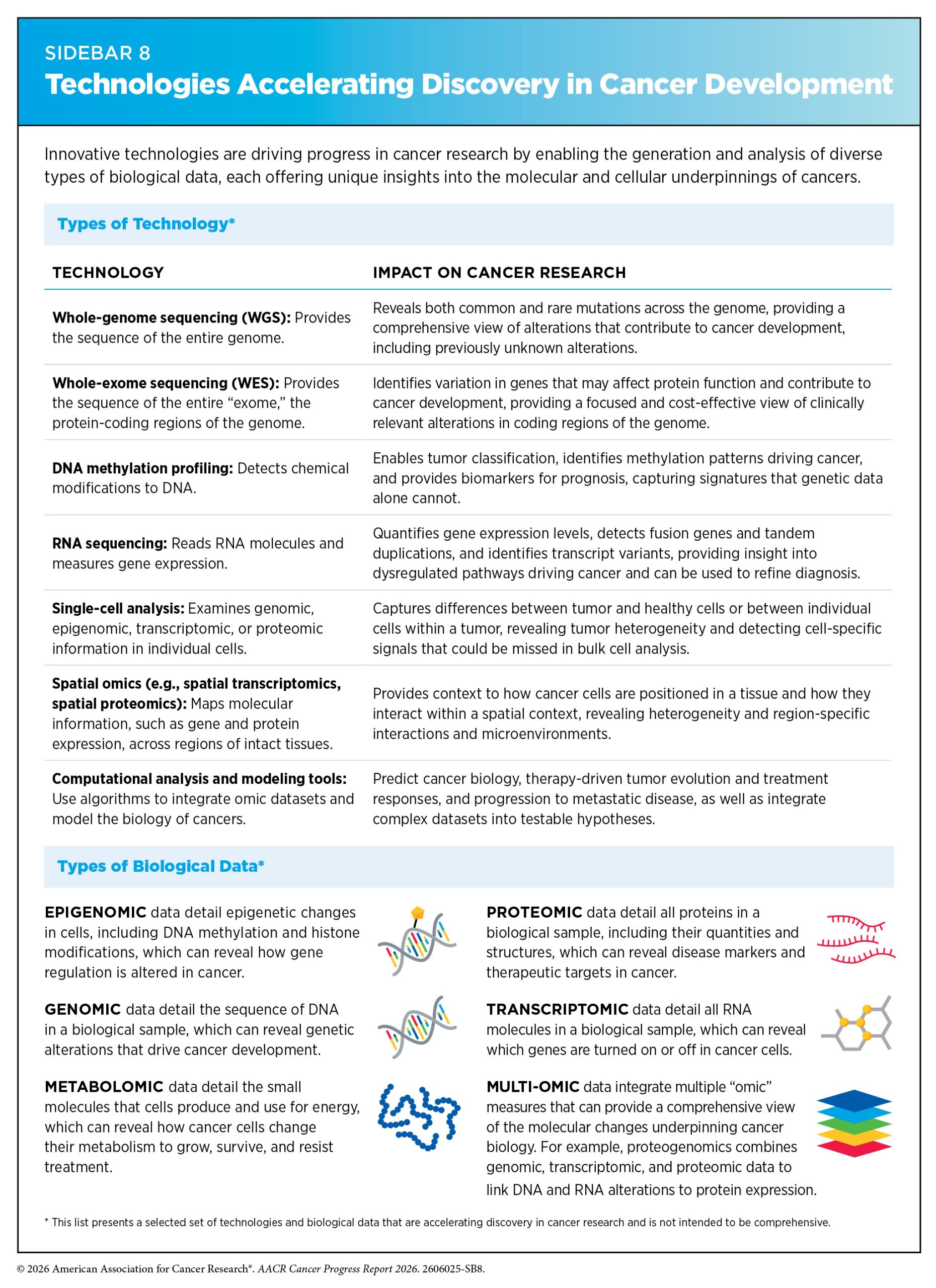
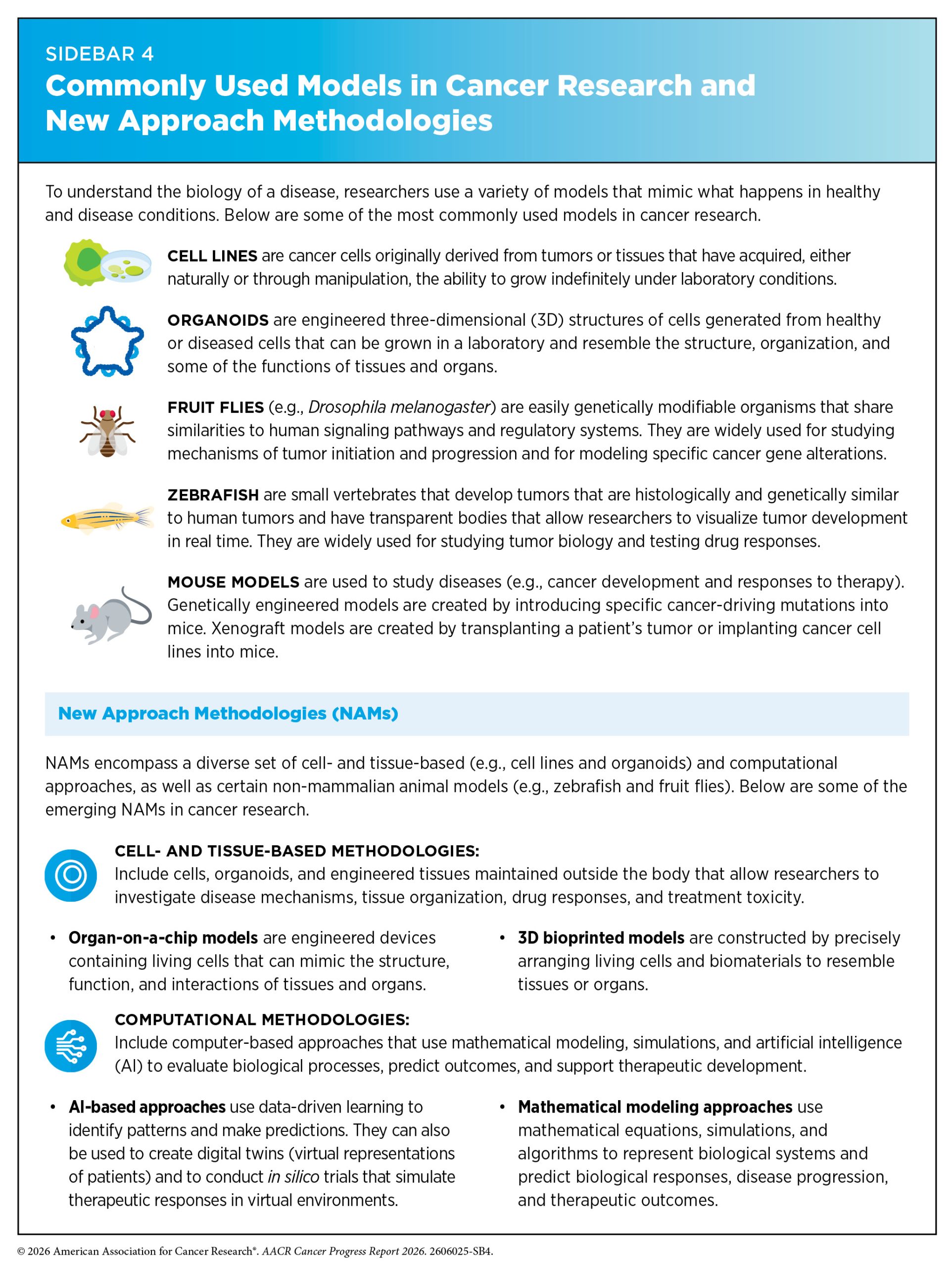
Emerging technologies are driving progress in cancer research by enabling scientists to investigate tumors with greater precision (see Sidebar 8). For example, single-cell multi-omics and computational approaches are allowing researchers to simultaneously map the genetic and functional states of individual cells, offering new insights into tumor evolution, the tumor microenvironment, and the mechanisms that influence cancer development and treatment resistance (1006)Pak M, et al. (2026) Cell Genom, 6: 101036.. Technologies such as organoid systems, miniature organ-like structures grown from a patient’s own tumor cells, and three-dimensional (3D) bioprinted models (see Sidebar 4) are advancing our understanding of the disease by more closely mimicking cancer biology and accelerating the development of more effective, personalized therapies (1007)Wang D, et al. (2026) Nat Rev Drug Discov, 25: 204.(1008)Ehlen L, et al. (2026) Nat Biomed Eng, 10: 815.(1009)Du L, et al. (2025) Mol Cancer, 24: 259.. The sections below highlight some of the most promising emerging technologies in cancer research.
Artificial Intelligence
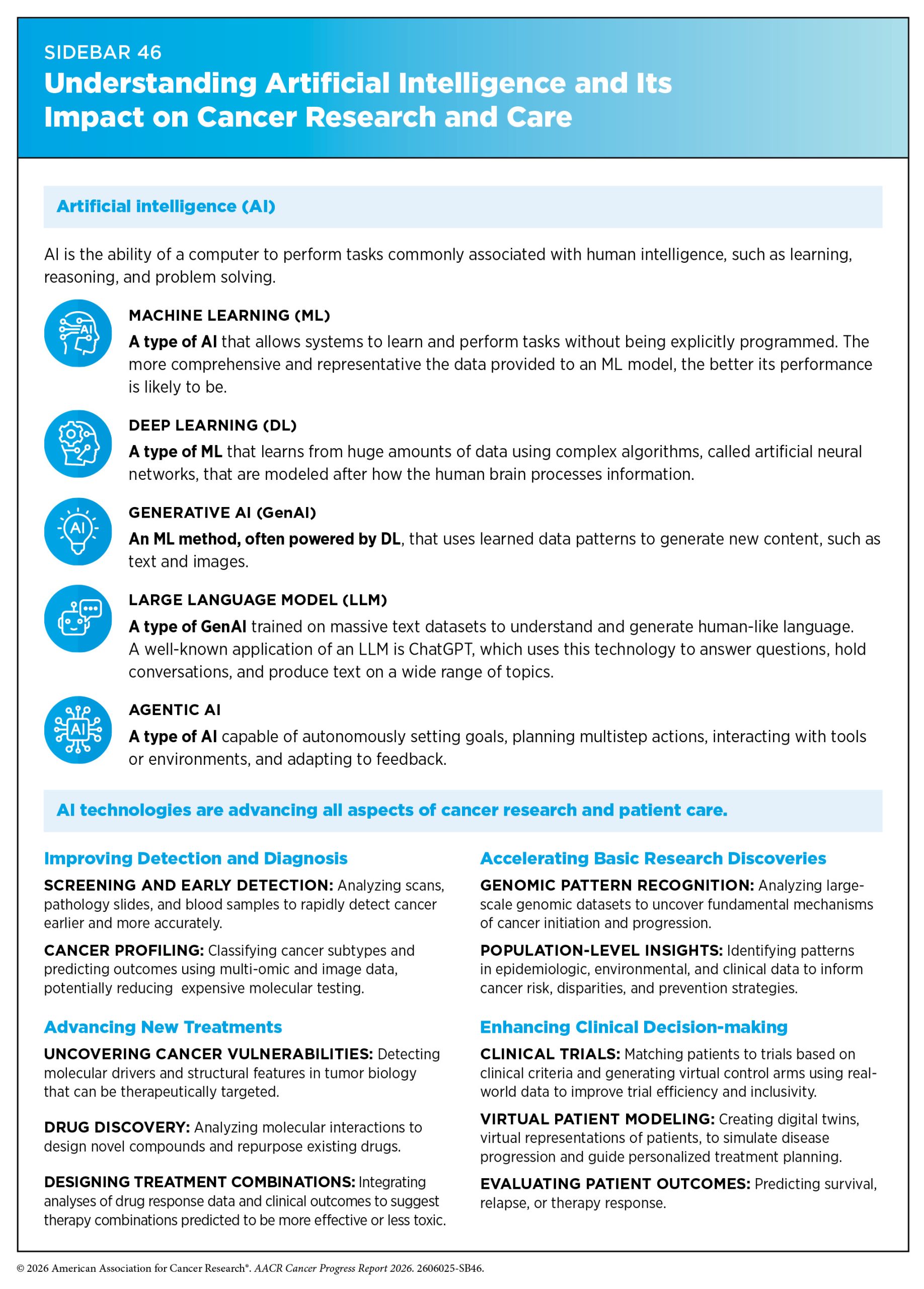
Artificial intelligence (AI) has the potential to transform cancer research and patient care by enabling faster, more accurate, and personalized approaches across the cancer continuum. AI technologies, including machine learning, deep learning, generative AI, large language models, and agentic AI, are now being applied to tasks such as analyzing histopathology images, identifying genomic alterations, and discovering new drug candidates (see Sidebar 46).
Researchers are also using AI to analyze complex biological data and amplify the capabilities of other emerging research technologies to accelerate basic research discoveries (see Technological Innovations and Collaborative Science). For example, researchers recently combined AI with advanced spatial imaging technologies to generate high-resolution maps of tumors, revealing the spatial organization and interactions of cancer and immune cells within the tumor microenvironment (1010)Valanarasu JMJ, et al. (2026) Cell, 189: 386..
Advances in AI approaches have already begun to demonstrate benefit in cancer screening and early detection (see Advances in AI-assisted Screening Approaches). AI is improving the interpretation of routine medical images, including computed tomography (CT) and magnetic resonance imaging (MRI) scans, allowing earlier detection and characterization of cancers that are hard to diagnose and treat, such as pancreatic cancer and glioma (1011)Kundal K, et al. (2025) NPJ Precis Oncol, 9: 323.(1012)Alves N, et al. (2026) Lancet Oncol, 27: 116.. Additionally, AI methods allow more accurate analysis of complex digital images of tissue samples without requiring extensive manual annotation, increasing the efficiency and interpretability of digital pathology workflows (1013)Gao Z, et al. (2025) Nat Cancer, 6: 2025..
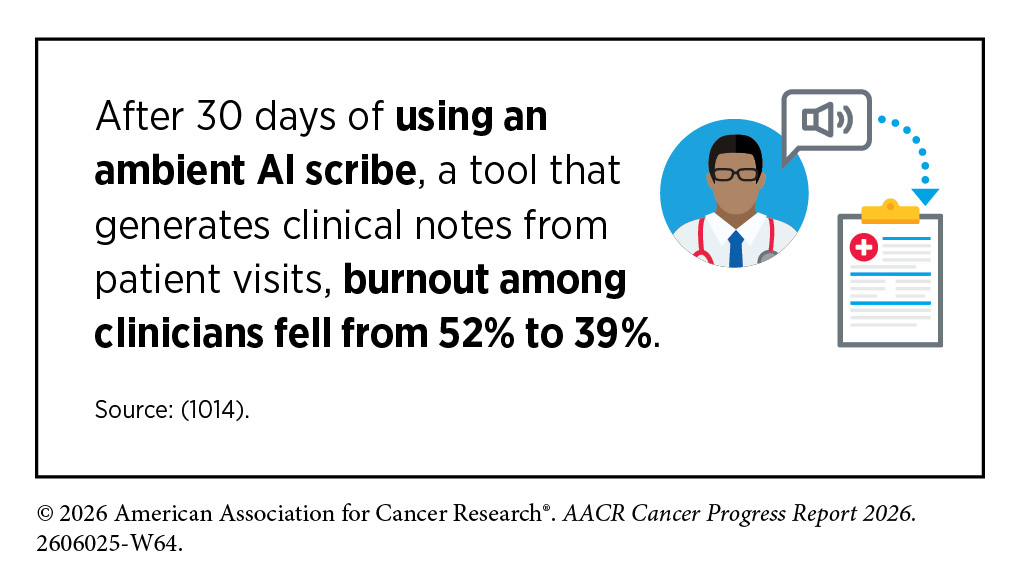
AI is reshaping cancer drug development by streamlining aspects of cancer science and medicine that have traditionally been time-consuming, expensive, and high-risk. By analyzing vast datasets, modeling complex biological systems, and uncovering meaningful insights, AI is helping researchers identify key drivers of disease and design new therapies more efficiently. These innovations have the potential to accelerate drug discovery while delivering safer, more targeted treatments to patients.
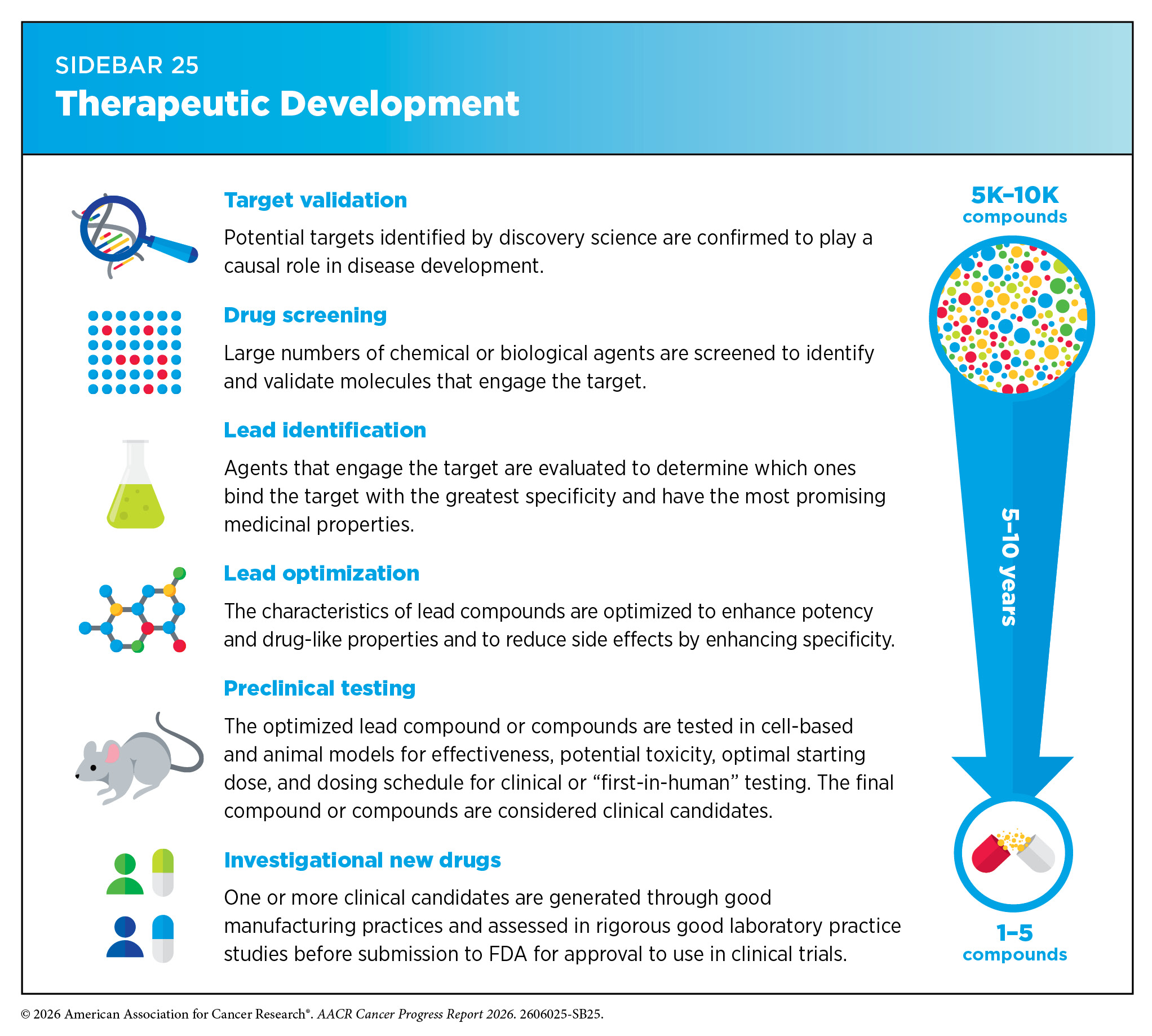
Early drug development involves identifying molecules that can interact with proteins that drive cancer and other diseases (see Sidebar 25). Despite decades of advances in drug discovery, approximately 90 percent of druggable disease targets remain without small-molecule therapies. One recently developed AI model enabled genome-wide virtual drug screening by rapidly screening hundreds of millions of small molecules against protein binding sites. Using this approach, researchers screened approximately 10,000 human proteins against more than 500 million compounds, identifying more than two million candidate molecules (1015)Jia Y, et al. (2026) Science, 391: eads9530..
Another recent advance is a generative AI model that designs novel small-molecule drug candidates tailored to the characteristics of individual cancers. This model creates novel compounds predicted to be effective against specific genetic alterations while also identifying the genes and biological pathways they are likely to target. This approach demonstrates the potential for AI to accelerate precision drug discovery by rapidly generating personalized drug candidates for cancers that currently lack effective treatments (1016)Kim H, et al. (2025) Nat Commun, 16: 5628..
AI models can also predict the mechanisms of action of anticancer drugs by integrating functional genomic data with drug response profiles. In one study, researchers developed a model that identified primary and secondary drug targets, predicted context-specific drug responses across different genetic backgrounds and tissue types, and generated target profiles for 1,500 cancer-related drugs (1017)Sinha S, et al. (2025) NPJ Precis Oncol, 9: 340..
Moreover, AI approaches can accelerate the identification of effective drug combinations. An open-source platform that combines automated high-throughput screening with machine learning was recently developed to evaluate drug combinations. The study presented one of the largest drug combination screens in a single model system to date, screening more than 9,000 drug combinations in a neuroblastoma cell line, substantially reducing the experimental time and resources needed to identify promising therapeutic combinations (1018)Wright WC, et al. (2025) Nat Commun, 16: 11005..
AI can also expand treatment options for cancer through drug repurposing—the use of existing or previously developed drugs for new therapeutic purposes. Researchers recently developed an AI system that uses large language models to support drug repurposing for non–small cell lung cancer. By analyzing more than 10,000 published clinical case reports across multiple candidate drugs, the system accurately identified clinically relevant evidence for repurposed therapies while extracting information on patient demographics, treatment responses, and outcomes. This approach demonstrates how AI can overcome time- and labor-intensive manual review and curation of real-world data to identify drug repurposing candidates supported by clinical evidence (1019)More V, et al. (2026) NPJ Precis Oncol, 10..
These findings highlight how AI models can help overcome long-standing barriers in drug discovery by narrowing down large experimental workflows, uncovering clinically relevant therapeutic opportunities, and guiding the development of more personalized cancer treatments.
AI-driven technologies are also improving clinicians’ ability to predict patient outcomes, personalize treatment plans, and enhance clinical trial design (see Innovations in Cancer Clinical Trials). Digital twins—virtual, continuously updated models of individual patients—are one such technology. Digital twins integrate real-world data from electronic health records and clinical evaluations, alongside multi-omic and lifestyle information, to simulate disease progression, predict treatment responses, and guide personalized treatment based on a patient’s own unique biology. They also show promise in clinical trial settings, particularly for pediatric and other rare cancers, where they can function as synthetic control arms to augment or replace conventional controls when patient enrollment is limited.
Another emerging application for AI is assisting clinicians in complex surgical planning and decision-making. In a recent study, an AI model improved preoperative planning for glioblastoma surgery by predicting how much of a patient’s tumor could be safely removed (1020)Kernbach JM, et al. (2025) NPJ Precis Oncol, 9: 387.. Further, AI has shown potential in supporting decision-making during surgery. By combining molecular imaging with machine learning–based imaging analysis, researchers were able to rapidly distinguish between malignant and benign lung nodules in real time (1021)Azari F, et al. (2026) JAMA Netw Open, 9: e2551734..
AI is also streamlining radiation treatment planning. In a recent study, an AI-based radiotherapy planning system generated high-quality treatment plans across multiple cancer types, typically within 5 minutes. More than 80 percent of the AI-generated treatment plans were deemed clinically acceptable by physicians, and 60 percent were preferred over manual plans (1022)Yu L, et al. (2025) Nat Commun, 17: 867..
Muscle-invasive bladder cancer is an aggressive form of bladder cancer in which the tumor grows into the muscle layer of the bladder wall. Because of its higher risk of spreading beyond the bladder, patients are often given chemotherapy before surgery to shrink the tumor and eliminate cancer cells that may have spread. However, not all patients respond to this treatment, which can cause serious side effects. Researchers have recently developed a machine learning model that integrates gene expression data with digital pathology images to predict how patients will respond to chemotherapy. The model identified biomarkers that accurately predicted treatment response across multiple patient cohorts and showed that these predictions were associated with improved patient survival (1023)Jeong J, et al. (2026) Exp Mol Med, 58: 1589.. This approach is much less expensive than molecular assessment of gene expression and may help tailor treatment plans for patients and reduce unnecessary exposure to toxic therapies.
As AI begins to reshape cancer research and patient care, it introduces new layers of complexity that can both help and hinder clinical decision-making, raising serious concerns about fairness, transparency, and accountability. AI systems require rigorous validation, continuous performance monitoring, and standardized governance before they can be safely integrated into routine clinical practice. Without consistent evaluation across diverse patient populations and clinical settings, AI tools may perform well in one institution but fail to generalize to broader use. However, efforts to ensure broad inclusion and oversight extend beyond technical validation. There is a need for shared responsibility between AI developers, regulators, and health care institutions to address bias and avoid discriminatory outcomes from AI-powered decision tools while ensuring that clinicians remain actively involved in evaluating and overseeing AI-generated recommendations (1024)Nenadic I, et al. (2026) Nat Med, 32: 1172..
Liquid Biopsy
A biopsy involves the removal of cells or tissues from a patient to help physicians diagnose a condition, such as cancer, or assess how it is responding to treatment. Traditionally, biopsies are invasive and limited to a single timepoint. In contrast, a liquid biopsy—the analysis of blood or other body fluids—offers a less invasive alternative by capturing tumor-derived material that is routinely shed into the bloodstream during cancer development and treatment. This material includes circulating tumor cells and cell-free DNA (cfDNA), such as circulating tumor DNA (ctDNA).
Although they are currently used primarily alongside traditional tissue biopsies, liquid biopsies may also be useful for detecting tumors located in areas that are difficult to biopsy. Unlike traditional biopsies, liquid biopsies can be easily repeated during the course of clinical care, which may enable dynamic, real-time insights into tumor evolution and therapeutic responses.
Researchers are increasingly extracting biological information from the fragmentation patterns of cfDNA, an emerging field known as fragmentomics (1025)Tsui WHA, et al. (2025) Cancer Cell, 43: 1792.. Recent advances are further expanding the information obtainable from cfDNA through fragmentomic analyses to infer tissue of origin, gene expression patterns, epigenetic features, and cancer-associated genomic alterations (1026)Hazelaar DM, et al. (2025) NPJ Precis Oncol, 10: 27.. These approaches have improved the performance of liquid biopsies for applications such as multi-cancer early detection (see Advances in Minimally Invasive Screening Approaches) and disease characterization (1027)Bao H, et al. (2025) Nat Med, 31: 2737..
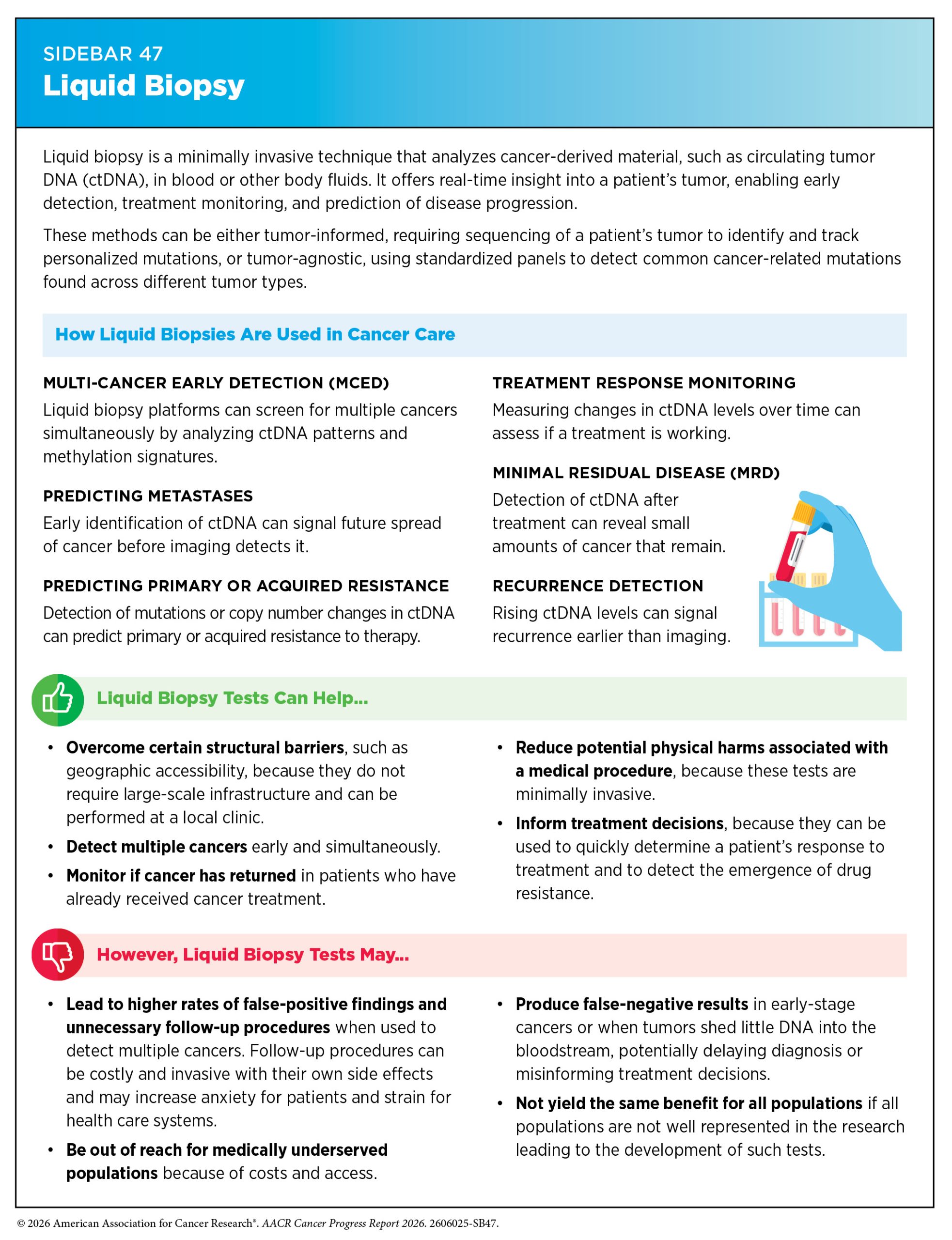
Additionally, liquid biopsy approaches can enhance diagnosis, treatment selection, and monitoring of disease progression and recurrence (see Sidebar 47). Liquid biopsy can be used to guide treatment selection by identifying genomic alterations that can inform precision medicine approaches. In a recent study of patients with advanced solid tumors enrolled in the NCI-MATCH (Molecular Analysis for Therapy Choice) trial, ctDNA testing showed high concordance with tissue sequencing for detecting actionable genomic alterations, supporting its use to identify patients eligible for molecularly matched therapies (1028)Gouda MA, et al. (2025) Clin Cancer Res, 31: 4299.. Further, research shows that integrating tissue and liquid biopsy together provides even more comprehensive genomic profiling and that patients with concordant findings across both experience improved clinical outcomes with molecularly matched therapies (1029)Botticelli A, et al. (2026) Clin Cancer Res, 32: 45..
Beyond selecting therapies, liquid biopsy is also emerging as a tool for predicting which patients are most likely to benefit from immunotherapy and other treatments (see Advances in Treatment With Immunotherapeutics). In a recent study of patients with breast cancer, researchers identified a blood-based immune biomarker using liquid biopsy and transcriptomic profiling that accurately predicted response to the addition of immunotherapy to neoadjuvant chemotherapy (1030)Sun X, et al. (2026) Sci Transl Med, 18: eaec2358.. These findings demonstrate the potential for minimally invasive blood-based monitoring to identify patients most likely to benefit from immunotherapy while sparing others from unnecessary treatment and toxicity.
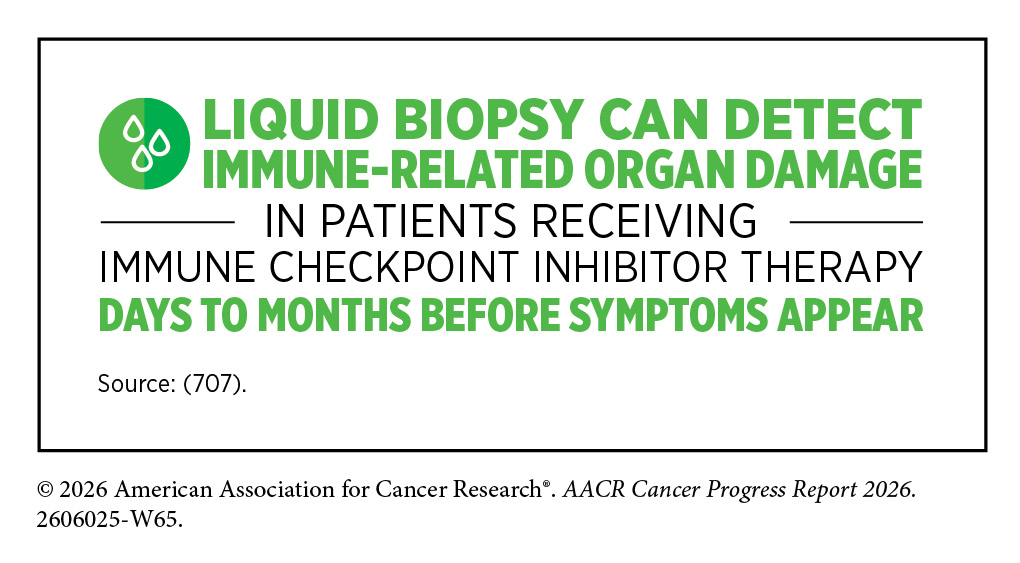
Monitoring dynamic ctDNA changes during treatment can provide early signals of treatment response or emerging resistance. In locally advanced rectal cancer, early clearance of ctDNA following chemotherapy was linked to better outcomes, while persistent ctDNA predicted poor response (1031)Shen Y, et al. (2026) Clin Cancer Res, 32: 1293.. In another study of patients with prostate cancer, increasing ctDNA levels early during chemotherapy treatment was indicative of shorter survival and linked to treatment resistance (1032)Brighi N, et al. (2025) Clin Cancer Res, 31: 4985..
An emerging application of liquid biopsy that holds significant promise for improving cancer care is its ability to detect minimal residual disease (MRD) and recurrence after treatment. Recent research has demonstrated that the presence or absence of ctDNA following treatment can serve as a powerful indicator of recurrence risk and help guide posttreatment decisions.
Recent clinical trials have now shown that ctDNA can be used to guide adjuvant therapy by identifying patients most likely to benefit from additional treatment. In a recent trial of patients with muscle-invasive bladder cancer, ctDNA testing after surgery identified patients who benefited from adjuvant immunotherapy, while those who remained ctDNA-negative had high disease-free survival and favorable outcomes without additional treatment (1033)Powles T, et al. (2025) N Engl J Med, 393: 2395.. In another trial of patients with colon cancer, patients without detectable ctDNA after surgery safely received less intensive chemotherapy with fewer treatment-related hospitalizations, while those with detectable ctDNA had a higher risk of recurrence (1034)Tie J, et al. (2025) Nat Med, 31: 4291..
Liquid biopsy can also be a valuable tool for long-term surveillance after curative treatment. In patients with melanoma, postoperative ctDNA detection during serial follow-up was the strongest predictor of recurrence, outperforming conventional clinicopathologic factors. Patients with detectable ctDNA at any point after surgery were significantly more likely to experience recurrence, highlighting the potential of continuous ctDNA monitoring to detect relapse early and support more personalized posttreatment surveillance (1035)Ansstas G, et al. (2026) Clin Cancer Res, 32: 1513..
Although liquid biopsy has shown promise in enhancing current methods of cancer detection and monitoring, challenges remain that limit its routine clinical use (see Sidebar 47). Researchers have highlighted key barriers to ctDNA adoption, some of which include a variable amount of detectable material and lack of standardized protocols (1036)Landon BV, et al. (2025) Nat Med, 31: 4006.. Overcoming these hurdles through continued research will be essential to fully unlock the potential of liquid biopsies to personalize cancer care and guided treatment.
New Frontiers in Cancer Treatment
In recent years, researchers have made remarkable progress in transforming how cancer is treated. Advances in drug delivery technologies, such as engineered nanoparticles, have demonstrated their ability to improve drug stability and reduce toxicity while delivering therapeutic molecules to specific tissues and cells (1037)Gomerdinger VF, et al. (2025) Nat Rev Cancer, 25: 657.(1038)Lin Y, et al. (2026) Nat Mater, 25: 133.. Ongoing efforts in nanoparticle engineering will further improve the delivery of new therapies that can overcome biological barriers, accumulate within tumors, and reach their intended targets.
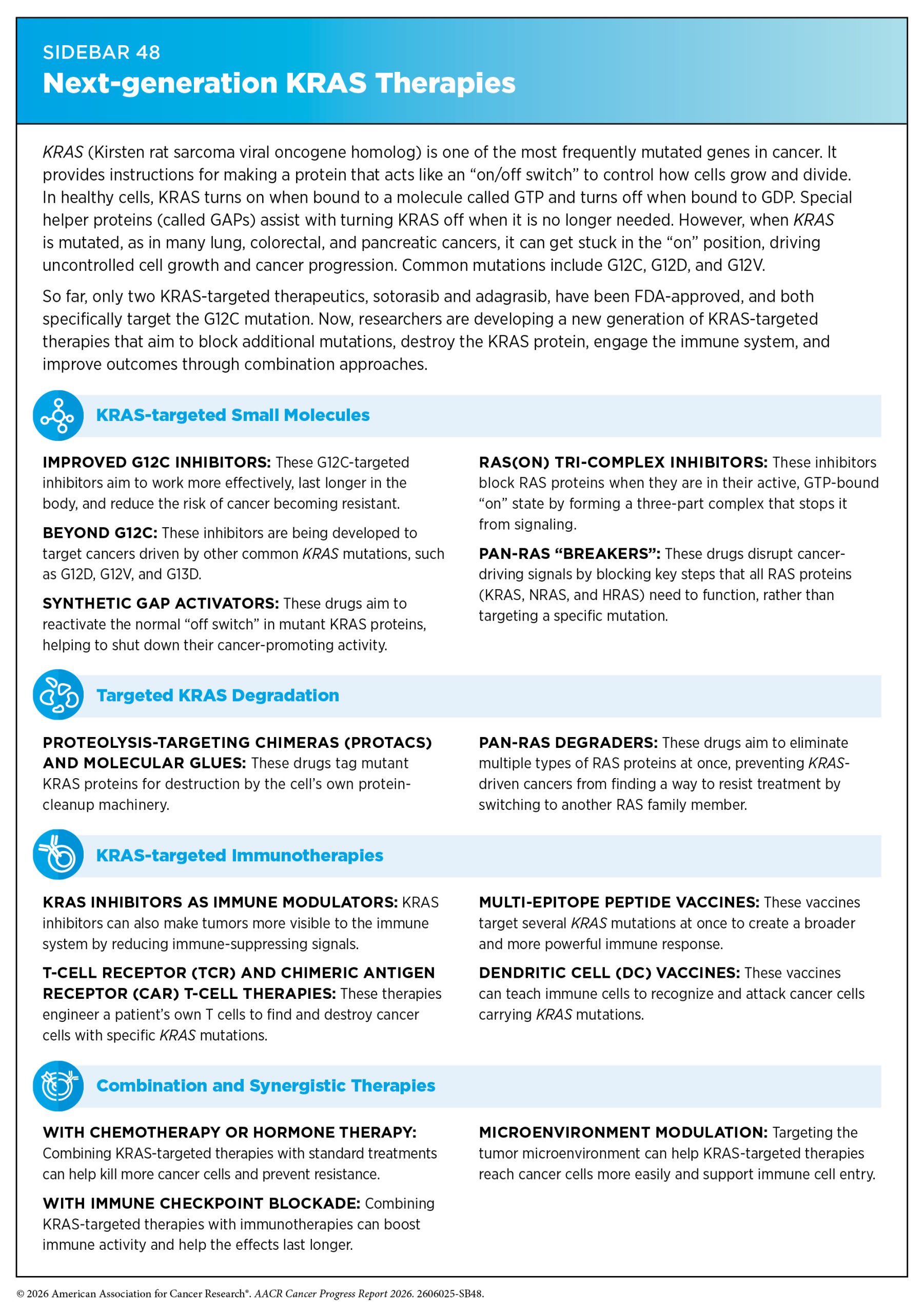
Another area of rapid gains has been in KRAS-targeted therapies, whereby decades of basic research have paved the way for the next generation of treatment advances (see Basic Research Decoding Cancer’s Complexities). Building on the success of FDA-approved inhibitors of KRAS protein with the G12C mutation, researchers are now developing molecules that target other KRAS mutations and degrade KRAS proteins entirely, as well as immune-based strategies—such as vaccines, engineered T cells, and combination treatments—to help the immune system better recognize and attack KRAS-driven cancers (see Sidebar 48). The sections below highlight some of the most exciting emerging areas in cancer treatment.
Cancer Vaccines
Researchers are developing new types of cancer vaccines that prevent cancer in high-risk individuals and treat existing disease by training the immune system to recognize and attack tumor-specific targets.
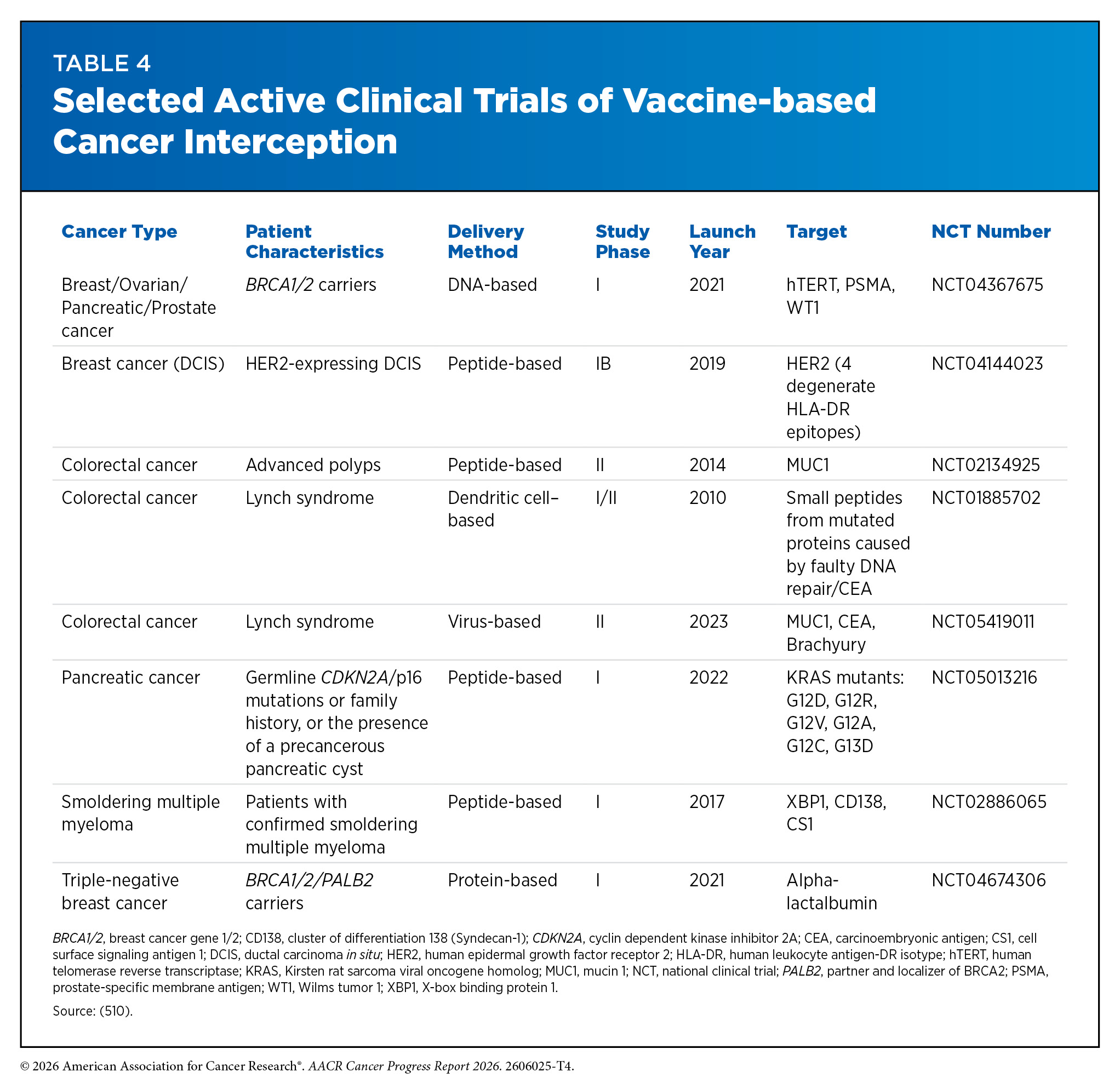
Vaccines play a critical role in disease prevention, with vaccines against the hepatitis B virus (HBV) and human papillomavirus (HPV) already reducing the global burden of liver and cervical cancers by targeting oncogenic viruses before cancer develops (see Prevent and Eliminate Infection From Cancer-causing Pathogens). Building on these successes, researchers are now exploring the development of vaccines that target genetic mutations or molecular characteristics associated with cancer in high-risk individuals as part of broader cancer interception strategies aimed at preventing cancer before it develops (see Advances in Genomics-based and Risk-stratified Precision Approaches and Table 4).
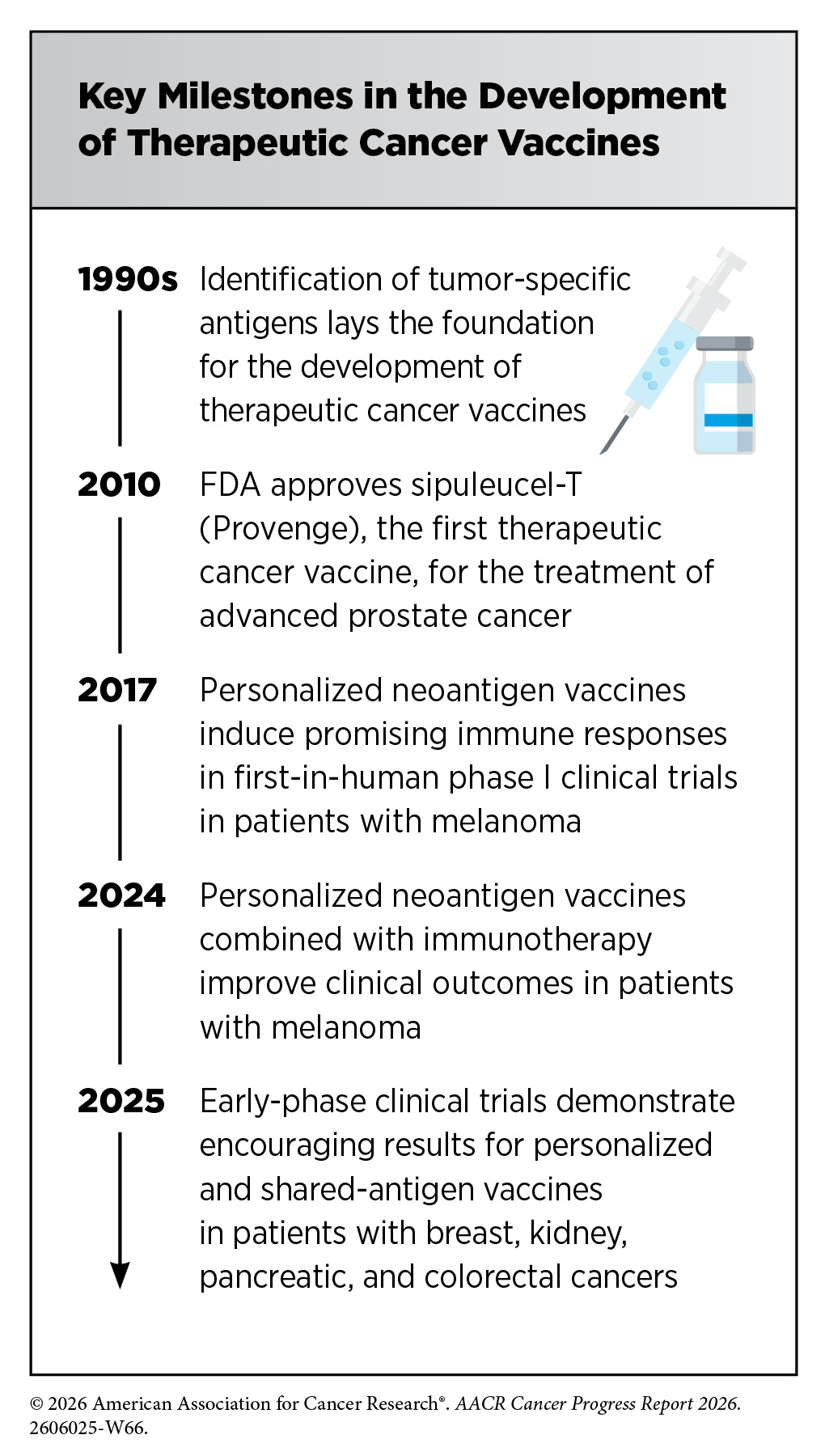
Therapeutic cancer vaccines activate a patient’s immune system to recognize and destroy cancer after it has developed, often by targeting unique markers found on cancer cells. These vaccines can complement existing therapies and may be especially effective when used in combination with immune checkpoint inhibitors, chemotherapy, or molecularly targeted therapies (1039)Martini DJ, et al. (2025) Cancer Discov, 15: 1315.. The only FDA-approved therapeutic cancer vaccine currently is sipuleucel-T (Provenge), which was approved in 2010 for treating advanced prostate cancer.
One therapeutic cancer vaccine strategy being evaluated in clinical trials uses an RNA-based approach that can be tailored to encode multiple tumor-specific neoantigens, mutated proteins unique to cancer cells, such as the individualized pancreatic cancer vaccine trial in which Donna Gustafson participated.
In a 5-year follow-up study, patients with high-risk melanoma who had their cancer surgically removed, and who received an individualized mRNA neoantigen vaccine alongside immunotherapy, experienced sustained improvements in recurrence-free and distant metastasis–free survival compared to immunotherapy alone (1040)Khattak A, et al. (2026) J Clin Oncol: 101200jco2600835..
Personalized neoantigen vaccines are also being evaluated following surgery to reduce the risk of recurrence. In patients with early-stage triple-negative breast cancer, an individualized mRNA vaccine generated durable neoantigen-specific T-cell responses, with most patients remaining relapse-free for up to 6 years after vaccination (1041)Sahin U, et al. (2026) Nature, 651: 1088.. Personalized vaccines are also being explored for difficult-to-treat cancers with few effective immunotherapy options. In a phase I trial of patients with glioblastoma, a personalized DNA vaccine, using up to 40 neoantigens per patient, given after surgery and radiation, induced vaccine-specific T-cell responses in nearly all patients and showed encouraging preliminary clinical outcomes (1042)Garfinkle EAR, et al. (2026) Nat Cancer..
Shared-antigen vaccines, which target mutations or proteins commonly found across many patients’ tumors, are also showing promising results. In patients with pancreatic and colorectal cancers who have MRD after standard treatment, a lymph node–targeted vaccine against mutant KRAS generated durable and sustained immune responses, with stronger vaccine-induced immune responses correlating with better clinical outcomes (101)Wainberg ZA, et al. (2025) Nat Med, 31: 3648..
As researchers continue to improve vaccine design, identify new tumor-specific targets, and optimize combinations 1990s Identification of tumor-specific antigens lays the foundation for the development of therapeutic cancer vaccines 2010 FDA approves sipuleucel-T (Provenge), the first therapeutic cancer vaccine, for the treatment of advanced prostate cancer 2017 Personalized neoantigen vaccines induce promising immune responses in first-in-human phase I clinical trials in patients with melanoma 2024 Personalized neoantigen vaccines combined with immunotherapy improve clinical outcomes in patients with melanoma 2025 Early-phase clinical trials demonstrate encouraging results for personalized and shared-antigen vaccines in patients with breast, kidney, pancreatic, and colorectal cancers with other therapies, cancer vaccines have the potential to become an important component of precision cancer prevention and treatment.
RNA Medicines
RNA molecules play essential roles in regulating gene expression, protein production, and many of the cellular processes that become dysregulated during cancer development (see RNA Variations). Researchers are now harnessing these functions to develop programmable RNA molecules to treat cancer by directing cells to produce therapeutic proteins, silencing cancer-promoting genes, and stimulating immune responses. The recent success of mRNA vaccines has accelerated broader interest in RNA as a therapeutic platform (see Cancer Vaccines), but RNA medicines extend far beyond vaccines.
Different RNA-based approaches—including mRNA, small interfering RNA (siRNA), microRNA (miRNA), RNA aptamers (short RNA molecules that bind specific molecular targets), and circular RNA (circRNA)—can act through complementary mechanisms to alter cancer biology (1043)Wang S, et al. (2025) Nat Rev Drug Discov, 24: 828.(1044)Yan Y, et al. (2025) Mol Cancer, 24: 251..
A major advantage of RNA medicines is that they can be rapidly designed once a molecular target is identified. For example, mRNA can instruct cells to make therapeutic proteins, siRNA can reduce production of cancer-promoting proteins, and RNA aptamers can bind specific molecular targets or deliver therapeutic cargo. Advances in RNA chemistry, chemical modification, and delivery technologies have improved RNA stability, reduced unwanted immune activation, and increased the ability of RNA molecules to reach target cells (1043)Wang S, et al. (2025) Nat Rev Drug Discov, 24: 828..
Several classes of RNA medicines are already advancing through preclinical and clinical development. For example, miRNA-based therapeutics are being developed to restore the activity of tumor suppressor miRNAs or inhibit oncogenic miRNAs (1045)Ju J (2025) Cell Rep Med, 6: 102057.. At the same time, researchers are exploring other RNA platforms that can temporarily program cells to produce therapeutic proteins directly within tumors.
An emerging approach uses circRNA, a circular form of RNA that is more resistant to degradation and can support prolonged protein production. In a recent study, researchers engineered circRNA to encode an enzyme that converts an inactive drug into toxic metabolites within tumors. Intratumoral delivery of this circRNA produced prolonged protein expression and slowed tumor growth with minimal systemic toxicity. The researchers also engineered a second circRNA encoding interleukin-15 (IL-15), an immune-stimulating molecule that can activate cancer-fighting immune cells. Combining both circRNAs enhanced immune activation and suppressed progression of advanced melanoma in preclinical models (1046)Niu D, et al. (2026) Mol Cancer Ther, 25: 272..
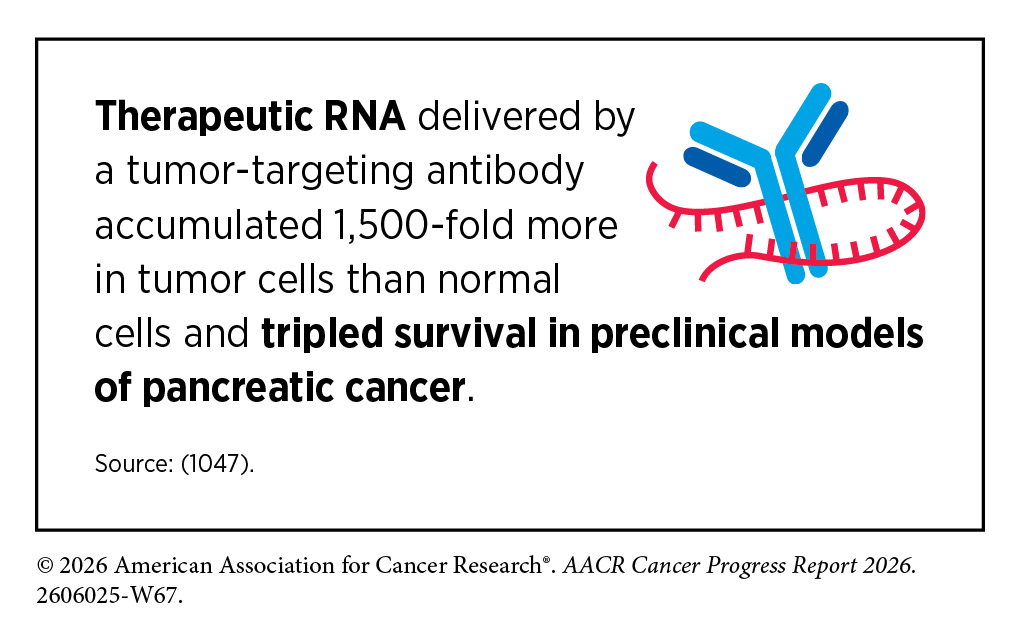
Despite advances, one challenge for RNA medicines is that RNA molecules are unstable and easily degraded, limiting how long they remain active in the body. Another major challenge is delivering RNA safely and selectively into tumors after systemic administration. Lipid nanoparticles and other delivery systems have helped move the field forward, but tumor-specific delivery remains a major barrier, particularly for cancers located in difficult-to-reach tissues (1043)Wang S, et al. (2025) Nat Rev Drug Discov, 24: 828.(1044)Yan Y, et al. (2025) Mol Cancer, 24: 251..
RNA-based medicine is rapidly emerging as a new class of cancer therapeutics. However, important challenges remain, including improving targeted delivery, ensuring durable and controllable therapeutic activity, and minimizing off-target effects. Continued innovation in RNA chemistry and delivery will be essential to realize the full potential of RNA medicines and translate them into effective cancer treatments.
Next Section: Advancing Cancer Science and Medical Research Through Evidence-Based Policies Previous Section: Advancing Cancer Survivorship Care