- Investing in Research to Achieve a Healthier Future
- A Robust Cancer Research and Care Workforce Drives Innovation
- Applying Regulatory Science to Ensure Safe and Effective Cancer Therapies
- Advances in Rigorous Clinical Trial Design
- Increasing Access to and Representation in Clinical Trials
- Rapidly Delivering Safe and Effective Therapies to Patients
- Advancing Policies to Strengthen Cancer Prevention and Screening Programs
- Mitigating Preventable Risk Factors
- Leveraging Policy to Reduce Tobacco-related Illness
- Addressing Cancer Disparities and Improving Patient Outcomes
Advancing Cancer Science and Medical Research Through Evidence-based Policies
In this section, you will learn:
- Sustained federal investment in cancer research and its workforce drives scientific discovery and medical innovation that improve outcomes for patients.
- Evidence-based regulatory science helps bring safe and effective cancer therapies to patients as quickly as possible.
- Cancer prevention, screening, and tobacco control policies can reduce cancer risk, detect cancer earlier, and save lives.
- Science-driven policies can expand access to care, strengthen public health programs, reduce cancer disparities, and help ensure that progress against cancer reaches every patient.
- Advances in digital health, data sharing, and artificial intelligence are reshaping cancer research, treatment, and survivorship.
Contents
Investing in Research to Achieve a Healthier Future
The progress described throughout this report was not inevitable. It was built over decades through sustained federal investment, bipartisan commitment, and a research system capable of turning scientific discoveries into better prevention and earlier detection, more effective treatments, and longer survival. Through the National Institutes of Health (NIH), the National Cancer Institute (NCI), and other federal science and public health agencies, the United States (US) has helped make extraordinary advances possible for patients with cancer and their families. Sustaining that progress will require continued investment, the timely and predictable award and administration of appropriated funds as Congress intended, and a federal grantmaking process that remains grounded in scientific merit.
The results of this national commitment are clear. Since 1991, the overall cancer death rate in the United States has fallen by 35 percent, translating to more than 4.8 million fewer cancer deaths. Today, more than 18.6 million Americans are living with a history of cancer, and patients diagnosed with many types of cancer are living longer, healthier lives than was possible a generation ago. These gains reflect decades of scientific discovery, the dedication of generations of researchers, and bipartisan leadership that has sustained cancer research as a national priority.
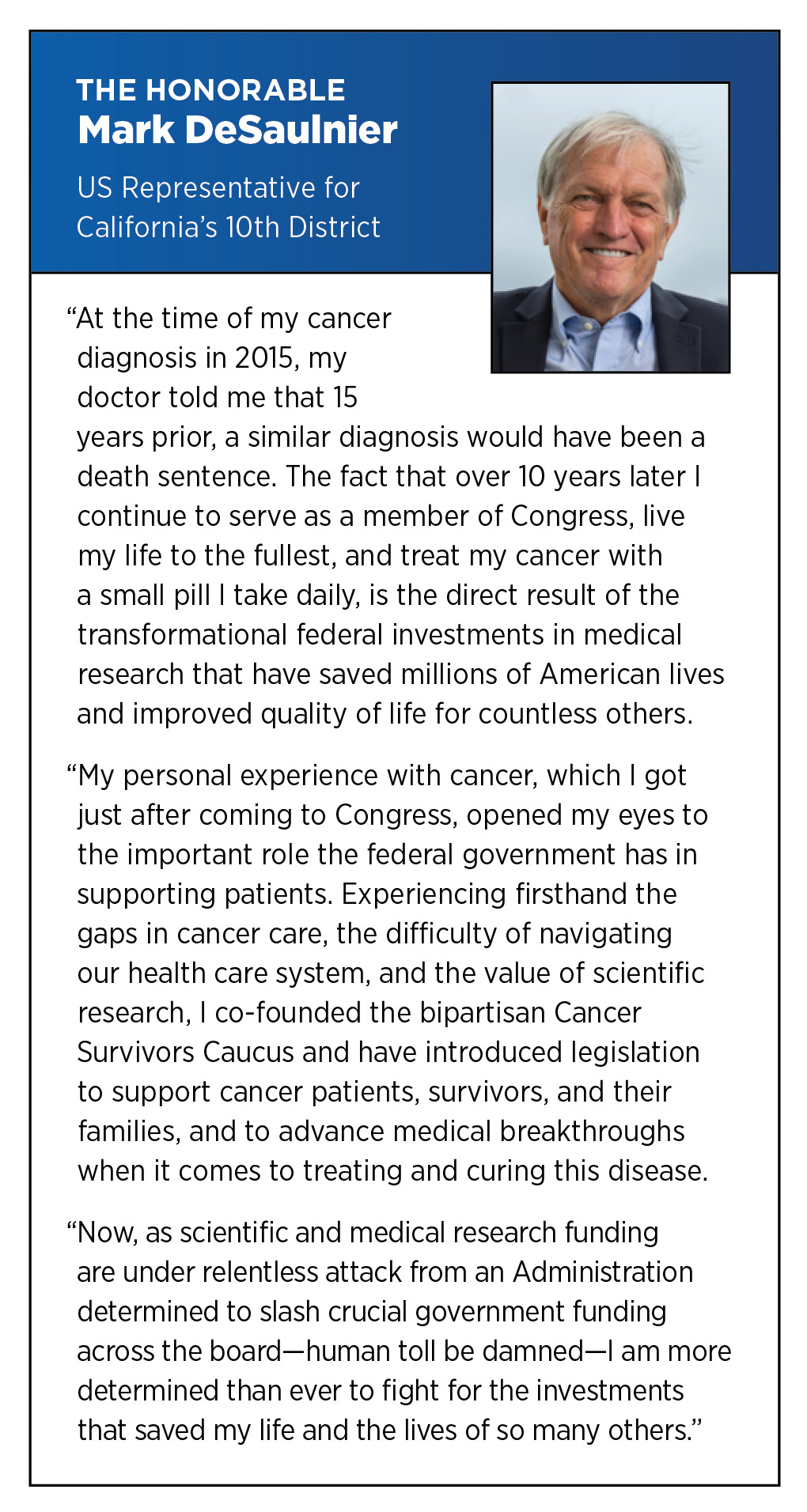
At the center of this progress are NIH and NCI. NIH is the world’s largest public funder of medical research, and NCI is the nation’s leading federal agency dedicated to cancer research and training. Together, their investments support researchers and sustain the clinical trial networks, data systems, cancer centers, and training programs needed to translate scientific discoveries into advances for patients.
What sustained federal investment makes possible is not abstract. For decades, researchers considered KRAS, a cancer-driving protein involved in many pancreatic, lung, and colorectal cancers, among the most difficult targets in cancer biology (see Basic Research Decoding Cancer’s Complexities). Long-term NIH-supported research helped build the scientific foundation needed to understand KRAS-driven cancers and pursue therapeutic approaches that once seemed impossible. In 2026, promising clinical data showed that an experimental KRAS-targeted therapy substantially extended survival for patients with metastatic pancreatic cancer whose disease had progressed after chemotherapy. This advance is not a cure, but for patients and families facing one of the deadliest cancers, it represents more time, more options, and more hope while science drives forward.
Advances like these often begin years before they are visible to patients. They depend on laboratories, clinical studies, data systems, research infrastructure, and scientific talent that must be supported consistently over time. At a moment when cancer science is revealing new possibilities in immunotherapy, precision medicine, early detection, prevention, and data-driven discovery, stable federal investment is essential to ensure that promising ideas can move forward and reach the patients and families who are waiting.
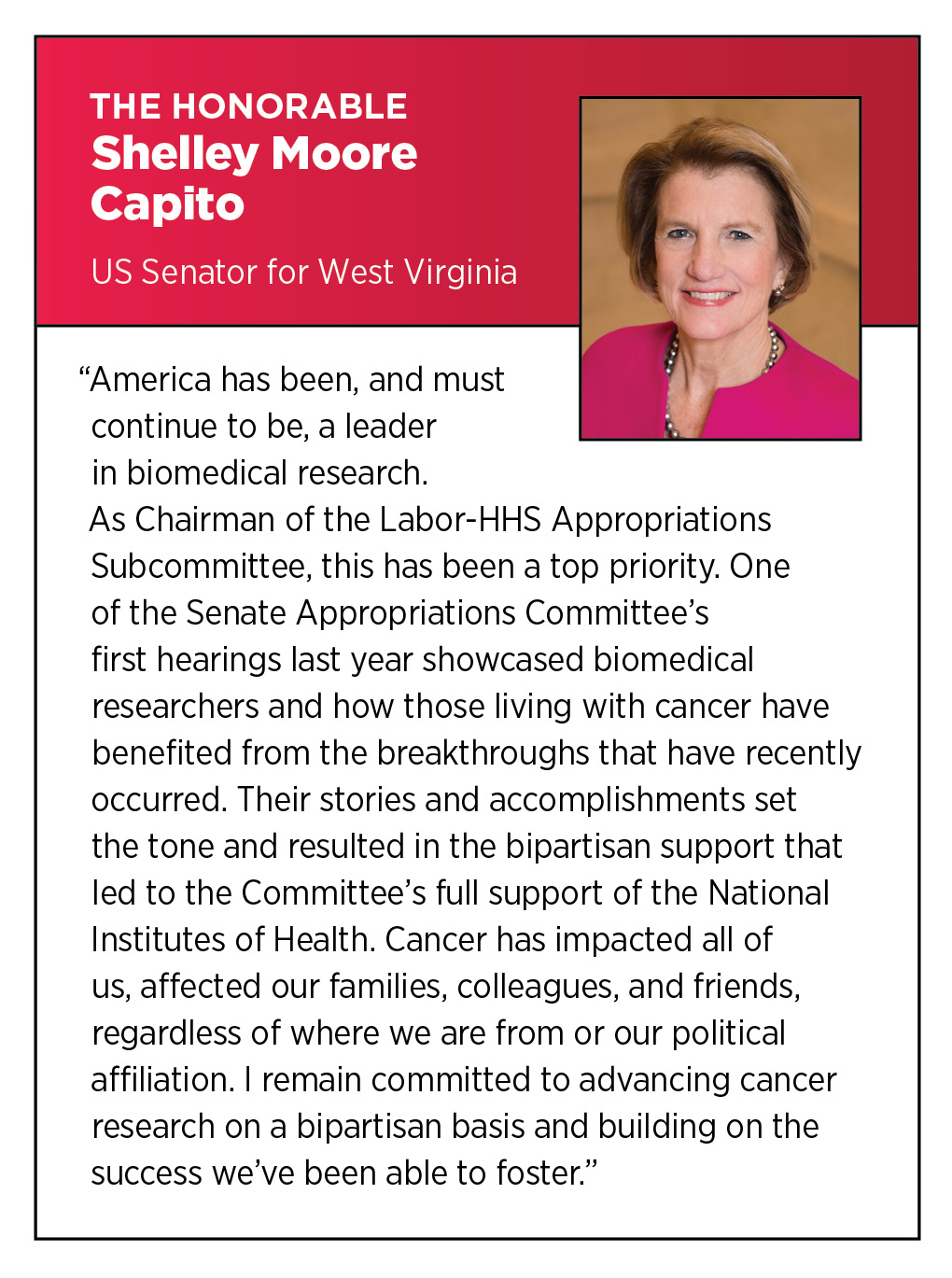
In fiscal year (FY) 2026, Congress reaffirmed the nation’s bipartisan commitment to medical research by rejecting proposed cuts to NIH and NCI and enacting appropriations that continued critical support for cancer research. The FY 2026 appropriations agreement provided modest increases for NIH and NCI, and included policies intended to promote stability across the research system, protect NIH research infrastructure, and restrict expanded use of multi-year funding mechanisms that could reduce the number of new research grants supported in a fiscal year. Leaders across the cancer research community took note. In February 2026, the Fellows of the AACR Academy expressed appreciation to congressional appropriators for prioritizing medical research and cancer science in FY 2026, emphasizing that fully delivering on the current scientific opportunities requires not only robust funding, but also a research environment that supports meritorious science and early-career investigators working to establish independent research careers.
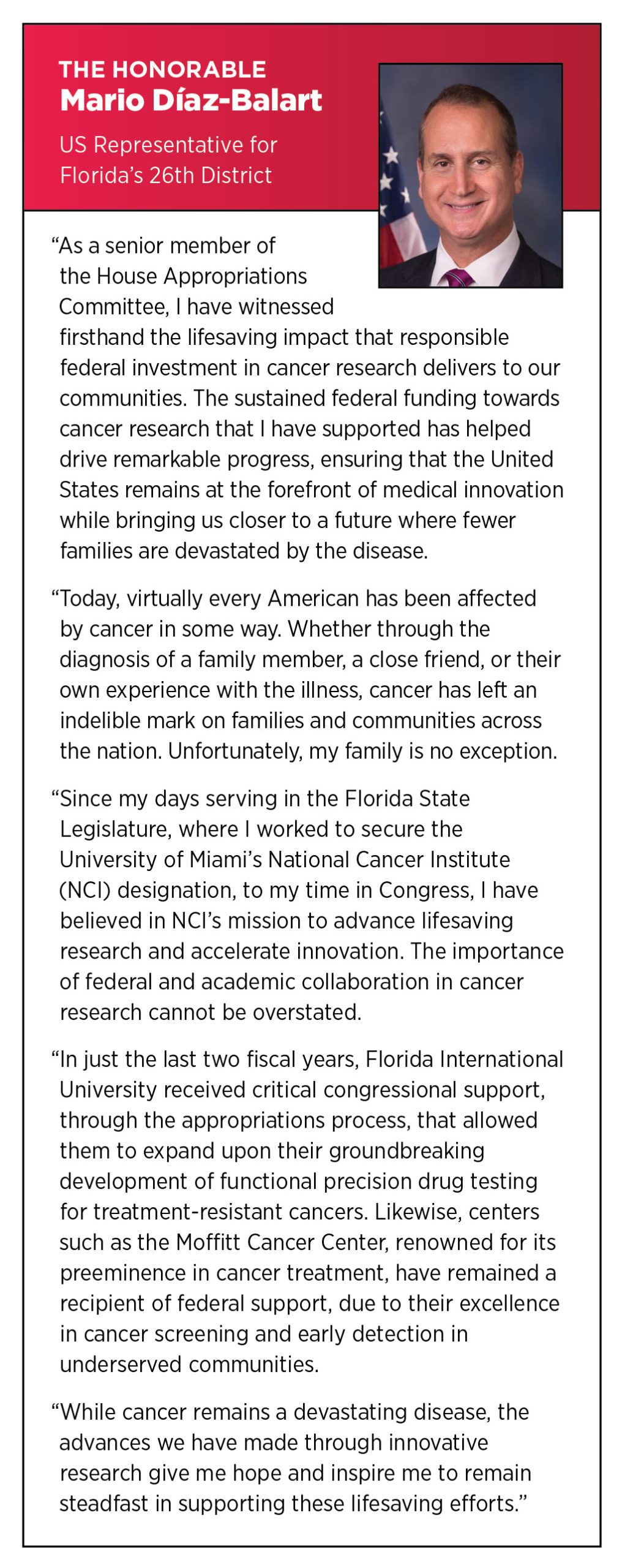
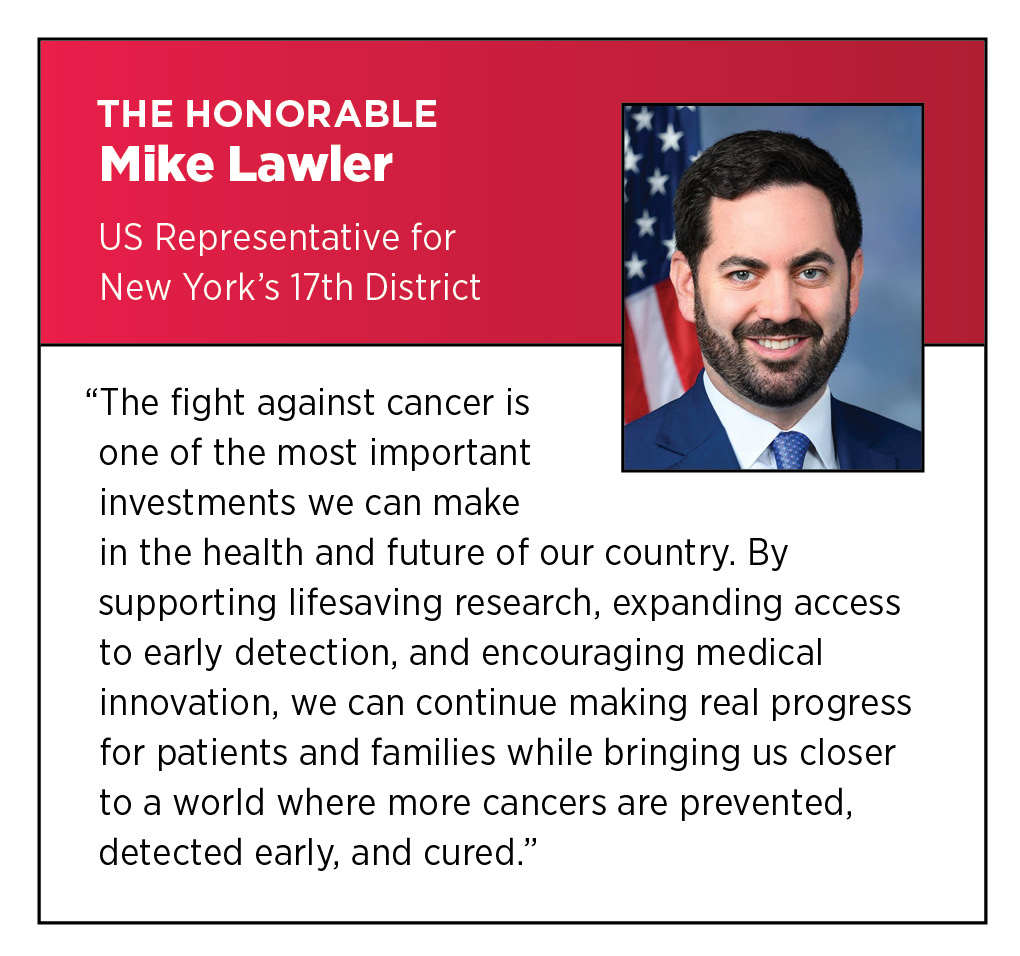
The American public also recognizes the value of this investment. A national AACR survey conducted in August 2025 found overwhelming bipartisan support for federal funding for medical and cancer research, with 89 percent of voters favoring the use of taxpayer dollars to fund medical research, 83 percent supporting increased federal funding for cancer research, and 71 percent saying that increasing federal funding for medical research should be a top congressional priority. For patients and families, including policymakers like Representatives Mario Díaz-Balart (R-FL) and Mike Lawler (R-NY), federal funding reflects something deeply personal: It is a national commitment to improving health, saving lives, and giving people more time.
But public support, however broad, does not by itself sustain progress. Federal funds must be implemented as intended, awarded in a timely and predictable manner, and guided by scientific merit. When appropriated funds are delayed, narrowed, or redirected in ways that limit the number of meritorious grants supported, the consequences are felt across laboratories, clinical studies, training programs, and ultimately by patients waiting for better options.
As of June 14, 2026, NIH competitive awards remained 36 percent below the FY 2021 to FY 2024 year-to-date average by number of awards and 27 percent below by award value. At NCI, competitive awards were 41 percent below the same year-to-date average by number of awards and 25 percent below by award value. These gaps will have profound consequences. Laboratories operate on grant cycles, hiring timelines, equipment needs, study protocols, and patient enrollment schedules that require stability. When awards are delayed or compressed late in the fiscal year, research teams are forced into uncertainty, studies may open later than planned, early-career scientists may lose critical support, and patients may face fewer opportunities to enroll in clinical trials.
Delays in awarding funds are one threat. The structure of grantmaking is another. Expanded use of multi-year, or forward funding has raised concerns within the scientific community because it can require NIH to commit more funding upfront to fewer grants, reducing the number of new and competing awards the agency can support in a single fiscal year. By May 15, 2026, NIH had used forward funding for 601 competitive research project grants totaling $402 million, which was far above the number and value of forward-funded competitive awards at the same point in FY 2024 and FY 2025. While forward funding may provide stability for individual awards, broad use of this mechanism can narrow the number of scientific ideas tested, investigators supported, and opportunities pursued. Progress against cancer depends on a steady flow of new ideas, new studies, and new investigators. When that flow slows, patients ultimately wait longer for the next breakthrough.
The rules governing federal research awards matter as well. The President’s executive order on federal grantmaking and the White House Office of Management and Budget’s proposed revisions to the federal grants framework have raised serious concerns about policies that could expand political discretion in research funding decisions, weaken merit-based review, create uncertainty around active awards, or restrict essential research costs and scientific collaboration. Federal research funding works best when awards are guided by scientific merit, expert review, transparency, and public health need. Protecting those principles is essential to sustaining the research system that has made the United States a global leader in medical research and cancer science.
The stakes extend beyond medical research. Federal support for medical research is one of the nation’s most impactful investments in American innovation and economic strength. As outlined by Representative Mike Levin (D-CA), NIH-supported research sustains jobs, supports local economies, drives small business innovation, strengthens universities and medical centers, and helps maintain US leadership globally in medical science. In FY 2025 alone, NIH-supported research generated more than $94 billion in economic activity and supported nearly 391,000 jobs nationwide, with every $1 invested in NIH research generating approximately $2.57 in economic activity. That leadership is not self-sustaining. As other nations increase their own investments in medical research, the United States cannot assume that its current leadership status will endure without continued significant investment in meritorious medical research.
In FY 2027, the President’s budget again proposed significant reductions to NIH funding as well as additional policy changes that would weaken the nation’s research capacity and potential. If enacted, these reductions would make it harder for NIH and NCI to support investigator-initiated science, pursue targeted funding opportunities, invest in new investigators, test highly promising ideas, and sustain the discoveries that patients are counting on. At a time when cancer science is advancing rapidly, reducing federal support or destabilizing federal grantmaking would slow progress, weaken US leadership in biomedical innovation, and delay breakthroughs that patients and families are waiting for.
For patients and families, federal research investments are measured in time: time for a clinical trial to open, time for promising therapy to advance, time for a young investigator to pursue a new idea, and time for science to deliver new hope. Continued progress against cancer depends on the choices policymakers make now. With sustained investment in medical research, timely implementation, merit-based review, and continued bipartisan leadership, the United States can protect the future of cancer research and ensure that the next generation of breakthroughs reaches the people who need them.
Investing in the People Who Drive Cancer Research and Care
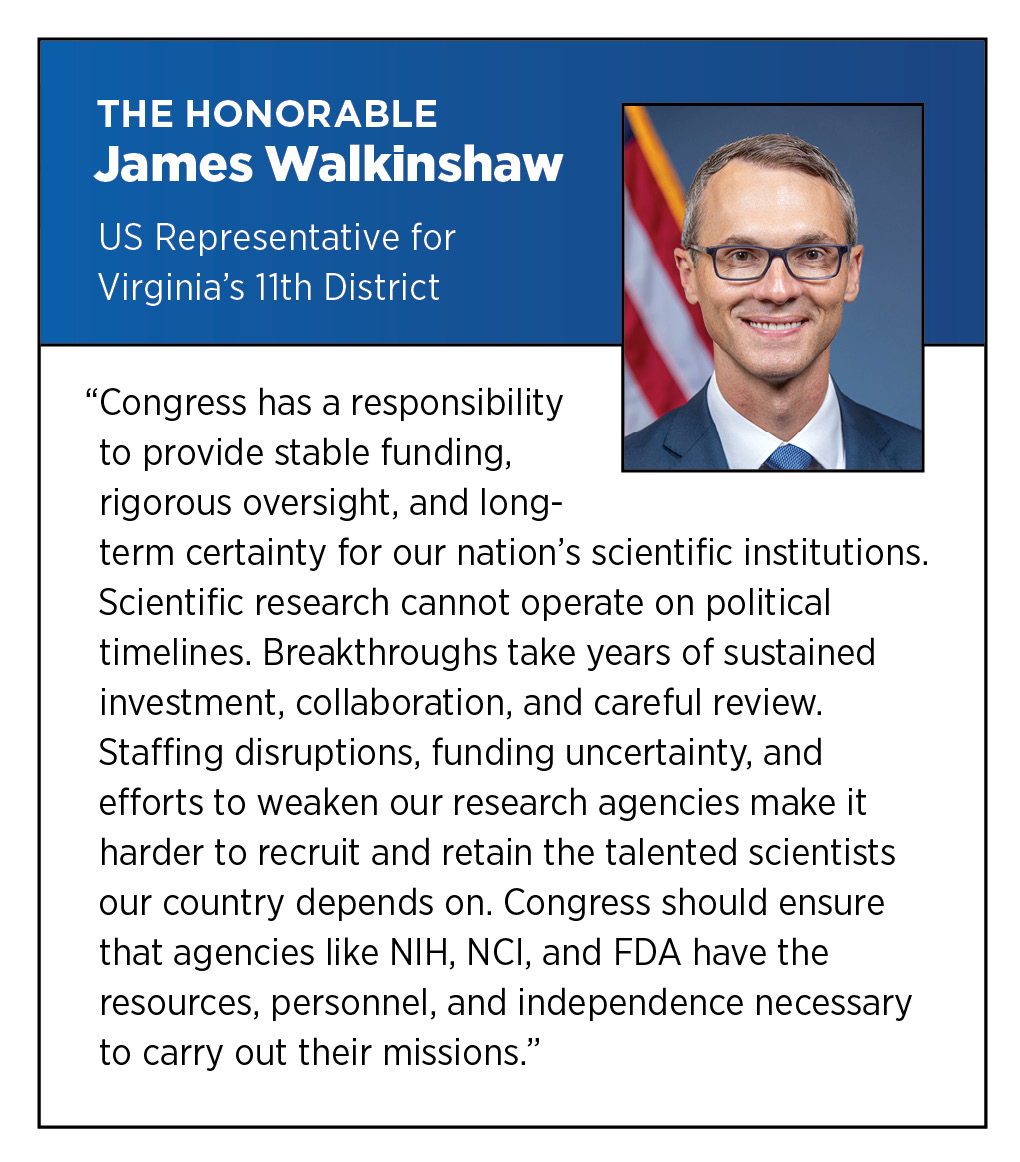
The remarkable progress against cancer achieved over the past several decades has been made possible by the scientists, clinicians, trainees, and research staff whose collective talent and effort have fueled discoveries and translated them into better outcomes for patients. Sustaining and accelerating that progress will require a cancer research and care workforce that is sufficient in number, highly skilled, and supported at every stage of the career pathway. As described by Representative James Walkinshaw (D-VA), building and sustaining this workforce is essential to ensuring that advances in cancer research and patient care continue for decades to come.
A robust workforce is also one that draws on the full breadth of the nation’s talent. Recruiting, training, and retaining individuals from across communities, backgrounds, and life experiences expands the pool of people contributing to cancer research and helps ensure that the enterprise can meet the needs of all patients. A diverse workforce that brings together individuals with varied perspectives and educational backgrounds is more likely to ask innovative scientific questions, develop more relevant study designs, and adopt varied approaches to data collection and interpretation, ultimately expanding the scope of scientific knowledge (1048)Gomez LE, et al. (2019) Journal of the National Medical Association, 111: 383.. A workforce that fails to develop talent from large segments of the population cannot reach its full size, strength, and potential.
Federal training and career-development programs play an important role in building this workforce. Decades of federal investment in these programs have helped broaden participation in the medical research workforce. Participation in two long-standing NIH undergraduate training programs—the Research Initiative for Scientific Enhancement program and the Minority Access to Research Careers program—more than doubled the rate of doctoral degree completion in the biomedical sciences among students from underrepresented backgrounds (1049)Woodcock A, et al. (2026) Science Advances, 12: eaeh0739.. Sustained investment in these programs strengthens the research workforce and, in turn, the pace of progress against cancer.
Protecting and strengthening the cancer research and care workforce through sustained federal investment in research, training, and career development are essential to ensuring that progress against cancer continues for patients everywhere.
Applying Regulatory Science to Ensure Safe and Effective Cancer Therapies
The US Food and Drug Administration (FDA) works to protect the public health by ensuring the safety and efficacy of products that together account for about 20 percent of the US economy, including medical devices, tobacco products, and drugs (1050)US Food and Drug Administration. FDA at a Glance 2023. Accessed: June 30, 2026.. This work includes authorities across various stages of the cancer drug development process, ranging from translational laboratory studies to clinical trials and post-marketing evaluation.
As our understanding of cancer has advanced, cancer drug development has become increasingly complex. To better integrate the various disciplines required to understand cancer therapeutics, the FDA Oncology Center of Excellence (OCE) was established in 2017. This initiative brought together experts from across major FDA medical product centers, including the Center for Drug Evaluation and Research (CDER), the Center for Biologics Evaluation and Research (CBER), and the Center for Devices and Radiological Health, in service of streamlining oncology drug regulation. Since 2023, OCE has overseen nearly 200 approvals for cancer therapies, with over 50 approvals in 2025 alone. This is despite the significant turnover the agency has faced, particularly in OCE, where a staff of around 100 clinical reviewers, responsible for evaluating medical research and clinical trials data to determine whether the benefit–risk ratio for a given cancer therapeutic could support approval, was reported to have reached only half that size (1051)National Public Radio. Former FDA Commissioner Scott Gottlieb on the resignation of Marty Makary. Accessed: June 30, 2026.. These significant departures among career staff are matched by that of senior leadership, for which there have been 13 center directors across CDER and CBER between 2025 and 2026 (1052)Insights. 13 Center Directors Across CDER, CBER In 17 Months … And Counting. Accessed: June 30, 2026..
Still, the agency has managed to push forward a variety of new policies and positions that clarify how oncology drug developers can advance the safety and efficacy of therapeutics while maintaining the rapid pace of innovation. The FDA 2025 OCE Annual Report highlights significant achievements including 70 approvals, 1277 meetings with sponsors, 9 guidance documents, and 33 workshops or events (1053)US Food and Drug Administration. 2025 | OCE Annual Report. Accessed: June 30, 2026..
Advances in Rigorous Clinical Trial Design
Clinical trial design continues to evolve to generate more rigorous, efficient, and patient-centered evidence that informs both regulatory decision-making and clinical practice. Recent advances have focused on incorporating the patient perspectives into drug development, optimizing dose selection to enhance patient outcomes, modernizing approaches to evaluating complex combination therapies, and streamlining trial conduct while maintaining scientific rigor. These efforts are helping ensure that oncology clinical trials produce evidence that is both scientifically robust and meaningful to patients.
Patients are increasingly recognized as essential partners in the design and evaluation of cancer clinical trials. Through the Patient-Focused Drug Development (PFDD) initiative, FDA continues to advance approaches for systematically incorporating patients’ experiences, preferences, symptoms, and treatment priorities into medical product development. FDA’s PFDD Guidance Series provides recommendations for collecting patient experience data and selecting, developing, or modifying fit-for-purpose clinical outcome assessments (COAs) that measure outcomes most meaningful to patients (1054)US Food and Drug Administration. FDA Patient-Focused Drug Development Guidance Series for Enhancing the Incorporation of the Patient’s Voice in Medical Product Development and Regulatory Decision Making. Accessed: June 30, 2026.. These efforts were highlighted during the 10th Annual Clinical Outcome Assessment in Cancer Clinical Trials Workshop, held in October 2025, which convened regulators, researchers, patient advocates, and industry representatives to discuss advances in integrating patient reported outcomes and other COAs into oncology drug development (1055)US Food and Drug Administration. FDA WORKSHOP: 10th Annual Clinical Outcome Assessment in Cancer Clinical Trials Workshop OCTOBER 8, 2025 – 10/08/2025. Accessed: June 30, 2026.. As patients receive increasingly personalized therapies and remain on treatment for extended periods, incorporating the patient voice has become essential for understanding treatment benefit beyond traditional clinical endpoints such as tumor response and survival (1056)Blackstone EC, et al. (2025) J Clin Oncol, 43: 1176..
Clinical trial design is also evolving to optimize dose selection throughout drug development. Historically, many oncology therapies were developed using the maximum tolerated dose paradigm, but recent regulatory efforts have emphasized identifying doses that maximize clinical benefit while minimizing treatment-related toxicity. FDA continues to encourage sponsors to incorporate model-informed drug development strategies, including quantitative systems pharmacology (QSP), to support scientifically informed dose selection during early clinical development. In 2025, FDA released draft guidance describing the use of QSP-based approaches to determine the minimum anticipated biological effect level for first-in-human clinical trials (1057)US Food and Drug Administration. Quantitative Systems Pharmacology (QSP)-Based Dose Selection for Minimum Anticipated Biological Effect Level (MABEL) in First-in-Human (FIH) Trials. Accessed: June 30, 2026.. Additional draft guidance addressing dosage optimization for oncology therapeutic radiopharmaceuticals further encourages sponsors to evaluate dose-response relationships early in clinical development (1058)US Food and Drug Administration. Oncology Therapeutic Radiopharmaceuticals: Dosage Optimization During Clinical Development. Accessed: June 30, 2026.. Reinforcing these principles, discussions during the July 17, 2025, meeting of FDA’s Oncologic Drugs Advisory Committee (ODAC) in which the biologics license application for belantamab mafodotin-blmf (Blenrep) was reviewed, highlighted the importance of identifying doses that optimize efficacy while minimizing treatment-related toxicity (see Increasing Access to and Representation in Clinical Trials).
As oncology treatment increasingly relies on combination therapies, clinical trial designs are being leveraged to address the unique scientific and regulatory challenges of evaluating multi-agent regimens. FDA guidance on the development of cancer drugs for use in novel combinations provides recommendations for demonstrating the contribution of each individual therapy to the overall treatment effect while maintaining scientifically rigorous and feasible study designs (1059)US Food and Drug Administration. Development of Cancer Drugs for Use in Novel Combination – Determining the Contribution of the Individual Drugs’ Effects. Accessed: June 30, 2026.. Ongoing efforts across the oncology research community continue to refine approaches to evaluating combination therapies, including innovative trial designs, biomarker-driven strategies, and statistical methods that improve the efficiency of clinical development while maintaining rigorous standards for demonstrating safety and effectiveness (1060)Friends of Cancer Research. Assessing Contribution of Effect (COE) in Oncology Combination Therapies: Lessons Learned to Inform and Optimize Future Registrational Trial Designs. Accessed: June 30, 2026.(1061)Precision for Medicine. Biomarker-Driven Clinical Trials in Oncology: Enrichment, Stratification, All-Comers & Basket. Accessed: June 30, 2026.. These advances are helping accelerate the development of combination regimens while preserving the scientific integrity needed to support regulatory decision-making.
Increasing Access to and Representation in Clinical Trials
Historically, clinical trial cohorts have differed significantly from real-world patient populations in key demographic characteristics, such as age, comorbidities, race, ethnicity, and geographic location. These differences can limit the generalizability of trial findings and contribute to disparities in access to innovative cancer therapies (1062)Vo TT, et al. (2025) Clin Cancer Res, 31: 4396.. To ensure the quality and relevance of clinical cancer research going forward, it is essential for trials to have representative cohorts that mirror the patient populations most likely to benefit from newly approved therapies.
Recent analyses indicate measurable progress in aligning clinical trial populations with real-world demographics. A 2025 study reported that the age gap between patients enrolled in oncology registrational trials and the general population has narrowed over time (1063)Haslam A, et al. (2025) Journal of the American Geriatrics Society, 73: 3655.. These findings likely reflect sustained collaborative work between regulators, academia, patient advocacy organizations, and industry to modernize eligibility criteria and reduce unnecessary exclusions while maintaining patient safety.
In December 2025, FDA finalized its guidance titled Enhancing Participation in Clinical Trials—Eligibility Criteria, Enrollment Practices, and Trial Designs (1064)US Food and Drug Administration. Enhancing Participation in Clinical Trials — Eligibility Criteria, Enrollment Practices, and Trial Designs. Accessed: June 30, 2026., building on previous efforts to improve trial representativeness. This guidance encourages sponsors to adopt scientifically justified eligibility criteria, reduce unnecessary exclusions, incorporate patient-centered trial designs that are flexible and accessible, and implement enrollment practices that facilitate participation among populations historically underrepresented in clinical research. These recommendations aim to generate evidence that more accurately reflects patients treated in routine oncology practice and reinforce FDA’s commitment to enhancing clinical trial representation.
FDA has also continued to emphasize the importance of ensuring that data supporting regulatory decisions are applicable to US patients. As noted earlier, during the July 17, 2025, meeting of ODAC, committee members discussed the biologics license application for belantamab mafodotin-blmf and considered, among other issues, whether the study population adequately reflected patients likely to receive the therapy in the United States (1065)US Food and Drug Administration. July 17, 2025: Meeting of the Oncologic Drugs Advisory Committee – 07/17/2025. Accessed: June 30, 2026.. Advisory committee members noted that two pivotal studies included limited enrollment of US patients and used comparator regimens that are not commonly administered in the United States, raising concerns about the generalizability of the findings to US clinical practice. Discussions during the meeting underscored that as oncology trials become increasingly global, study designs must continue to include appropriate control arms and adequate representation of US patients to ensure that trial results remain relevant for regulatory decision-making and the patients who will ultimately receive these therapies.
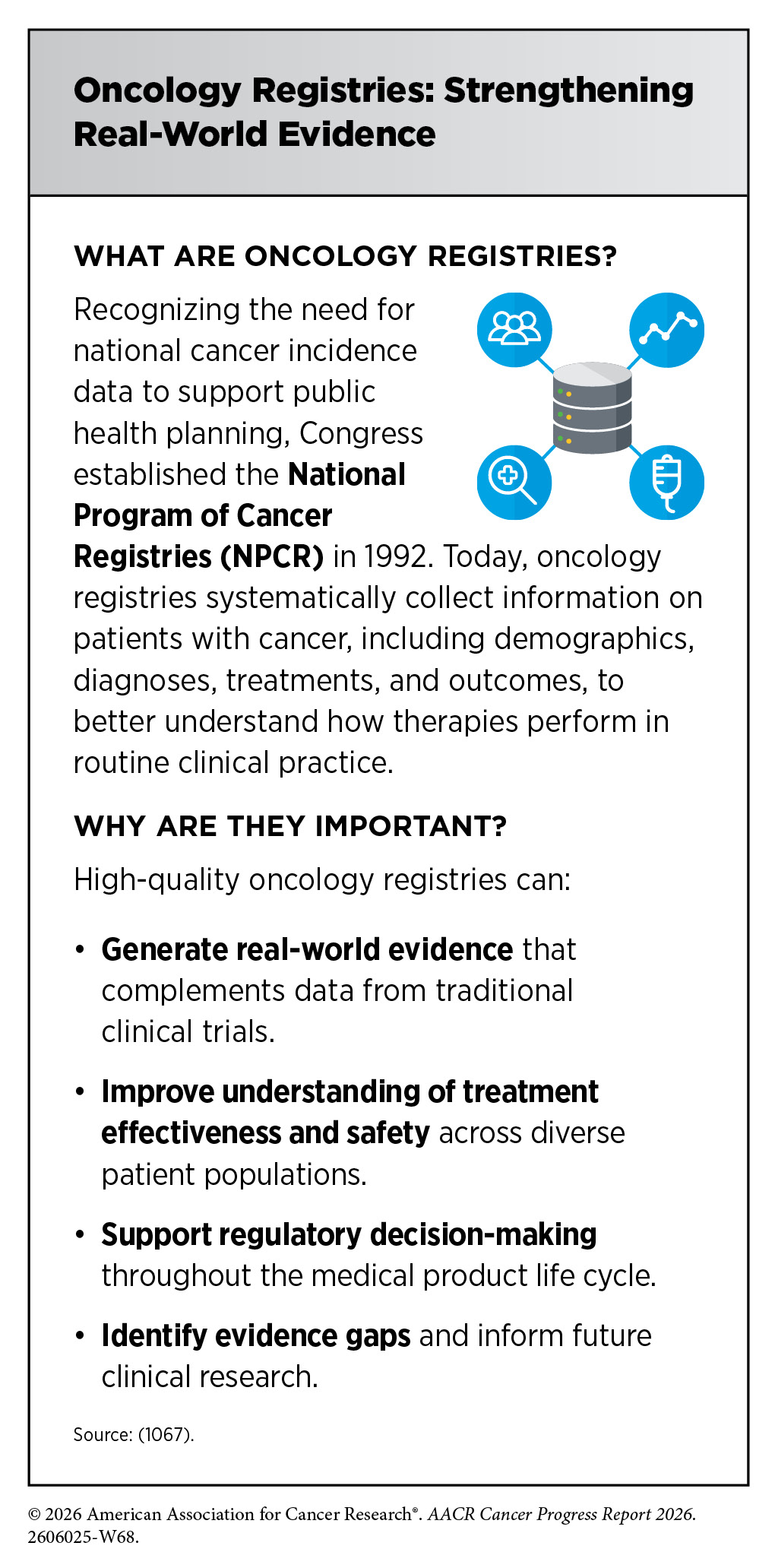
Another important advance has been the continued integration of real-world evidence (RWE) into oncology drug development and regulatory decision-making. In December 2025, FDA announced actions intended to eliminate long-standing administrative barriers to incorporating RWE into reviews of drug and medical device applications (1066)US Food and Drug Administration. FDA Eliminates Major Barrier to Using Real-World Evidence in Drug and Device Application Reviews. Accessed: June 30, 2026.. These changes are expected to facilitate the use of data collected outside traditional clinical trials, including electronic health records, claims databases, and disease registries, to complement evidence generated through randomized studies, particularly for populations that have historically been underrepresented in clinical trials.
These regulatory, methodological, and policy advances reflect a broader transformation in oncology clinical research. By actualizing these practices, researchers and regulators are working toward a clinical trial ecosystem that is more efficient, more inclusive, and more representative of the patients who will ultimately benefit from new cancer therapies.
Rapidly Delivering Safe and Effective Therapies to Patients
Cancer drug development continues to deliver therapeutics that are more effective and less toxic than previous treatments. This year in particular, the drug development community has come together and made significant strides toward further increasing the rate of innovation to improve the availability of these transformative therapeutics and thereby improve outcomes for all.
FDA has led the charge on this, releasing a number of guidance documents, initiatives, and more with the potential to significantly speed drug development. FDA’s flagship program to accelerate drug development, the Accelerated Approval Program, continues to allow the earlier approval of drugs that treat serious conditions, such as cancer, based on early endpoints of clinical benefit instead of traditional endpoints that may require more time to be evaluable. As of June 2026, over 180 oncology drugs are currently available under accelerated approval or have been converted from accelerated approval to traditional approvals, signaling their confirmed positive impacts for patients (1068)US Food and Drug Administration. Accelerated Approval Program. Accessed: June 30, 2026.. Indeed, a recent study showed patients gained over 50,000 life years as a result of drugs that received accelerated approval during the analysis period (531)To TM, et al. (2026) Cancer Research Communications, 6: 191.. However, approving therapies based on early endpoints does carry risks as well as benefits. If the early endpoint an approval is based on does not strongly correlate with long-term outcomes, patients may be exposed to therapies that are inefficacious, are no better than standard of care, or may even be toxic. To protect against this, FDA recently outlined updated expectations for the withdrawal of therapeutics for which observed benefits that led to accelerated approval are not realized with longer-term endpoints (1069)US Food and Drug Administration. Expedited Program for Serious Conditions — Accelerated Approval of Drugs and Biologics Guidance for Industry. Accessed: June 30, 2026..
FDA has also emphasized rigorous processes for the selection and development of endpoints across clinical trials, including traditional clinical benefit endpoints such as the gold standard of overall survival (OS) in addition to the earlier endpoints that accelerated approval relies upon. For example, FDA and AACR co-led a public workshop, titled Approach to Novel Oncology Endpoint Development (1070)American Association for Cancer Research. FDA-AACR Workshop: Approach to Novel Oncology Endpoint Development. Accessed: June 30, 2026.. This workshop highlighted methods that the cancer research community can use to work together to develop new endpoints that mediate faster approvals while maintaining patient safety. In support of this work was a guidance on the use of the recently FDA-endorsed novel endpoint minimal residual disease (MRD) in multiple myeloma (1071)US Food and Drug Administration. Minimal Residual Disease and Complete Response in Multiple Myeloma: Use as Endpoints to Support Accelerated Approval Guidance for Industry. Accessed: June 30, 2026.. Researchers also continue to make progress toward the validation of novel endpoints, with significant multi-stakeholder collaborations such as the Friends of Cancer Research ctMoniTR Project, which seeks to standardize, and eventually establish, the use of circulating tumor DNA as a potential early endpoint, reporting promising data and moving the field toward the prospective trials necessary to establish a novel endpoint (1072)Andrews HS, et al. (2025) J Immunother Cancer, 13..
In addition to this focus on novel endpoints, regulatory science research continues to determine how to best leverage statistics and clinical trial designs in service of a better understanding of OS. FDA recently published a guidance discussing approaches to and considerations for evaluating OS (1073)US Food and Drug Administration. Approaches to Assessment of Overall Survival in Oncology Clinical Trials Guidance for Industry. Accessed: June 30, 2026., and past efforts such as the FDA-AACR-ASA Workshop on Overall Survival in Oncology Clinical Trials from 2023 continues to bear fruit, with a special six-article series published by leaders of the workshop that provides updates and advances in the evaluation of OS (1074)Lu R, et al. (2026) Statistics in Biopharmaceutical Research, 18: 215.. Patient voices have also expressed the continued essentiality of OS in approval decisions, with a comprehensive survey of breast cancer patients identifying unified support for the idea that faster approval at the expense of certainty about the clinical benefit of a drug is most acceptable when no alternative treatments exist or when the therapeutic is expected to be transformational (1075)Forrest R, et al. (2026) JAMA Netw Open, 9: e2617450..
Federal biomedical research agencies have also taken a broader interest in the development of novel approach methodologies (NAMs), which are innovative methods to assess the safety or efficacy of drugs and include human-based laboratory studies and computational models (see Generating Knowledge Through Basic Research). By fostering the use of these models through their Roadmap to Reducing Animal Testing in Preclinical Safety Studies, FDA hopes to reduce not only animal testing but also the lag time between drug discovery and clinical trial initiation (1076)US Food and Drug Administration. Roadmap to Reducing Animal Testing in Preclinical Safety Studies. Accessed: June 30, 2026.. FDA has made significant progress toward this goal in oncology drug development by releasing guidance outlining general principles for the use of NAMs and guidance specific to the use of NAMs within oncology drug development (94)US Food and Drug Administration. FDA Issues Draft Guidance to Cut Unnecessary Animal Testing for Cancer Drugs. Accessed: June 30, 2026.(1077)US Food and Drug Administration. FDA Releases Draft Guidance on Alternatives to Animal Testing in Drug Development. Accessed: June 30, 2026.. Of particular interest, the oncology specific guidance recommends instances in which traditional 3-month toxicity studies in non-human primates may be replaced with rodent studies or other evidence, potentially decreasing both development timelines and costs.
These programs synergize with an abundance of new efforts aimed directly at increasing the speed and ease of running clinical trials. Stakeholders across the research ecosystem are facing growing challenges in initiating and conducting studies efficiently, with operational barriers at both the trial and site levels such as protocol complexity, redundant startup processes, contracting, institutional review board review, and infrastructure limitations. Further, enrollment, maintaining equipoise throughout the trial, and in some cancers long timelines to trial completion can mean that even exceptional therapeutics experience difficult journeys from discovery to approval. This has led to many trials being primarily conducted in countries outside the United States, with China and Australia becoming home to a significant portion of clinical studies (1078)Seidler AL, et al. (2023) Med J Aust, 219: 192.(1079)National Security Commission on Emergency Biotechnology. Report Summary: Charting the Future of Biotechnology. Accessed: June 30, 2026..
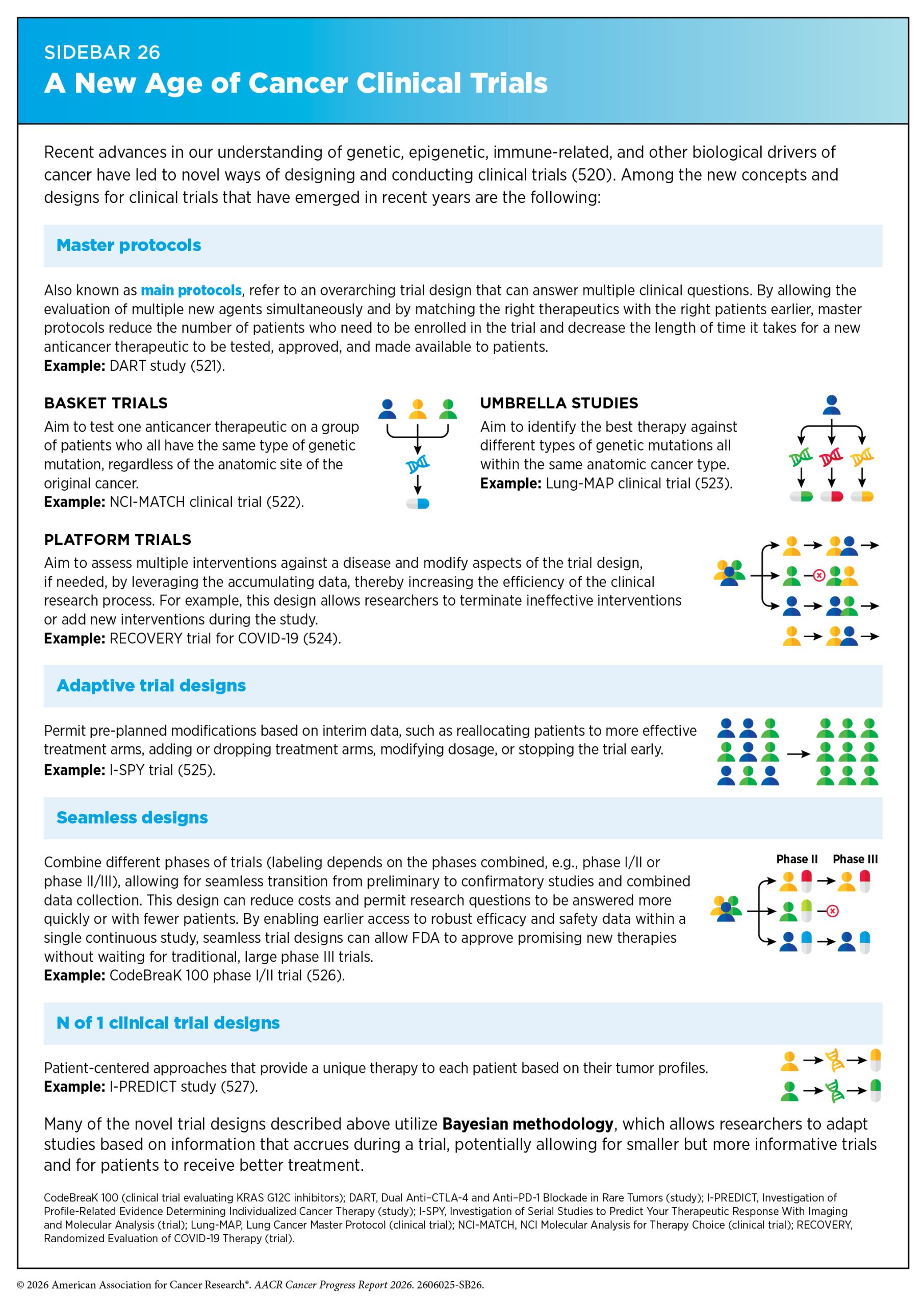
One issue that both impacts clinical trial availability for patients and extends development timelines is that trials traditionally close between phases to report data to regulatory agencies. FDA has released two specific efforts to address this. First, they released guidance on the use of Bayesian clinical trial designs (see Sidebar 26), which can support the use of adaptive seamless trials that do not pause, as well as allow for the integration of data from outside the trial into final analyses, potentially spurring more efficient and well-informed trial analyses (1080)US Food and Drug Administration. Use of Bayesian Methodology in Clinical Trials of Drug and Biological Products Guidance for Industry. Accessed: June 30, 2026.. FDA is also working toward a pilot program for real-time clinical trials, which do not need to pause because they report safety data to FDA throughout the course of the trial (1081)US Food and Drug Adiministration. FDA Announces Major Steps to Implement Real-Time Clinical Trials. Accessed: June 30, 2026.. Two clinical trials using this paradigm are already underway as test cases, both in early-phase oncology settings. Further, the US Department of Health and Human Services (HHS) announced an agency-wide initiative known as Operation TrialBlazer with the goal of strengthening US leadership in clinical research (1082)US Department of Human and Health Services. HHS Launches Unprecedented Department-Wide Effort to Restore American Leadership in Clinical Trials. Accessed: June 30, 2026.. Under this initiative, FDA is planning a program that would accelerate trial initiation by expediting the investigational new drug process, which facilitates authorization for new drugs to be tested in human patients (1083)Federal Register. Expedited Investigational New Drug Pilot Program; Request for Information. Accessed: June 30, 2026..
Together, all of these initiatives bring together regulatory innovation and cancer science to provide cancer patients with access to new therapeutics as quickly and as safely as possible.
Regulatory Collaboration and Global Harmonization
Regulatory collaboration and global harmonization are essential pillars in accelerating the development and delivery of safe, effective cancer therapies worldwide. By aligning standards, processes, and scientific requirements across countries, regulatory harmonization facilitates faster access to new treatments, reduces inefficiencies, and helps ensure patients around the world benefit equally from biomedical innovation.
FDA has played a central role in these efforts, engaging with international stakeholders through several global organizations, including the International Council for Harmonisation (ICH), the International Pharmaceutical Regulators Programme, and the International Coalition of Medicines Regulatory Authorities (1084)US Food and Drug Administration. International Regulatory Harmonization. Accessed: June 30, 2026.. For example, FDA has published multiple guidance documents recently prepared under the auspices of ICH, with topics ranging from clinical trial protocol standardization, computational model–informed drug development, and best practices for adaptive clinical trials (1085)US Food and Drug Administration. M15 General Principles for Model-Informed Drug Development. Accessed: June 30, 2026.(1086)US Food and Drug Administration. M11 Clinical Electronic Structured Harmonised Protocol. Accessed: June 30, 2026.(1087)Center for Drug Evaluation and Research. E20 Adaptive Designs for Clinical Trials. Accessed: June 30, 2026.. Additionally, FDA continues to extend its reach to new partners while also strengthening its relationship with long-time allies, as evidenced by its cooperative agreement with the recently formed African Medicines Agency and the establishment of a new program in partnership with the United Kingdom Medicines and Healthcare products Regulatory Agency, which installed on-site reciprocal liaisons at the respective agencies (1088)US Food and Drug Administration. Statement of Cooperation Between the United States Food and Drug Administration and the African Medicines Agency Regarding Cooperation to Enhance Activities of Mututal Interest. Accessed: June 30, 2026.(1089)GOV.UK. Unique liaison programme set to reinforce close collaboration between MHRA and FDA. Accessed: June 30, 2026.. Topic-specific collaborations have also been established, particularly with the European Medicines Agency and FDA aligning on 10 guiding principles for the use of artificial intelligence (AI) to advance drug and biological product development (1090)US Food and Drug Administration. Center for Drug Evaluation and Researc. Guiding Principles of Good AI Practice in Drug Development. Accessed: June 30, 2026..
FDA OCE has also established key relationships with international stakeholders through its flagship Project Orbis initiative, which is now in its seventh year. Through Project Orbis, FDA OCE established a structured pathway for collaborative evaluation of cancer therapies across international regulatory agencies, including those from Brazil, Israel, Singapore, Switzerland, the United Kingdom, Australia, and Canada, reducing delays and enabling more patients to benefit from lifesaving treatments sooner. In 2025, Project Orbis facilitated 19 product approvals, contributing to a total of 143 approvals through April 2026 (1091)US Food and Drug Administration. Project Orbis. Accessed: June 30, 2026..
Regulatory collaboration has become a foundational element of the global oncology ecosystem, reflecting a sustained commitment to aligning regulatory science for faster and more equitable access to cancer therapies. However, more work remains to be done; a lack of harmonization has, in part, led to discrepancies in the availability of certain therapeutics throughout the world, including chimeric antigen receptor (CAR) T-cell therapy and other immunotherapies (1092)Bortolot M, et al. (2026) American Society of Clinical Oncology Educational Book, 46: e517100.(1093)Ge AY, et al. (2026) Blood, 147: 1521.. The future of global cancer care will be shaped by the shared understanding, representation, and innovation that results from these important collaborations and those that are to come.
Advancing Policies to Strengthen Cancer Prevention and Screening Programs
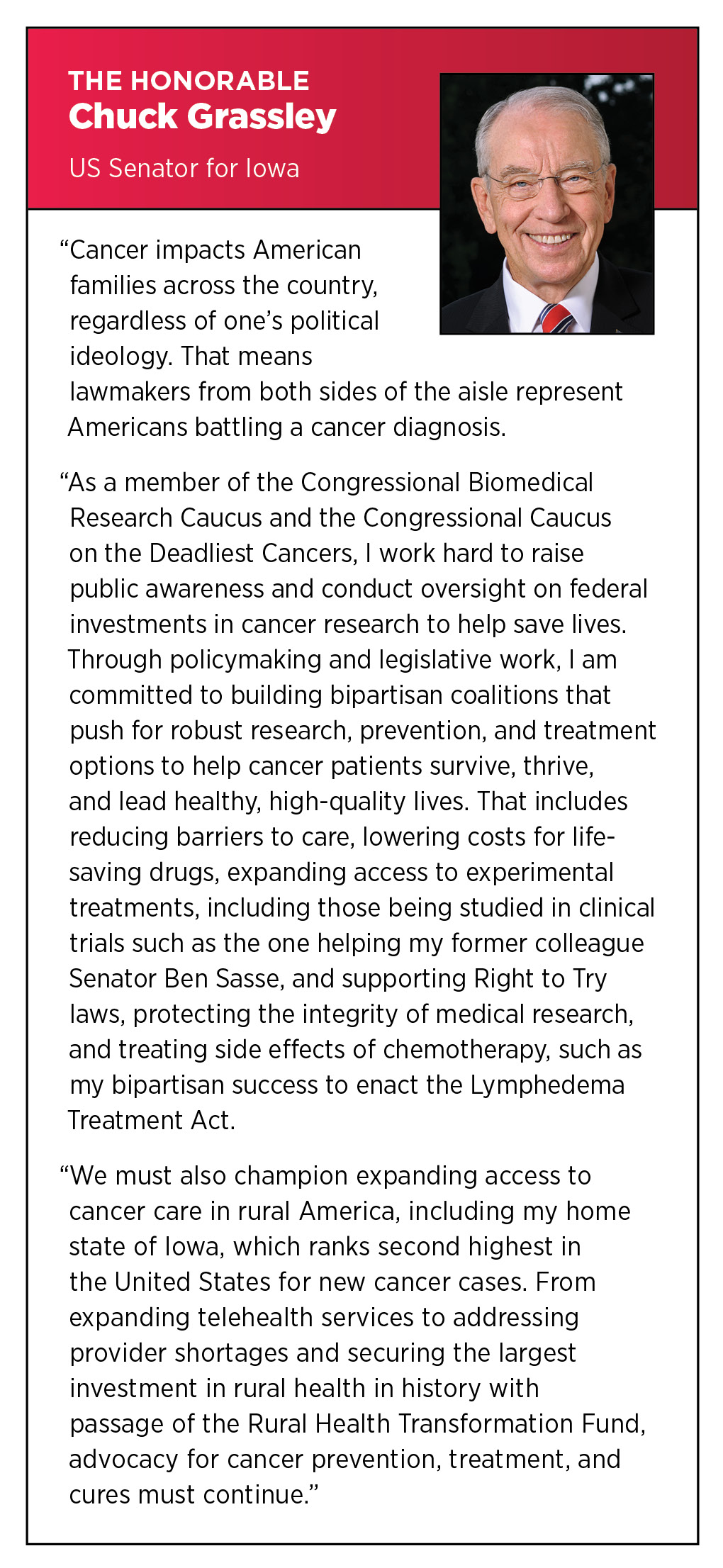
Cancer prevention and early detection are among the most powerful tools for reducing cancer incidence and mortality. In fact, almost half of all cancer deaths globally could be avoided through primary prevention and improvements in early detection and screening (1094)Langselius O, et al. (2026) Lancet Glob Health, 14: e356.. In the United States, over 40 percent of yearly cancer deaths could be prevented because the cancer can be attributed to modifiable risk factors, such as tobacco use, dietary factors, and ultraviolet (UV) exposure (see Reducing the Risk of Cancer Development). Research has shown that routine screening for common cancers and early warning signs using evidence-based approaches is essential for improving treatment options and survival (see Cancer Screening for Early Detection). However, the benefits of prevention and screening are not shared equitably. Inequities in access to screenings and follow-up care contribute to health disparities and reduced survival in some patient populations. Persistent barriers, including cost-sharing, underinsurance, limited access to primary and specialty care, inadequate follow-up after abnormal findings, and geographic and structural inequities continue to delay diagnosis and worsen outcomes for many individuals, particularly those living in rural and medically underserved communities. Policymakers like Senator Chuck Grassley (R-IA) are continuing to work to support these rural medical services, investing in programs such as the Rural Community Hospital Demonstration. To continue progress against cancer and improve survival rates, it is essential to implement innovative and inclusive cancer prevention and screening policies that ensure equitable access to early detection for all populations.
Policymakers and Congress have taken notable steps to modernize the prevention and screening landscape. The Nancy Gardner Sewell Medicare Multi-Cancer Early Detection (MCED) Screening Coverage Act was signed into law on February 3, 2026, as part of the Consolidated Appropriations Act funding federal agencies through the remainder of FY 2026 (1095)Congress.gov. H.R.842 – 119th Congress (2025-2026): Nancy Gardner Sewell Medicare Multi-Cancer Early Detection Screening Coverage Act. Accessed: June 30, 2026.. Introduced by Senator Mike Crapo (R-ID), the legislation modernizes the Medicare program by creating a new benefit category for MCED tests, which will allow the Centers for Medicare and Medicaid Services (CMS) to initiate an evidence-based coverage process for such tests upon their approval by FDA. Beginning in 2028, Medicare will be authorized to cover and pay for MCED screening tests that are FDA-approved and used to screen across many cancer types, where CMS determines such coverage is appropriate. Increased access to coverage though CMS remains a priority for Congress, with Representative Doris Matsui (D-CA) and Representative Gus Bilirakis (R-FL) introducing the Finn Sawyer Access to Cancer Screening Act in the 119th Congress, which would increase coverage of certain cancer diagnostic and laboratory tests. Although MCED tests are not a substitute for guideline-recommended organ-specific screening, the law represents a major policy milestone by establishing a mechanism for coverage of emerging blood-based technologies that may eventually complement existing screening programs and help identify cancers that currently lack recommended screening approaches. This policy advance holds tremendous promise for increasing the likelihood that treatment will be successful, lowering treatment costs, and improving quality of life for patients and caregivers.
The Screening for Communities to Receive Early and Equitable Needed Services (SCREENS) for Cancer Act is bipartisan legislation that seeks to reauthorize and strengthen the National Breast and Cervical Cancer Early Detection Program (NBCCEDP) for FY 2026 through FY 2030 (1096)Congress.gov. H.R.2381 – SCREENS for Cancer Act of 2025. Accessed: June 30, 2026.(1097)Congress.gov. S.1866 – 119th Congress (2025-2026): SCREENS for Cancer Act of 2025. Accessed: June 30, 2026.. The Trump Administration’s FY 2026 budget proposal called for eliminating federal funding to many critical cancer prevention and control programs, including the NBCCEDP. The SCREENS for Cancer Act would provide more flexibility to NBCCEDP grantees, allowing for greater emphasis on implementing innovative, evidence-based interventions and aggressive outreach to underserved communities through media, peer educators, and patient navigators. However, both the US House of Representatives and Senate bills are still awaiting action by their respective committees. The Find It Early Act was reintroduced in November 2025 by Representatives Rosa DeLauro (D-CT) and Brian Fitzpatrick (R-PA) and would require all health insurance plans to cover screening and diagnostic breast imaging with no cost-sharing for patients (1098)Congress.gov. H.R.6182 – 119th Congress (2025-2026): Find It Early Act. Accessed: June 30, 2026.. The bill is specifically designed to address coverage gaps for women at elevated risk and is essential to ensuring that out-of-pocket costs no longer serve as a barrier to lifesaving early breast cancer detection.
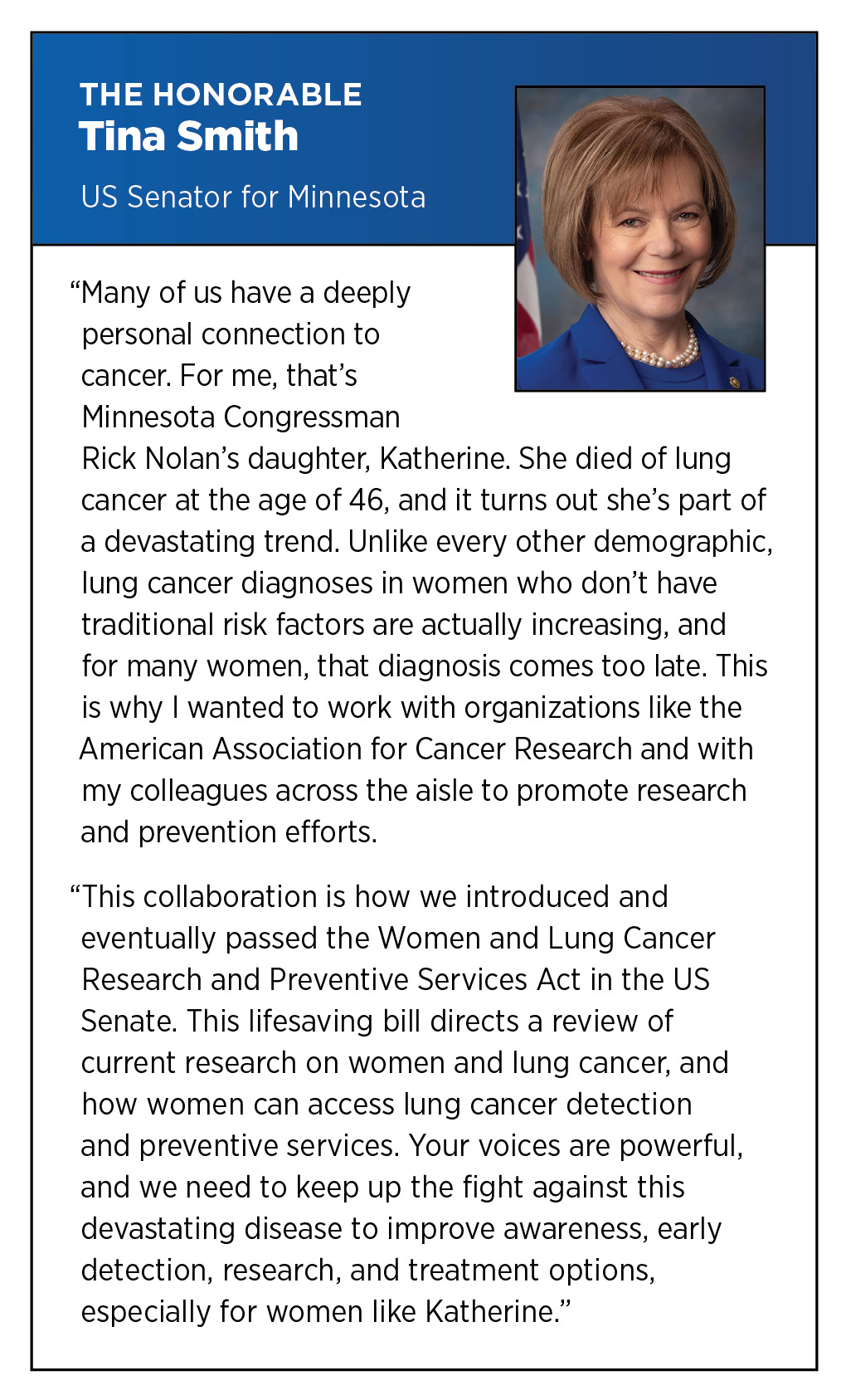
Early detection remains a focal point for Congress, which passed legislation like the EARLY Act Reauthorization, increasing funds for education and prevention programs for young women. The Increasing Access to Lung Cancer Screening Act aims to significantly reduce barriers to lifesaving lung cancer screening for underserved populations (1099)Congress.gov. H.R.6178 – 119th Congress (2025-2026): Increasing Access to Lung Cancer Screening Act. Accessed: June 30, 2026.(1100)Congress.gov. S.4566 – 119th Congress (2025-2026): Increasing Access to Lung Cancer Screening Act. Accessed: June 30, 2026.. The bill mandates that Medicaid programs cover annual lung cancer screenings at no out-of-pocket cost for individuals recommended for screening under US Preventive Services Task Force (USPSTF) guidelines and requires that Medicaid managed care organizations provide this coverage without prior authorization. The bill would also eliminate prior authorization requirements for lung cancer screening under Medicare and private insurers, expand Medicaid coverage for tobacco cessation counseling and pharmacotherapy, and establish a $10 million lung cancer screening education and outreach campaign at HHS.
A significant barrier to cancer prevention and screening services is the associated cost and lack of insurance coverage for many individuals. Recent changes to federal health insurance policy threaten to further undermine access to cancer prevention and screening services. The Patient Protection and Affordable Care Act (ACA) requires most private health plans and Medicaid expansion programs to cover USPSTF-recommended preventive services, including evidence-based cancer screenings, without patient cost-sharing (1101)KFF. Cancer-Related Preventive Health Services for Adults Covered by the ACA. Accessed: June 30, 2026.. However, the expiration of the enhanced ACA Marketplace premium tax credits at the end of 2025 is expected to substantially increase premiums and reduce insurance coverage for millions of Americans (1102)KFF. ACA Marketplace Premium Payments Would More than Double on Average Next Year if Enhanced Premium Tax Credits Expire. Accessed: June 30, 2026.. The Congressional Budget Office estimates that will increase the number of uninsured people by approximately 2.2 million in 2026, and by an average of 3.8 million each year through 2034 (1103)Congress.gov. Enhanced Premium Tax Credit and 2026 Exchange Premiums: Frequently Asked Questions. Accessed: June 30, 2026.. In addition, the 2025 Federal Budget Reconciliation Law includes new Medicaid work requirements beginning in 2027 that are projected to further increase the number of uninsured individuals (1104)Congress.gov. Text – H.R.1 – 119th Congress (2025-2026): An act to provide for reconciliation pursuant to title II of H. Con. Res. 14. Accessed: June 30, 2026.(1105)KFF. A Closer Look at the Work Requirement Provisions in the 2025 Federal Budget Reconciliation Law. Accessed: June 30, 2026.. Uninsured adults are significantly less likely to receive recommended cancer screening services and are more likely to be diagnosed with cancer at later stages, and these coverage losses threaten to erode recent progress in early detection and cancer outcomes. Sustaining affordable health insurance coverage is therefore essential to ensuring equitable access to evidence-based cancer prevention and screening services.
Improving Screening Guidelines and Risk-based Approaches
Cancer screening policy is developed through rigorous evidence review to maximize the benefits of early detection while minimizing potential harm, such as overdiagnosis, false-positive results, unnecessary procedures, and patient anxiety. USPSTF plays a central role in providing recommendations that inform insurance coverage of preventive services without patient cost-sharing under the ACA. Consequently, timely USPSTF review and updating of cancer screening recommendations are essential not only for ensuring that clinical practice reflects the latest evidence, but also for determining whether patients can access recommended screening without financial barriers. USPSTF issued a draft update to cervical cancer screening recommendations in December 2024 that would incorporate patient-collected high-risk human papillomavirus (hrHPV) testing as an option for some individuals ages 30 to 65, reflecting growing evidence that self-collection can improve access to screening while maintaining clinical accuracy (1106)United States Preventive Services Taskforce. Draft Recommendation: Cervical Cancer: Screening. Accessed: June 30, 2026.. However, USPSTF has not met since March 2025 after repeated meeting cancellations and postponements, and this draft recommendation has not been finalized (1107)Reuters. US postpones third consecutive meeting of preventive health panel. Accessed: June 30, 2026.. Furthermore, in May 2026, the HHS secretary removed the USPSTF chair and vice chair, raising concerns about the panel’s independence and potential for further delays in updating recommendations that shape cancer screening coverage and clinical care (1108)Reuters. US Health Secretary Kennedy fires heads of key preventive health panel. Accessed: June 30, 2026..
Beyond USPSTF, there have been other important advances in cervical cancer screening policy. On January 5, 2026, the Health Resources and Services Administration (HRSA) announced landmark revisions to cervical cancer screening guidelines (1109)Human Resources and Services Administration. New Cervical Cancer Screening Guidelines Strengthen Women’s Preventive Health. Accessed: June 30, 2026.. Approximately one in four women in the United States is not up to date on cervical cancer screening, a decline driven in part by the invasive nature of traditional Pap tests administered by a clinician (1110)Qin J, et al. (2026) Obstet Gynecol, 147: 306.. The updated guidelines directly address these gaps and now recommend hrHPV testing every 5 years as the preferred screening method for average-risk women ages 30 to 65. Of crucial importance, women may now self-collect samples either in a clinical setting or at home, as clinical evidence has shown that self-collection is as effective as clinician collection and improves overall screening rates (1111)Green BB, et al. (2026) NEJM Catalyst, 7: CAT.25.0420. doi:10.1056/CAT.25.0420. For women ages 21 to 29, Pap testing every 3 years remains the recommended approach. It is noteworthy that the revised guidelines also will require private insurers to cover not only the initial screening, but also all necessary follow-up diagnostic steps without cost-sharing, effective January 1, 2027, thus closing a gap that had long exposed patients to unexpected out-of-pocket costs. The policy builds on FDA’s 2024 authorization of self-collected hrHPV testing kits for use in health care settings and its May 2025 approval of the first at-home self-collection device (1112)National Cancer Institute. HPV Tests with Self-Collection in a Health Setting Approved. Accessed: June 30, 2026.(1113)PRNewswire. FDA Approves Teal Health’s Teal Wand™–The First and Only At-Home Self-Collection Device for Cervical Cancer Screening, Introducing a Comfortable Alternative to In-Person Screening. Accessed: June 30, 2026.. By expanding patient choice, reducing logistical and financial barriers, and extending access to underserved and rural populations, HRSA’s updated guidelines mark a major advance for cervical cancer prevention and women’s health nationwide. Together, these developments illustrate how evidence-based policy can accelerate the translation of scientific innovation into more accessible, patient-centered cancer prevention and screening strategies.
Currently, eligibility for population-based cancer screening programs is primarily based on age and biological sex. Recent research has underscored the limitations of such one-size-fits-all screening criteria and the need for more individualized, risk-based approaches. Personalized risk-based screening (PRBS) for cancer is an emerging approach that considers individual risk factors such as genetics, environmental exposures, family history, and health behaviors to tailor screening schedules. PRBS has shown promise for improving accessibility, increasing efficiency, and reducing health care costs of traditional screening programs. The WISDOM (Women Informed to Screen Depending on Measures of Risk) randomized clinical trial, which enrolled more than 46,000 women across the United States, demonstrated that personalized risk-based breast cancer screening tailored according to genetic testing, polygenic risk scores, and imaging-based risk scores was as accurate as annual mammography over 5 years and was associated with reduced unnecessary biopsies (501)Esserman LJ, et al. (2026) JAMA, 335: 763..
A complementary modeling study found that risk-stratified screening approaches based on a woman’s 5-year absolute breast cancer risk would avert more breast cancer deaths and reduce false positives compared to standard age-based screening (502)Alagoz O, et al. (2026) JAMA Netw Open, 9: e2552944.. Reflecting this evidence, the National Comprehensive Cancer Network’s (NCCN) Clinical Practice Guidelines: Breast Cancer Screening and Diagnosis now include image-based AI risk assessment as an option starting at age 35 (1114)Targeted Oncology. NCCN Updates Breast Cancer Guidelines to Include AI-Based Risk Assessment. Accessed: June 30, 2026.. The guidelines establish an AI-determined 5-year risk threshold of ≥1.7 percent to classify an individual as being at increased risk. For patients meeting this threshold, NCCN recommends personalized risk-reduction strategies and supplemental imaging, such as breast magnetic resonance imaging or ultrasound, to optimize early detection.
Significant advances have also been made for lung cancer screening. Only approximately 1 in 5 eligible individuals in the United States underwent lung cancer screening in 2024, and analysis shows that increasing screening uptake to 100 percent could increase deaths prevented and life-years gained three-fold (442)Bandi P, et al. (2025) JAMA, 334: 2225.. Efforts to increase uptake include improving awareness of screening recommendations, broadening access to care, and targeting populations for which lung cancer screening will maximize life-years gained. Current USPSTF eligibility criteria for low-dose computed tomography (LDCT) lung cancer screening relies solely on age and smoking history, but a growing body of evidence supports the benefits of multivariable risk prediction models. A study of the comprehensive PLCOm2012 risk prediction model, which incorporates age, smoking history, education, body mass index, history of chronic obstructive pulmonary disease, prior cancer, and family history of lung cancer, found it detects more cases and is more efficient than screening based on traditional, categorical criteria (503)Vogel-Claussen J, et al. (2025) Lancet Oncol, 26: 1541.. These findings reinforce earlier evidence that risk model-based eligibility for LDCT screening detects more lung cancers, particularly among women and underrepresented racial and ethnic minority groups, than categorical criteria alone and strengthens the case for moving toward model-based screening policies. Further development and integration of AI-based tools will better enable PRBS, empower more accurate cancer risk stratification, and shift patients from population-based to targeted screening. Implementation strategies and policies that address barriers at the individual, provider, and health care system levels, as well as mitigate challenges related to algorithmic bias, health equity, and validation of predictive models across diverse populations, will be needed.
Cancer Prevention and Screening Programs
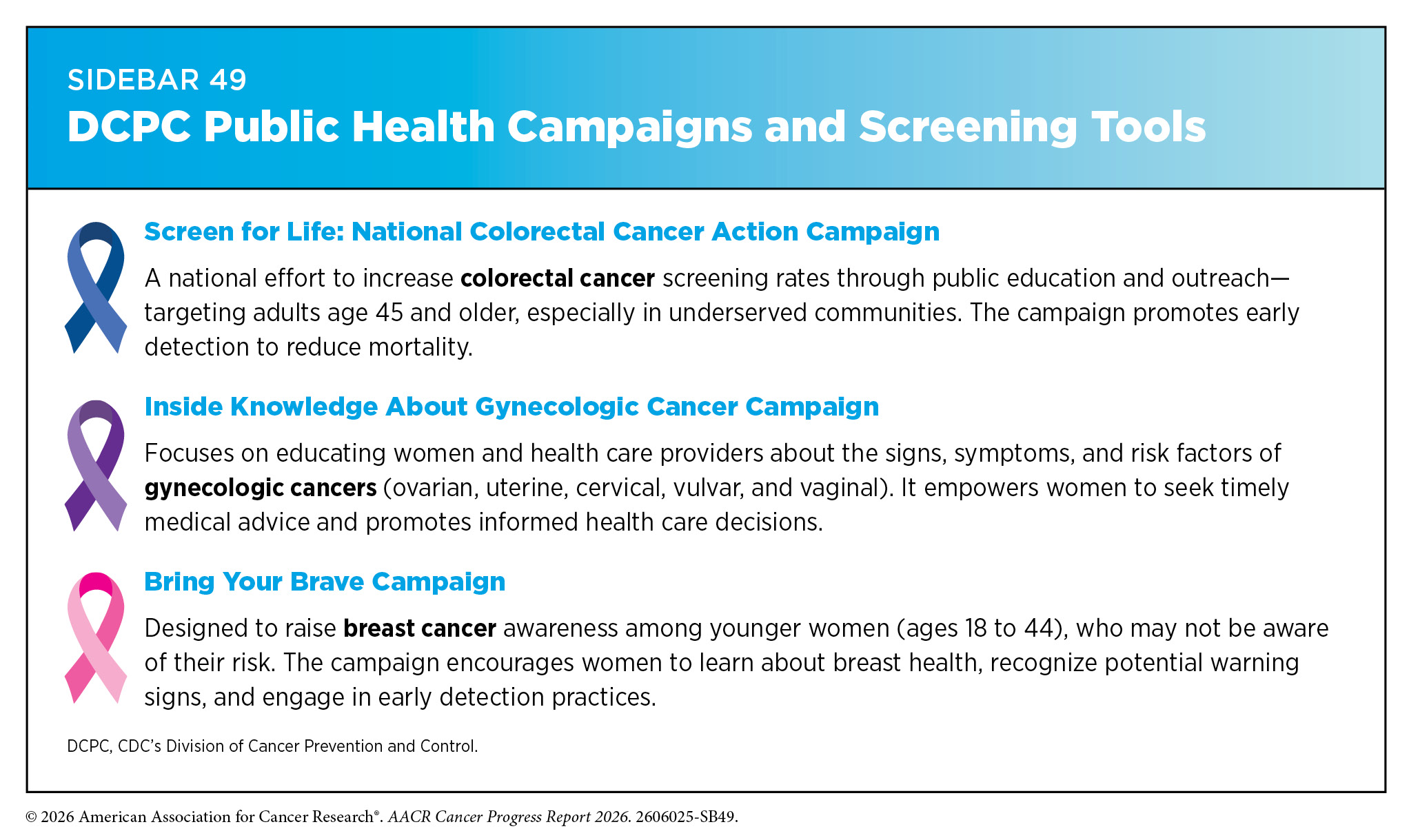
The Centers for Disease Control and Prevention (CDC) continues to play a central role in promoting cancer prevention, increasing screening uptake, and reducing disparities in cancer outcomes through programs administered by the Division of Cancer Prevention and Control. CDC supports evidence-based screening through NBCCEDP, the National Comprehensive Cancer Control Program, and the Colorectal Cancer Control Program, while also providing public education campaigns and implementation resources to help health systems improve delivery of recommended cancer screening services, particularly among medically underserved populations (see Sidebar 49). CDC has continued to expand its Cancer Screening Change Packages, which provide evidence-based strategies that health systems can use to increase screening rates, improve follow-up after abnormal findings, and reduce barriers to care (1115)Centers for Disease Control and Prevention. Cancer Screening Change Packages. Accessed: June 30, 2026.. In addition, CDC continues to advance initiatives focused on reducing disparities in cancer prevention and screening, including efforts to strengthen partnerships with community-based organizations and increase the proportion of women served through NBCCEDP who are up to date with cervical cancer screening.
Within CDC, the National Institute for Occupational Safety and Health (NIOSH) continues to play an important role in identifying occupational carcinogenic hazards, monitoring workplace cancer risks, and developing strategies to reduce hazardous exposures among health care workers and other occupational groups. NIOSH continues to maintain and periodically update the NIOSH List of Hazardous Drugs in Healthcare Settings, which identifies hazardous drugs—including many antineoplastic agents and other carcinogenic compounds—and provides guidance to employers and health care facilities on safe handling practices to reduce occupational exposures associated with increased cancer risk. Following publication of the 2024 list, NIOSH issued additional updates in 2025 to incorporate newly approved hazardous drugs, ensuring that guidance keeps pace with advances in cancer therapeutics (1116)Centers for Disease Control and Prevention. NIOSH List of Hazardous Drugs in Healthcare Settings, 2024. Accessed: June 30, 2026..
Mitigating Modifiable Risk Factors
Certain health behaviors, lifestyle choices, and environmental exposures are considered modifiable risk factors for cancer (see Reducing the Risk of Cancer Development). Federal evidence-based policies play an important role in reducing modifiable cancer risk by supporting vaccination, promoting healthy lifestyles, limiting exposure to environmental and occupational carcinogens, educating the public about cancer risk factors, and increasing uptake of proven preventive interventions.
One of the most effective cancer prevention interventions is vaccination against HPV, which is responsible for nearly all cervical cancers as well as many anal, vulvar, vaginal, penile, and oropharyngeal cancers (see Prevent and Eliminate Infection From Cancer-causing Pathogens). In response to a presidential memorandum directing the secretary of HHS and the acting director of CDC to examine how peer nations structure their childhood vaccination schedules, on January 5, 2026, CDC announced a major revision to the US childhood and adolescent immunization schedule, reducing the recommended number of HPV vaccine doses from two (or three) to one (1117)The White House. Aligning United States Core Childhood Vaccine Recommendations with Best Practices from Peer, Developed Countries. Accessed: June 30, 2026.(1118)Centers for Disease Control and Prevention. CDC Acts on Presidential Memorandum to Update Childhood Immunization Schedule. Accessed: June 30, 2026.. Notably, this schedule revision was issued without a recommendation from the Advisory Committee on Immunization Practices (ACIP), whose 17 sitting members had been dismissed by the secretary of HHS in June 2025 and replaced with new appointees (1119)American Association for Cancer Research. Cancer Policy Monitor: July 8, 2025. Accessed: June 30, 2026.. While some evidence supports the efficacy of a single dose for preventing cervical cancer, experts have cautioned that published data do not yet confirm that one dose is as effective as two or three doses for preventing non-cervical HPV-associated cancers, and no outcomes beyond 12 years from vaccination have been reported, underscoring the need for continued surveillance (1120)Burger EA, et al. (2026) Lancet Reg Health Am, 55: 101361..
In addition, the changes to the vaccine schedule have prompted concerns about insurance coverage beyond 2026 as well as growing state-level variation in vaccine policy, as many states have announced they will no longer use federal guidance for vaccine recommendations (1121)Society of Gynecologic Oncology. The New U.S. Childhood Vaccine Schedule: A Key Change for HPV Immunization. Accessed: June 30, 2026.(1122)KFF. State Recommendations for Routine Childhood Vaccines: Increasing Departure from Federal Guidelines. Accessed: June 30, 2026.. As a result, HPV vaccine coverage and access could increasingly depend on where one lives, further contributing to cancer disparities with significant implications for adolescent cancer prevention. The new ACIP also announced a comprehensive working group review of HPV vaccine efficacy, safety, and dosing, further signaling that additional changes to the HPV recommendations may be forthcoming (1123)Centers for Disease Control and Prevention. Advisory Committee on Immunization Practices (ACIP) Centers for Disease Control and Prevention (CDC) Human Papillomavirus (HPV) Vaccine Workgroup. Accessed: June 30, 2026.. However, a federal court ruled in March 2026 that the HHS secretary had improperly fired and replaced the ACIP members, issuing a stay blocking some of the immunization schedule changes while legal challenges proceed (1124)National Public Radio. Federal judge halts RFK Jr.’s changes to children’s vaccine policies. Accessed: June 30, 2026.. Maintaining strong public confidence in ACIP and continuing to improve HPV vaccination coverage among adolescents and young adults will be critical to reducing the future burden of HPV-associated cancers.
Alcohol consumption represents another major modifiable cancer risk factor that has received renewed national attention. In January 2025, HHS released Alcohol and Cancer Risk 2025, a comprehensive review concluding that alcohol consumption increases the risk of at least seven types of cancer and recommending greater public awareness of alcohol’s carcinogenic effects (1125)US Department of Health and Human Services. Alcohol and Cancer Risk. Accessed: June 30, 2026.. The report also called for legislative and federal action to require cancer warning labels on all alcoholic beverages; however, no updates to alcoholic beverage warning labels have been enacted. At the state level, in 2025, Alaska became the second state after California to require cancer warning signs at bars and liquor stores, and Connecticut, Pennsylvania, Massachusetts, and New Jersey introduced similar warning label legislation (1126)MultiState. Alcohol Legislation Takes A New Turn: Canned Cocktails, Direct-to-Consumer Shipping, and More. Accessed: June 30, 2026..
UV exposure from both natural sunlight and indoor tanning devices is another well-established, modifiable cause of skin cancer. Indoor tanning bed use before age 20 can increase the risk of developing melanoma by nearly 50 percent and melanoma rates among tanning bed users are more than double those of non-users (341)Gerami P, et al. (2025) Science Advances, 11: eady4878.. Despite this evidence, in March 2026, FDA withdrew a proposed rule that would have banned anyone under the age of 18 from using tanning beds and required adults to sign a risk acknowledgment waiver prior to use (1127)Federal Registrar. General and Plastic Surgery Devices: Restricted Sale, Distribution, and Use of Sunlamp Products; Withdrawal of Proposed Rule. Accessed: June 30, 2026.. Without a federal rule, tanning bed regulations continue to vary by state, with some already barring minors from using tanning beds, while others allow teen access with parental consent. CDC continues to maintain public education campaigns promoting sun-safe behaviors and discouraging indoor tanning as well as community strategies to prevent skin cancer (1128)Centers for Disease Control and Prevention. Reducing Risk for Skin Cancer. Accessed: June 30, 2026.(1129)Centers for Disease Control and Prevention. Community Strategies to Lower Skin Cancer Risk. Accessed: June 30, 2026..
Nutrition, obesity, and physical inactivity also remain major contributors to modifiable cancer risk. Federal agencies continue to support initiatives that encourage healthy dietary patterns, physical activity, and obesity prevention as part of broader efforts to reduce the burden of chronic diseases, including cancer. Continued implementation of evidence-based prevention policies across these risk factors will be essential to reducing future cancer incidence. Among modifiable cancer risk factors, tobacco use remains the leading cause of cancer death in the United States and continues to warrant focused policy attention.
Leveraging Policy to Reduce Tobacco-related Illness
Tobacco use remains the leading cause of preventable death in the United States, leading to the deaths of more than 490,000 people annually and costing the US economy over $600 billion in health care expenditures and lost productivity each year (246)American Lung Association. State of Tobacco Control. Accessed: June 30, 2026.. A significant portion of these damages can be attributed to the 17 tobacco-related cancers, including the number one cause of cancer-related death in the United States, lung cancer. While cigarette smoking is the primary contributor to these negative health outcomes, all tobacco products cause harm.
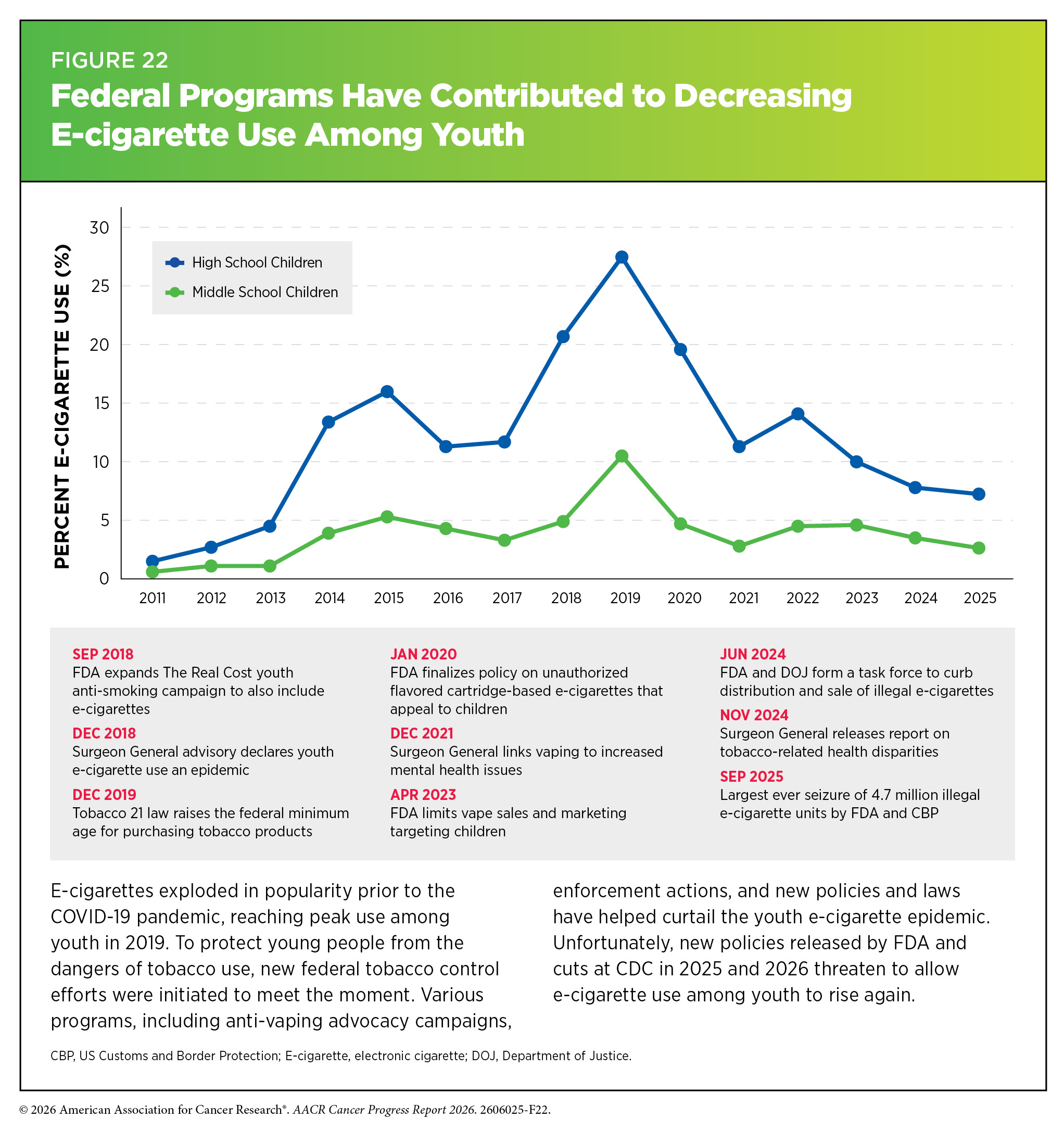
Fortunately, significant progress has been and continues to be made against tobacco use at the population level. According to the most recent readout of the National Health Interview Survey (NHIS) conducted by CDC, cigarette use among adults continues to fall, declining from 10.8 percent in 2023 to 9.9 percent in 2024. Despite significant marketing efforts by tobacco companies, the use of other tobacco products, including electronic cigarettes (e-cigarettes), remained unchanged (51)Agaku I (2026) NEJM Evid, 5: EVIDpha2500339.. In addition, data from the 2025 National Youth Tobacco Survey (NYTS) conducted by FDA reported that 7.2 percent of youth were current tobacco product users and 5.2 percent used e-cigarettes (248)Park-Lee E, et al. (2026) Nicotine & Tobacco Research.. Both of these numbers constitute remarkable new lows and continue the downward trends in use seen in previous years (see Figure 22).
However, this progress is not uniform across all tobacco products or all populations. While the NHIS was unable to evaluate changes in the use of nicotine pouches among adults due to a change in their classification between years, other studies have observed increases in the dual use of e-cigarettes and nicotine pouches as well as multi-product usage in youth and young adults (1130)Do EK, et al. (2025) Preventive Medicine Reports: 103284.. The NYTS specifically highlights increases in nicotine pouch use among high schoolers between 2022 and 2025 (248)Park-Lee E, et al. (2026) Nicotine & Tobacco Research.. Additionally, much of the American South and Midwest, compared to other states, continue to experience a significantly higher burden of cancer deaths attributable to smoking (1131)Patel M, et al. (2026) American Journal of Preventive Medicine, 70: 108160.. Similar disparities persist based on race, ethnicity, education, sexual orientation, and urbanization levels (51)Agaku I (2026) NEJM Evid, 5: EVIDpha2500339., again due in no small part to targeted advertising.
To continue driving down tobacco use, increase progress in areas where disparities continue, and improve the health of all, robust federal research funding, regulation, and control programs are necessary. The CDC Office on Smoking and Health (OSH) and FDA Center for Tobacco Products (CTP) are two of the major federal offices coordinating these areas, significantly contributing to the positive trends seen to this point. However, the current Administration has significantly disrupted funding and staffing for these programs, despite sustained congressional support (1132)Truth Initiative. What federal health agency cuts mean for tobacco control. Accessed: June 30, 2026.. Highlighting the success of these offices and the clear return on investment they have provided, while also monitoring their ability to continue performing under these difficult circumstances, will be key to furthering the ongoing decreases in tobacco use and bettering public health.
Flavored Tobacco Products
Although cigarettes with characterizing flavors other than menthol were nationally prohibited in 2009, the addition of flavors to tobacco products remains prevalent. In general, the addition of flavor additives to combustible and non-combustible products increases their appeal, is associated with greater rates of tobacco use initiation, facilitates sustained use, and decreases rates of successful cessation (1133)Bold KW, et al. (2024) Annu Rev Clin Psychol, 20: 381.. Flavored electronic nicotine delivery systems (ENDS), which include e-cigarettes, are of particular scientific and public health interest because of their dual role as a primary driver of ENDS initiation and sustained use among youth and young adults, including those who are not cigarette users, while also being cited by adults who smoke as an important aid in quitting combustible cigarettes.
As a result of these risks to youth, FDA had been sparing in their marketing authorization of new e-cigarette products until 2026. However, this year, FDA authorized the sale of multiple new flavored e-cigarette products, including menthol-flavored JUUL products and fruit-flavored products (1134)US Food and Drug Administration. FDA Expands Market Access, Authorizes New ENDS Products. Accessed: June 30, 2026.(1135)US Food and Drug Administration. FDA Authorizes Marketing of Tobacco- and Menthol-Flavored JUUL E-Cigarette Products. Accessed: June 30, 2026.. This is particularly concerning, as flavored ENDS products pose, according to the FDA, a substantial risk to youth, and they pose a greater risk to youth than tobacco-flavored ENDS (1136)US Food and Drug Administration. Flavored Electronic Nicotine Delivery Systems (ENDS) Premarket Applications – Considerations Related to Youth Risk. Accessed: June 30, 2026.. This authorization also came during a comment period on guidance positing situations in which flavored e-cigarettes might be authorized, prior to its closing and consideration of comments from the research community. Notably, these flavors were not among those highlighted in the guidance, since fruit-flavors are widely considered to be the most enticing and potentially harmful in terms of spurring youth uptake and sustained use. Given the known negative health effects of these products, as well as the potential carcinogenic effects that have been shown in laboratory studies to be exacerbated by flavoring (267)Kim YW, et al. (2026) Nature Medicine.(1137)Leigh NJ, et al. (2016) Tob Control, 25: ii81.(1138)Erhabor J, et al. (2025) Nicotine Tob Res, 27: 1651.(1139)Mohapatra S, et al. (2025) ESMO Open, 10: 105910.(1140)Sachdeva J, et al. (2023) Cureus, 15: e48995.(1141)Livingstone-Banks J, et al. (2025) Addiction, 120: 1327., AACR maintains that flavored ENDS products should not be marketed until a clear benefit in aiding adults who smoke combusted cigarettes to quit is sufficiently validated, including the proviso that use of flavored ENDS products does not result in an increase in youth initiation of ENDS.
While increased authorizations of new flavored tobacco products are concerning, a joint FDA and Department of Justice (DOJ) task force was formed in the summer of 2024 to remove illegal e-cigarette products from the market and has made significant progress (1142)US Food and Drug Administration. Justice Department and FDA Announce Federal Multi-Agency Task Force to Curb the Distribution and Sale of Illegal E-Cigarettes. Accessed: June 30, 2026.. In the time since, the task force has performed multiple significant seizures of illegal products, and bipartisan legislation known as the S.T.O.P. Illicit Vapes Act is seeking to strengthen and codify its role (1143)Congress.gov. S.3569 – 119th Congress (2025-2026): S.T.O.P. Illicit Vapes Act. Accessed: June 30, 2026.. However, FDA jeopardized public health by releasing a public statement in May 2026 outlining its decision to not prioritize enforcement against the vast majority of illegal flavored products (1144)US Food and Drug Administration. FDA Issues Guidance on Enforcement Priorities for Unauthorized ENDS and Nicotine Pouch Products. Accessed: June 30, 2026.. Under this model, FDA would instead only actively enforce against those that look like everyday products such as candy or video games, which are especially dangerous as they explicitly target tobacco product use by children, or those products that do not have a pending marketing application submitted to FDA. Previously, FDA had received millions of applications (1145)US Food and Drug Administration. FDA Makes Determinations On More Than 99% of the 26 Million Tobacco Products For Which Applications Were Submitted. Accessed: June 30, 2026. and allowed these products to remain in stores despite their clear illegality but had not confirmed their intention to deprioritize enforcement.
Overall, the combination of decreased enforcement and increased authorizations of flavored products may lead to future increases in the use of newly introduced flavored tobacco products. Continued research is needed to monitor their use, identify their toxicities, verify any potential utility for smoking cessation, and create cessation strategies specific to these products. Efforts to curb overall youth tobacco use have resulted in historic lows (248)Park-Lee E, et al. (2026) Nicotine & Tobacco Research., but these new policies could reverse years of progress.
Funding Federal Regulatory, Enforcement, and Control Activities
FDA CTP’s regulatory and enforcement activities are entirely funded by user fees charged to manufacturers and importers of certain tobacco products. However, unlike all other tobacco product manufacturers, ENDS manufacturers do not pay user fees. To address this and provide FDA with the resources to more comprehensively enforce against illicit e-cigarette products, the bipartisan Resources to Prevent Youth Vaping Act was once again introduced in the 119th Congress (1146)Congress.gov. S.4257 – 119th Congress (2025-2026): Resources To Prevent Youth Vaping Act. Accessed: June 30, 2026.. Advancement of this bill would close an important loophole and is crucial to supporting future efforts to control tobacco use, as CTP has continued to face an outsized workload in relation to these products in comparison to staffing levels. Staffing levels were of particular concern this year, as the Administration’s reduction in force policy led to the loss of hundreds of staff who had roles in enforcement, regulatory policy, public education campaigns, user fees, and contracting. Fortunately, a lawsuit from a coalition of state attorneys general resulted in the reinstatement of 229 employees (1147)Campaign for Tobacco-Free Kids. Reinstatement of Staff at FDA Center for Tobacco Products Is a Positive Step for Public Health. Accessed: June 30, 2026..
Despite this recent instability and its shift toward a pro-flavor and novel tobacco product stance, CTP has taken steps forward in some of the four key areas it oversees: regulation and guidance, compliance and enforcement, science and research, and public health education. FDA CTP’s regulatory efforts are multifaceted, including product authorizations and rulemaking, among other roles. For example, FDA added 18 chemicals to its list of Harmful and Potentially Harmful Constituents (HPHCs) in tobacco products, providing clarity for the public on the dangers of tobacco products and updating the industry on which constituents are considerations in product review (1148)US Food and Drug Administration. FDA Adds 18 Constituents to the List of Harmful and Potentially Harmful Constituents, Seeks Comment on Three Additional Constituents. Accessed: June 30, 2026.. In terms of compliance and enforcement efforts in addition to the aforementioned FDA-DOJ task force, FDA has also issued warning letters and plans to send educational materials to tobacco companies and retailers selling unauthorized, illegal products. The agency has particularly targeted products that appear similar to everyday products such as handheld video games and candy, as well as flavored e-cigarette products (1149)US Food and Drug Administration. A Statement From FDA Commissioner Marty Makary, M.D., M.P.H.: Encouraging Retailers to Stop Selling Illegal Vapes. Accessed: June 30, 2026.(1150)US Food and Drug Administration. FDA Warns Retailers Selling Illegal Tobacco Products That Look Like Everyday Products. Accessed: June 30, 2026..
While the FDA is overburdened with applications for flavored tobacco products, current administrative sentiments toward imported Chinese tobacco products present an opportunity for stricter regulations on all flavored products. FDA also continues to support tobacco regulatory science research and grant programs through collaboration with NIH (1151)National Institutes of Health. NOT-OD-26-045: Notice of Information Encouraging Submission of Pre-Application Consultation Information for RFA-OD-25-008, “Tobacco Regulatory Science Small Grant Program for New Investigators (R03 Clinical Trial Optional)”. Accessed: June 30, 2026.(1152)US Food and Drug Administration. Tobacco Centers of Regulatory Science (TCORS). Accessed: June 30, 2026.. In addition, FDA’s major cigarette and e-cigarette prevention efforts, known as The Real Cost campaigns, have continued to quantifiably decrease tobacco use among youth (1153)US Food and Drug Administration. The Real Cost Campaign. Accessed: June 30, 2026.. Although disrupted in 2025, recent studies have documented the program’s successes throughout the years, including having prevented an estimated 444,252 US youth from initiating e-cigarette use between 2023 and 2024 alone (246)American Lung Association. State of Tobacco Control. Accessed: June 30, 2026.(1154)US Food and Drug Administration. Studies Show FDA Educational Efforts Help Prevent Youth From Starting E-Cigarette Use, Illegal E-Cigarette Sales. Accessed: June 30, 2026.(1155)MacMonegle A, et al. (2026) Am J Prev Med, 70: 107614.. Given these successes and the return of staff to CTP, this program is slated to continue in future years (1156)Koplow B (2026) Am J Prev Med, 70: 108422..
CDC OSH has also traditionally been a major player in federal efforts to control and reduce tobacco use and tobacco-related harms. Unfortunately, nearly all of its activities have been negatively impacted by staffing cuts and budget instability (1132)Truth Initiative. What federal health agency cuts mean for tobacco control. Accessed: June 30, 2026.. CDC OSH’s Tips From Former Smokers public education campaign has long encouraged people who smoke to quit through portrayals of real people living with smoking-related illnesses and has been documented to have helped over one million people quit and saved an estimated $7.3 billion in smoking-related health care costs between 2012 and 2018 alone (1157)Centers for Disease Control and Prevention. Tips Impact and Results – Tips for former Smokers. Accessed: June 30, 2026.. Unfortunately, this program was terminated in 2025, and its status for future years is not known (1157)Centers for Disease Control and Prevention. Tips Impact and Results – Tips for former Smokers. Accessed: June 30, 2026.. CDC OSH also is the only federal agency that provides funding and technical support to state and local health departments for tobacco control initiatives. This program has historically been highly successful, with every $1 spent on tobacco control programs having been shown to lead to a $55 return on investment, mostly through averted health care costs (1158)Centers for Disease Control and Prevention. OSH Partners With States. Accessed: June 30, 2026..
While CDC OSH did receive level funding in FY 2026, the staffing cuts and uncertainty at the federal level have led to significant losses in state tobacco control efforts. Most states did receive funding from CDC OSH in 2026, but some states were not able to apply for funding as they traditionally did, and even more were forced to drastically reduce their services (1132)Truth Initiative. What federal health agency cuts mean for tobacco control. Accessed: June 30, 2026.. For example, Georgia’s tobacco use prevention program, and West Virginia’s Raze, a youth-led community organization funded by the state’s tobacco prevention program, both closed due to these issues (1159)American Association for Cancer Research. Tobacco Prevention and Control is a Crucial Strategy in Combating Chronic Disease. Accessed: June 30, 2026.. While Congress appears set to fund CDC OSH at a similar level in the upcoming FY 2027 budget bills, these funds will not have their intended effects if adequate staffing is not returned. Although, as noted previously, FDA CTP staff layoffs have been rescinded due to lawsuits, it remains unclear whether CDC OSH will receive similar treatment.
Addressing Cancer Disparities and Improving Patient Outcomes
As described in the AACR Cancer Disparities Progress Report 2026, cancer disparities are driven by a complex set of social, economic, environmental, geographic, structural, and biological factors that shape cancer risk, prevention, screening, diagnosis, treatment, clinical trial participation, survivorship, and outcomes. Despite decades of progress in cancer science and medicine, not all patients and communities have benefited equally from these advances. Disparities persist across the cancer continuum, affecting who is exposed to modifiable cancer risks, who is screened on time, who has access to high-quality care and clinical trials, who receives timely follow-up after an abnormal screening result, and who receives the support needed to live well after cancer treatment.
Science-based public policy is essential to ensuring that progress against cancer reaches all patients. Policymakers can help reduce disparities by sustaining federal investment in cancer disparities research, strengthening public health infrastructure, expanding access to evidence-based prevention and screening, improving clinical trial representation, supporting patient navigation and community health workers, protecting affordable insurance coverage, and investing in inclusive data systems that allow researchers and health care providers to identify gaps and measure progress. Research can identify the causes of unequal outcomes and point toward effective interventions, but policy determines whether those interventions reach the communities that need them.
Environmental Exposures and Cancer Risk
Cancer disparities can begin long before diagnosis in the environments where people live, work, learn, and grow up. Exposure to air pollution, industrial emissions, hazardous waste, radon, pesticides, per- and polyfluoroalkyl substances (PFAS), lead, and other harmful substances can increase the risk of cancer and other serious health conditions. These exposures are not distributed evenly. They often reflect differences in housing, land use, workplace protections, environmental monitoring, enforcement, and access to resources that help communities identify and reduce environmental harm.
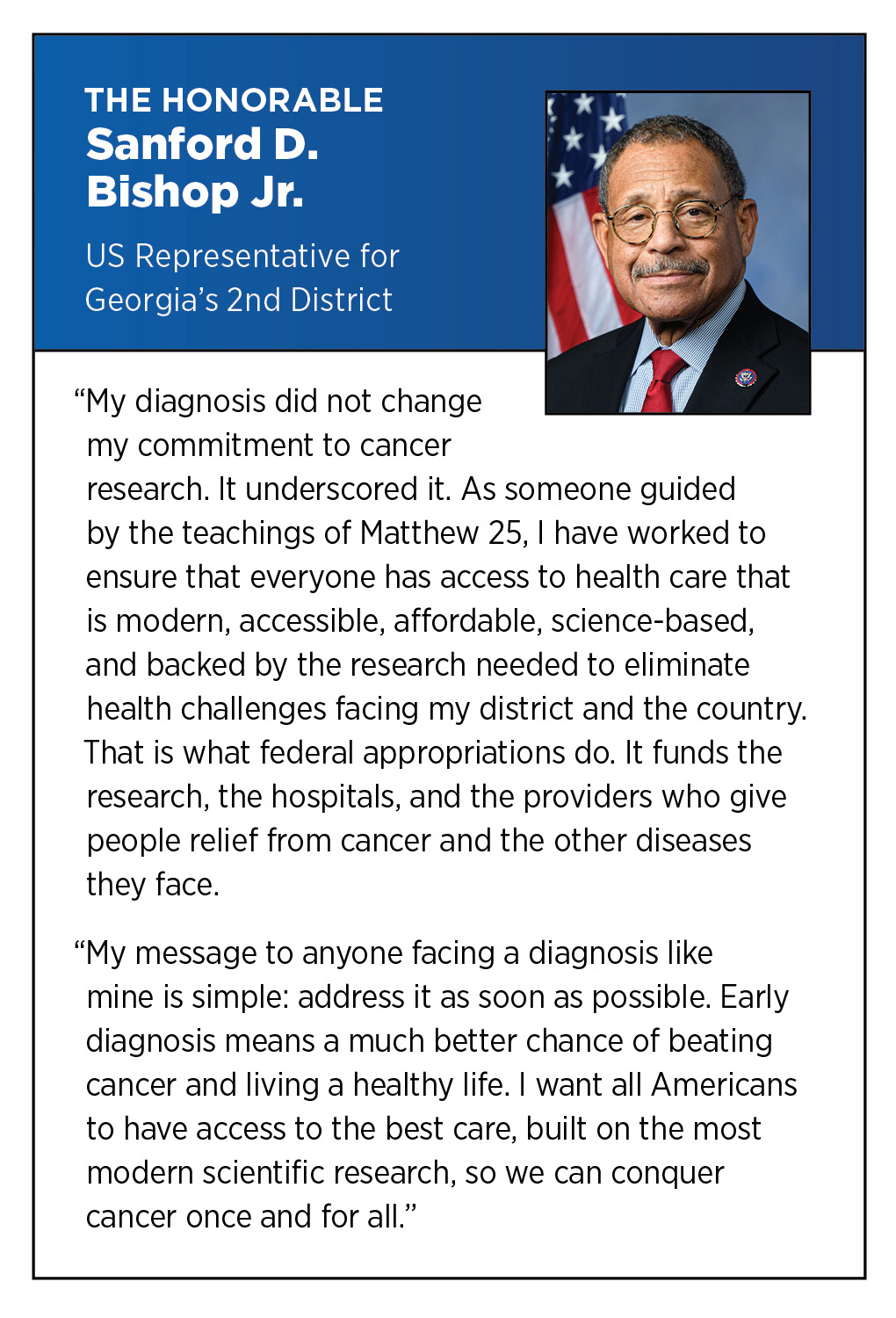
Reducing exposure to known and suspected carcinogens is an important part of cancer prevention. Communities already facing barriers to screening, high-quality care, and economic opportunity should not also face weaker protections against environmental factors that may increase cancer risk. Policies that improve monitoring and enforcement, reduce exposure to harmful substances, support cleanup of contaminated sites, protect air and water quality, and incorporate meaningful community input can help lower modifiable cancer risks and improve health outcomes.
Federal agencies play a critical role in identifying environmental carcinogens, assessing risk, setting standards, enforcing protections, and providing communities with information about potential health hazards. The US Environmental Protection Agency (EPA) has long helped provide the scientific framework for evaluating cancer risks from chemicals and other environmental agents, including through its carcinogen risk assessment guidelines and related risk assessment tools (1160)Environmental Protection Agency. Risk Assessment for Carcinogenic Effects. Accessed: June 30, 2026.. These assessments inform regulatory decisions, guide public health protections, and help ensure that policies affecting air, water, soil, workplaces, and consumer products are grounded in the best available science.
Recent federal budget proposals and regulatory actions have raised concerns about the strength and durability of environmental health protections. The Administration’s FY 2026 budget proposal included a 55 percent reduction in EPA funding and proposed eliminating or reducing several programs that help address air quality, emissions reduction, environmental monitoring, and community protection (1161)Environmental Protection Network. FactSheet: Trump’s FY26 EPA Budget Proposal Puts Communities in Harm’s Way. Accessed: June 30, 2026.. These proposed cuts include complete removal of several programs, including environmental justice, the Atmospheric Protection Program, and the Diesel Emissions Reduction Act Grants, among others. Alongside these cuts, on February 12, 2026, EPA’s 2009 Greenhouse Gas Endangerment Finding was rescinded, repealing all greenhouse gas emission standards for vehicles and engines (1162)Environmental Protection Agency. Final Rule: Rescission of the Greenhouse Gas Endangerment Finding and Motor Vehicle Greenhouse Gas Emission Standards Under the Clean Air Act. Accessed: June 30, 2026.. While climate policy extends beyond cancer alone, decisions that affect air quality, pollution exposure, occupational risks, environmental monitoring, and enforcement can have important implications for cancer prevention and public health.
Other federal decisions may also affect the ability of agencies and communities to identify and reduce cancer-related environmental risks. For example, changes in pesticide review, chemical risk assessment, or enforcement capacity could affect how quickly potential carcinogenic hazards are identified, evaluated, and addressed (1163)Center for Biological Diversity. New Analyses: EPA Consistently Fails to Warn Public of Pesticide Cancer Risks. Accessed: June 30, 2026.. Because many environmental exposures are cumulative and long-term, delays or gaps in assessment and enforcement can leave communities with fewer tools to understand and reduce risks.
When discussing these threats to environmental research, it is essential to underscore how marginalized and socioeconomically disadvantaged populations can be disproportionately affected. More in-depth discussions around these complex societal concerns, such as redlining, are discussed in the AACR Cancer Disparities Progress Report 2026 (16)American Association for Cancer Research. AACR Cancer Disparities Progress Report 2026. Accessed: June 30, 2026..
Protecting people from environmental cancer risks requires science-based decision-making, strong public health infrastructure, and sustained federal capacity. Policymakers should ensure that EPA and other federal agencies have the resources, expertise, and independence needed to assess carcinogenic hazards, enforce environmental protections, support communities facing elevated exposures, and reduce modifiable cancer risks. Cancer prevention does not begin only in the clinic. It also begins in the places where people live, work, and grow up.
Patient-centered Care and Outcomes and Survivorship
Each person diagnosed with cancer has a unique experience, ranging from successful treatment and living cancer-free to experiencing side effects or subsequent cancer diagnosis. As of May 2025, there are an estimated 18.6 million cancer survivors, with that number expected to grow to 22.4 million by 2035 (13)Wagle NS, et al. (2025) CA Cancer J Clin, 75: 308.. This is a triumph of research and medicine, but has posed a new question for policymakers: How do we address the unique lifelong needs of cancer survivors? Without federal support, current survivorship care is subprime and can lead to survivors facing unaddressed needs and continuing symptoms.
Reintroduced in 2026 by Representatives Debbie Wasserman Schultz (D-FL), Brian Fitzpatrick (R-PA), Mark DeSaulnier (D-CA), and Joe Wilson (R-SC), the Lainie Jones Comprehensive Cancer Survivorship Act seeks to address the entire continuum of care and work with cancer survivors on their unique needs following their active treatment (1164)Congress.gov. H.R.8839 – 119th Congress (2025-2026): Lainie Jones Comprehensive Cancer Survivorship Act of 2026. Accessed: June 30, 2026.. This wide-scale legislation would enact programs including a cancer survivor employment assistance program and provide Medicaid coverage of cancer fertility services for survivors, among many other policies.
The relationship between the patient, the health care provider, and the support network is essential for discussions around survivorship. Close and long-term working relationships among all parties are a necessary tool in addressing the complex needs of survivors, and even in preventing subsequent cancers. Working to develop a survivorship care plan with a health care provider, which would constitute a detailed a record of a patient’s cancer and treatment history, can help patients have their needs better understood and find tailored support and services (1165)Centers for Disease Control and Prevention. Cancer Survivorship Care Plans. Accessed: June 30, 2026.(1166)Chu AK, et al. (2022) Curr Oncol, 29: 7343..
Improving the Use of Digital Information in Cancer Treatment and Management
Digital health technologies and AI are transforming patient outcomes by improving clinical decision-making, supporting earlier diagnosis, personalizing treatment, and enhancing survivorship care. Realizing the full potential of these technologies depends on the ability to securely collect, integrate, and exchange high-quality health data across health care systems. Despite widespread adoption of electronic health records, oncology data remain fragmented across providers, laboratories, pharmacies, imaging centers, and insurers, limiting the ability of clinicians and researchers to obtain a comprehensive understanding of a patient’s medical history. In addition, important information, including patient reported outcomes, genomic data, social drivers of health, race, ethnicity, sexual orientation, gender identity, and treatment toxicity, is often collected inconsistently or stored in nonstandard formats, limiting its usefulness for clinical care, quality improvement, and research (1167)National Academies of Sciences, Engineering, and Medicine. 2025. Rethinking Race and Ethnicity in Biomedical Research. Washington, DC: The National Academies Press.(1168)Brown I, et al. (2025) PLoS One, 20: e0332805..
Federal agencies continue to advance policies intended to improve interoperability and promote responsible use of AI in health care. Within HHS, the Assistant Secretary for Technology Policy/Office of the National Coordinator for Health Information Technology (ASTP/ONC) has continued implementation of the Health Data, Technology, and Interoperability (HTI-1) Final Rule, which establishes transparency requirements for predictive decision support interventions incorporated into certified health information technology (1169)Office of the National Coordinator for Health Information Technology. HTI-1 Final Rule. Accessed: June 30, 2026.. These policies are intended to improve clinicians’ understanding of how AI-enabled tools generate recommendations while promoting safer, more transparent, and more equitable use of AI in clinical practice. In June 2026, HHS also announced new steps to strengthen implementation of the Trusted Exchange Framework and Common Agreement, expanding nationwide exchange of electronic health information and facilitating more seamless sharing of patient records across participating health systems (1170)Office of the National Coordinator for Health Information Technology. HHS Expands Secure Access to Health Records Through the TEFCA® Network, Announces Milestone of One Billion Health Records Exchanged. Accessed: June 30, 2026.. Improved interoperability is particularly important in oncology, where patients frequently receive multidisciplinary care across multiple institutions and where comprehensive clinical data are essential for precision medicine and survivorship care.
Federal investment in programs such as the NCI’s Childhood Cancer Data Initiative (CCDI) continue to demonstrate the value of robust, interoperable data systems for improving patient outcomes. CCDI is creating a national data ecosystem that aims to collect and securely share clinical and research information from children, adolescents, and young adults diagnosed with cancer (1171)National Cancer Institute. CCDI Progress. Accessed: June 30, 2026.. By enabling researchers and clinicians to access standardized, longitudinal data across institutions, CCDI has the potential to accelerate discoveries for rare cancers (including pediatric cancers), improve clinical decision-making, facilitate survivorship research, and support the development of more personalized therapies. In 2025, HHS announced it would double the funding for the CCDI to better incorporate AI and further accelerate progress (1172)US Department of Health and Human Services. HHS Doubles AI-Backed Childhood Cancer Research Funding. Accessed: June 30, 2026.. Continued investment in interoperable health information infrastructure and trustworthy AI will be critical to ensuring that advances in digital medicine translate into improved outcomes for all patients with cancer.
Next Section: AACR Call to Action Previous Section: Envisioning the Future of Cancer Research