The Honorable Chuck Grassley
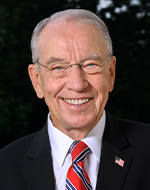
U.S. Senator for Iowa
What are the most urgent gaps in rural cancer care, and what role should Congress play in closing them?
As with any public policy, the role of every lawmaker in Congress is to listen to constituents and grassroots advocacy groups to gather the facts and make informed decisions, including addressing gaps in cancer care. As a farm-state lawmaker, I bring a unique perspective to the policymaking table to advocate on behalf of families and health care providers living and working in rural communities. For example, I’ve prioritized keeping the doors of hometown hospitals, clinics, and pharmacies open through flexible federal funding measures, such as the Rural Community Hospital Demonstration and Rural Emergency Hospital programs, as well as enabling local pharmacists to be reimbursed for providing health care services.
I’m also working to address the gap in how patients access and navigate cancer screening recommendations. Too often, screening guidance is difficult to understand, changes over time, and is not readily integrated into the technology that patients and providers use every day. This can result in missed opportunities for early detection and treatment, particularly in rural communities where cancer mortality rates remain higher. By making screening information more accessible, timely, and patient-centered, the federal government can help reduce barriers to early detection and improve cancer outcomes. I want to enable more apps and web tools to get cancer screening information to patients and providers similar to the Decision Precision+ and Cancer Screen Iowa tools.
How have personal experience and the stories of patients and families shaped your efforts to expand early detection and remove barriers to cancer care?
Since my first term in the US Senate, my committee assignments have enabled me to roll up my sleeves at the policymaking table and shape federal policies on behalf of American families to improve delivery of care and health outcomes, from the “Katie Beckett waiver” to the Family Opportunity Act to the Accelerating Kids’ Access to Care Act (AKACA). That work includes raising public awareness and expanding access to early screening and detection. My wife Barbara is a 39-year breast cancer survivor and credits early detection and surgery with saving her life. The enactment of the Nancy Gardner Sewell Medicare Multi-Cancer Early Detection Screening Coverage Act in February marked an important step forward. It will help clear the way to revolutionize cancer detection and expand Medicare coverage for lifesaving cancer screenings. Thanks to remarkable strides in research, therapeutics, and oncology treatments, many cancer diagnoses are no longer considered a death sentence. Just consider the recent promising breakthrough therapy for pancreatic cancer, for example.
Congressional oversight is critical to ensuring public health care programs and federal agencies efficiently and effectively serve the American people. Those efforts include improving care and outcomes for pediatric cancer patients. With the support of grassroots-led advocacy organizations, I spearheaded the bipartisan AKACA through the Senate to help kids kick cancer to the curb and live long, healthy lives. Representative government is a two-way street. I heard directly from families, patient advocates, and providers about how red tape prevented children with complex medical needs from receiving timely care or participating in an out-of-state clinical trial. More than half of these children are covered by Medicaid or the Children’s Health Insurance Program, but state-by-state provider enrollment requirements created barriers to care outside their home states. State lines shouldn’t dictate whether a child in the United States receives timely, lifesaving care. With AKACA on the books, specialty pediatric providers can enroll in multiple state Medicaid programs, giving families much-needed peace of mind. Moms and dads have enough on their plates to manage without dealing with cumbersome, bureaucratic red tape that delays care for their sick child. I’ll continue my oversight work to ensure these laws work as Congress intended.