Reducing the Risk of Cancer Development
In this section, you will learn:
- In the United States (US), 40 percent of all cancer cases are attributable to modifiable risk factors.
- Use of tobacco products has declined substantially in the United States, with adult cigarette smoking prevalence falling to single digits for the first time in 2024.
- Any level of alcohol consumption can increase the risk of cancer development.
- Excess body weight, physical inactivity, and poor diet are associated with approximately 20 percent of all cancers diagnosed in the United States.
- Weight loss interventions, including bariatric surgery and glucagon-like peptide-1 receptor agonists (GLP-1 RAs), can reduce the risk of developing obesity-related cancers.
- Vaccination against human papillomavirus (HPV) can nearly eliminate the risk of HPV-associated cervical, vulvar, penile, and anal cancers.
- The US Food and Drug Administration (FDA) recently approved the use of bemotrizinol in sunscreens. Bemotrizinol is the first new active ingredient approved by FDA for over-the-counter sunscreens since the late 1990s.
Contents
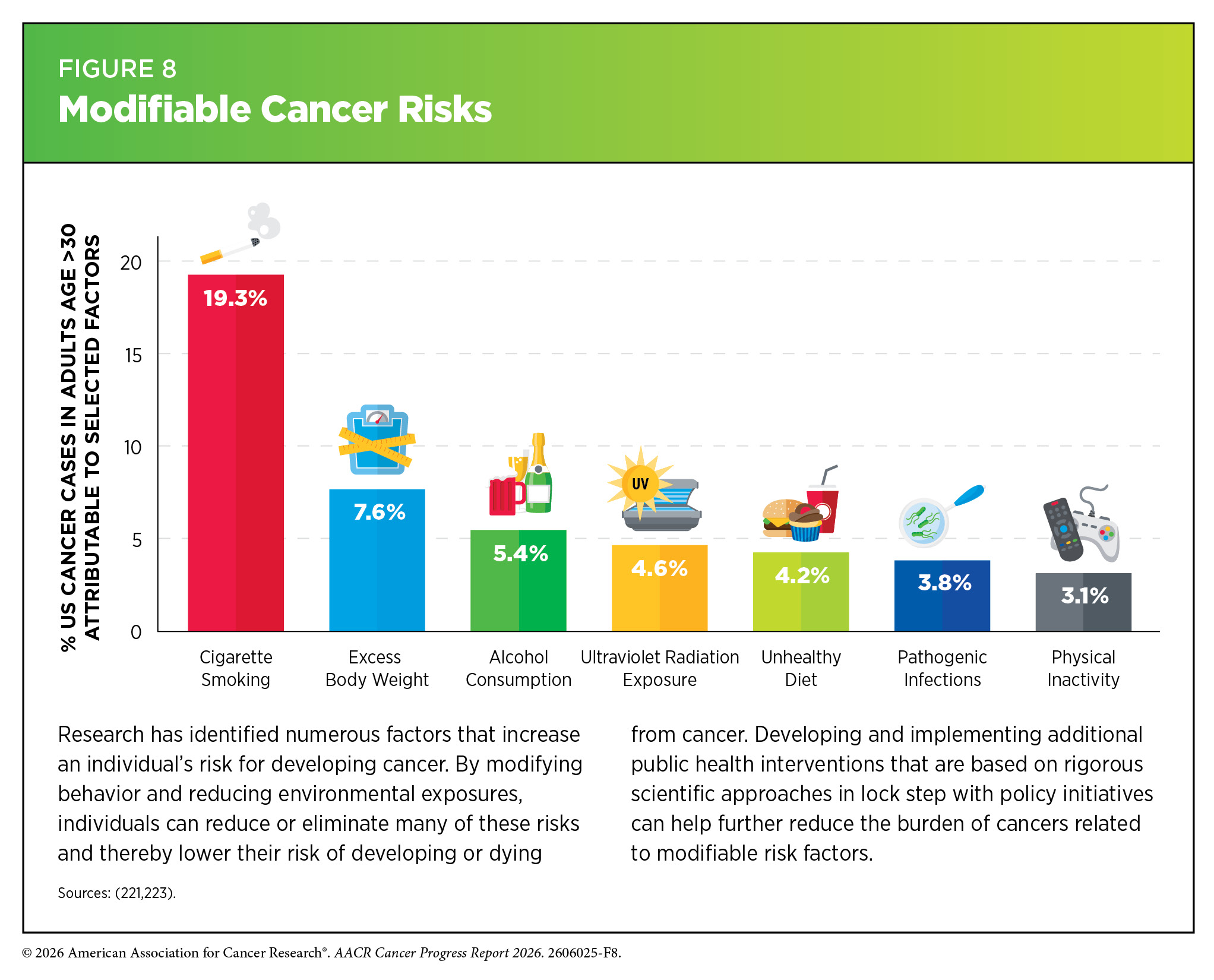
Progress across basic, clinical, translational, and population sciences has substantially improved the understanding of factors that influence cancer risk (see Figure 8). In the United States (US), approximately 40 percent of new cancer cases diagnosed in 2019 were linked to modifiable risk factors, including tobacco use, ultraviolet (UV) radiation exposure, excess body weight, alcohol consumption, physical inactivity, and certain infections (221)Islami F, et al. (2024) CA Cancer J Clin, 74: 405.. In 2023, approximately 42 percent of all cancer-related deaths, globally, were attributed to tobacco use, alcohol consumption, infectious agents, and excess body fat (222)Force LM, et al. (2025) The Lancet, 406: 1565.. Because many of these factors can be modified, a meaningful share of cancer cases may be preventable through targeted risk-reduction strategies.
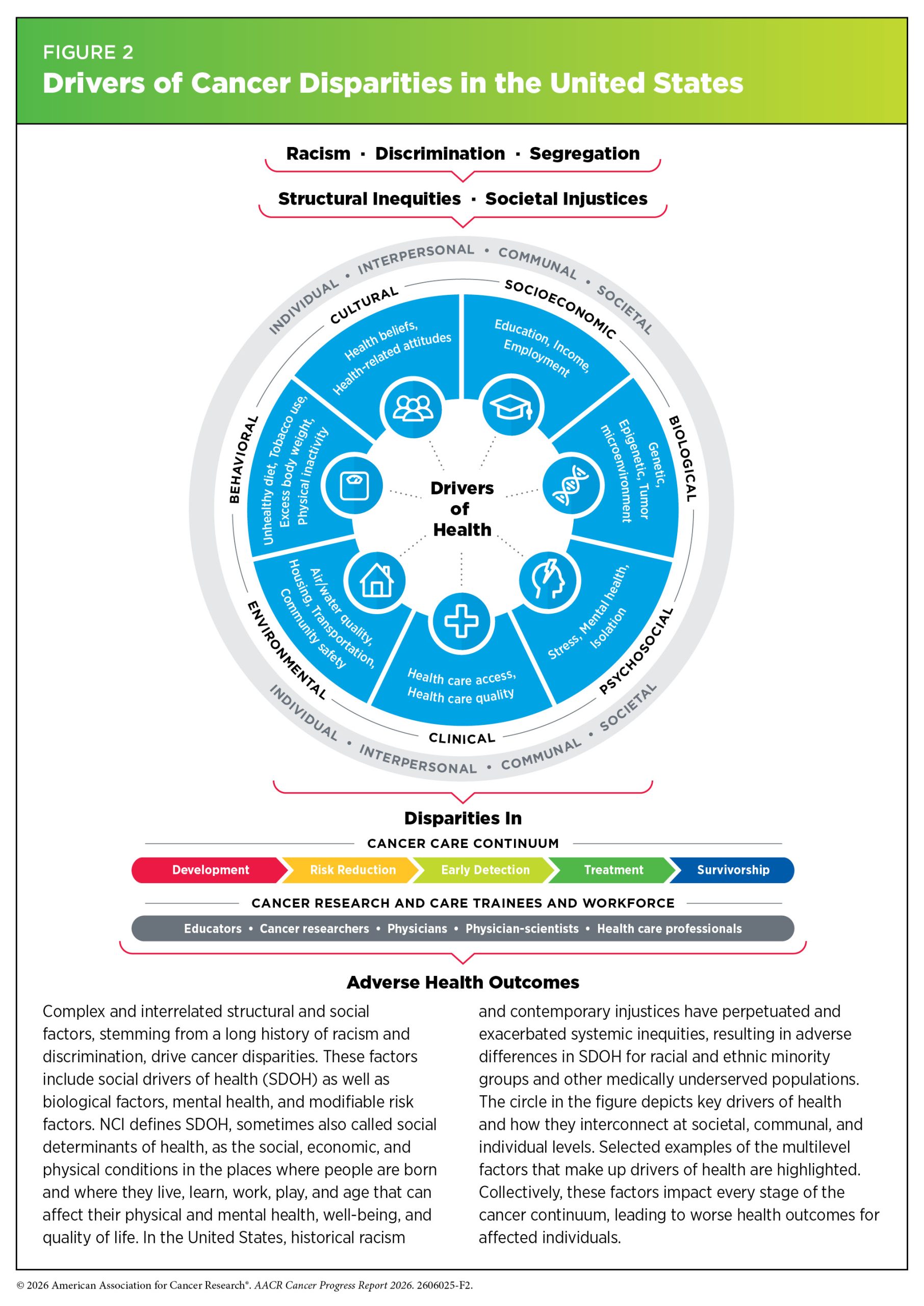
These modifiable risk factors are shaped by broader social and structural conditions (see Figure 2), which can limit the effectiveness of individual behavioral changes alone. For instance, limited access to affordable, nutritious food can make it difficult to maintain a healthy diet, and neighborhood conditions—such as safety and availability of recreational spaces—can influence opportunities for physical activity. Reducing exposure to modifiable risk factors, and ultimately the overall burden of cancer, will likely require a combination of individual-level interventions and broader environmental and policy approaches.
In the United States, substantial declines in cancer morbidity and mortality have been driven by effective public health education and policy efforts. An analysis by the National Cancer Institute (NCI) estimated that approximately 5.94 million cancer deaths were prevented between 1975 and 2020 as a result of interventions such as tobacco control, population-based screening, vaccination programs, and advances in treatment (see Advancing Policies to Strengthen Cancer Prevention and Screening Programs). These improvements have been most pronounced for cancers with established screening approaches, including breast, cervical, colorectal, and prostate cancers (see Cancer Screening for Early Detection). Reductions in lung cancer mortality accounted for the largest share of deaths averted, largely reflecting the impact of tobacco control initiatives (224)Goddard KAB, et al. (2025) JAMA Oncol, 11: 162..
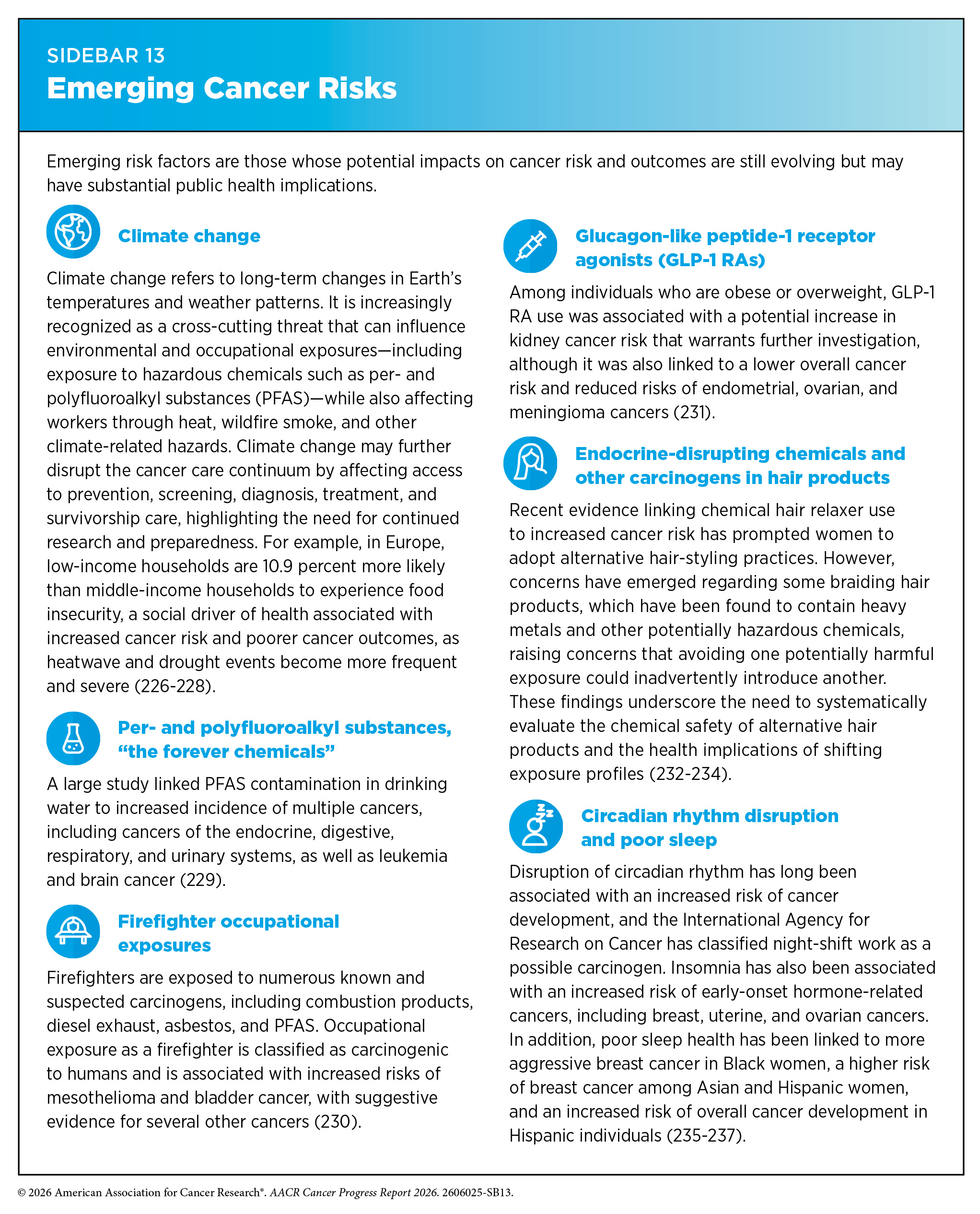
Despite this progress, the growing prevalence of other risk factors—such as obesity among both children and adults and alcohol use among adults—continues to pose challenges for cancer prevention. In 2024, 85 percent of US adults age 18 and older reported consuming alcohol at some point in their lives (225)National Institute on Alcohol Abuse and Alcoholism. Alcohol Use in the United States: Age Groups and Demographic Characteristics. Accessed: June 30, 2026.. In addition, many preventive measures remain underused, including vaccination against cancer-related infections. For example, coverage of the human papillomavirus (HPV) vaccine—an effective tool for preventing cervical and certain head and neck cancers—remains suboptimal. At the same time, ongoing research is examining how emerging factors, such as climate change, environmental contaminants, occupational exposures, and disruptions to sleep and circadian rhythms, may influence cancer risk (see Sidebar 13).
Harmful contaminants found in air and drinking water, including arsenic, nitrates, disinfection byproducts, and per- and polyfluoroalkyl substances (PFAS), have been linked to elevated cancer risk (238)Beane Freeman LE, et al. (2022) Environ Health Perspect, 130: 57006.(239)Purdue MP, et al. (2023) Environ Health Perspect, 131: 77007.. In addition, occupational exposures to hazardous agents—such as chemicals encountered during firefighting, silica dust in mining, and noxious fumes in fabrication or roofing—can significantly contribute to cancer development.
Emerging evidence suggests that certain cancer risk factors are also associated with worse outcomes after a cancer diagnosis, including the risk of developing second primary cancers (see Advancing Cancer Survivorship Care). In addition, many cancer risk factors are linked to other chronic conditions, including cardiovascular disease, respiratory illness, and diabetes. Greater awareness of these modifiable risks can support more effective prevention strategies and help reduce the broader health and economic burden associated with cancer and other chronic diseases.
Eliminate Tobacco Use
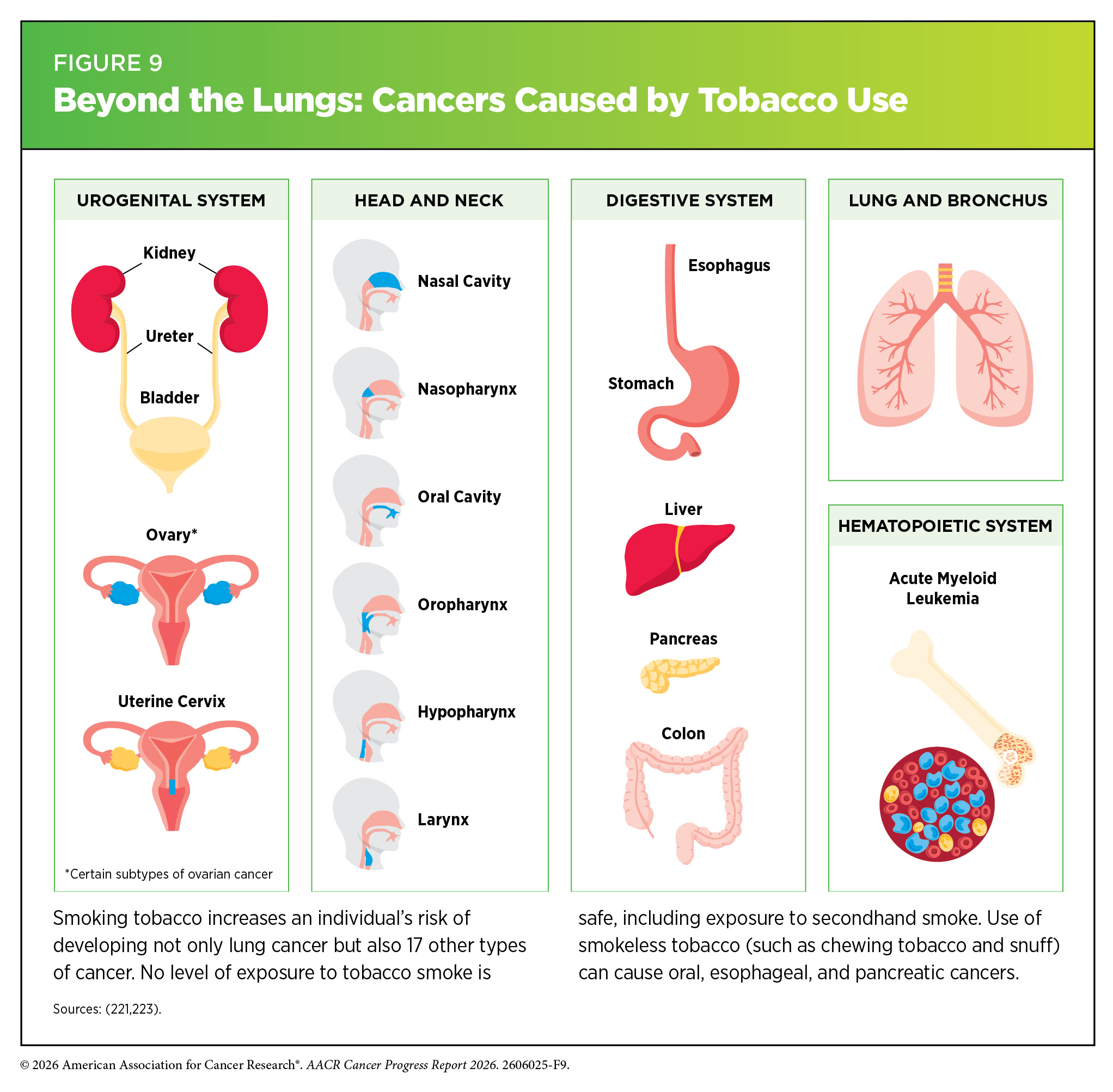
Tobacco use remains the foremost preventable cause of cancer and is associated with the development of at least 17 cancer types (see Figure 9). In the United States, cigarette smoking is responsible for more than 19 percent of all cancer cases and nearly 30 percent of cancer-related deaths (221)Islami F, et al. (2024) CA Cancer J Clin, 74: 405.. Smoking also accounts for the vast majority of lung cancer cases and deaths. In 2019, the most recent year for which data are available, smoking accounted for an estimated 87 percent of lung cancer cases in men and 84 percent in women (221)Islami F, et al. (2024) CA Cancer J Clin, 74: 405..
Research conducted over the past five decades has established that exposure to carcinogenic compounds generated by the use of tobacco products, including cigarettes, can induce lasting cellular and molecular damage that contributes to cancer development (240)Alexandrov LB, et al. (2016) Science, 354: 618.(241)Pezzuto A, et al. (2019) Future Sci OA, 5: FSO394.(242)Yang Y, et al. (2023) J Hazard Mater, 455: 131556.. In the United States, more than 16 million adults are living with chronic health conditions attributable to tobacco use, including chronic obstructive pulmonary disease (COPD), asthma, a range of cardiovascular diseases, particularly coronary artery disease, and cancer (243)American Cancer Society. US Tobacco Atlas. Accessed: June 30, 2026..
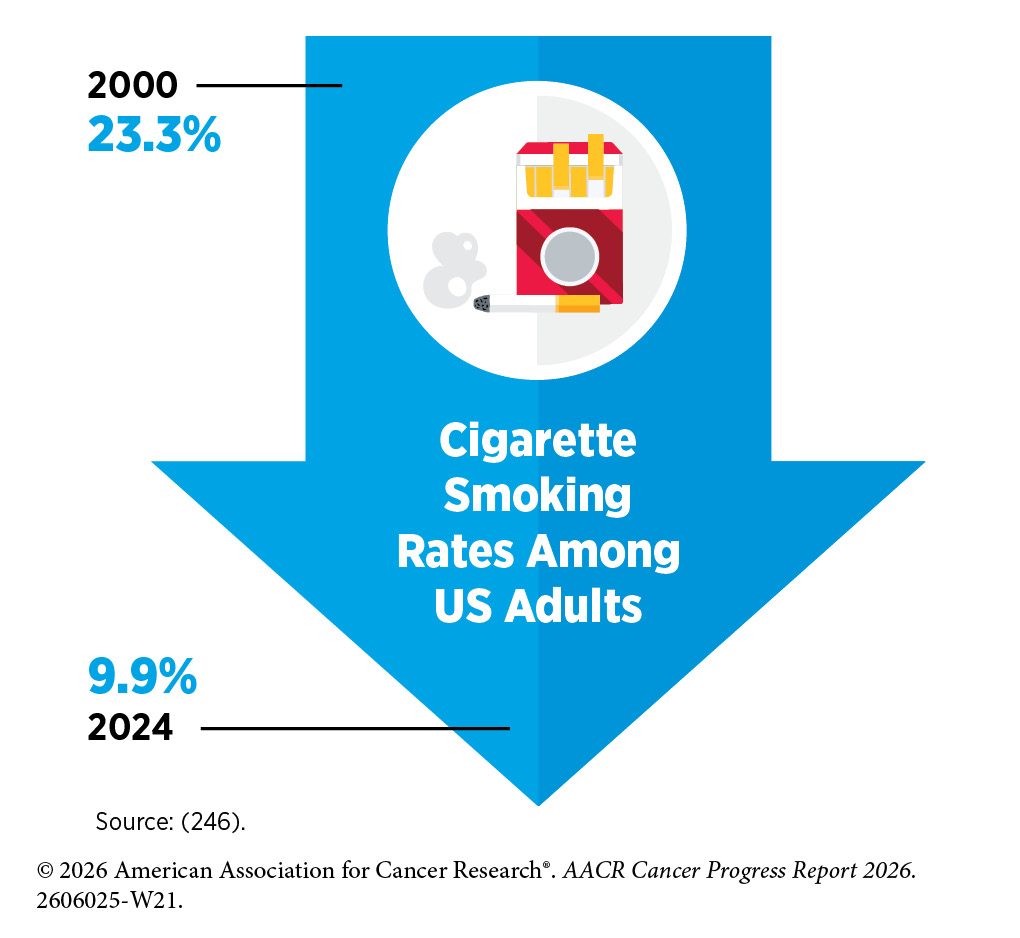
National tobacco control policies and programs have been instrumental in lowering tobacco use in the United States and mitigating the public health burden associated with smoking. Adult cigarette smoking prevalence declined from 42.4 percent in 1965 to 9.9 percent in 2024 (51)Agaku I (2026) NEJM Evid, 5: EVIDpha2500339.. Reaching single-digit smoking prevalence for the first time marks a notable public health achievement and suggests that the Healthy People 2030 initiative—public health priorities established each decade to help individuals, organizations, and communities across the United States improve health and well-being—objective of reducing smoking prevalence to 6.1 percent may be attainable (244)US Department of Health and Human Services. Office of Disease Prevention and Health Promotion. Reduce current cigarette smoking in adults — TU‑02 – Healthy People 2030. Accessed: June 30, 2026.. Nevertheless, the decline in cigarette use has coincided with an increase in electronic cigarette (e-cigarette) use among adults. In 2024, an estimated 7 percent of US adults used e-cigarettes (51)Agaku I (2026) NEJM Evid, 5: EVIDpha2500339.(245)Arrazola RA, et al. (2025) MMWR Morb Mortal Wkly Rep, 74: 118.. In addition, approximately 47.7 million adults reported using any tobacco product in 2024, including cigarettes, cigars, and smokeless tobacco products, based on the most recent available estimates (51)Agaku I (2026) NEJM Evid, 5: EVIDpha2500339..
Similar to the trend in adults, tobacco use among US youth—including middle and high school students—is also declining. In 2025, 4.1 percent of middle and 9.5 percent of high school students reported current use of any tobacco product, down from 5.4 percent and 10.1 percent, respectively, in 2024 (247)Jamal A, et al. (2024) MMWR Morb Mortal Wkly Rep, 73: 917.(248)Park-Lee E, et al. (2026) Nicotine & Tobacco Research..
Marked disparities in tobacco use and exposure to secondhand smoke (SHS), which is also a risk factor for cancer, continue to affect certain population groups, as described in the AACR Cancer Disparities Progress Report 2026. Tobacco use prevalence is particularly high among individuals working in primary extractive (29.4 percent) and construction/manufacturing (28.6 percent) occupations, those with a GED certificate (42.8 percent), people with disabilities (21.5 percent), low-income individuals (24.4 percent), and residents of rural communities (27.0 percent) (51)Agaku I (2026) NEJM Evid, 5: EVIDpha2500339.. In addition, men report higher tobacco use than women (24.1 percent vs. 13.9 percent) (51)Agaku I (2026) NEJM Evid, 5: EVIDpha2500339..
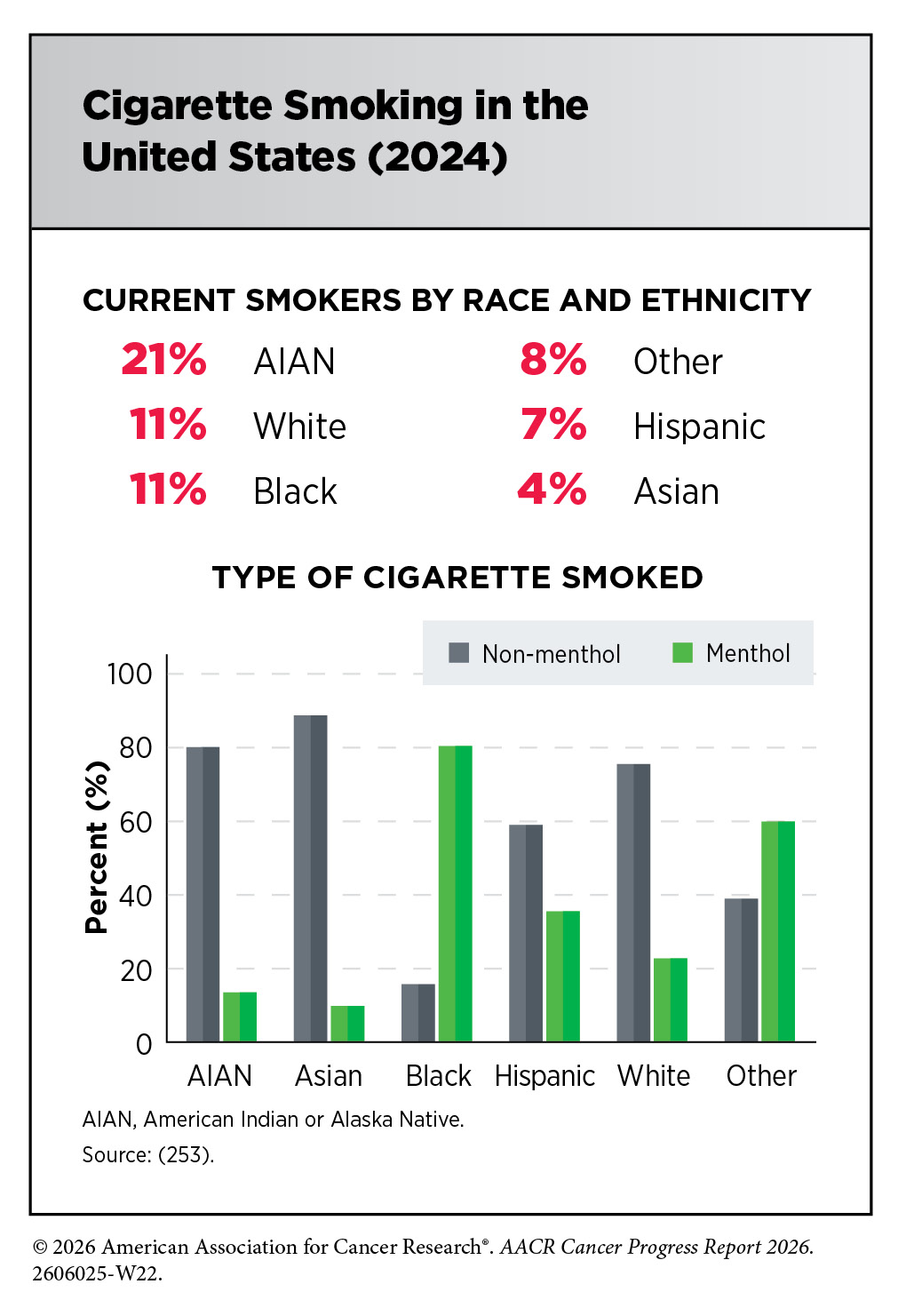
Flavored tobacco products, particularly menthol cigarettes, pose a substantial public health concern. Compared to non-menthol cigarettes, menthol cigarettes are associated with greater nicotine dependence, lower smoking cessation rates, and higher mortality risk (249)Bandi P, et al. (2025) Tob Control.(250)Bandi P, et al. (2026) Tob Control, 35: 366.(251)Delnevo CD, et al. (2011) Am J Prev Med, 41: 357.. In 2021, menthol cigarettes accounted for 37 percent of all cigarette sales in the United States, the highest proportion recorded since major tobacco companies began reporting these data to the federal government in 1963 when menthol cigarettes represented just 16 percent of total US cigarette sales (252)Centers for Disease Control and Prevention. Menthol Tobacco Products. Accessed: June 30, 2026..
In 2022, the US Food and Drug Administration (FDA) proposed product standards to prohibit the manufacture and sale of menthol cigarettes and flavored cigars. Because these regulations targeted industry practices rather than individual purchasing or use, they were expected to advance health equity. A recent study estimated that a menthol cigarette ban could save approximately 255,000 Black lives in the United States over 40 years (254)Issabakhsh M, et al. (2023) Tob Control, 33: 126.. However, FDA withdrew both proposed rules in early 2025 (255)Ganz O, et al. (2025) American Journal of Public Health, 115: 1206.. Prior to the withdrawal, tobacco companies conducted direct-to-consumer campaigns encouraging tobacco users to oppose the proposed regulations. Marketing messages used phrases such as “speak your voice,” “take action,” and “don’t stay silent,” creating a sense of urgency and framing the proposed bans as unjust restrictions (255)Ganz O, et al. (2025) American Journal of Public Health, 115: 1206..
Although smoking prevalence in the United States has declined significantly, cessation remains a challenge. In 2022, 67.7 percent of current smokers expressed a desire to stop, and 53.3 percent attempted to quit, yet only 8.8 percent were successful (256)VanFrank B, et al. (2024) MMWR Morb Mortal Wkly Rep, 73: 633.. Smoking cessation provides substantial health benefits, particularly when achieved at younger ages. Compared to people who never smoked, individuals who continue smoking from adulthood lose an average of 9.1, 8.3, 7.3, 5.9, and 4.4 years of life when assessed at ages 35, 45, 55, 65, and 75 years, respectively. Quitting at those same ages reduces the average years of life lost to 1.1, 2.7, 3.9, 4.2, and 3.7 years, respectively, demonstrating the considerable gains in life expectancy associated with smoking cessation (257)Le TTT, et al. (2024) Am J Prev Med, 67: 684..
SHS—the combination of smoke exhaled by tobacco users and smoke emitted from burning tobacco products—contains more than 7,000 chemicals, including at least 70 known carcinogens (258)Stepanek L, et al. (2022) Int J Environ Res Public Health, 19.. During 2015–2018, 20.8 percent of nonsmoking US adults age 18 and older were exposed to SHS, as measured by blood cotinine levels. Exposure was disproportionately higher among socioeconomically disadvantaged populations. SHS exposure was 16.8 percent among adults with some college education or more, compared to 29.5 percent among high school graduates and 27.3 percent among those with less than a high school education. Exposure also declined with increasing income: 35.1 percent of adults living below the federal poverty level were exposed to SHS, compared to 11.8 percent of those living at or above 400 percent of the federal poverty level (259)Brody DJ, et al. (2021) National Health and Nutrition Examination Survey.
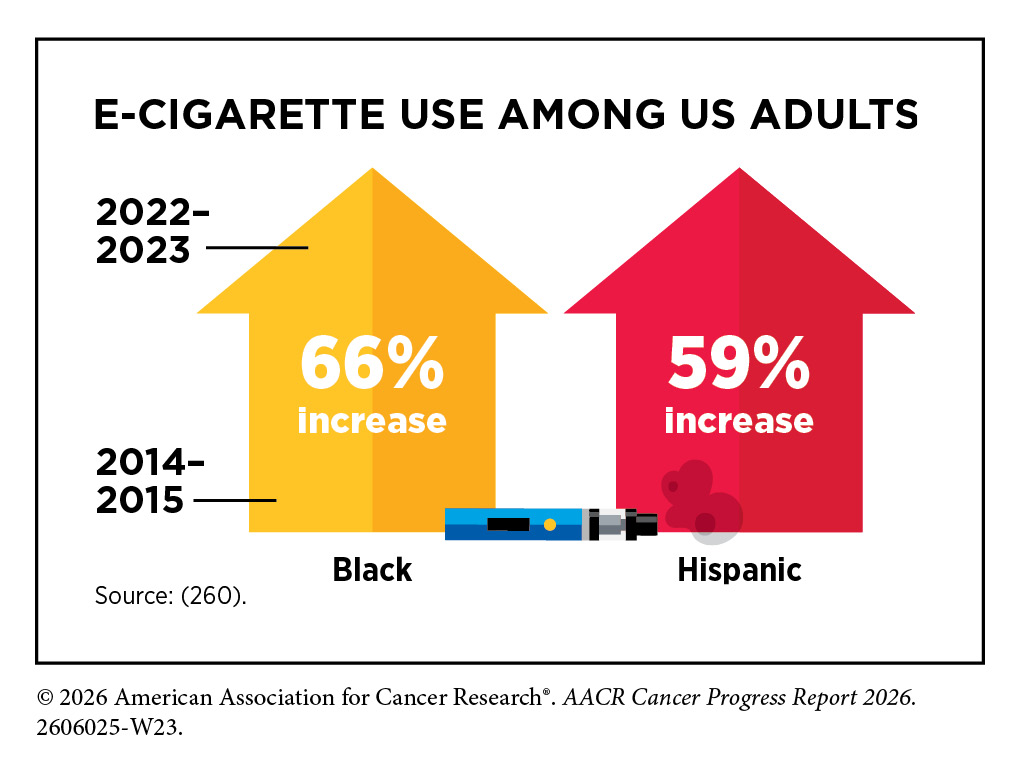
E-cigarettes were first introduced in the United States in 2006 and have gained popularity, particularly among individuals who have never previously used tobacco products. Since 2014, e-cigarettes have been the most used tobacco product among middle and high school students (259)Brody DJ, et al. (2021) National Health and Nutrition Examination Survey. Although e-cigarettes remains the most commonly used tobacco product among US middle and high school students, prevalence decreased from 9.4 percent in 2022 to 5.2 percent in 2025, representing an average annual decline of 18.1 percent. The decline in current e-cigarette use was most pronounced among high school students, with prevalence falling from 14.1 percent to 7.1 percent during the same period, an average annual decrease of 20.5 percent (248)Park-Lee E, et al. (2026) Nicotine & Tobacco Research..
Among adults, recent estimates show that e-cigarette use is highest among individuals ages 18 to 24 years, with 14.8 percent reporting current use compared to 3.4 percent reporting regular cigarette use. E-cigarette use is also more prevalent than regular cigarette use among individuals who are single or never married (10.9 percent vs. 8.6 percent), lesbian or gay individuals (19.3 percent vs. 10.6 percent), and those employed in the education sector (4.1 percent vs. 3.7 percent) (51)Agaku I (2026) NEJM Evid, 5: EVIDpha2500339..
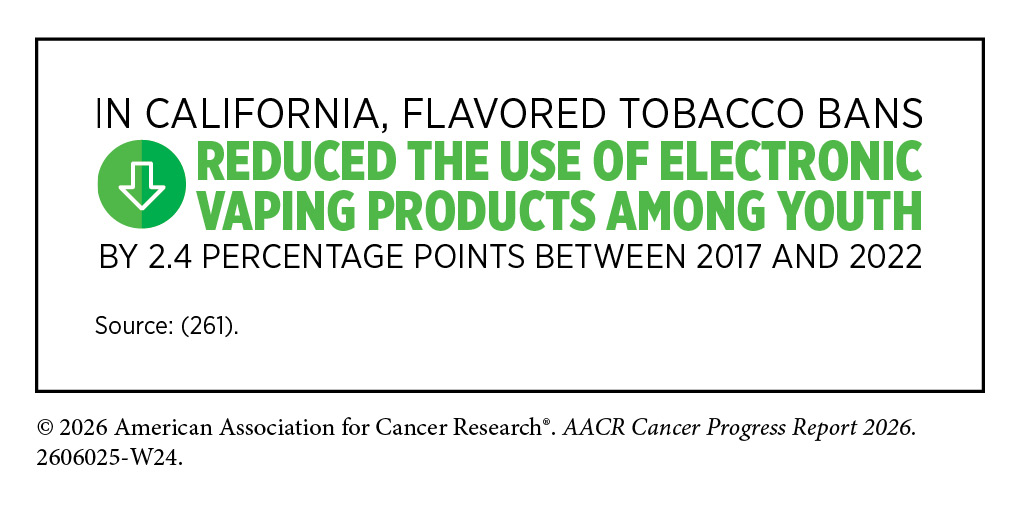
The growing use of e-cigarettes poses an important public health concern, as their relationship with cancer risk is not yet fully understood. While e-cigarettes emit fewer carcinogens than combustible tobacco, they still expose individuals to many toxic chemicals, including metals that can damage DNA and trigger inflammation (262)Goniewicz ML, et al. (2018) JAMA Netw Open, 1: e185937.(263)Herbst RS, et al. (2022) Clin Cancer Res, 28: 4861.. Recent reviews suggest that chemicals released by e-cigarette use may be carcinogenic and could increase the risk of lung, bladder, and other cancers (264)Sahu R, et al. (2023) Adv Respir Med, 91: 516.(265)Stewart BW, et al. (2026) Carcinogenesis, 47..
Evidence is also emerging regarding the implications of e-cigarette use for lung cancer risk. A recent study of nearly 5,000 newly diagnosed lung cancer cases found that individuals who both vaped and chronically smoked cigarettes had approximately four-fold higher odds of lung cancer compared to those who smoked cigarettes alone (266)Bittoni MA, et al. (2024) J Oncol Res Ther, 9.. Importantly, individuals who switch to e-cigarettes after quitting traditional cigarettes may continue to face an elevated risk of lung cancer.
Maintain a Healthy Weight, Eat a Healthy Diet, and Stay Physically Active
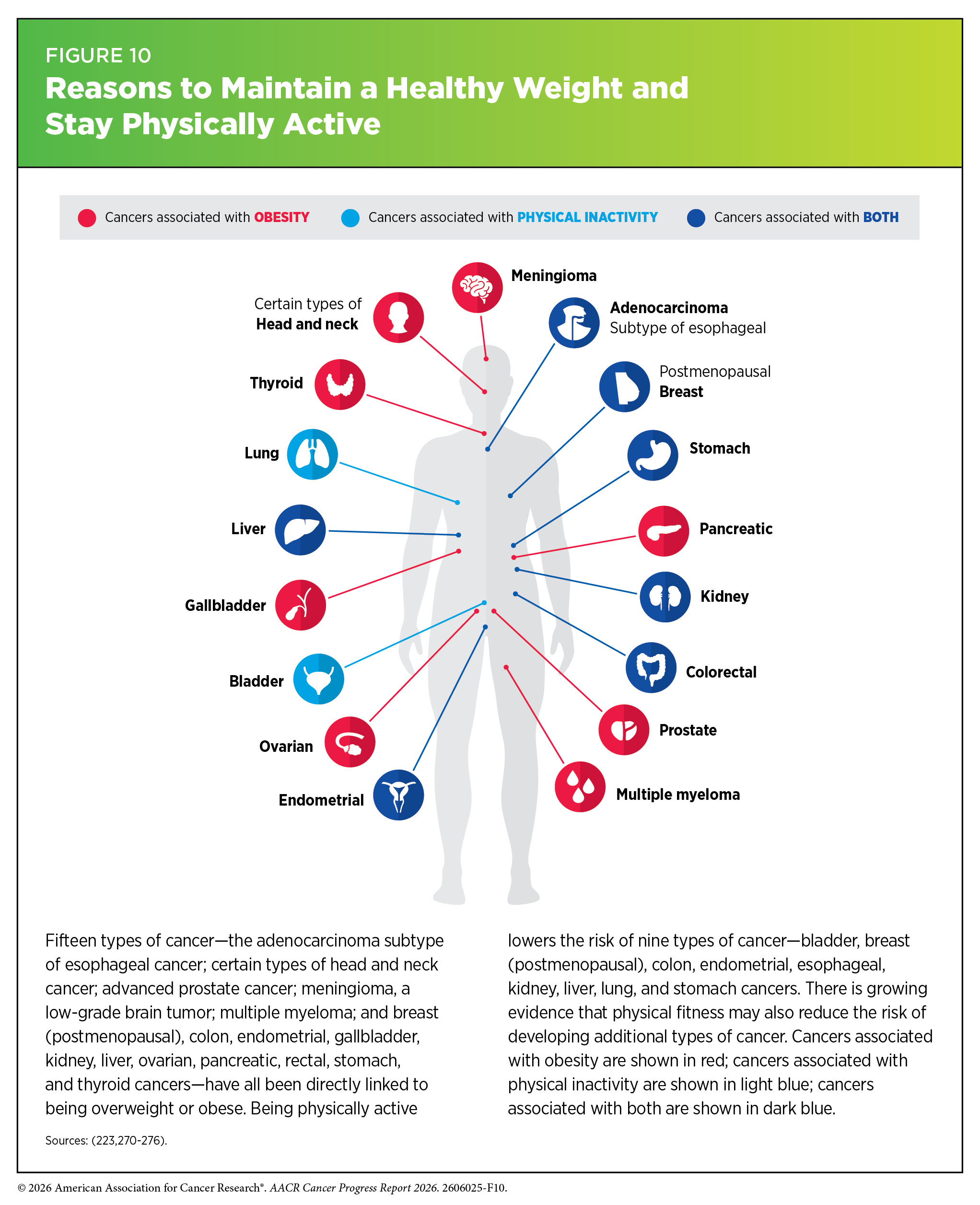
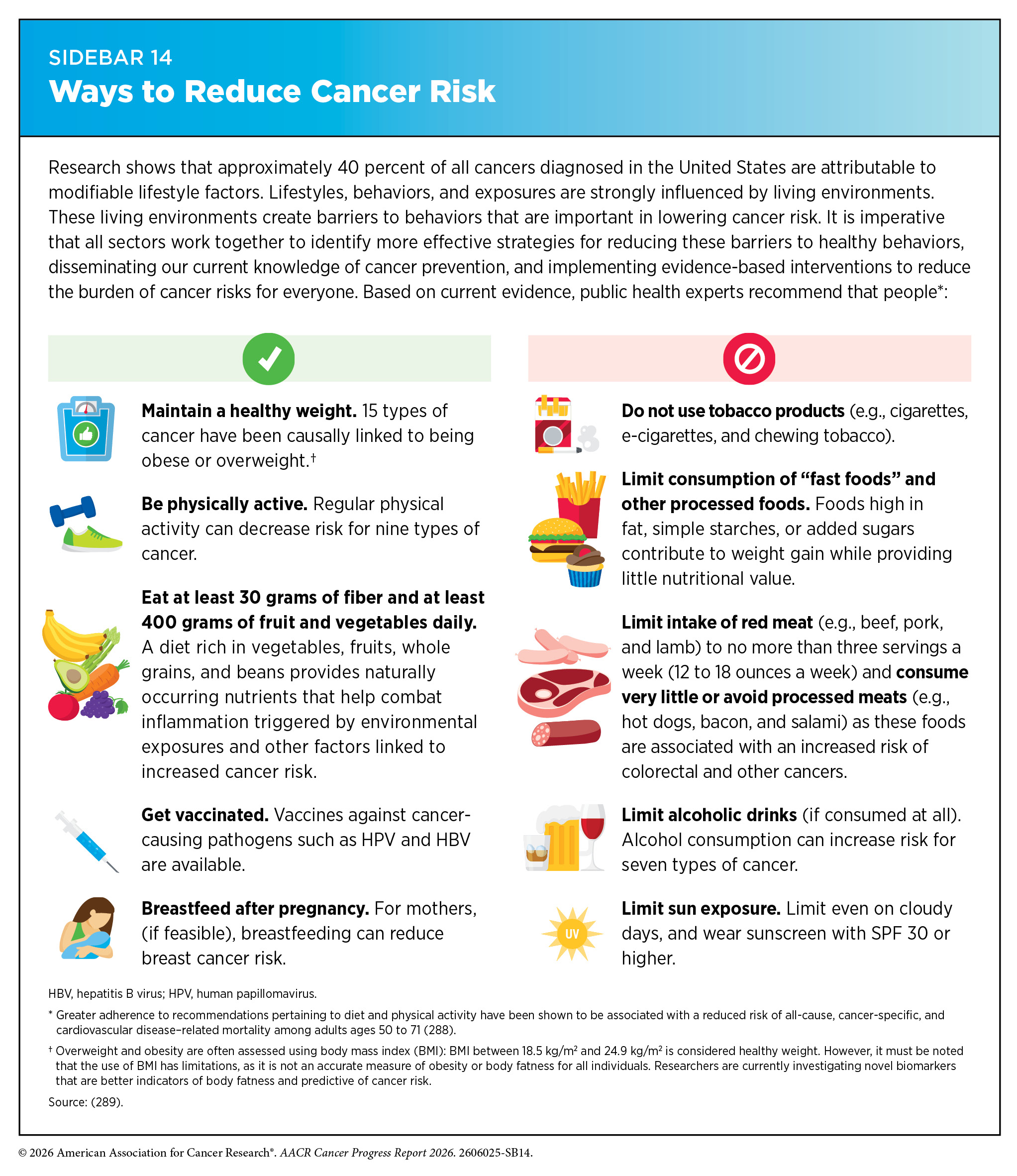
In 2019, an estimated 15 percent of new cancer cases and 14 percent of cancer deaths among US adults were attributable to the combined effects of excess body weight, poor diet, and physical inactivity (see Figure 10) (221)Islami F, et al. (2024) CA Cancer J Clin, 74: 405.. Maintaining healthy body weight, engaging in regular physical activity, and following a balanced diet can help reduce the risk of cancer as well as other chronic diseases (see Sidebar 14). Beyond its contribution to cancer risk, a high body mass index (BMI) has emerged as one of the leading contributors to reduced life expectancy in the United States, ranking among the top five risk factors over the past decade (268)Ng M, et al. (2025) The Lancet, 405: 813..
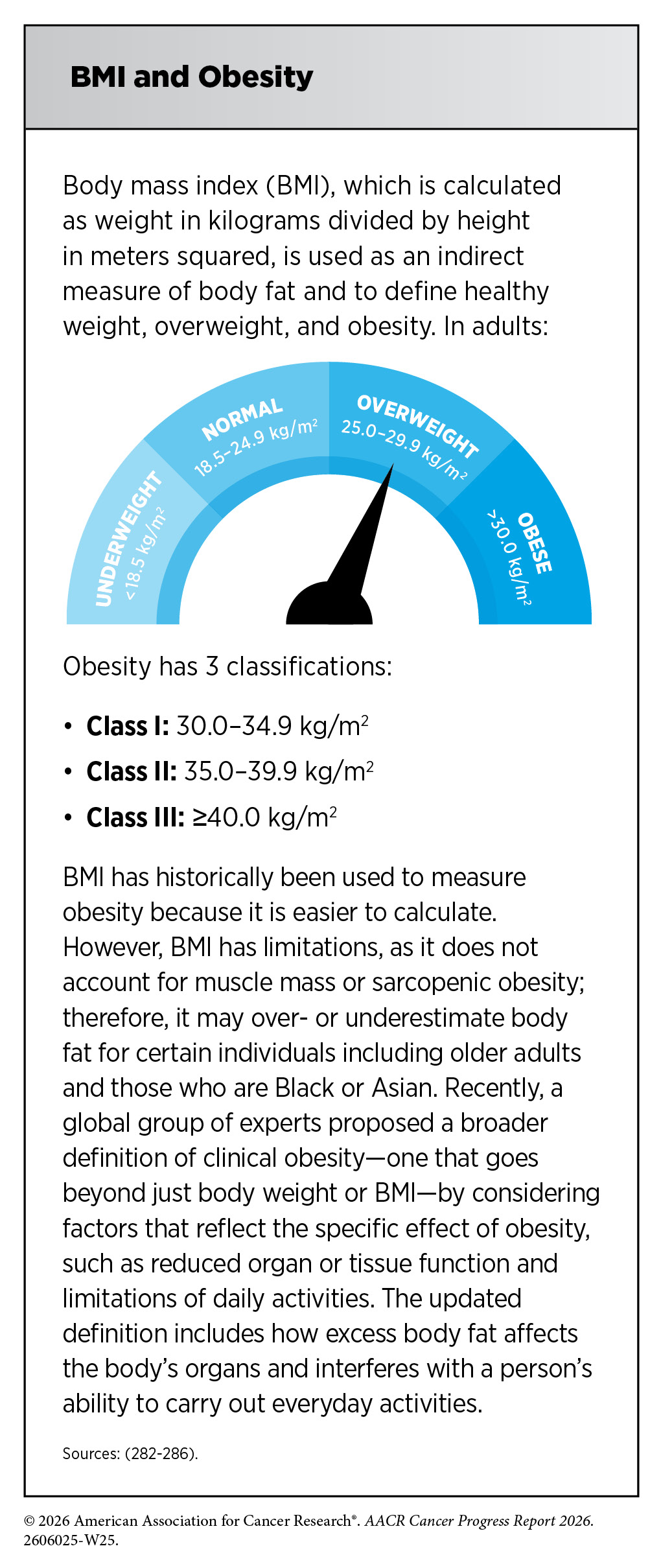
Excess body weight alone accounts for 7.6 percent of all cancer cases (221)Islami F, et al. (2024) CA Cancer J Clin, 74: 405.. In 2024, an estimated 33.7 percent of US adults age 18 and older were overweight and 33.4 percent were obese (253)Blewett LA, et al. IPUMS Health Surveys: National Health Interview Survey. 8.1 ed. Minneapolis, MN: IPUMS; 2025(269)Percentage of obesity for adults aged 18 and over, United States, 2019—2024. Accessed: June 30, 2026..
Obesity is also prevalent among US youth. In 2024, a nationally representative study found that 19.8 percent of individuals ages 2 to 19 years were obese. The prevalence of overweight or obesity increased with age, from 26.9 percent among children ages 2 to 5 years to 38.5 percent among adolescents and young adults ages 12 to 19 years. Severe obesity affected 9.2 percent of adolescents and young adults (277)Heerman WJ, et al. (2026) JAMA Network Open, 9: e2558710.. Importantly, the impact of obesity during these formative years extends into adulthood. Childhood and adolescent obesity has been associated with a 33 percent higher risk of developing cancer and a 28 percent higher risk of cancer-related mortality later in life (278)Mohammadian Khonsari N, et al. (2023) Front Endocrinol (Lausanne), 14: 1069164..
As body weight increases, organs often enlarge to meet the metabolic demands of maintaining a larger body and the body’s normal functions. Emerging evidence suggests that this increase in organ size may contribute to cancer risk. A recent study reported significant associations between the size of the liver, pancreas, and kidneys and cancer risk, finding that a doubling in organ size was associated with approximately a doubling in cancer risk (279)Pénisson S, et al. (2026) Cancer Research, 86: 2678..
Obesity is also a growing global public health challenge. According to the World Health Organization (WHO), 43 percent of adults worldwide were overweight and 16 percent were obese in 2022, the most recent year for which global estimates are available (280)Brauer M, et al. (2024) The Lancet, 403: 2162.. Childhood obesity is also increasing globally. In 2024, 8 percent of children and adolescents were obese, compared to 2 percent in 1990. Looking ahead, projections suggest that by 2030 nearly three billion adults—approximately 50 percent of the world’s adult population—will have a BMI greater than 25 kg/m² (281)London. World Obesity Atlas 2025. Accessed: June 30, 2026..
Recognizing the urgency of the obesity crisis, WHO Member States endorsed the WHO Acceleration Plan to Stop Obesity at the 2022 World Health Assembly. Building on this effort, WHO released the Adopt, Create, and Transform (ACT) technical package in 2025 to support governments and other stakeholders in implementing evidence-based strategies aimed at reducing obesity prevalence by 5 percent by 2030 (287)Celletti F, et al. (2026) Lancet Glob Health, 14: e653.. The ACT framework focuses on promoting environments that support healthy diets and active living; strengthening knowledge, motivation, and skills for healthy behaviors; and transforming health systems to better prevent and manage obesity.
Data show that weight loss interventions (see Sidebar 15) can be effective in reducing the risk of cancers associated with obesity (290)Ipaye T, et al. (2025) Diabetes, Obesity and Metabolism, 27: 6914.. Bariatric surgery is a collection of procedures that when effectively paired with healthy eating and regular exercise may help people who are obese lose weight. Bariatric surgery has also been shown to lower the risk of developing and/or dying from certain obesity-related cancers by between 37 percent and 65 percent (291)Wilson RB, et al. (2023) Int J Mol Sci, 24.. These include cancers of the liver, colon, pancreas, and gallbladder, as well as breast, endometrial, and ovarian cancers in women (291)Wilson RB, et al. (2023) Int J Mol Sci, 24..
Another increasingly common approach to weight loss is the use of medications such as semaglutide (e.g., Ozempic, Wegovy, and Rybelsus), liraglutide (e.g., Victoza), and tirzepatide (e.g., Mounjaro and Zepbound), which were initially developed to treat type 2 diabetes mellitus (T2DM).
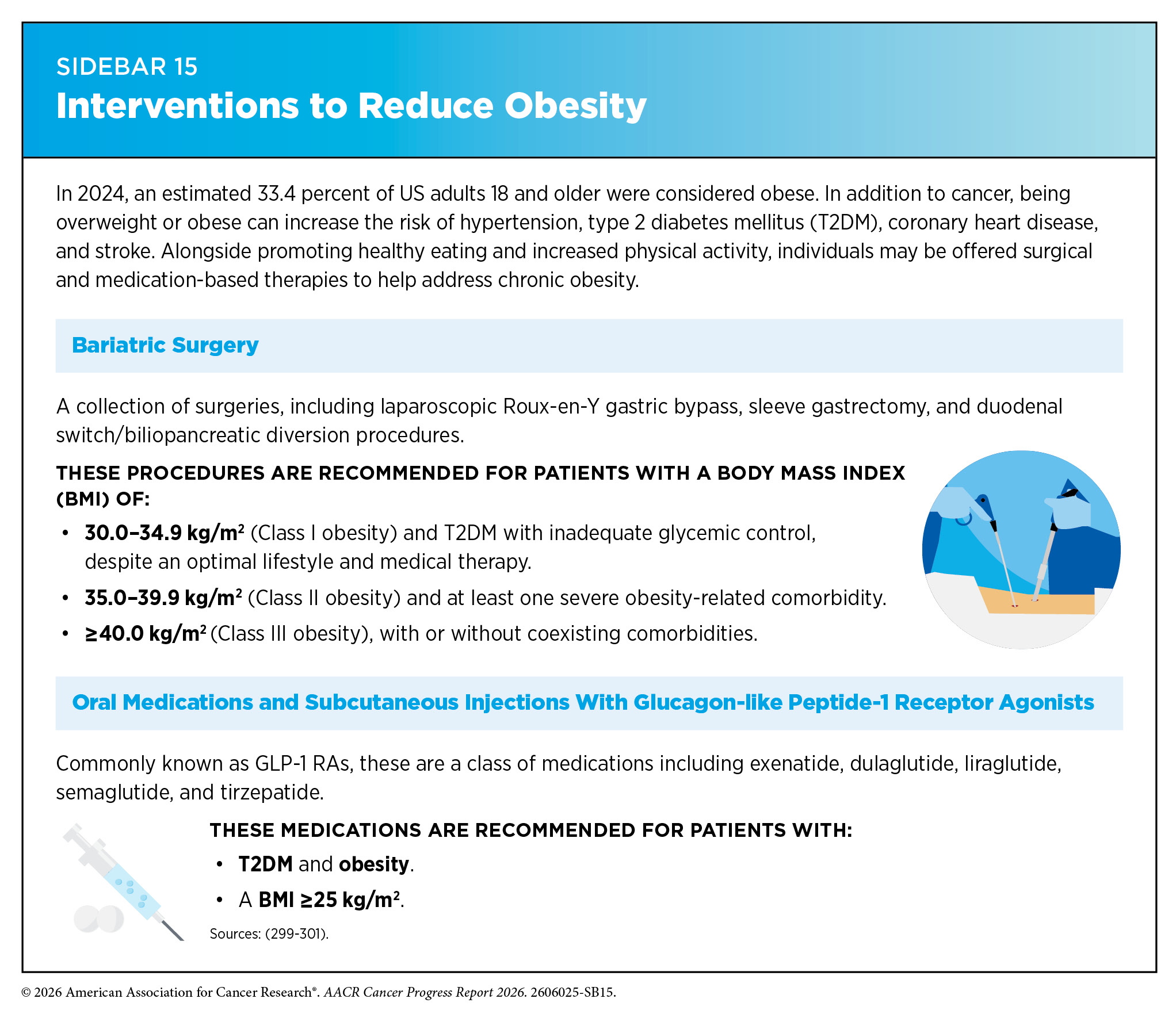
These medications belong to a class of drugs known as glucagon-like peptide-1 receptor agonists (GLP-1 RAs). They mimic the actions of GLP-1, a naturally occurring hormone that regulates blood glucose levels, suppresses appetite, and promotes satiety after eating (292)Bettadapura S, et al. (2025) Int J Obes (Lond), 49: 418..
The use of GLP-1 RA–based therapies has increased rapidly in the United States, prompting interest in their potential effects on cancer risk. However, evidence regarding their impact on obesity-related cancers remains mixed and varies by type of GLP-1 RA used (294)Temperley HC, et al. (2026) Journal of Clinical Oncology, 0: JCO.(295)Wolff Sagy Y, et al. (2025) EClinicalMedicine, 83: 103213..
Recent studies suggest that some GLP-1 RAs may reduce the risk of certain obesity-related cancers. For example, a United Kingdom study found that semaglutide use was associated with a 12 percent reduction in obesity-related cancer risk, compared to a 15 percent reduction among individuals undergoing bariatric surgery. In the same study, tirzepatide was not associated with a significant reduction in overall obesity-related cancer risk, although it was linked to a 69 percent lower risk of ovarian cancer (290)Ipaye T, et al. (2025) Diabetes, Obesity and Metabolism, 27: 6914.. Similarly, among individuals with T2DM, GLP-1 RA use was associated with a 40 percent and 46 percent lower risk of esophageal and colorectal cancer, respectively, compared to insulin therapy (296)Wang L, et al. (2024) JAMA Netw Open, 7: e2421305..
Additional evidence indicates that GLP-1 RA use may be associated with reductions in the risk of several obesity-related cancers, including gastrointestinal, skin, breast, female genital, prostate, and hematologic cancers, with reported risk reductions ranging from 18 percent to 38 percent. Among individual agents, semaglutide demonstrated particularly strong protection against gastrointestinal cancers, reducing risk by 55 percent. In contrast, liraglutide use was associated with increased risks of thyroid and respiratory cancers, by 70 percent and 62 percent, respectively (297)Levy S, et al. (2024) Cancers, 17: 78..
Despite these findings, evidence remains inconsistent. A review of 48 clinical trials involving more than 94,000 participants treated with GLP-1 RAs found no significant reduction in the overall risk of obesity-related cancers (298)Ko A, et al. (2026) Ann Intern Med, 179: 216.. Taken together, the current literature suggests that while GLP-1 RA–based therapies are effective for weight loss and metabolic control, their role in cancer prevention remains uncertain and warrants further investigation.
While the observational studies discussed above suggest that GLP-1 RA use may influence cancer risk, their findings remain vulnerable to bias because individuals who receive GLP-1 RAs may differ from those who do not in ways that affect cancer risk, such as underlying health status, health care utilization, or lifestyle factors. These differences can make it difficult to determine whether observed reductions in cancer risk are attributable to the medication itself or to characteristics of the people receiving it.
Randomized clinical trials (see Innovations in Cancer Clinical Trials) remain the gold standard for evaluating treatment effects; however, such trials have not yet been conducted specifically to assess cancer outcomes associated with GLP-1 RA use. In the absence of these data, trial emulation studies provide a valuable approach for approximating the rigor of a clinical trial using real-world data. Accordingly, a recent target trial emulation study among adults with and without T2DM who were overweight or obese found that GLP-1 RA use was associated with a significantly lower risk of endometrial cancer, ovarian cancer, and meningioma, with risk reductions ranging from 25 percent to 47 percent (231)Dai H, et al. (2025) JAMA Oncology, 11: 1186..
The use of GLP-1 RAs during and after cancer treatment is an ongoing area of research (see Improving Quality of Life and Health Outcomes). A recent study found that women with triple-negative breast cancer (TNBC)—a rare and aggressive subtype of breast cancer—who used GLP-1 RAs had significantly lower rates of disease clearance following treatment with chemoimmunotherapeutic agents (302)Santos B, et al. (2026) Res Sq.. Notably, a subset of women with TNBC may express GLP-1 receptors that, when activated by GLP-1 RAs, promote chemoresistance and subsequently reduce responsiveness to chemoimmunotherapy. These findings highlight the potential importance of molecular profiling of tumors before initiating GLP-1 RA therapy during cancer treatment among individuals with comorbid conditions, such as T2DM.
The economic burden of weight loss interventions is another important consideration. Although GLP-1 RAs have become increasingly popular for weight management, their benefits generally require sustained long-term treatment. The average 2-year cost of GLP-1 RA therapy was $63,483, compared to $51,794 for bariatric surgery, a difference of nearly $12,000 (303)Pant S (2025) JAMA, 334: 1506.(304)Barrett TS, et al. (2025) JAMA Surgery, 160: 1232.. Given the mixed evidence regarding the effects of GLP-1 RA therapies on cancer risk and the slightly greater reduction in obesity-related cancer risk associated with bariatric surgery, future studies should evaluate the long-term comparative effectiveness and cost-effectiveness of these treatment approaches.
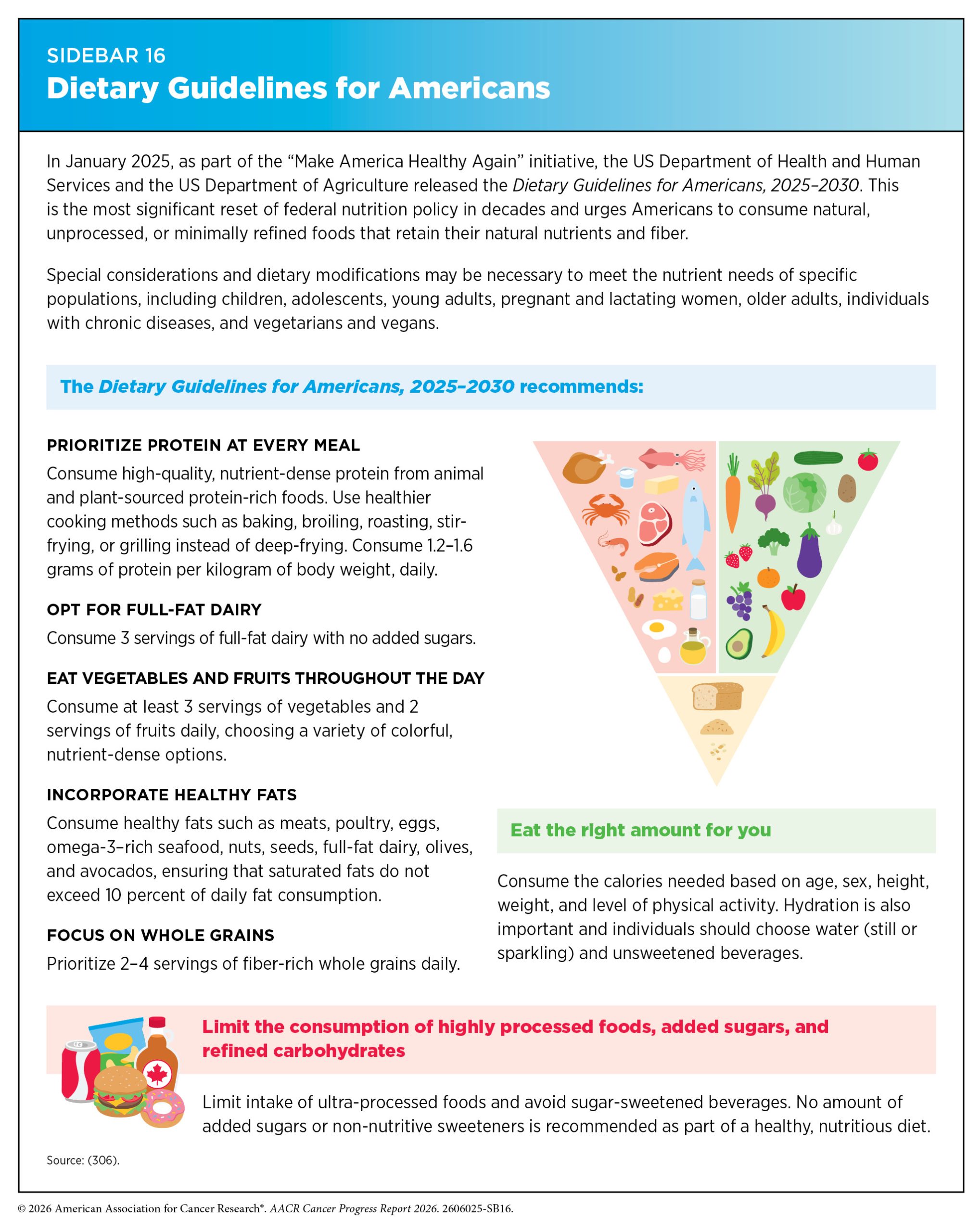
A poor diet—high in red and processed meat, and low in calcium, fiber, fresh fruits, and vegetables—is attributable to the development of more than 4 percent of all cancer cases in the United States. Consuming a healthy diet that is balanced in nutritionally dense foods can improve health overall and reduce the risk of cancer (see Sidebar 16) (305)Donaldson MS (2004) Nutr J, 3: 19..
Evidence on dietary patterns and cancer risk suggests that associations vary across cancer types and dietary groups. In a large prospective study comparing poultry eaters, pescatarians, vegetarians, and vegans with meat eaters, several dietary patterns were associated with lower risks of specific cancers. Poultry eaters had a lower risk of prostate cancer, while pescatarians had lower risks of colorectal, breast, and kidney cancer. Vegetarians experienced lower risks of pancreatic, breast, prostate, and kidney cancer, as well as multiple myeloma (307)Dunneram Y, et al. (2026) British Journal of Cancer, 134: 1218..
However, the benefits were not uniform across all cancer sites. Vegetarians had a higher risk of squamous cell carcinoma of the esophagus. Vegans had a higher risk of colorectal cancer compared to meat eaters. Overall, the most robust findings from the study were the lower risk of kidney cancer and the higher risk of esophageal squamous cell carcinoma among vegetarians, highlighting the complexity of the relationship between dietary patterns and cancer risk (307)Dunneram Y, et al. (2026) British Journal of Cancer, 134: 1218..
Beyond specific dietary patterns, increasing attention has focused on the role of ultra-processed foods (UPFs) in cancer development. UPFs are defined as industrial formulations manufactured from processed substances (e.g., oils, fats, sugars, and proteins) containing little to no whole food, that is, foods that have not been processed (309)Monteiro CA, et al. (2019) Public Health Nutr, 22: 936.. A recent study found that individuals with the highest consumption of UPFs had a 41 percent greater risk of lung cancer than those with the lowest consumption (310)Wang K, et al. (2025) Thorax, 80: 810..
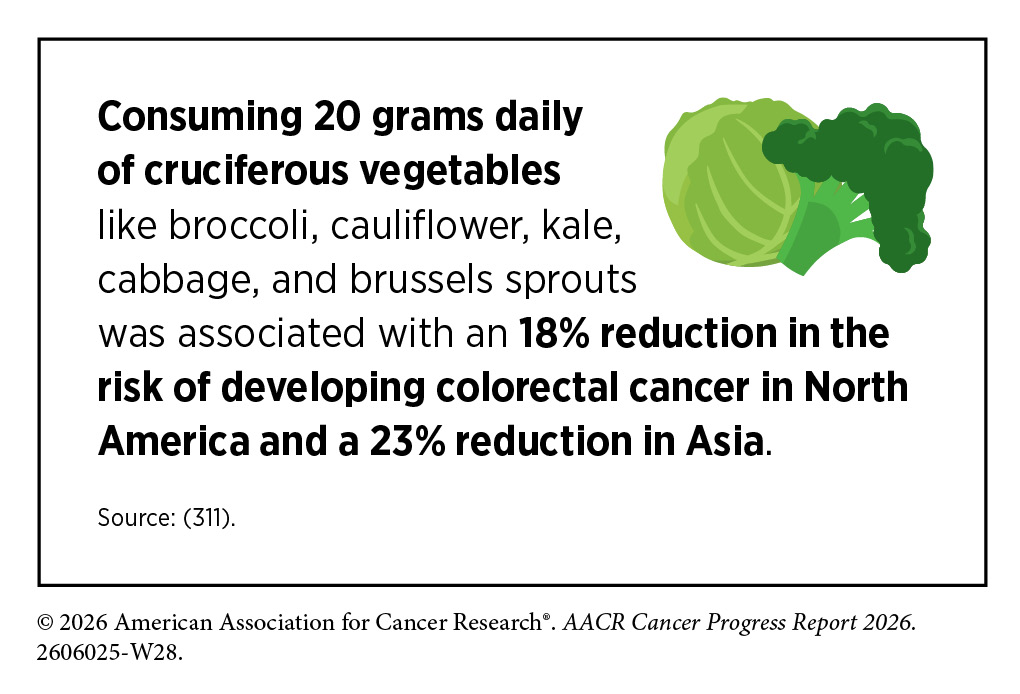
Improving access to healthy foods is an important strategy for reducing cancer risk and promoting overall health. One approach is to eliminate food deserts—areas with limited access to grocery stores and other sources of nutritious foods. However, a recent study found little change in the prevalence of food deserts between 2003 and 2023, declining only from 6.1 percent to 5.5 percent. In contrast, the prevalence of food swamps—areas dominated by restaurants and fast-food outlets—increased substantially during the same period, from 80.2 percent to 88.5 percent (312)Wiese D, et al. (2026) American Journal of Public Health, 116: 1004.. These findings suggest that unhealthy food environments remain widespread despite efforts to improve access to nutritious foods.
Additional strategies are needed to encourage healthier dietary choices. Public education campaigns that communicate the role of nutrition in preventing cancer and other chronic diseases could mirror the success of tobacco control initiatives. At the policy level, shifting agricultural subsidies away from commodity crops used in the production of added sugars and highly processed foods and toward fruits, vegetables, and other minimally processed foods could help create a healthier food supply and reduce the burden of cancer and other chronic diseases.
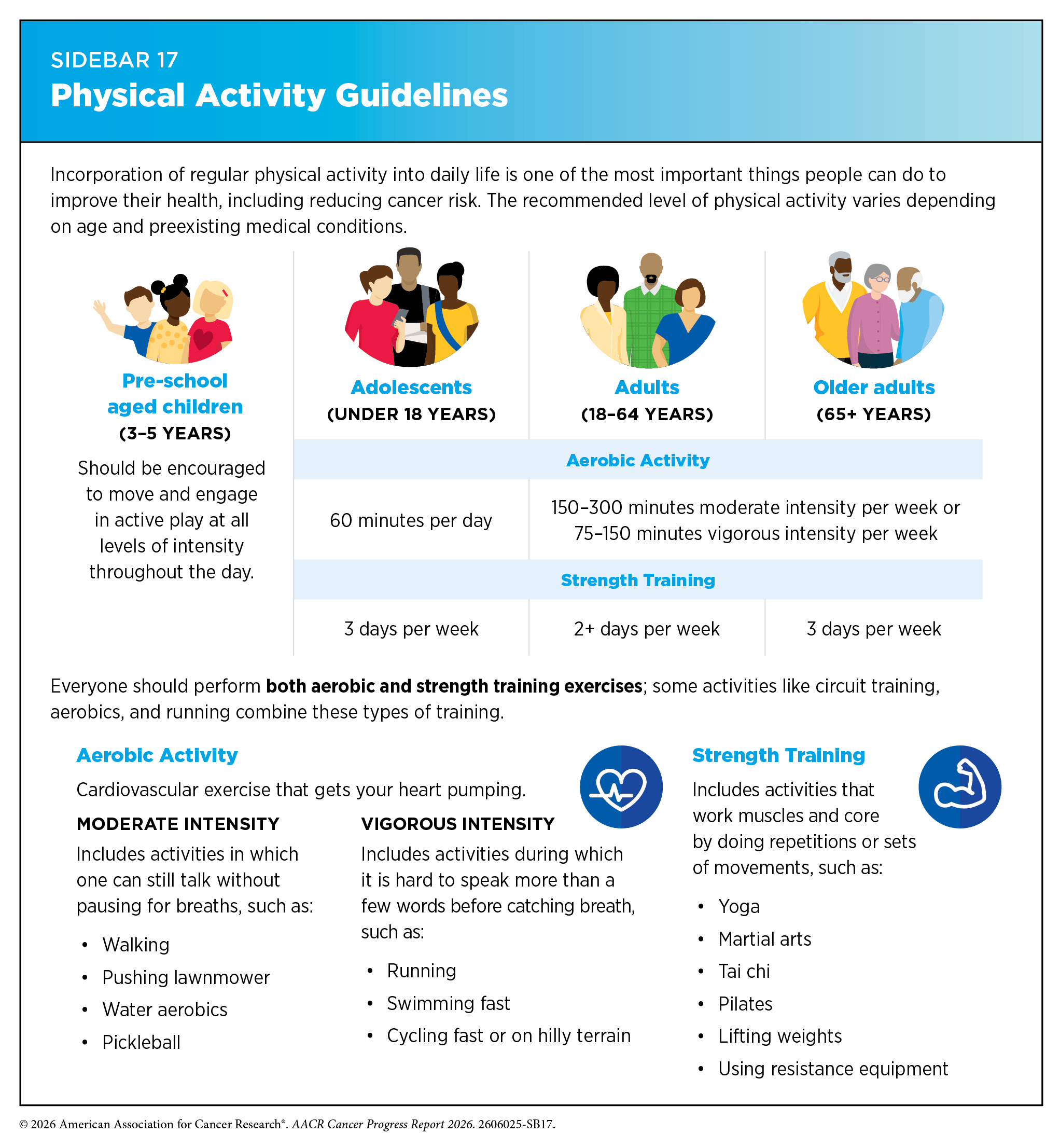
Engaging in regular physical activity at the levels recommended by the Centers for Disease Control and Prevention (CDC) can reduce the risk of nine different types of cancer, with research suggesting that more than 46,000 US cancer cases each year could potentially be prevented if all adults met recommended physical activity guidelines (see Sidebar 17) (313)Lopez-Bueno R, et al. (2023) JAMA Intern Med, 183: 982.(314)Minihan AK, et al. (2022) Med Sci Sports Exerc, 54: 417..
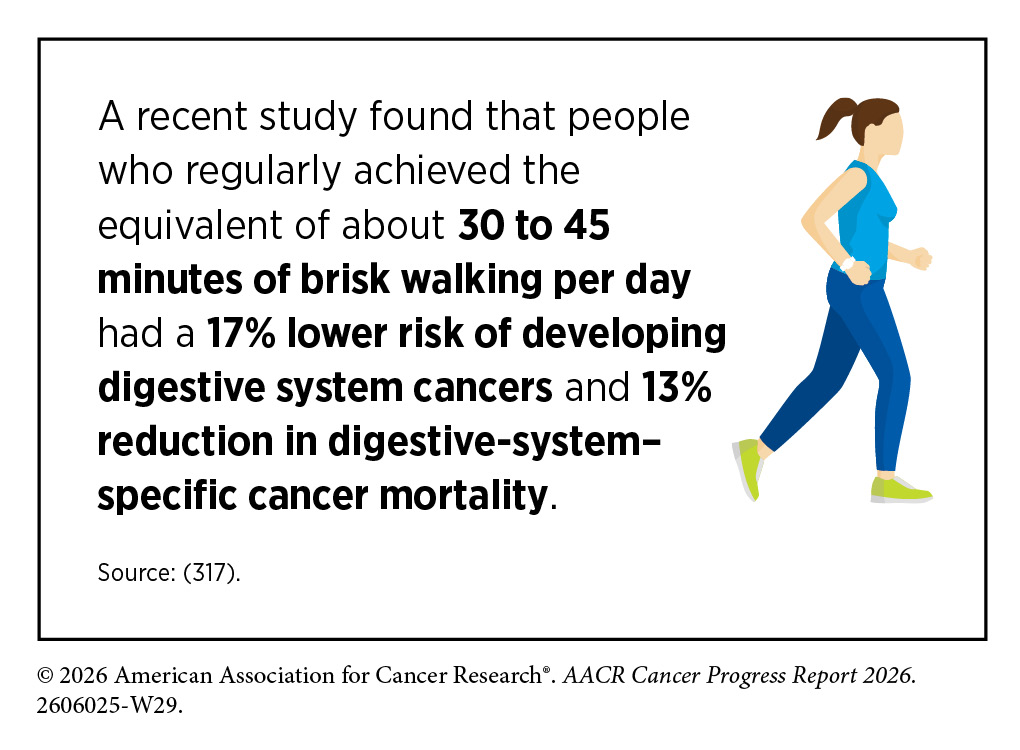
In the United States, only 24.3 percent of adults meet the recommended guidelines for both aerobic and muscle-strengthening physical activity (253)Blewett LA, et al. IPUMS Health Surveys: National Health Interview Survey. 8.1 ed. Minneapolis, MN: IPUMS; 2025. However, physical inactivity is not solely a US public health concern; it is a global challenge, with an estimated 31 percent of adults worldwide failing to achieve recommended activity levels (315)Strain T, et al. (2024) Lancet Glob Health, 12: e1232.. An international analysis found that the prevalence of meeting physical activity guidelines declines as country income increases, with adults living in high-income countries being 26.1 percentage points less likely to meet recommended activity levels than those living in low-income countries. Further, significant differences in physical activity levels based on income and socioeconomic status, both within countries and across countries, were observed, suggesting that many people face barriers to being physically active because of where they live or their access to resources (316)Salvo D, et al. (2026) Nature Medicine, 32: 1479.. As physical inactivity continues to rise globally, increasing opportunities for regular physical activity could play an important role in reducing the burden of cancer and other chronic diseases.
Developing widespread public health campaigns to increase physical activity is essential to reversing the growing trend of sedentary lifestyles in the United States. One example is the Active People, Healthy Nation initiative, which aims to help 27 million Americans become more physically active by 2027. This program focuses on creating activity-friendly communities, promoting physical activity in schools, and partnering with local leaders to implement tailored, community-based programs. On a global scale, WHO’s Global Action Plan on Physical Activity aims to achieve a 15 percent relative reduction in physical inactivity by 2030. The plan outlines a comprehensive framework for creating active societies, active environments, active people, and active systems.
Collectively, national and global efforts recognize that increasing physical activity requires more than individual behavior change; it also depends on creating communities and environments that make active lifestyles safe, accessible, and convenient for all.
Reduce Alcohol Consumption
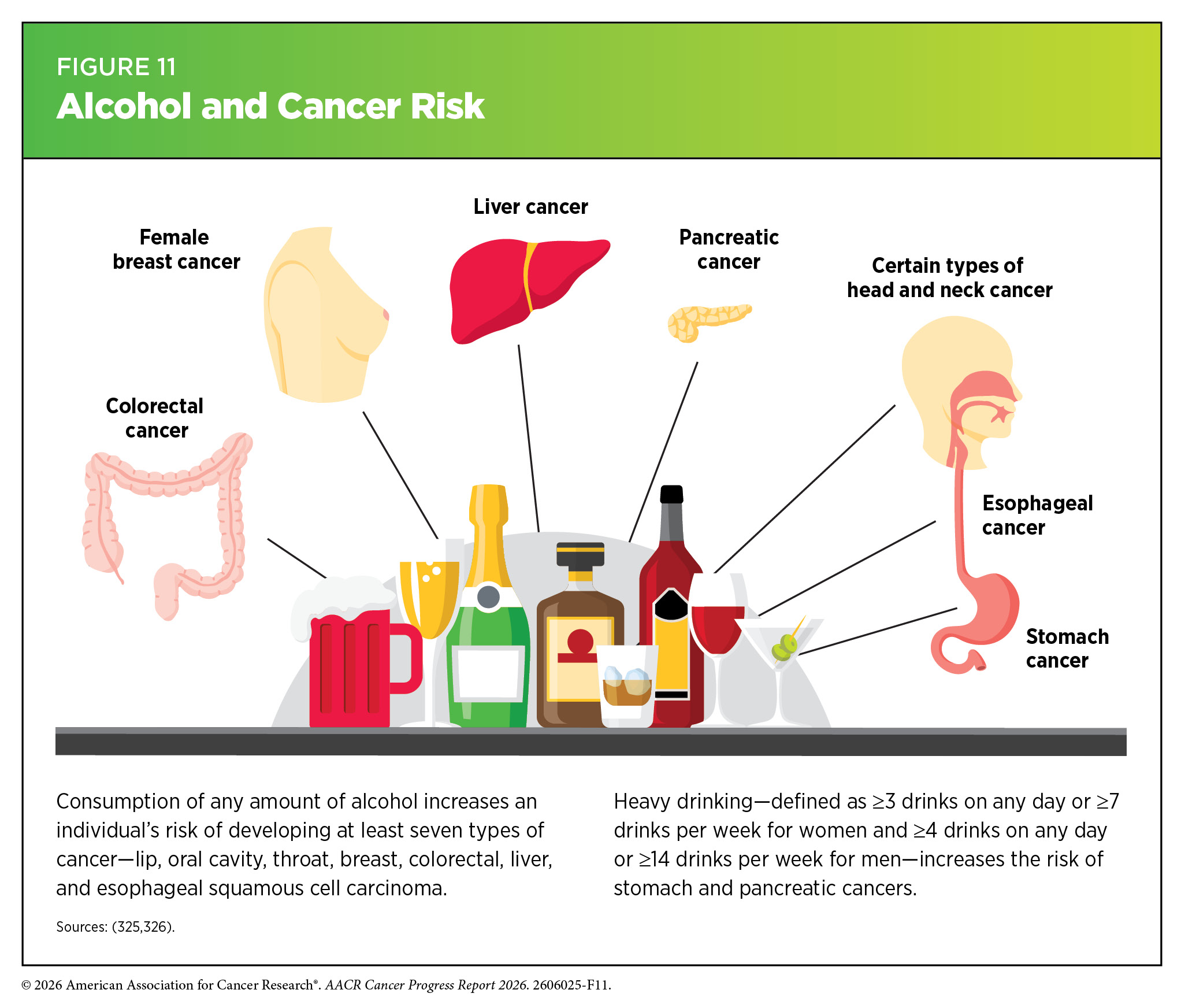
Alcohol consumption increases the risk for at least seven different types of cancer (see Figure 11) and is linked to more than 200 diseases (318)George S, et al. (2026) Journal of Studies on Alcohol and Drugs, 87: 621.(319)Abraham I, et al. (2025) Cancer Epidemiology, 99: 102956.(320)Dai X, et al. (2026) Nature Health.(321)Havlikova J, et al. (2025) Communications Biology, 8: 1374.(322)O’Connell CP, et al. (2026) Cancer, 132: e70201.(323)Streck JM, et al. (2026) JAMA, 335: 93.. In the United States, about 5 percent of cancer cases were attributed to alcohol consumption in 2019, the most recent year for which data are available (221)Islami F, et al. (2024) CA Cancer J Clin, 74: 405.(324)Bandi P, et al. (2025) Cancer Epidemiol Biomarkers Prev, 34: 836.. This translates to about 97,000 cancer cases and 20,000 deaths.
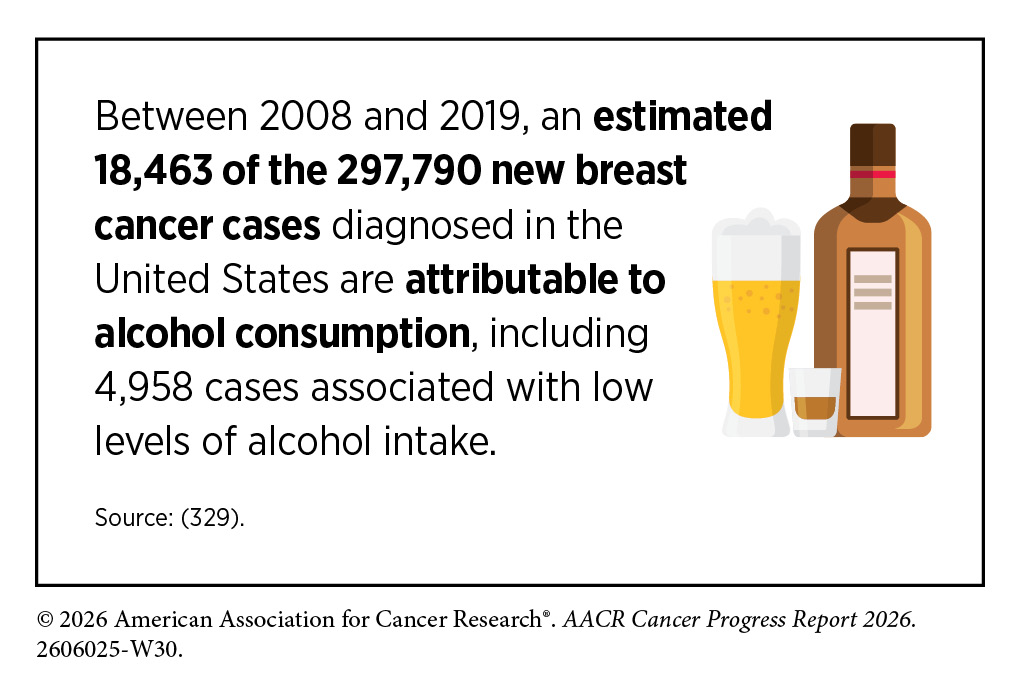
In 2024, 21.7 percent of US adults age 18 and older—approximately 57 million people—reported binge drinking during the past month (327)National Institute on Alcohol Abuse and Alcoholism. Alcohol Use in the United States: Age Groups and Demographic Characteristics. Accessed: June 30, 2026.. While heavy alcohol consumption is a well-established cancer risk factor, alcohol-related cancer risk is not limited to binge or heavy drinkers. Any level of alcohol consumption increases the risk of cancers of the head and neck, esophagus, breast, and colorectum (322)O’Connell CP, et al. (2026) Cancer, 132: e70201.(328)Sánchez-Bayona R, et al. (2020) Nutrients, 12: 731.(329)Greene NK, et al. (2025) Cancer Epidemiology, Biomarkers & Prevention, 34: 2095.. Higher levels of consumption are associated with increased risk of additional cancers, including cancers of the stomach, liver, gallbladder, and pancreas, although further evidence is needed to establish definitive causal relationships for some sites (330)Delam H, et al. (2025) Annals of Pancreatic Cancer, 8.(331)Naudin S, et al. (2025) PLoS Med, 22: e1004590.(332)Jun S, et al. (2023) Epidemiol Health, 45: e2023092..
Despite the established evidence linking alcohol consumption to cancer, public awareness remains limited. A 2026 survey conducted following updates to the US Department of Agriculture Dietary Guidelines—which removed language explicitly stating that alcohol consumption increases cancer risk—found that 53 percent of respondents reported that regular alcohol consumption increases the likelihood of developing cancer, statistically unchanged from 56 percent in February 2025. Sixteen percent reported that alcohol consumption has no effect on cancer risk, while 29 percent were unsure how alcohol affects cancer risk; neither estimate changed significantly from February 2025 (333)Annenberg Public Policy Center. University of Pennsylvania. Awareness of Alcohol-Cancer Link Holds Steady Despite Omission in New U.S. Dietary Guidelines. Accessed: June 30, 2026..
Research suggests that awareness can be improved through targeted education. In a nationally representative study, 70 percent of current drinkers who were previously unaware of the alcohol–cancer connection reported increased awareness after receiving brief educational messages about alcohol and cancer (334)Hay JL, et al. (2026) Cancer Epidemiology, Biomarkers & Prevention, 35: 389.. Awareness also varies by beverage type. In a survey examining perceptions of different alcoholic beverages, fewer US adults recognized that wine increases cancer risk (20.3 percent) compared to beer (24.9 percent) or liquor (31.2 percent) (335)Seidenberg AB, et al. (2023) Cancer Epidemiology, Biomarkers & Prevention, 32: 46..
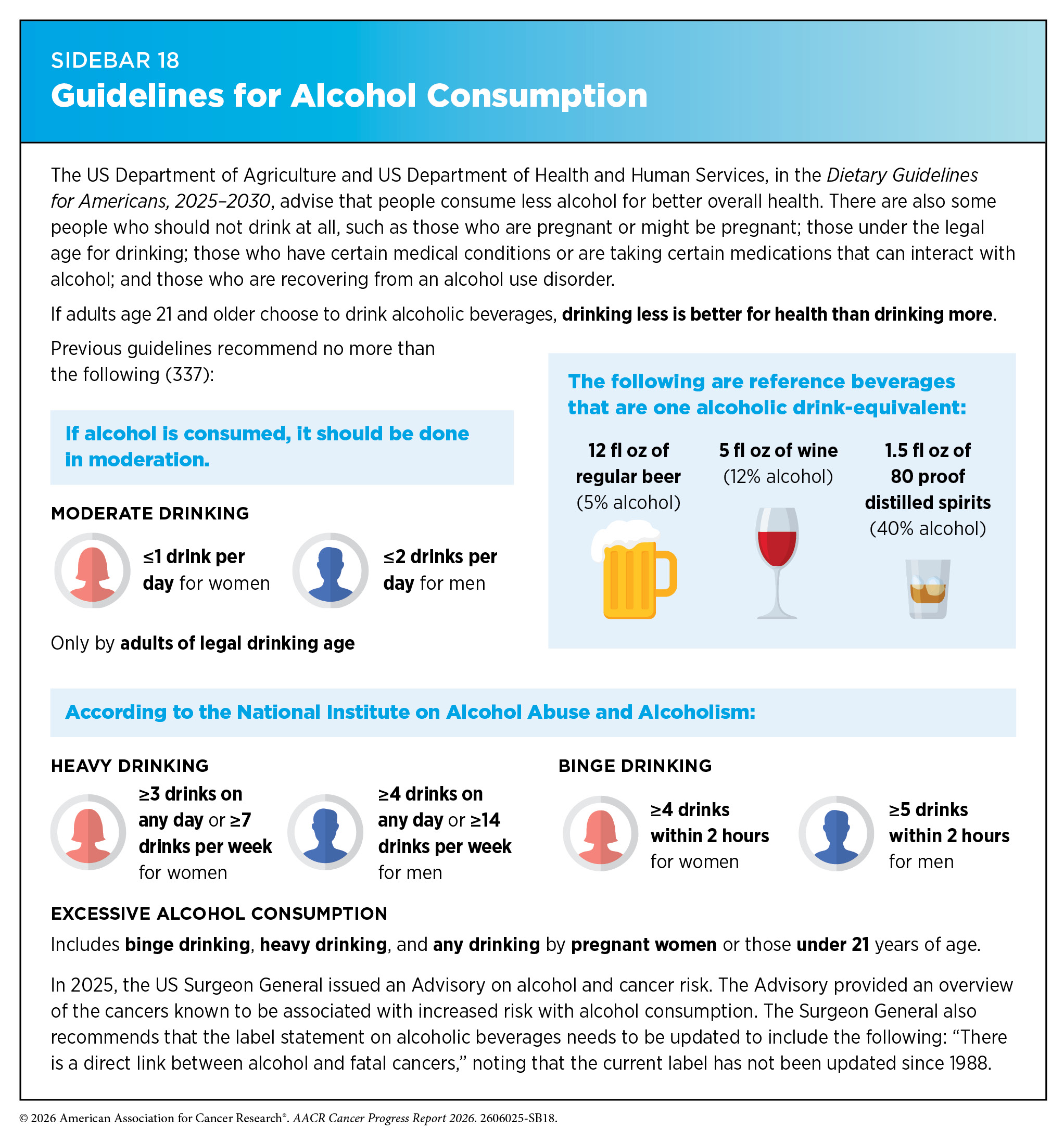
The persistent gap between scientific evidence and public understanding underscores the need for national interventions to raise awareness of alcohol-related cancer risk. Communication strategies, including enhanced warning labels (see Sidebar 18) and public health messaging, have shown promise in increasing knowledge and influencing drinking intentions. For example, a nationally representative study of 1,036 US adults who consume alcohol found that warning messages addressing specific health outcomes, including colorectal cancer and dementia, were perceived as effective in encouraging reduced alcohol consumption, reminding participants of alcohol-related harms, and providing new information (336)Grummon AH, et al. (2026) Journal of Studies on Alcohol and Drugs, 87: 433..
In July 2025, WHO launched the 3 by 35 Initiative, a global effort encouraging countries to increase the real prices of tobacco, alcohol, and sugar-sweetened beverages by at least 50 percent by 2035 through excise taxes. The initiative aims to reduce consumption of products that contribute substantially to noncommunicable diseases, including cancer, while generating revenue for public health investments. WHO estimates that the initiative could raise an additional $1 trillion (US dollars) in public revenue globally over the next decade and prevent millions of premature deaths, highlighting the potential of coordinated policy approaches to reduce alcohol-related harms worldwide (338)Samarasekera U (2026) The Lancet Oncology, 27: 154..
These findings suggest that strengthening alcohol warning labels and other public education efforts may be an effective population-level approach to reducing alcohol-related harms.
Protect Skin From UV Exposure
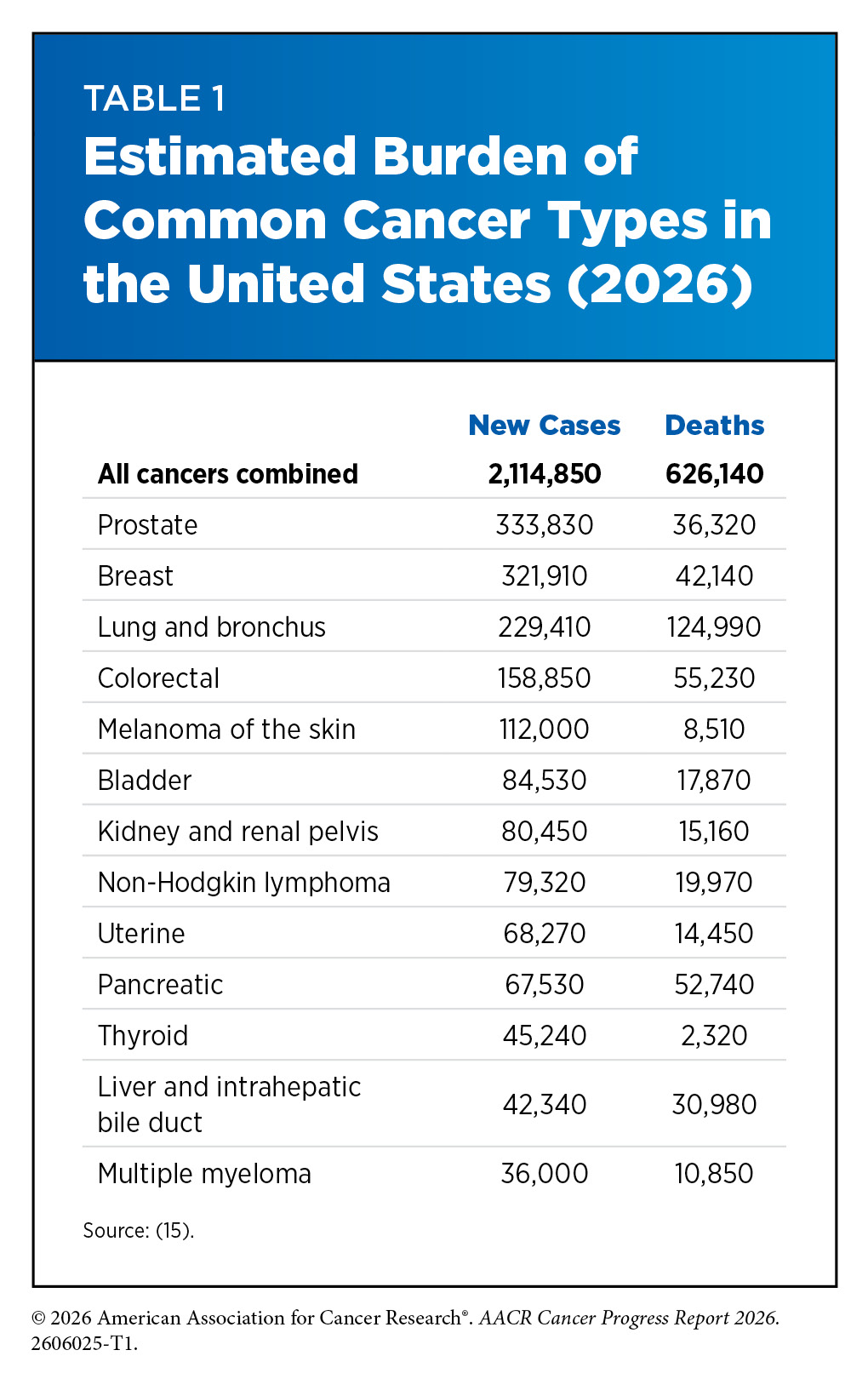
UV radiation is a form of invisible energy emitted by the sun. UV radiation is also produced by artificial sources, including tanning beds and sunlamps. Three types of UV radiation exist: UVA, which is largely associated with premature skin aging and wrinkles; UVB, which is the primary cause of sunburn; and UVC, which is generally blocked by the earth’s atmosphere and rarely reaches the ground. Exposure to UV radiation, whether from natural or artificial sources, can cause skin cancer, including basal cell carcinoma, squamous cell carcinoma, and melanoma—the deadliest form of skin cancer. In 2026, an estimated 112,000 new cases of melanoma of the skin and 8,510 melanoma deaths are expected in the United States (see Table 1).
UV radiation is responsible for an estimated 92 percent of melanoma cases and 4.6 percent of all cancers in the United States (221)Islami F, et al. (2024) CA Cancer J Clin, 74: 405.. UV exposure can damage DNA within skin cells, and repeated or excessive exposure can contribute to the development of cancer over time. Although anyone can develop skin cancer, risk is elevated among people with lighter skin tones and those who burn easily. Recent analyses of nationally representative health data found that individuals reporting a history of severe sunburn resulting in blistering or peeling had nearly four- to five-fold greater odds of developing melanoma than those without such a history (339)Hosseinpour Z, et al. (2026) J Racial Ethn Health Disparities, 13: 2067..
Misconceptions about UV exposure remain common. For example, many people believe they are protected from sunburn on cloudy days; however, as much as 80 percent of UV radiation can penetrate cloud cover. Consequently, sun-protective behaviors—including seeking shade, wearing protective clothing, and using sunscreen—are recommended whenever individuals spend time outdoors, regardless of cloud conditions (see Sidebar 19).
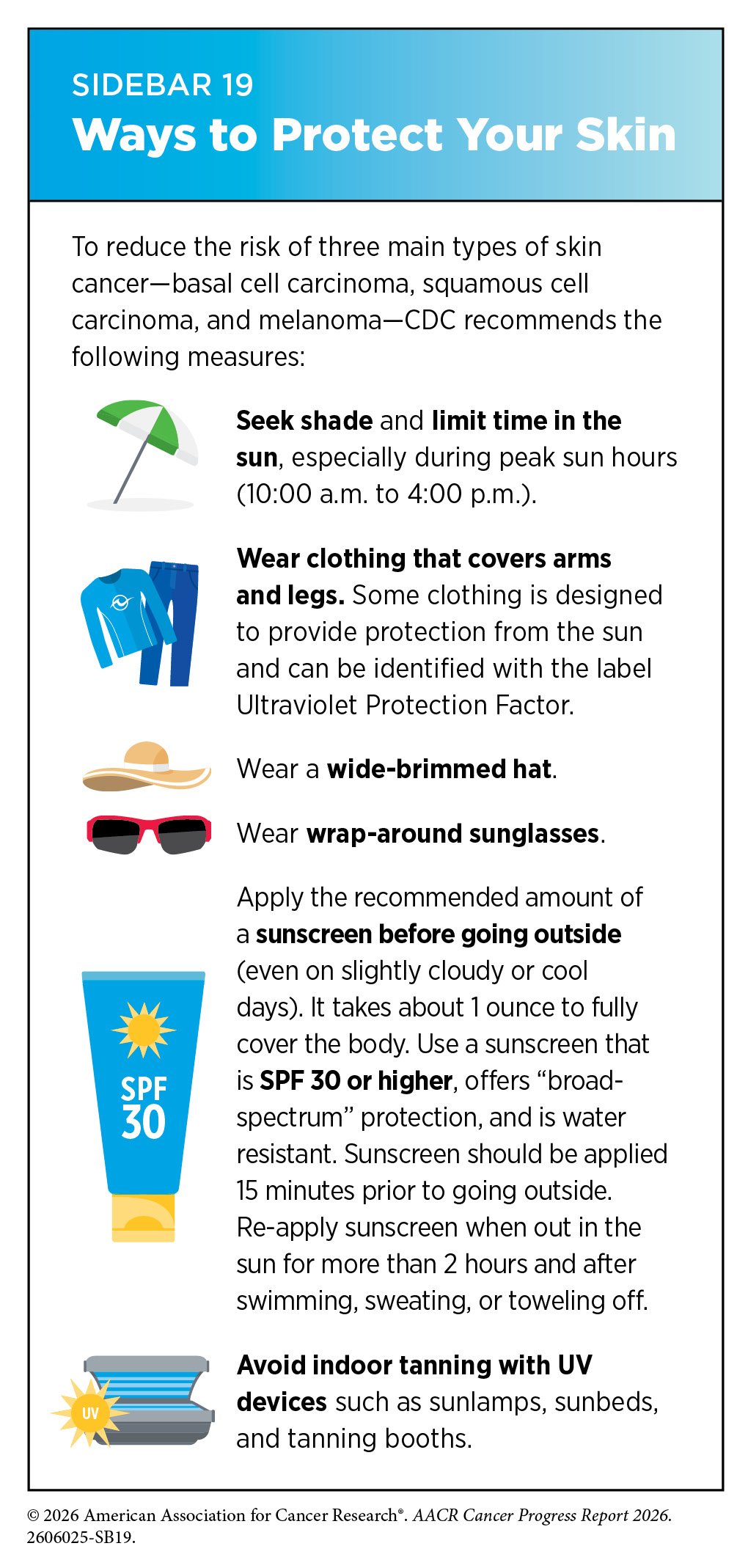
Indoor tanning exposes individuals to the same harmful UV radiation found in sunlight, but in an artificial setting, and increases the risk of skin cancer. WHO classifies tanning beds as a Group 1 human carcinogen, placing them in the same category as asbestos and tobacco smoke. Despite these risks, indoor tanning remains common in the United States, particularly among women ages 18 to 34 years, who have the highest rates of use (340)Bowers JM, et al. (2020) Am J Public Health, 110: 823.. Evidence indicates that indoor tanning substantially increases skin cancer risk; a recent study found that individuals who used tanning beds had nearly a three-fold higher risk of developing melanoma compared to those who had never used them (341)Gerami P, et al. (2025) Science Advances, 11: eady4878..
In addition to behavioral and public education strategies, advances in sunscreen technology may further strengthen skin cancer prevention efforts. In June 2026, FDA added bemotrizinol to the list of permitted sunscreen active ingredients, making it the first new active ingredient added to the over-the-counter sunscreen monograph since the late 1990s. Bemotrizinol provides broad-spectrum protection against both UVA and UVB radiation and has demonstrated low absorption through the skin into the body. For individuals with darker skin tones, bemotrizinol leaves no white cast and feels lighter and less greasy than other skin protectants currently available (342)The American Journal of Managed Care. 5 Questions Dermatology Patients May Have About Newly-Approved Bemotrizinol. Accessed: June 30, 2026.. FDA determined that bemotrizinol is generally recognized as safe and effective for use in sunscreens by adults and children 6 months of age and older. The addition of bemotrizinol expands the range of sunscreen options available to US consumers and represents an important step toward advancing innovation in skin cancer prevention.
Prevent and Eliminate Infection From Cancer-causing Pathogens
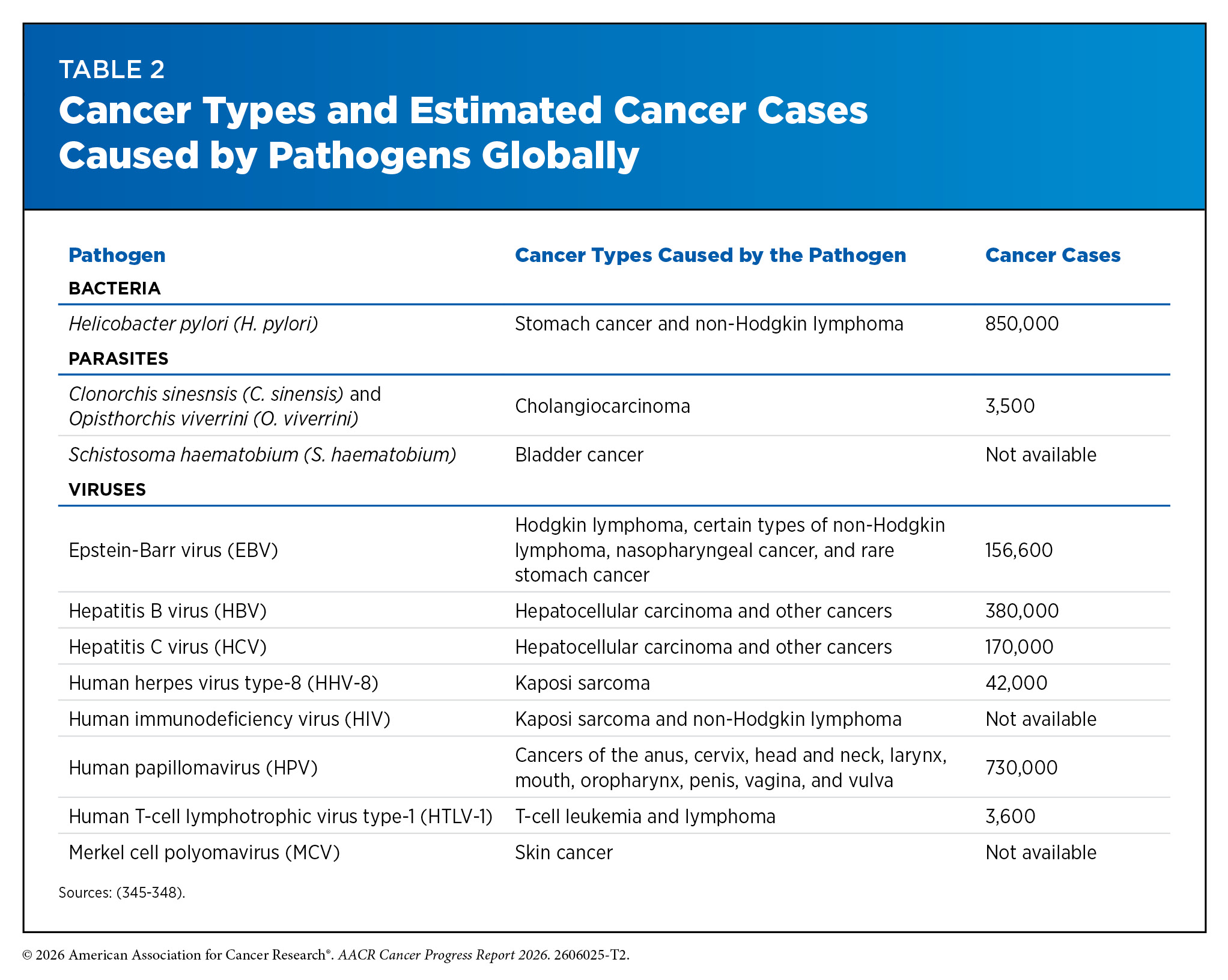
Certain infections caused by viruses, bacteria, and parasites can increase a person’s risk of developing cancer (see Table 2). These cancer-causing pathogens can damage cells, weaken the body’s natural defenses, and cause long-term inflammation, all of which can contribute to the development of cancer. In the United States, an estimated 3.4 percent of cancer cases are linked to infections (221)Islami F, et al. (2024) CA Cancer J Clin, 74: 405.. Worldwide, infections are responsible for approximately 10.2 percent of all cancers (343)Fink H, et al. (2026) Nature Medicine, 32: 1306..
Different pathogens contribute to cancer in different ways. Some can directly damage DNA, disrupt normal cell repair processes, produce cancer-promoting substances, or interfere with the mechanisms that control cell growth and division (344)Cai H, et al. (2025) Front Oncol, 15: 1737423.. Preventing and eliminating these infections through vaccination, screening, treatment, and other public health measures can play an important role in reducing cancer risk.
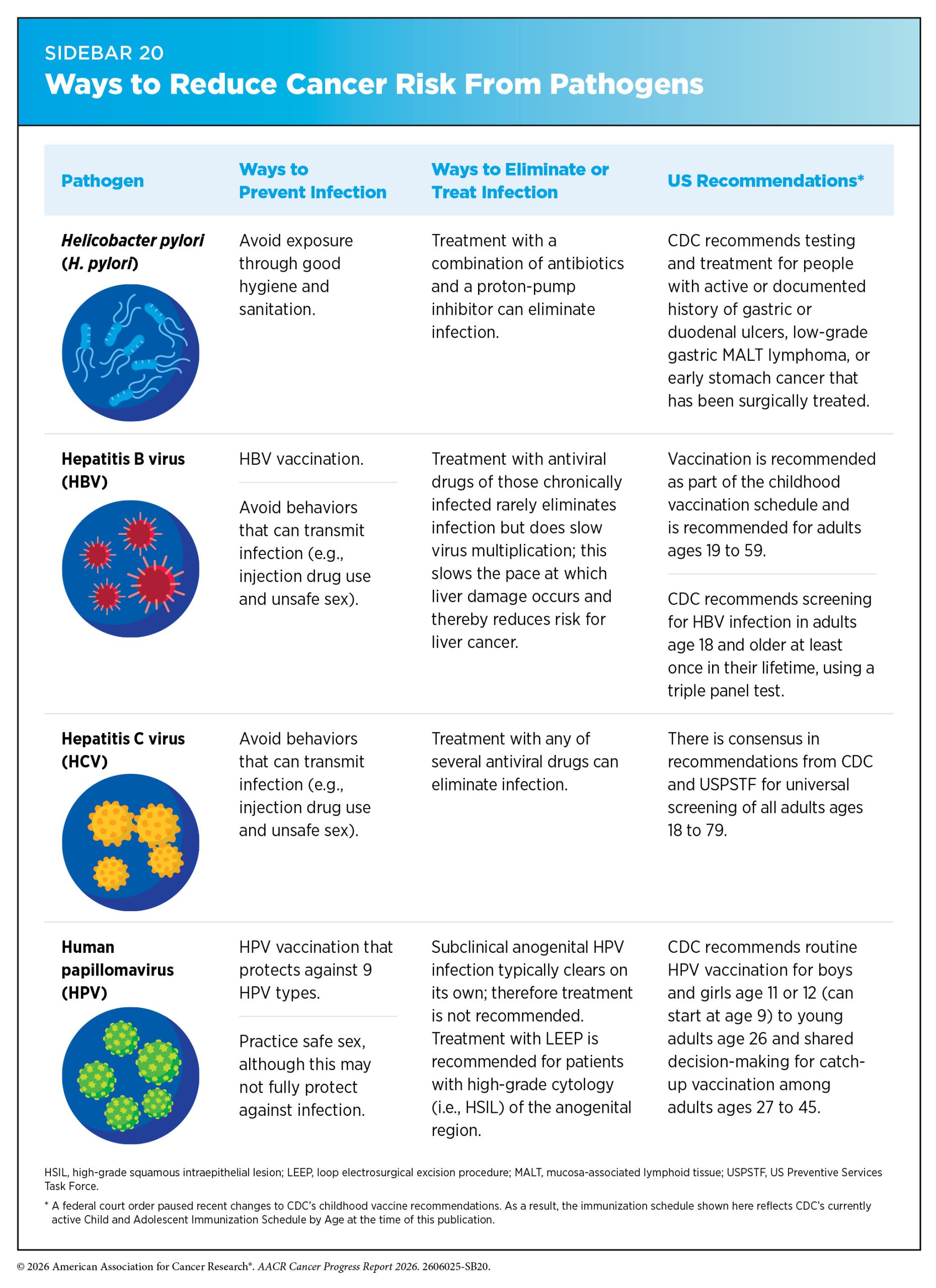
Many infection-related cancers can be prevented. Individuals can reduce their risk by taking steps to avoid infection, such as staying up to date on recommended vaccinations, and by seeking treatment to clear infections when appropriate (see Sidebar 20).
HPV, a group of more than 200 related viruses, is responsible for almost all cervical cancers, 90 percent of anal cancers, and 70 percent of oropharyngeal cancers, as well as most penile, vaginal, and vulvar cancers. While most HPV infections do not cause cancer, infection with high-risk strains of HPV for long periods (i.e., persistent infection) can lead to cancer. There are at least 15 high-risk HPV types, of which HPV 16 and 18 are responsible for most HPV-related cancers (349)Munoz N, et al. (2003) N Engl J Med, 348: 518.. In the United States, these high-risk HPV strains cause 1.2 percent and 2.5 percent of all cancers in men and women, respectively (221)Islami F, et al. (2024) CA Cancer J Clin, 74: 405.. Globally, HPV-related cancers made up about 7.5 percent of all cancers diagnosed in 2022 (350)Meng X, et al. (2025) Pathogens, 14..
Vaccination is the most effective strategy for preventing HPV infection and the cancers it causes. Evidence of its impact is increasingly apparent at the population level. A recent study found that among women ages 20 to 24 years who received the HPV vaccine, no cervical cancer deaths occurred between 2020 and 2024, compared to 23.1 expected deaths, representing a 100 percent reduction in cervical cancer mortality. Furthermore, compared to the 2000–2014 period, mortality rates decreased by 80 percent among women ages 20 to 24 years during 2015–2019 and by 69 percent among women ages 25 to 29 years during 2020–2024 (351)Sasieni P, et al. The Lancet..
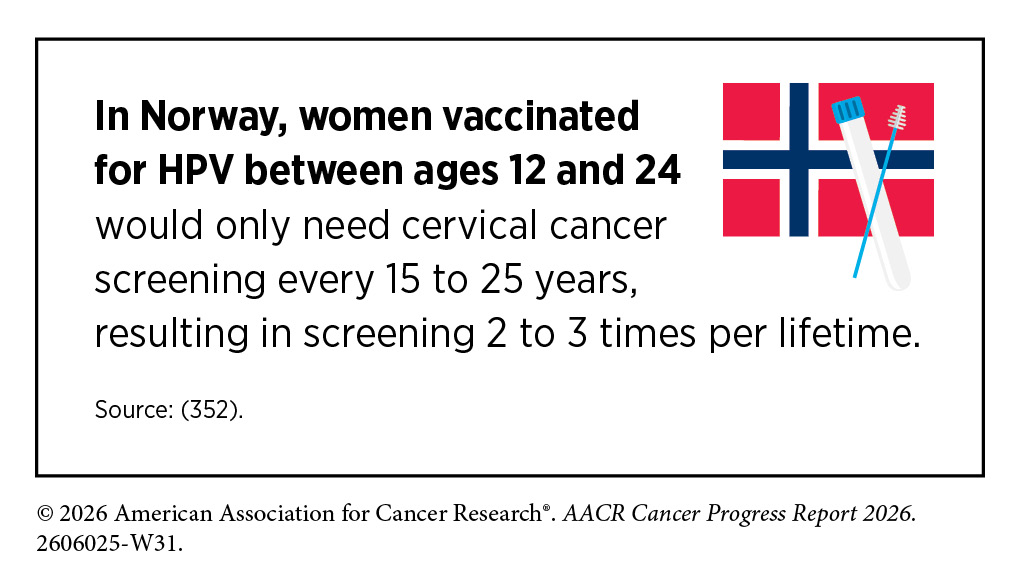
The HPV vaccine is approved for females and males ages 9 to 45 years, with routine vaccination recommended at ages 11 to 12 years. The vaccine currently used in the United States, Gardasil 9, protects against nine HPV types associated with cancer. To reduce the burden of HPV-related cancers, the national goal is for 80 percent of adolescents to be fully vaccinated against HPV. Most adolescents who begin the vaccine series before age 15 require two doses, whereas those initiating vaccination between ages 15 and 45 are generally recommended to receive three doses.
Despite broad availability of the vaccine, HPV vaccination coverage remains below the national target. In 2024, the most recent year for which data are available, 63 percent of US adolescents were up to date with the recommended HPV vaccination schedule. However, 78 percent had received at least one dose, which has been shown to provide protection against persistent HPV infection (353)Pingali C, et al. (2025) MMWR Morb Mortal Wkly Rep, 74: 466.(354)Kreimer AR, et al. (2025) New England Journal of Medicine, 393: 2421.. Emerging evidence suggests that a single dose may provide substantial protection, and CDC has indicated support for simplifying HPV vaccination schedules. However, the Advisory Committee on Immunization Practices currently continues to recommend a two-dose series for individuals who start vaccination before age 15 and a three-dose series for those who begin later.
Chronic infection with hepatitis B virus (HBV) or hepatitis C virus (HCV) can lead to liver cancer and is also a risk factor for other malignancies, including non-Hodgkin lymphoma. Globally, chronic HBV and HCV infection is the most common risk factor for liver cancer and accounts for 55 percent and 21 percent of liver cancer deaths, respectively (347)American Cancer Society. Global Cancer Facts and Figures 5th Edition. Accessed: June 30, 2026.. To eliminate viral hepatitis as a public health threat, the US Department of Health and Human Services (HHS) released the Viral Hepatitis National Strategic Plan for the United States: A Roadmap to Elimination (2021–2025) in 2022. The plan outlined goals to prevent new infections, improve health outcomes for those living with viral hepatitis, reduce health disparities, strengthen surveillance systems, and coordinate efforts across sectors to address the hepatitis epidemic.
According to CDC’s 2025 Viral Hepatitis National Progress Report, the United States met or made progress toward most of its 2025 targets (355)Centers for Disease Control and Prevention. 2025 Viral Hepatitis National Progress Report. Accessed: June 30, 2026.. Notable achievements included a 20 percent reduction in new HBV infections, at least a 25 percent reduction in HBV infections among people who inject drugs, a 20 percent reduction in HCV-related deaths, and a 30 percent reduction in HCV-related deaths among Black individuals. Although some targets were not fully achieved—including reductions in HBV-related deaths among Asian or Pacific Islander populations, new HCV infections among people who inject drugs, and HCV-related deaths among American Indian or Alaska Native populations—national trends indicate continued progress toward these goals.
Recent advances in hepatitis B treatment also offer promise for reducing the long-term burden of liver cancer. Current therapies for chronic HBV infection can effectively suppress viral replication but often require lifelong treatment and rarely result in a functional cure. In 2026, FDA granted priority review and breakthrough therapy designation to bepirovirsen, an investigational therapy for chronic HBV infection that demonstrated clinically meaningful functional cure rates in phase III clinical trials (356)GlaxoSmithKilne. Bepirovirsen achieves unprecedented functional cure rates with potential to redefine treatment for chronic hepatitis B Accessed: June 30, 2026.(357)Hou J, et al. (2026) New England Journal of Medicine, 394: 2395.. Bepirovirsen is designed to reduce HBV proteins and help restore immune control of the infection. If approved, it could become the first therapy capable of achieving functional cure rates substantially higher than those seen with current standard treatments, representing a major advance in efforts to prevent HBV-related liver cancer and other complications.
Helicobacter pylori (H. pylori) is a type of bacteria that affects over 40 percent of the global population (358)Casey O, et al. (2026) Front Gastroenterol (Lausanne), 5: 1740221.. If left untreated, H. pylori infection can lead to stomach cancer. The infection causes chronic inflammation of the stomach lining, which over time increases the risk of developing stomach cancer and gastric mucosa-associated lymphoid tissue (MALT) lymphoma—a rare form of non-Hodgkin lymphoma.
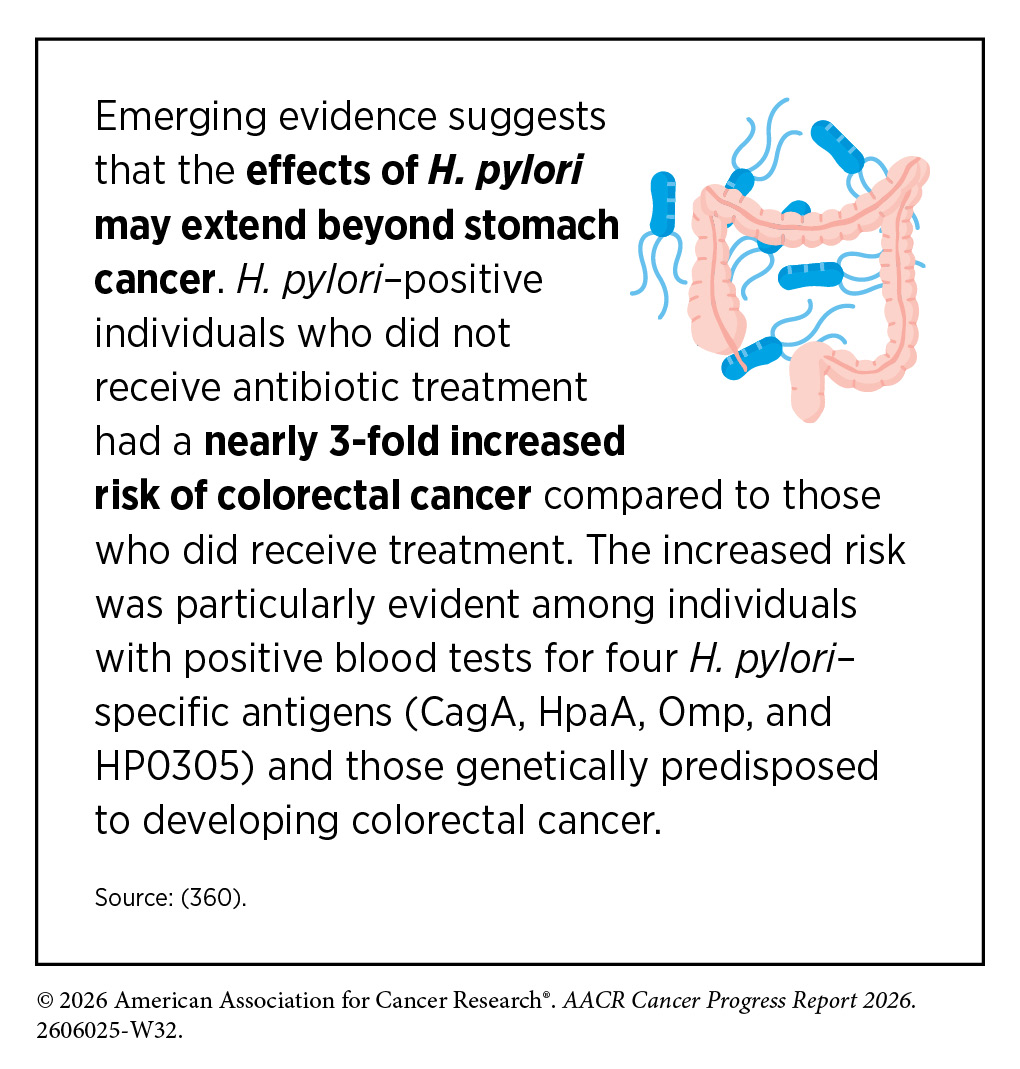
Epidemiologic studies have consistently shown that chronic H. pylori infection increases the risk of non-cardia stomach cancer, and that treatment of the infection reduces that risk (359)Kumar S, et al. (2020) Gastroenterology, 158: 527.. Strong evidence also demonstrates that eradication of H. pylori lowers the risk of peptic ulcer disease, dyspepsia, and stomach cancer, with a recent study reporting reductions in stomach cancer incidence of up to 44 percent (358)Casey O, et al. (2026) Front Gastroenterol (Lausanne), 5: 1740221..
Because H. pylori infection can be identified and treated before cancer develops, screening and eradication have emerged as promising prevention strategies. Although routine population-wide screening for H. pylori is not currently recommended in the United States, growing evidence suggests that screening and treatment may be an effective cancer prevention strategy. A recent study found that adding H. pylori testing to established colorectal cancer screening programs that use the fecal immunochemical test (FIT) reduced stomach cancer mortality by 13.5 percent and was a cost-effective approach to cancer prevention (361)Lee Y-C, et al. (2026) JAMA.. These findings support ongoing international efforts to expand H. pylori screening and treatment as a means of reducing the global burden of stomach cancer.
Limit Exposure to Environmental Risk Factors
Environmental carcinogens are cancer-causing agents that occur in our surroundings and include substances such as arsenic, asbestos, radon, lead, radiation, and a wide range of chemical pollutants. Exposure to elevated levels of these agents, particularly in the absence of adequate protective measures, can increase cancer risk. The International Agency for Research on Cancer (IARC) and the US National Toxicology Program evaluate scientific evidence on environmental exposures and classify known or suspected carcinogens at the international and national levels, respectively. Although these hazards are widespread, exposure is not evenly distributed across populations. Factors such as residential location, occupation, socioeconomic conditions, and daily activities can result in disproportionately high exposure for some individuals.
Air and water are the primary sources of environmental carcinogen exposure. Air pollution results from the release of chemical, physical, and biological contaminants that alter the natural composition of the atmosphere. Common air pollutants include particulate matter (PM), ozone, carbon monoxide, nitrogen dioxide, and sulfur dioxide. A growing body of evidence links exposure to air pollution with increased risks of several cancers, including lung (17)LoPiccolo J, et al. (2024) Nat Rev Clin Oncol, 21: 121.(139)Díaz-Gay M, et al. (2025) Nature, 644: 133.(362)Hill W, et al. (2023) Nature, 616: 159.(363)Luo G, et al. (2025) Lancet Respir Med, 13: 348.(364)Zhang Y, et al. (2025) BMC Public Health, 25: 1260., breast (365)Wu AH, et al. (2025) J Clin Oncol, 43: 273.(366)White AJ, et al. (2025) American Journal of Public Health, 115: 2030., ovarian (367)Williamson MR, et al. (2026) JAMA Network Open, 9: e268641., and, more recently, skin cancer (368)Chan FY, et al. (2025) PLOS Glob Public Health, 5: e0004357..
Emerging research also suggests that air pollution may contribute to cancer development through direct effects on DNA. In a recent study of never-smokers diagnosed with lung cancer, higher exposure to PM was associated with greater levels of DNA damage and specific genetic alterations. Individuals residing in more polluted areas were more likely to harbor mutations in the TP53 gene, an important tumor suppressor, and to have shorter telomeres, the protective structures at the ends of chromosomes that are often considered markers of cellular aging and damage. A clear dose-response relationship was observed, with increasing air pollution levels associated with greater DNA damage and progressive telomere shortening. Notably, many of the other mutations detected resembled patterns commonly associated with tobacco smoke exposure and aging-related biological processes (139)Díaz-Gay M, et al. (2025) Nature, 644: 133..
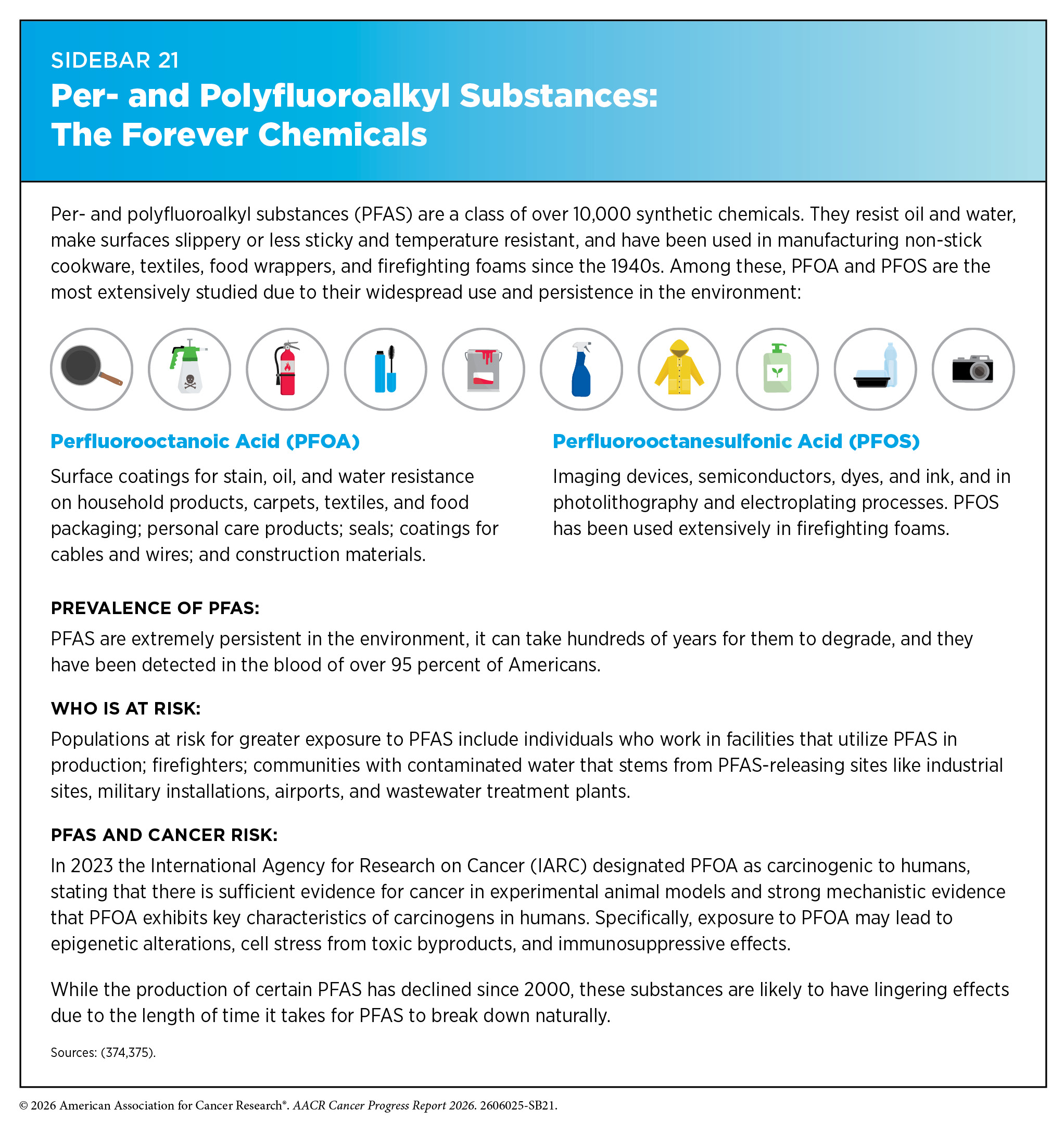
In addition to airborne exposures, environmental contaminants in drinking water may also contribute to cancer risk. Potential carcinogens found in water supplies include arsenic, asbestos, radon, agricultural chemicals, industrial waste products (369)Morris RD (1995) Environ Health Perspect, 103 Suppl 8: 225.(370)Levin R, et al. (2024) J Expo Sci Environ Epidemiol, 34: 3., and PFAS. PFAS belong to a broader class of endocrine-disrupting chemicals that can interfere with hormonal signaling and other biological pathways involved in cancer development. Growing evidence suggests that exposure to PFAS may be associated with increased risks of several cancers, including thyroid, ovarian, and breast cancers (371)van Gerwen M, et al. (2023) EBioMedicine, 97: 104831.(372)Liu B, et al. (2024) JAMA Netw Open, 7: e243127.(373)Rhee J, et al. (2024) Environ Int, 192: 109058. (see Sidebar 21).
In addition to established environmental carcinogens, growing attention has focused on emerging contaminants whose potential health effects are not yet fully understood. More recently, concerns have emerged regarding the widespread presence of microplastics (MPs) and nanoplastics in the environment and their potential role in carcinogenesis, although research in this area is still evolving (376)Ernhofer B, et al. (2025) Journal of Hazardous Materials, 495: 139129.(377)Mishra SK, et al. (2025) Molecular Cancer, 24: 248..
MPs are tiny plastic particles that are increasingly detected in air, water, food, and human tissues and may pose risks to human health (378)Klingelhöfer D, et al. (2020) Water Res, 170: 115358.. Several mechanisms have been proposed through which MPs could contribute to carcinogenesis, including the induction of chronic inflammation, oxidative stress, DNA damage, and the transport of other environmental contaminants into the body. Two recent reviews identified evidence suggesting a possible link between microplastic exposure and cancer development (379)Malafaia G, et al. (2023) TrAC Trends in Analytical Chemistry, 161: 117016.(380)Chen Q, et al. (2022) Environmental Sciences Europe, 34: 25.. However, experts caution that the current evidence is insufficient to draw definitive conclusions because most studies have been conducted in cells grown in laboratories or animal models and have examined relatively short-term exposures rather than long-term effects in humans (377)Mishra SK, et al. (2025) Molecular Cancer, 24: 248.. As a result, additional epidemiologic and mechanistic research is needed to better understand the extent of human exposure to MPs and their potential role in cancer development.
Although the health effects of some environmental contaminants, such as MPs, remain under investigation, other environmental exposures have been firmly established as cancer risk factors. Indoor air pollutants, in particular, represent an important source of exposure. One of the most significant is radon, a naturally occurring radioactive gas produced by the breakdown of uranium in soil, rock, and water. Radon can enter buildings through cracks in foundations, walls, and floors, as well as through gaps around pipes, wires, and other openings. Indoor radon concentrations vary geographically and tend to be highest in areas with uranium-rich geological formations.
Exposure to elevated levels of radon is common in the United States. Approximately 83.8 million people live in homes where radon concentrations exceed 148 Bq/m³, the level at which the US Environmental Protection Agency (EPA) recommends mitigation efforts (381)Li L, et al. (2025) Proc Natl Acad Sci U S A, 122: e2408084121.. Analyses of community-level data from 2001 to 2021 identified particularly high concentrations in eastern Pennsylvania, central Ohio, and a large geographic corridor stretching from the eastern Dakotas through western Iowa and eastern Nebraska. In addition, many adjacent areas had radon concentrations approaching the EPA action level, ranging from 111 to 148 Bq/m³ (381)Li L, et al. (2025) Proc Natl Acad Sci U S A, 122: e2408084121..
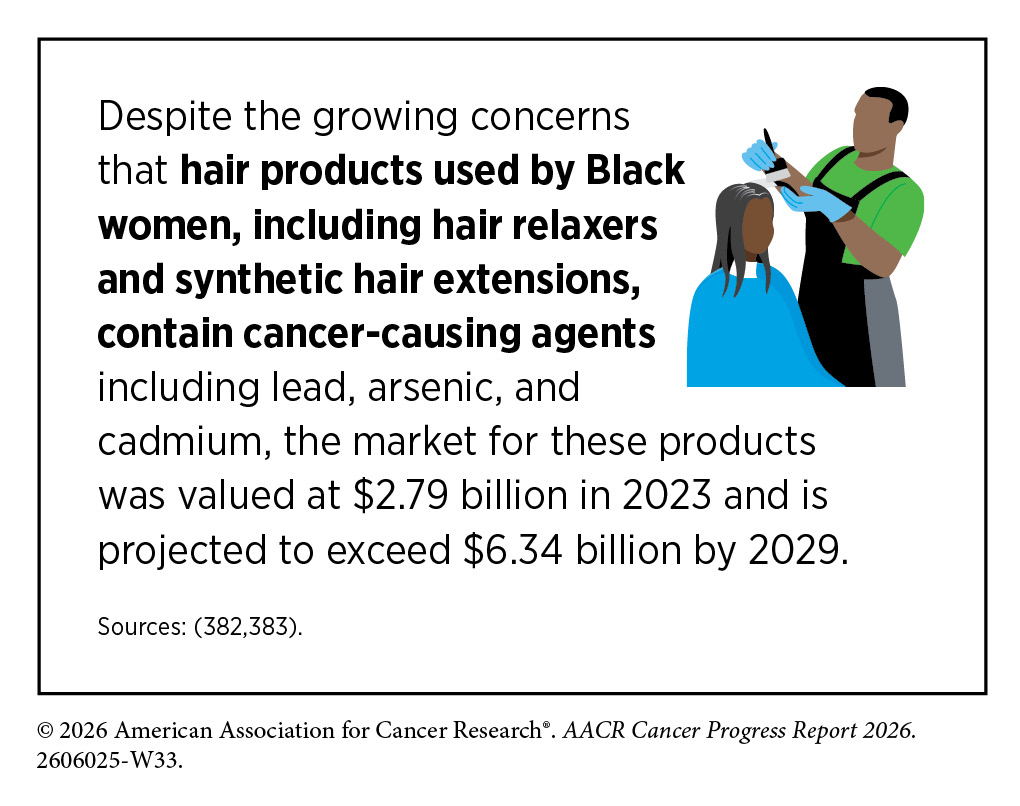
Concerns about environmental carcinogens have also expanded beyond air and water pollution to include chemicals found in consumer products. In recent years, studies have linked exposure to certain ingredients in hair care and cosmetic products—including some chemical hair straighteners, relaxers, and synthetic hair products—to increased risks of hormone-related cancers and other adverse health outcomes (232)White AJ, et al. (2021) Carcinogenesis, 42: 1189.(233)Chang CJ, et al. (2022) J Natl Cancer Inst, 114: 1636.. Black women may be disproportionately affected because use of these products often begins in adolescence—a critical exposure window for hormone-related cancers—and continues throughout adulthood, resulting in higher cumulative exposures (384)Bertrand KA, et al. (2023) Environ Res, 239: 117228.. Growing concern over these
findings has prompted legislative action. In 2025, members of Congress introduced the Safer Beauty Bill Package, a series of bills aimed at restricting or banning hazardous chemicals in personal care products, improving ingredient transparency, and strengthening protections for women of color and salon workers who may face elevated exposures (234)NBC News. Congress targets hair products with cancer-causing ingredients marketed to Black women. Accessed: June 30, 2026.. These efforts reflect increasing recognition of the potential role of everyday consumer products as sources of carcinogenic and endocrine-disrupting chemical exposures.
Where You Live Matters
Where an individual lives can have a significant impact on their health and cancer risk. Geographic differences in environmental exposures—including those related to industrial pollution and climate change—can influence the likelihood of developing cancer (226)Larios D, et al. (2025) The Journal of Climate Change and Health, 25: 100573.(385)Abbott NA, et al. (2025) Environ Sci Technol, 59: 45.(386)Domingo JL, et al. (2020) Environmental Research, 186: 109495.(387)Eom SY, et al. (2018) Environ Health Toxicol, 33: e2018004.. Individuals living near industrial facilities may experience greater exposure to toxic chemicals and metals, while those in areas affected by extreme heat, air pollution, drought, or wildfires may face additional climate-related carcinogenic exposures. For example, wildfire smoke can contain cancer-causing chemicals released from burning vegetation, buildings, and other materials (227)Hiatt RA, et al. (2026) American Society of Clinical Oncology Educational Book, 46: e521654..
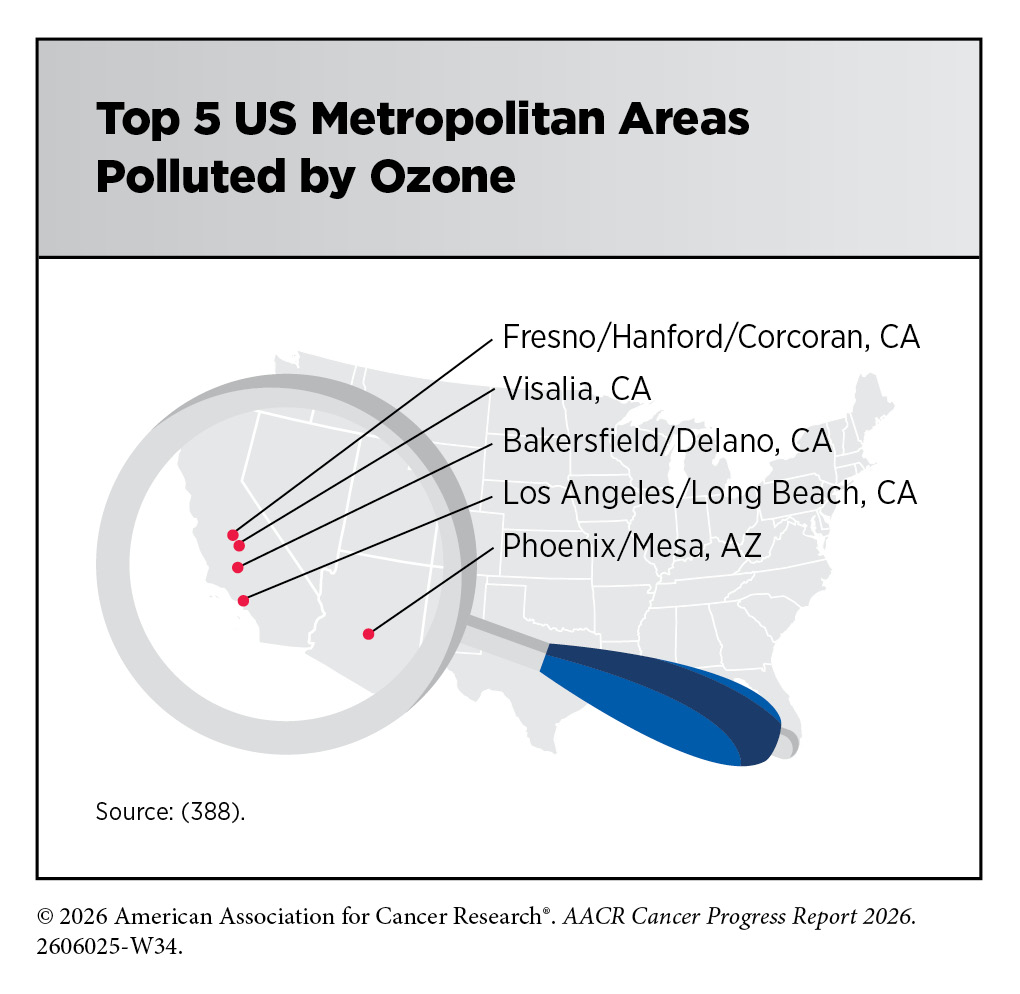
Air pollution is one important example of how geographic location can influence health risks. In 2026, an estimated 152.2 million people lived in areas with unhealthy levels of ozone, a harmful air pollutant formed when emissions from vehicles, factories, and other sources react in sunlight. Additionally, 33.5 million children lived in counties that received an F grade for at least one measure of air pollution, indicating that unhealthy air quality occurred frequently enough to pose potential health risks. Air quality trends also vary substantially across the country. In seven states—Arizona, Connecticut, Louisiana, New Jersey, New Mexico, Oklahoma, and Texas—more counties experienced worsening ozone pollution than showed improvement or no change from 2025 (388)American Lung Association. State of the Air 2026 Report. Accessed: June 30, 2026..
The effects of climate change, defined as long-term shifts in temperature and weather patterns driven largely by human activity, are an increasing concern among public health experts (227)Hiatt RA, et al. (2026) American Society of Clinical Oncology Educational Book, 46: e521654.(228)Kriit HK, et al. (2026) The Lancet Public Health, 11: e386.. Strong scientific evidence confirms that climate change is occurring and suggests that it intensifies exposure to carcinogens through air, water, occupational, and other environmental pathways. Climate change is increasingly recognized as a determinant of cancer risk and outcomes because it alters the frequency, intensity, and behavior of extreme weather events; modifies environmental exposures; and can disrupt cancer prevention, screening, diagnosis, and treatment services.
Climate change can increase exposure to harmful air pollution in several ways. Higher temperatures can worsen air quality, and hotter, drier conditions can increase the likelihood of wildfires. In recent years, climate change has contributed to more frequent, severe, and longer-lasting wildfires in many parts of the United States (389)CNN. Tracking wildfires and smoke across the US in maps and charts. Accessed: June 30, 2026.. As these fires spread, they burn not only trees and vegetation but also homes, vehicles, and other human-made materials. This burning releases a mixture of toxic pollutants into the air, including chemicals known or suspected to cause cancer, such as benzene, dioxins, and polycyclic aromatic hydrocarbons (PAHs). People living near wildfire-prone areas may be exposed to these pollutants through the smoke and ash generated by the fires. Although researchers are still working to fully understand the long-term health effects of these exposures, climate-driven wildfires represent a growing source of cancer-related environmental risks (227)Hiatt RA, et al. (2026) American Society of Clinical Oncology Educational Book, 46: e521654..
Climate change is expected to further increase geographic disparities in air pollution exposure. Rising temperatures and more frequent wildfires increase the release of ozone-forming pollutants, while hotter conditions and lower wind speeds can allow pollutants to accumulate near the ground. As a result, communities already burdened by poor air quality may experience even greater exposure to pollutants that can adversely affect health and potentially raise cancer risk over time (227)Hiatt RA, et al. (2026) American Society of Clinical Oncology Educational Book, 46: e521654.(388)American Lung Association. State of the Air 2026 Report. Accessed: June 30, 2026..
While air pollution is one important pathway through which environmental exposures can influence cancer risk, water quality is another critical concern. Access to clean drinking water varies across communities, and geographic location can affect exposure to a range of cancer-related contaminants (390)Mueller JT, et al. (2021) Nat Commun, 12: 3544.. For example, a recent study found that public water systems serving communities with higher proportions of residents from households with limited English proficiency were more likely to have detectable levels and higher concentrations of the carcinogens arsenic, chromium, and selenium (391)Dai MQ, et al. (2025) Environ Health Perspect, 133: 67003..
Environmental exposures are not distributed equally across the US population. Differences in air quality, water quality, industrial pollution, and climate-related hazards can lead to unequal cancer risks across communities. Understanding and addressing these geographic disparities is critical for reducing the cancer burden and ensuring that all individuals have the opportunity to live in healthy environments.
Occupation Matters
Because of elevated exposure to carcinogens, certain occupations—such as firefighting, industrial painting, and jobs in environments like iron and steel foundries or around welding fumes—have been classified by IARC as Group 1 carcinogens, indicating they are known to cause cancer in humans (392)Baan R, et al. (2009) Lancet Oncol, 10: 1143.. To reduce risk, workers should consistently use personal protective equipment (PPE) and ensure it is properly decontaminated after exposure to carcinogens and other hazardous substances.
Occupational cancer risk is reflected in differences in cancer mortality across professions. A recent study found that cancer death rates varied substantially by occupation, with some of the highest rates observed among fishing and hunting workers, mining machine operators, and funeral directors (393)Lesinski JD, et al. (2026) The Lancet Oncology, 27: 79.. Several occupational factors may contribute to these disparities, including differences in access to employer-sponsored health insurance, paid leave, flexible work schedules, and opportunities to seek preventive care or timely treatment. The study also found that a relatively small number of occupations accounted for a disproportionate share of cancer deaths, suggesting that workplace conditions, occupational exposures, and barriers to health care can have a significant impact on both cancer risk and survival (393)Lesinski JD, et al. (2026) The Lancet Oncology, 27: 79..
Work schedules may also influence cancer risk. In particular, long-term night shift work has been associated with an increased risk of several cancers (394)McDermott JE, et al. (2024) J Proteome Res, 23: 1547.. Researchers believe this may be due to disruption of the natural circadian rhythm—the internal clock that regulates sleep, hormone production, and other biological processes. Emerging evidence suggests that chronic disruption of these rhythms may promote tumor growth and spread by affecting the body’s immune system and other mechanisms involved in cancer development (395)Ogunlusi O, et al. (2025) Oncogene, 44: 4491..
Manage Chronic Stress
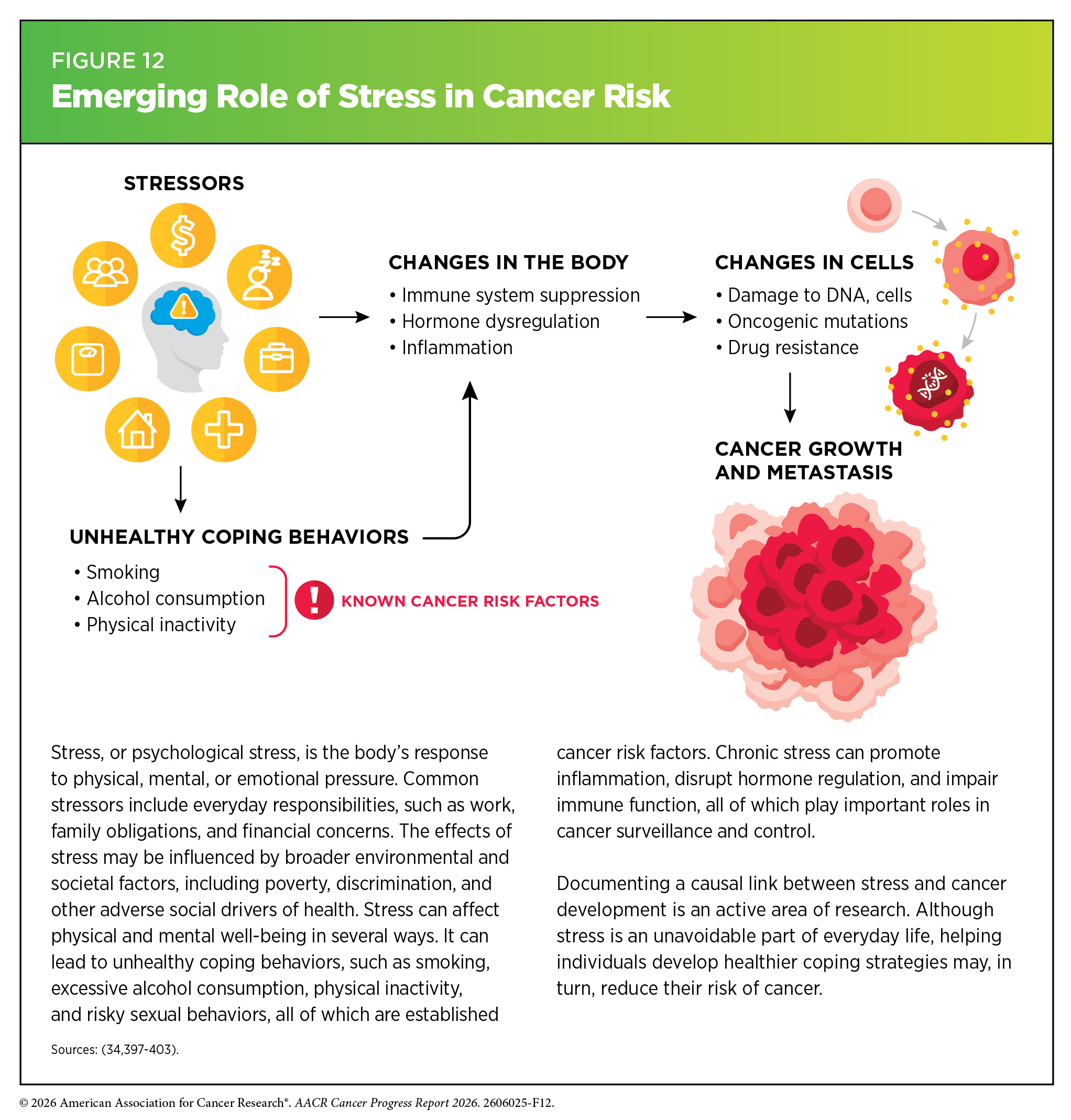
Chronic stress represents a critical pathway through which environmental and social conditions can influence health, including cancer risk and outcomes (see Figure 12). Rather than reflecting short-term psychological distress, chronic stress involves the sustained activation of physiological stress responses due to ongoing exposure to challenging life circumstances. These exposures may include factors such as economic strain, neighborhood conditions, and experiences of interpersonal or structural stress. Conceptual frameworks such as the minority stress model help explain how persistent stressors—such as discrimination or stigma—can affect biological processes over time through repeated activation of stress and inflammatory responses (396)Frost DM, et al. (2023) Curr Opin Psychol, 51: 101579..
Research has shown that repeated stress over time leads to a pathophysiologic manifestation referred to as allostatic load, which represents the cumulative “wear and tear” on multiple biological systems, including neuroendocrine, immune, metabolic, and cardiovascular pathways (see Figure 13) (403)Dai S, et al. (2020) Front Oncol, 10: 1492.(404)McEwen BS, et al. (1993) Arch Intern Med, 153: 2093.. Elevated allostatic load has been associated with dysregulated immune function and inflammation, which are key mechanisms linking chronic stress to adverse health outcomes such as asthma, diabetes, heart conditions, and cancer (404)McEwen BS, et al. (1993) Arch Intern Med, 153: 2093.(405)Llanos AAM, et al. (2022) Front Oncol, 12: 857548.(406)Guan Y, et al. (2025) JAMA Network Open, 8: e2528019.(407)Xing CY, et al. (2020) Breast Cancer Res Treat, 184: 901.(408)Gormley M, et al. (2025) npj Breast Cancer, 11: 90.(409)Barrett M, et al. (2022) Trends in Molecular Medicine, 28: 1040.(410)Harris AR, et al. (2025) JAMA Netw Open, 8: e2459754.(411)Beese S, et al. (2022) Int J Environ Res Public Health, 19..
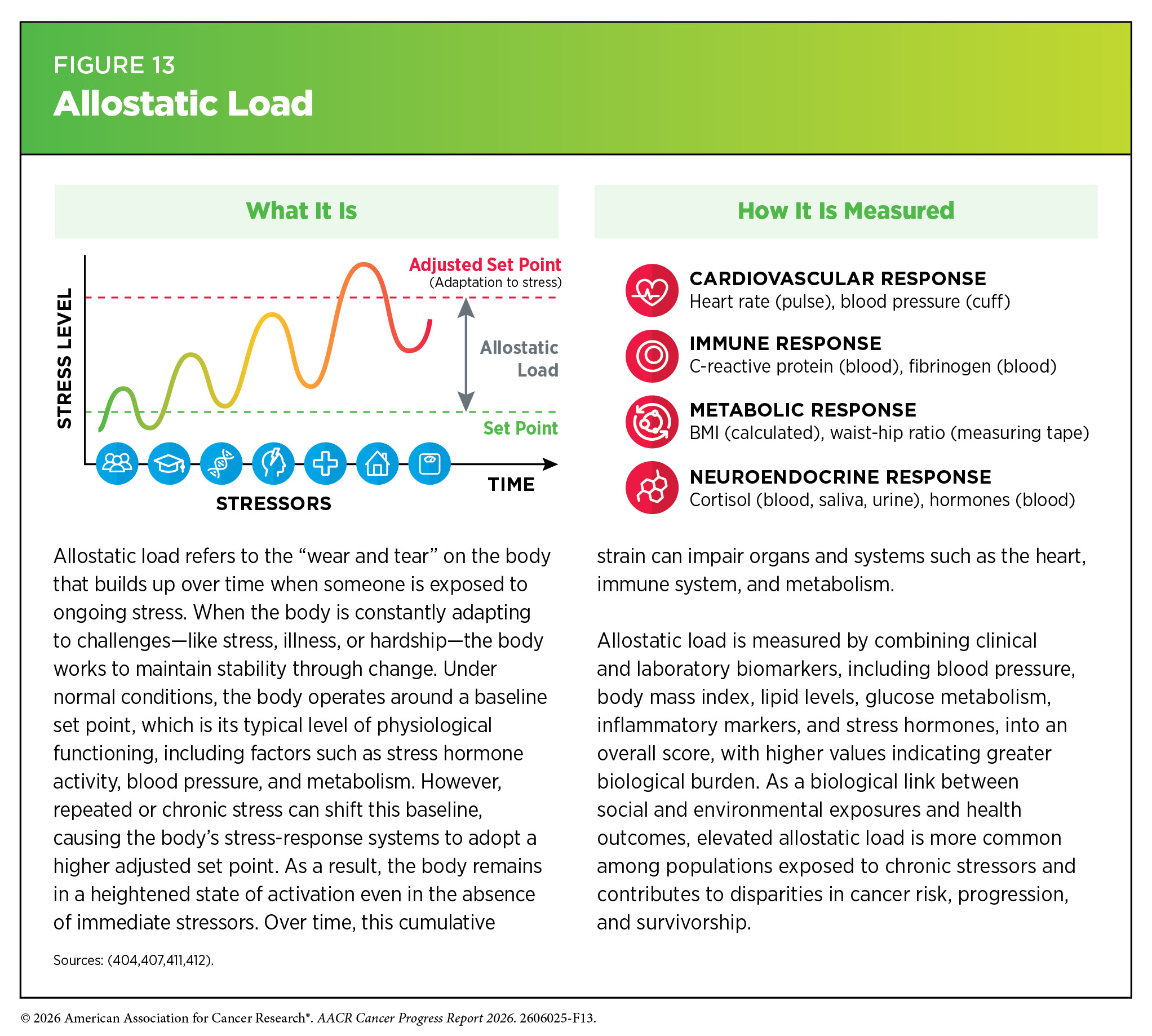
Social drivers of health (see Figure 2), including features of the built environment, are central contributors to chronic stress and allostatic load. Minoritized populations groups and other medically underserved populations are disproportionately exposed to stressors such as economic insecurity, neighborhood disinvestment, residential segregation, environmental hazards, housing instability, food insecurity, over-policing, and limited access to health-promoting resources. These conditions are shaped by historical and contemporary social injustices, and create environments in which stressors are frequent, chronic, and cumulative across the life course. Built environment characteristics—such as exposure to ambient noise, air pollution, overcrowding, unsafe housing, neighborhood violence, lack of green space, and proximity to industrial or high-traffic areas—further amplify physiologic stress responses and contribute to elevated allostatic load.
A growing body of research links chronic stress and elevated allostatic load to cancer risk and outcomes. Chronic stress has been associated with biological processes relevant to cancer development and progression, including immune dysregulation, inflammation, and altered hormonal signaling. Epidemiologic studies have reported associations between psychological stress and several common cancers, including breast, prostate, lung, colorectal, and hematologic cancers (161)Sun R, et al. (2026) Nature Metabolism, 8: 196.(193)Tzouanas CN, et al. (2026) Cell, 189: 435.(405)Llanos AAM, et al. (2022) Front Oncol, 12: 857548.(407)Xing CY, et al. (2020) Breast Cancer Res Treat, 184: 901.(413)Obeng-Gyasi S, et al. (2021) npj Breast Cancer, 7: 100.(414)Stabellini N, et al. (2023) JNCI Cancer Spectrum, 7: pkad005.(415)Shen J, et al. (2025) Sci Rep, 15: 37505.(416)Guan Y, et al. (2024) Cancers (Basel), 16.. For example, stress-related conditions, including anxiety disorders, have been linked to increased lung cancer risk, and preexisting stress-related diagnoses have been associated with higher cancer mortality, particularly among individuals with advanced-stage or hematologic cancers.
Chronic stress can also influence coping behaviors and engagement with health care. Individuals experiencing sustained stress may be more likely to engage in behaviors associated with increased cancer risk, such as tobacco or alcohol use and poor diet. In addition, cancer diagnosis, treatment, and survivorship can introduce new and ongoing stressors that further increase allostatic load, with downstream effects on physical health, mental well-being, and quality of life for both patients and caregivers. Recent evidence suggests that social factors, including financial strain, social isolation, negative life events, and perceived stress, may heighten stress responses among individuals with cancer (417)Sanogo F, et al. (2026) Cancer Res Commun, 6: 698..
To reduce the physiological impact of chronic stress, engaging in health-promoting activities (e.g., physical activity) can help regulate its biological effects by reducing chronic inflammation. Psychosocial interventions may also play a key role. A recent review found that breast cancer patients who received psychotherapy experienced reductions in emotional distress, intrusive thoughts, and anxiety. Additionally, biomarkers of stress (e.g., cortisol) and the expression of pro-inflammatory and metastasis-related genes were lower and downregulated, respectively, among women who received psychotherapy (402)Herbetko K, et al. (2026) Int J Mol Sci, 27..
Collectively, the evidence highlights chronic stress as a potentially modifiable contributor to cancer risk and outcomes, underscoring the importance of strategies that reduce stress and support overall well-being across the cancer continuum.
Be Cognizant of Hormonal Factors
Lifetime exposure of naturally occurring hormones in the body, as well as hormones used in medications or therapies, can influence an individual’s cancer risk. Research has shown that hormonal factors play an important role in the development of several cancers, particularly breast and gynecologic cancers. This section highlights how hormone exposure is shaped by reproductive history, breastfeeding, hormone replacement therapy, and gender-affirming hormone therapy, and how it may contribute to differential cancer risk.
Family Planning, Pregnancy, and Breastfeeding
Reproductive factors that include oral contraceptive use, pregnancy, and breastfeeding influence hormonal exposure and the risk of developing certain types of cancer. For example, oral contraceptives can decrease the risk of ovarian and endometrial cancers but may increase the risk of developing breast and cervical cancers (418)Jahanfar S, et al. (2024) Front Glob Womens Health, 5: 1487820.(419)Kamani M, et al. (2022) Ecancermedicalscience, 16: 1416.. A recent literature review found that current or recent hormonal contraceptive use among reproductive age women slightly raises the risk of breast cancer, but the risk returns to the population average within a decade of discontinuation (420)Ferguson D, et al. (2026) Maturitas, 208: 108898.. These findings are further supported by a large study of more than two million adolescent girls and premenopausal women reporting that the breast cancer risk varies based on contraceptive formulation (421)Hadizadeh F, et al. (2025) JAMA Oncol, 11: 1497..
Evidence indicates that the risk of developing certain types of breast cancer increases after recent childbirth (422)Nichols HB, et al. (2019) Ann Intern Med, 170: 22.. However, lifetime breast cancer risk decreases two decades or more after the last pregnancy, and women who have their first pregnancy before age 20 have a 50 percent lower risk of developing breast cancer (423)Subramani R, et al. (2017) Prog Mol Biol Transl Sci, 151: 81.. A recent review of the literature suggests that this transient increase in risk is driven, in part, by a series of biological changes that occur in postpartum breast tissue. These changes resemble wound-healing processes and are characterized by heightened immune activity and tissue remodeling, creating an environment that may promote tumor initiation and growth (424)Zhang S, et al. (2025) Ther Adv Med Oncol, 17: 17588359251369973.. Further research is needed to understand the unique biology of pregnancy-associated breast cancer, develop screening and prevention strategies for women who are risk, and optimize treatment options to prevent adverse effects on fertility.
Studies have shown that breastfeeding protects against several types of cancer. For example, breastfeeding is associated with reduced risk of breast and ovarian cancers (425)Obeagu EI, et al. (2024) Ann Med Surg (Lond), 86: 2805.. For breast cancer, protective effects of breastfeeding are particularly strong for TNBC, an aggressive subtype that disproportionately affects younger and Black women (426)Sierra-Roca J, et al. (2025) Pathogens, 14.. Evidence indicates that breastfeeding reduces breast cancer risk through several mechanisms, including reduced estrogen exposure, molecular changes in breast tissues, and modulation of the breast microbiome, although additional research is needed to further establish these findings (426)Sierra-Roca J, et al. (2025) Pathogens, 14..
Hormone Replacement Therapy
Hormone replacement therapy (HRT) aims to relieve the common symptoms of menopause and the long-term biological changes, such as bone density loss, that take place after menopause because of the decline in levels of the hormones, estrogen and progesterone. HRT usually involves treatment with estrogen and progestin or estrogen alone in women who have had all or part of their uterus surgically removed, as they no longer need progesterone, which protects against precancerous changes in the lining of the uterus.
The most comprehensive evidence on HRT and cancer risk comes from the National Institutes of Health (NIH)–funded Women’s Health Initiative (WHI), the largest women’s health prevention study that focuses on strategies for preventing heart disease, breast and colorectal cancers, and osteoporosis in postmenopausal women (427)Lambrinoudaki I, et al. (2026) J Clin Endocrinol Metab, 111: e974.(428)National Heart, Lung, and Blood Institute. Women’s Health Initiative (WHI). Accessed: June 30, 2026.. A recent review of WHI studies reveals that estrogen alone is marginally associated with breast cancer risk reduction, while the combined use of estrogen and progestin increases the incidence of invasive breast cancer (427)Lambrinoudaki I, et al. (2026) J Clin Endocrinol Metab, 111: e974.. The review also found that HRT may confer benefit when initiated before age 60 or within 10 years of menopause, while delayed initiation (≥65 years) may increase risks of coronary events and stroke.
Studies have shown that HRT also influences cancer risk in women younger than age 55. In a recent study of nearly half a million women ages 16 to 54, estrogen-only therapy was associated with a reduced risk of breast cancer, while combined estrogen–progestin therapy was associated with an increased risk of breast cancer diagnosed before age 55, particularly the estrogen receptor–negative and triple-negative subtypes (429)O’Brien KM, et al. (2025) Lancet Oncol, 26: 911.. The 5th European Code Against Cancer, published in 2025, recommends, based on the available evidence, that menopausal women should thoroughly discuss the benefits and risks of HRT with their health care provider and limit its use to the shortest duration possible (430)Bollam R, et al. (2026) Maturitas, 208: 108894.(431)Thorat MA, et al. (2026) Mol Oncol, 20: 117..
In the United States, recommendations regarding HRT remain somewhat conflicting. USPSTF recommends against the use of HRT for the primary prevention of chronic conditions in postmenopausal women, regardless of whether they have an intact uterus (432)U.S Preventive Services Task Force (2022) JAMA, 328: 1740.. In contrast, FDA recently revised the labeling of six HRT medications, removing warning language that linked their use to breast cancer and other chronic conditions (433)US Food and Drug Administration. FDA Approves Labeling Changes to Menopausal Hormone Therapy Products. Accessed: June 30, 2026..
An emerging area of research within hormone therapy involves understanding cancer risks associated with gender-affirming hormone therapy (GAHT) (434)Jackson SS, et al. (2022) Trends Cancer, 8: 273.. In transgender individuals, GAHT uses hormones to help align a person’s physical characteristics with their gender identity. For transgender men, testosterone is used to promote masculine features, such as a deeper voice and increased body hair, while reducing feminine characteristics. For transgender women, estrogen is used to promote feminine features, such as breast development and changes in body fat distribution, and medications that lower testosterone levels are often used to reduce masculine characteristics (435)Unger CA (2016) Transl Androl Urol, 5: 877..
The available evidence is limited by short follow-up durations and small cohort sizes. A recent systematic review of the literature did not find increased incidence of skin, female breast, or prostate cancers among transgender and gender-diverse individuals receiving GAHT (436)Awadalla R, et al. (2026) N Z Med J, 139: 81.. However, evidence from smaller studies indicates that transgender women receiving estrogen therapy have increased risk of advanced-stage prostate cancer; greater duration of estrogen therapy increases their risk of breast cancer (436)Awadalla R, et al. (2026) N Z Med J, 139: 81.. Experts emphasize the need for additional research and larger studies to determine cancer risk, so that better, evidence-based prevention and early detection strategies can be implemented for this medically underserved population (436)Awadalla R, et al. (2026) N Z Med J, 139: 81.(437)Tewari S, et al. (2026) Obstet Gynecol Clin North Am, 53: 323.(438)Aranda-Gutierrez A, et al. (2025) Sex Health, 22..
Next Section: Cancer Screening for Early Detection Previous Section: Understanding the Path to Cancer Development