Executive Summary
Transformative advances in cancer prevention, early detection, treatment, and survivorship over the past several decades, fueled by sustained federal investment in medical research, have reshaped clinical care and public health, leading to substantial reductions in cancer mortality and improved survival for millions of patients. As the first and largest professional organization in the world dedicated to preventing and curing all cancers, the American Association for Cancer Research (AACR) is committed to advancing public understanding of cancer and advocating for robust, sustained, and predictable federal support for medical research. This Cancer Progress Report to Congress and the American public, now in its 16th edition, remains a cornerstone of AACR’s educational and advocacy efforts.
For more than 15 years, the AACR Cancer Progress Report series has chronicled the extraordinary pace of scientific discoveries and demonstrated how sustained federal support has expanded treatment options, improved survival, and enhanced quality of life for patients with cancer. This year’s report continues that tradition by highlighting recent breakthroughs that are transforming patient care, including the inspiring personal stories of the seven courageous individuals featured in this document. The report also underscores that the momentum of progress against cancer depends on the collective efforts of researchers, clinicians, patients, advocates, and other key stakeholders across the medical research community and the unwavering support for the National Institutes of Health (NIH) and the National Cancer Institute (NCI), US Food and Drug Administration (FDA), and Centers for Disease Control and Prevention (CDC), whose complementary roles have transformed cancer prevention and care.
NIH- and NCI-funded foundational research has led to the innovations described throughout this report, laying the groundwork for the development of FDA-approved therapeutics and informing CDC-led cancer prevention programs. Growing uncertainty surrounding the future of federal investment in medical research, coupled with recent proposals to fundamentally alter how federal grants are awarded, poses a significant threat to NIH and its lifesaving mission to accelerate discoveries for patients with cancer and the hundreds of other diseases that affect millions of Americans. This report emphasizes the importance of preserving a rigorous and independent federal grantmaking process capable of delivering the next generation of lifesaving discoveries for all patients affected by this devastating disease.
Cancer in 2026
Remarkable progress against cancer has led to a steady decline in cancer mortality and an increase in the number of individuals living longer, fuller lives after a cancer diagnosis. In the United States, the overall cancer mortality rate declined by 35 percent between 1991 and 2024, resulting in more than 4.8 million cancer deaths averted.
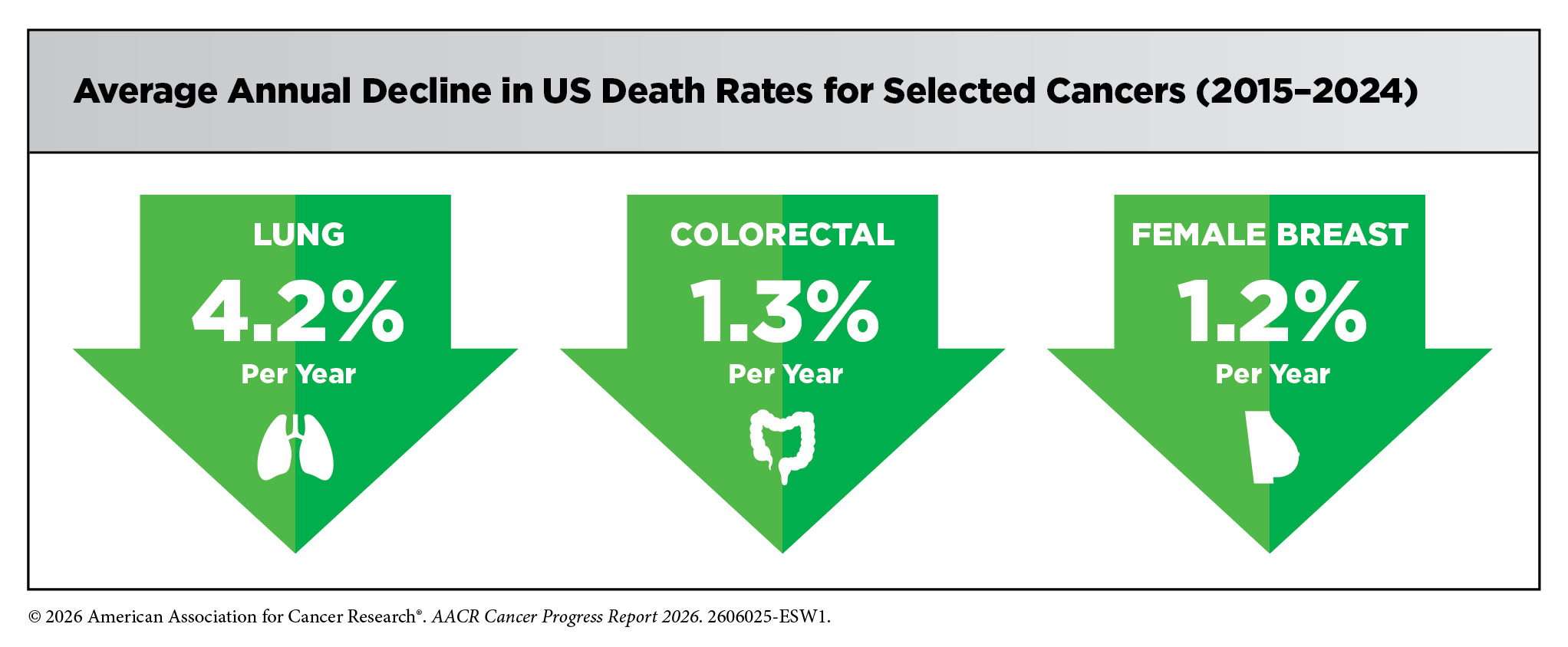
The steady decline in overall US cancer mortality is largely driven by decreased smoking rates and subsequent declines in lung cancer deaths, a trend that has accelerated in recent years due to advances in early detection and treatment. Declines in death rates for colorectal cancer (CRC) and female breast cancer over the past three decades have also played a key role in reducing the overall US cancer mortality rate.
Advances in precision medicine and immunotherapy have transformed the treatment landscape of several historically intractable cancers, including chronic myeloid leukemia, multiple myeloma, melanoma, and kidney cancer. These advances, and countless other breakthroughs across the continuum of cancer science and medicine, have led to an increase in the 5-year relative survival rate for all cancers combined, from 49 percent for those diagnosed with cancer in the mid-1970s to a record 71 percent among those diagnosed during 2016–2022.
Despite remarkable progress, cancer remains a major public health challenge in the United States and globally. An estimated 2.1 million new cancer cases will be diagnosed in 2026, and this number is projected to rise to 2.5 million by 2050. However, the burden of cancer is not distributed equally. Racial and ethnic minority groups and other medically underserved populations in the United States continue to shoulder a disproportionate burden of the disease. These disparities are driven by a complex interplay of social, economic, environmental, and structural factors that shape access to cancer prevention, early detection, timely treatment, and high-quality survivorship care.
Progress also remains uneven across cancer types and stages of disease. These differences are evident in 5-year relative survival rates, which vary widely by cancer type and stage at diagnosis. For patients diagnosed between 2016 and 2022, the overall 5-year relative survival rate was 14 percent for pancreatic cancer and 7 percent for glioblastoma multiforme, an aggressive brain cancer, compared to 92 percent for breast cancer and 98 percent for prostate cancer. The high overall survival rates for breast and prostate cancer, however, mask substantial differences by stage. For individuals with disease confined to the breast or prostate, the 5-year survival rate is nearly 100 percent, whereas for those with metastatic disease the rates are just 34 percent and 40 percent, respectively.
Additionally, changing cancer incidence patterns are causing new public health concerns. The incidence of several cancer types has been steadily increasing among individuals ages 18 to 49, a phenomenon known as early-onset cancer. Notably, this is the only age group to have experienced a sustained increase in overall cancer incidence between 1995 and 2021. The incidence of early-onset cancer has also grown disproportionately among females.
The burden of cancer and its economic impact on individuals and the US health care system are expected to rise in the coming decades, underscoring the urgent need for robust federal investment in research across the cancer continuum. However, recent funding cuts and proposed budget reductions are threatening to slow scientific progress, delay future discoveries, weaken the medical research workforce, and jeopardize future advances for individuals with cancer. Sustained and predictable federal investment in NIH, NCI, FDA, and CDC is essential to accelerate progress against cancer, preserve US leadership in medical research, support the next generation of cancer researchers, and ensure that future breakthroughs translate into longer, healthier lives for all people.
Understanding the Path to Cancer Development
Decades of basic research have established cancer as a collection of diseases characterized by the uncontrolled growth of cells. Cancer is driven by disruptions to the molecular and cellular functions that regulate how cells grow, divide, and survive. Many of these changes are often the first step in a complex, multistep process that is influenced by changes both inside and outside the cell.
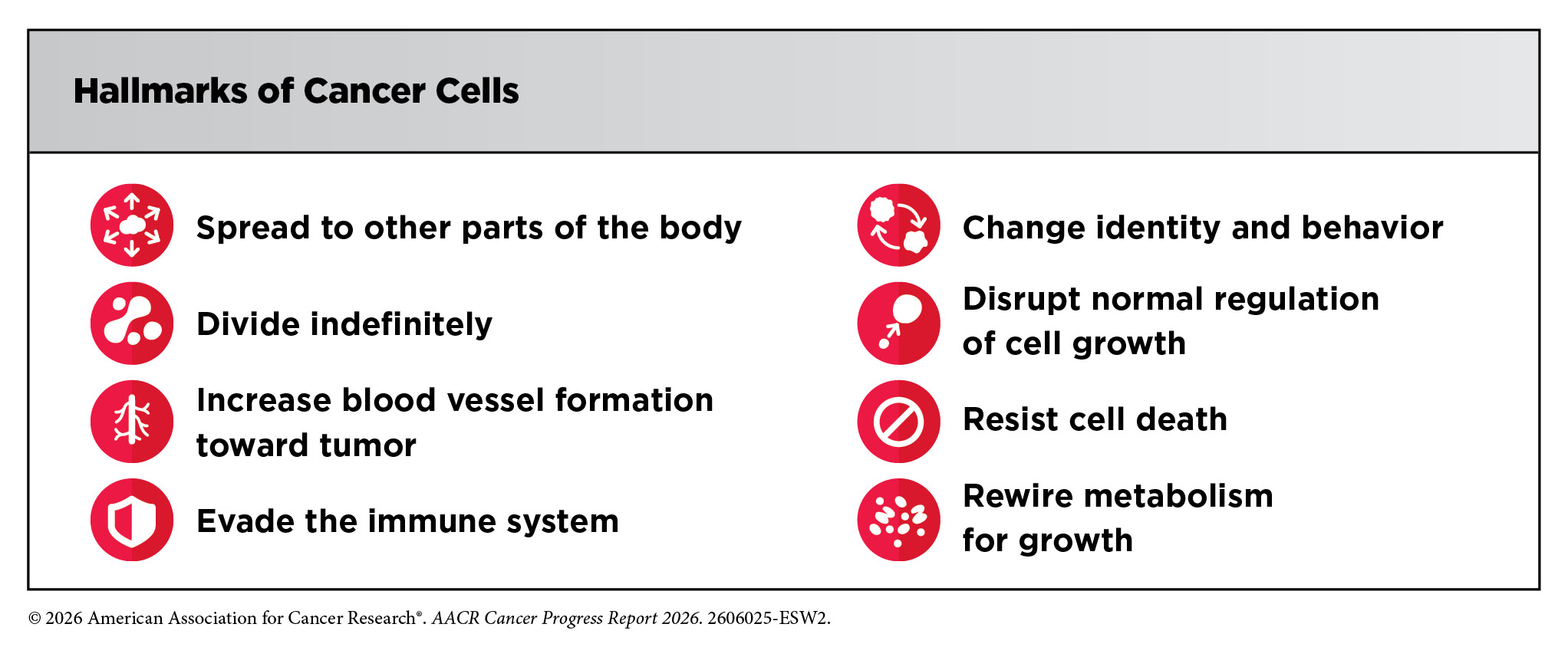
Research has shown that different cancer types share certain characteristics or hallmarks, including the ability of cancer cells to divide limitlessly, disrupt normal regulation of cell growth, change identity and behavior, rewire metabolism to support rapid growth, resist cell death, stimulate blood vessel formation, evade the immune system, and leave the tissue of origin and spread to other organs.
Genetic alterations include changes in the DNA sequence that can disrupt or modify normal protein function and may contribute to cancer development. Genetic mutations associated with cancer can be either inherited (germline) or acquired during a person’s lifetime (somatic). Germline mutations are passed down from parents to children and contribute to about 10 percent of all cancer cases. The remaining 90 percent of all cancer cases stem from somatic mutations, which can be acquired as a result of DNA damage, errors during normal cell division, or in response to environmental exposures, lifestyle factors, or chronic health conditions. Other changes inside the cell include RNA variations, protein modifications, and epigenetic alterations and often work together to drive cancer initiation and progression.
Influences outside the cell also play a critical role in cancer development. These external factors include the blood and lymphatic systems, the immune system, the nervous system, and the microbiome. As the disease progresses, cancer cells acquire additional characteristics that allow them to shape and respond to their surroundings, creating a dynamic biological system known as the tumor microenvironment (TME) that influences tumor growth, metastasis, and response to treatment.
Technological advances have made it possible to study cancer at unprecedented cellular and molecular resolution, revealing that each patient’s cancer is unique. This foundational insight has paved the way for precision medicine, also called personalized medicine, which is broadly defined as using information about a person’s genes, proteins, environment, and lifestyle to prevent, diagnose, or treat disease. Rapid advances in technologies, including artificial intelligence (AI) and large-scale collaborative research, are enabling researchers to integrate diverse biological and clinical data to make more accurate diagnoses, refine treatment selection, predict and monitor treatment response, and accelerate the development of more personalized cancer therapies.
Reducing the Risk of Cancer Development
Modifiable risk factors account for nearly 40 percent of all new cancer cases diagnosed in the United States, with tobacco use, excess body weight, and alcohol consumption responsible for a substantial proportion of this burden. Our understanding of cancer risk factors and cancer prevention strategies continues to evolve as new evidence identifies both the emerging risk factors and novel interventions. While tobacco use remains the leading preventable cause of cancer, emerging areas of research and public health concern include the increasing use of electronic cigarettes (e-cigarettes), the rapid uptake of glucagon-like peptide-1 receptor agonists (GLP-1 RAs) to combat obesity, and the growing recognition of chronic stress as a biologic and behavioral contributor to cancer risk and outcomes.
National tobacco control policies and programs have dramatically reduced smoking prevalence and the associated cancer burden in the United States. Adult cigarette smoking declined from 42.4 percent in 1965 to a historic low of 9.9 percent in 2024, marking the first time smoking prevalence has fallen into single digits and bringing the nation closer to the Healthy People 2030 initiative target of 6.1 percent.
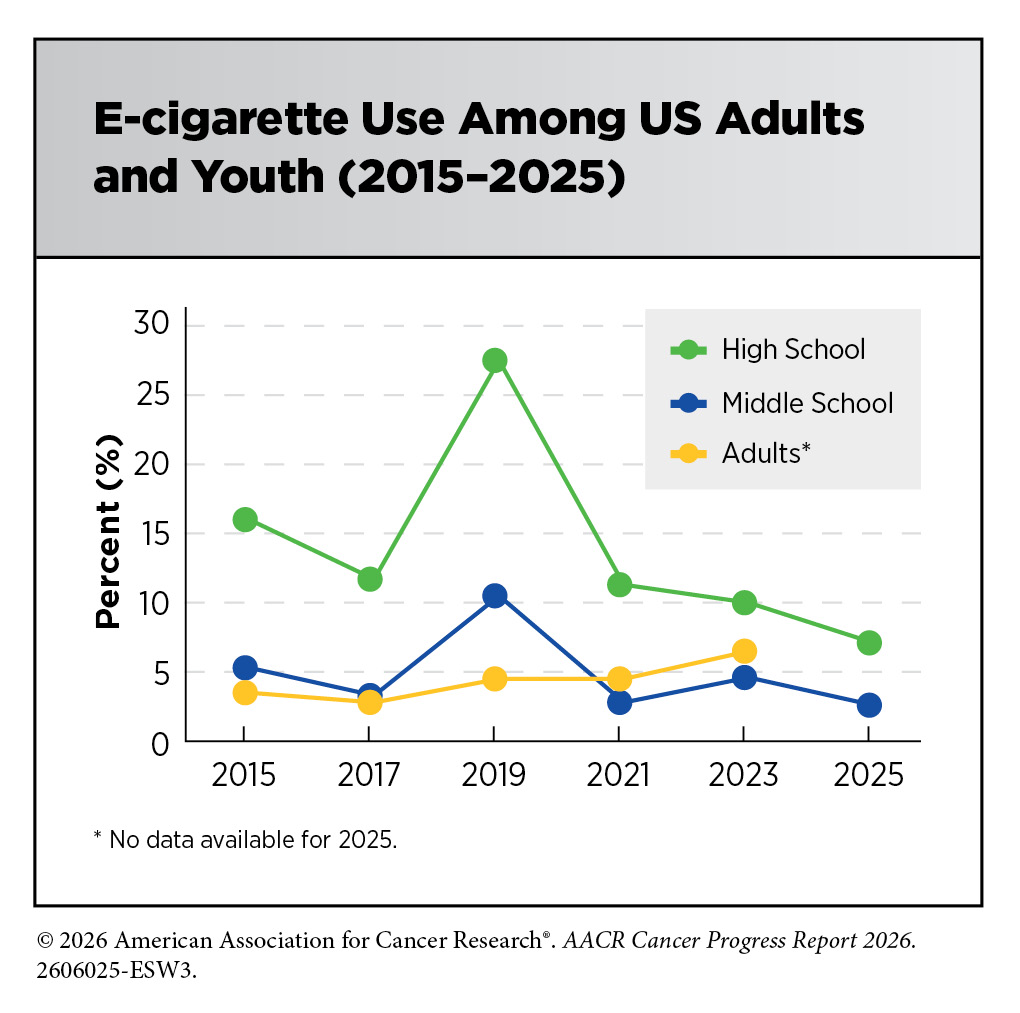
Despite this progress, the rise of e-cigarettes presents a new public health challenge. Although e-cigarette use has declined among youth in recent years, it remains the most commonly used tobacco product among middle and high school students, with nearly 6 percent reporting current use in 2025. Growing evidence suggests that e-cigarettes are not risk-free. While generally emitting fewer carcinogens than combustible cigarettes, e-cigarettes expose users to numerous toxic chemicals and metals that can damage DNA and promote inflammation. Recent research indicates that compounds released during e-cigarette use may increase the risk of lung, bladder, and other cancers, highlighting the need for continued surveillance and prevention efforts.
Obesity is associated with the increased risk of many cancers and continues to be highly prevalent among US children and adults. Increasing use of GLP-1 RAs for obesity and type 2 diabetes mellitus has generated considerable interest in their potential impact on reducing obesity-related cancer risk. Findings from several studies suggest that GLP-1 RA use reduces the risk of certain obesity-related cancers, with reported reductions in breast, colorectal, esophageal, endometrial, ovarian, and gastrointestinal cancers. However, some studies have shown no overall reduction in obesity-related cancers, and other evidence has raised concerns about potential increases in specific cancers, including kidney, thyroid, and respiratory cancers. Current evidence suggests that while GLP-1 RA therapies are effective for weight management and metabolic control, their long-term role in obesity-related cancer prevention warrants further investigation.
Chronic stress is emerging as a potentially important and modifiable contributor to cancer risk, progression, and outcome. Chronic stress results from ongoing exposure to adverse social, environmental, and economic conditions, including financial hardship, housing instability, discrimination, neighborhood violence, and food insecurity. Repeated activation of physiologic stress responses can lead to elevated allostatic load—a biologic measure of cumulative wear and tear across neuroendocrine, immune, metabolic, and cardiovascular systems. Studies have linked chronic stress and stress-related disorders to increased risks of breast, lung, colorectal, prostate, and hematologic cancers, as well as poorer cancer outcomes. Chronic stress may also indirectly increase cancer risk by promoting unhealthy coping behaviors such as tobacco use, alcohol consumption, physical inactivity, and poor dietary habits.
Cancer Screening for Early Detection
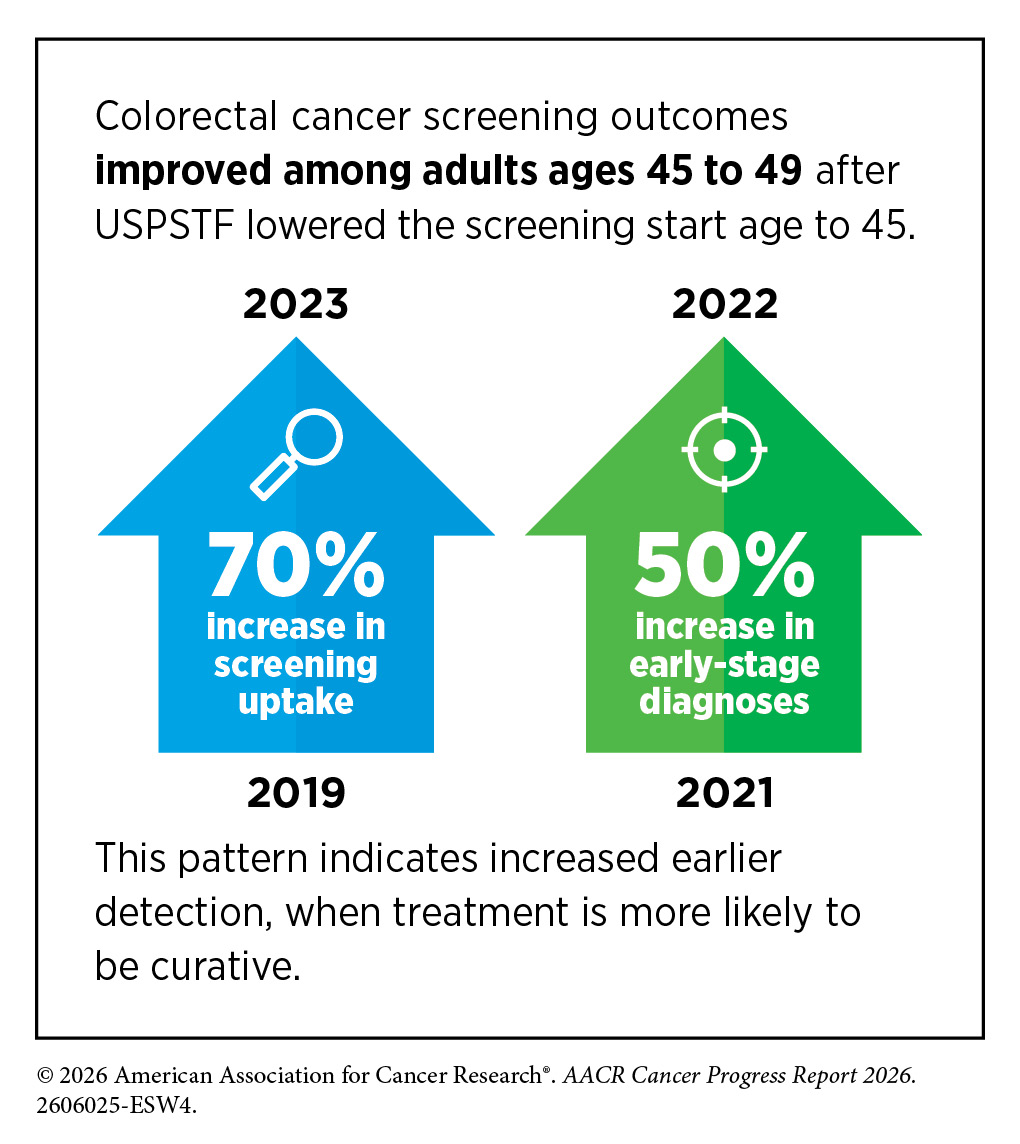
Cancer screening helps detect cancer or abnormal cells that might become cancerous in people without any symptoms of the disease. Screening also includes follow-up care if something abnormal is detected. Detecting cancer early when it is more treatable increases the chances of better outcomes. Evidence has firmly established routine cancer screening as a key approach to reducing the overall burden of cancer at the population level. As one example, an analysis of nine randomized trials covering nearly 830,000 people found flexible sigmoidoscopy cut CRC deaths by 26 percent.
The US Preventive Services Task Force (USPSTF), an independent expert panel, issues screening guidance for cancers of the breast, cervix, colon and rectum, and prostate for average-risk individuals, and for lung cancer for those at a higher risk (individuals with a history of smoking). These recommendations are based on several factors, including age, sex, family history, lifestyle, and environmental exposures. USPSTF regularly reviews new scientific evidence and, if needed, revises these screening guidelines. Unfortunately, the panel has not met since March 2025, delaying the issuance of screening guidance for cervical and prostate cancer, with potentially harmful impact on public health.
Beyond gaps in guidance, many medically underserved population groups face systemic and structural barriers, preventing them from receiving routine screening and/or timely follow-up care. These barriers include lack of health insurance, limited access to quality care, experiences of discrimination, and poor communication with providers.
Evidence-based interventions that are helping more people get screened include removing structural barriers to access to routine screening, incorporating patient navigation, and building trust through community-focused approaches. For example, automatically mailed fecal immunochemical test (FIT) kits to screening-eligible individuals are outperforming opt-in approaches for CRC screening. Similarly, patient navigation remains one of the strongest strategies to increase screening uptake. A meta-analysis of 42 clinical trials found that navigation raised breast and cervical screening rates by 13.8 and 15.6 percentage points, respectively. In 2024, CDC formally endorsed patient navigation as a health equity intervention.
Researchers are actively working on improving early detection of cancer, with several new technologies advancing the knowledge of how existing cancers are found and which cancers can be detected early. AI-supported mammography in a trial of over 105,000 women delivered 12 percent fewer interval cancers—cancers found between screenings—and cut radiologists’ time evaluating images by 44 percent. Furthermore, FDA cleared two AI-powered lung nodule assessment tools in early 2026. Liquid biopsy, the analysis of blood or other body fluids for tumor-derived material routinely shed during cancer development and treatment, is making it possible to detect cancers early for which there is no screening test available. Genomics-driven, risk-adapted screening is also gaining ground for individuals who are at a higher risk of developing cancer, such as those with a family history of cancer, including Carolyn Searles. These advances are exciting but will require long-term studies to ensure that they are beneficial at the population level without causing harm or widening existing cancer disparities.
Progress Across the Clinical Cancer Care Continuum
The dedicated efforts of researchers across the spectrum of cancer science and medicine are driving breakthroughs in clinical care that are improving survival and enhancing quality of life for patients. Clinical trials are a cornerstone of medical research, providing the evidence needed to determine whether new cancer treatments are safe and effective. Advances in our understanding of the molecular drivers of cancer have led to innovative approaches to clinical trial design and execution. For patients with cancer, participating in clinical studies can be life-changing, as reflected in the personal experience of James Gregory (Greg) Cisneros.
It is essential that clinical trial participants reflect the diversity of the US population that may use and ultimately benefit from these treatments. Yet, participation in cancer clinical trials remains low, with significant sociodemographic disparities among those enrolled. Addressing these challenges requires collaboration among researchers, clinicians, other health care providers, community partners, and policymakers to remove barriers and promote equitable access to clinical studies.
Surgery, radiotherapy, and chemotherapy are three of the five foundational pillars of cancer treatment. While effective, these therapies can have long-term side effects. Ongoing clinical studies are exploring whether less intensive use of these modalities can provide comparable outcomes for some patients while improving their quality of life. In parallel, more refined uses, such as newer radiotherapy and surgical techniques, molecularly targeted radiotherapeutics, and optimized chemotherapeutic formulations, are being integrated into standard care.
Molecularly targeted therapy and immunotherapy constitute the two most recent pillars of cancer treatment. Fueled by research, these innovative personalized cancer treatments are rapidly moving from the laboratory to the clinic, offering patients safer and more effective options than ever before.
Between July 1, 2025, and June 30, 2026, FDA approved 11 new therapeutics for treating various cancer types, one new device for treating pancreatic cancer, and expanded indications for five previously approved therapies to include new cancer types.
Among these approvals are several groundbreaking new treatments. For example, the first molecularly targeted therapy for the rare, aggressive brain tumor, diffuse midline glioma, commonly diagnosed in pediatric and young adult populations, is offering new hope to patients such as Benjamin (Ben) Stein-Lobovits. A breakthrough in drug discovery and development was the approval of the first proteolysis-targeting chimera (PROTAC), a molecularly targeted therapeutic that harnesses the cell’s protein disposal system to eradicate cancer cells. The treatment was approved for certain patients with breast cancer. Precision medicine for lung cancer continues to advance at a remarkable pace, as illustrated by the stories of James Gregory (Greg) Cisneros and Sydney Barned, MD and the three new FDA approvals of molecularly targeted therapeutics highlighted in the report.
Equally impressive has been the progress in immunotherapies that are reshaping and improving cancer care. FDA expanded the approval of two immunotherapeutics called immune checkpoint inhibitors (ICIs) for the treatment of new cancer types. ICIs work by releasing some of the brakes on the immune system and have been shown to yield remarkable and durable responses. The clinical impact of ICIs continues to expand, with FDA approvals now spanning 23 cancer types and, for the first time, extending to ovarian cancer. Another major advance was the first FDA-approved immunotherapy for high-risk smoldering multiple myeloma, marking a new era of cancer interception by delaying disease progression in patients, including Jeffrey (Jeff) S. Rubin, MD, PhD.
While these developments mark significant progress against cancer, much work remains to ensure that all patient populations have access to the latest innovations in cancer treatment including precision medicine. Notably, research shows that disparities in survival rates for many cancers can be drastically reduced when all patients have access to high-quality, guideline-adherent treatments.
Advancing Cancer Survivorship Care
According to NCI, an individual is considered a cancer survivor from the time of diagnosis through the remainder of life. Unprecedented advances in cancer treatment and care have led to more people living longer and fuller lives after a cancer diagnosis. As of January 1, 2025, more than 18.6 million individuals with a history of cancer were living in the United States, and this number is projected to exceed 22 million by 2035. This represents a substantial increase from the 1970s, when there were an estimated 3 million cancer survivors in the United States.
Cancer survivors comprise a diverse population with a broad range of experiences, health trajectories, and care needs. Some individuals complete their treatment and remain cancer-free, while others live with cancer as a chronic condition that requires ongoing treatment and monitoring.
Many survivors experience lasting health challenges as a result of their cancer and its treatment, known as late effects. These include physical, psychosocial, and financial challenges that often persist long after active treatment ends, as highlighted in the personal story of Shauna McLaughlin and her daughter Madison (Maddie) Bergstrom. Understanding and addressing the challenges faced by cancer survivors; supporting their long-term health and quality of life; and ensuring equitable access to high-quality care are important priorities in survivorship research.
Certain groups of survivors face unique challenges that require specialized approaches to care. Childhood, adolescent and young adult, and older adult survivors have distinct needs shaped by their age and developmental stage, treatment exposures, underlying health conditions, and social and economic circumstances. Survivorship care for different populations must address not only physical health, but also psychosocial well-being, reproductive health concerns, financial challenges, and transitions in care across the lifespan.
A growing body of evidence demonstrates that lifestyle behaviors, including engaging in regular physical activity, maintaining healthy diet and body weight, and eliminating alcohol and tobacco use, can improve health outcomes and quality of life for cancer survivors. Furthermore, integrating supportive care and routinely collecting patient reported outcomes can improve symptom management, identify unmet needs, and ensure that care reflects survivors’ goals and preferences. Patient navigation, survivorship care plans, and care coordination through collaboration among oncology teams, primary care providers, and other health care professionals can help survivors access appropriate services and resources and maintain continuity of care throughout survivorship.
Challenges experienced by patients and survivors of cancer also extend to family members and friends, who often serve as caregivers. In 2025, an estimated 59 million US adults provided ongoing care for adults with complex medical conditions, including over 4 million providing care specifically to a person with cancer. Cancer caregivers play a critical role in helping patients with cancer manage medications, coordinate medical appointments, monitor symptoms, communicate with health care teams, and carry out day-to-day activities. Although caregivers are
essential partners in cancer care, their responsibilities can result in substantial emotional and financial strain that adversely affects their quality of life. Proactively identifying and addressing caregiver needs is therefore an important component of comprehensive survivorship care. As the number of cancer survivors continues to grow, advancing research, policies, and clinical practices that support both survivors and caregivers will be critical to improving outcomes for everyone affected by cancer.
Envisioning the Future of Cancer Research
Breakthrough discoveries and technological advances across the fields of medicine have substantially increased our understanding of cancer initiation and progression. This foundational knowledge is driving better strategies to reduce the risk of developing cancer, detect cancer at the earliest possible stage, and treat cancer effectively and more precisely—with fewer long-term side effects.
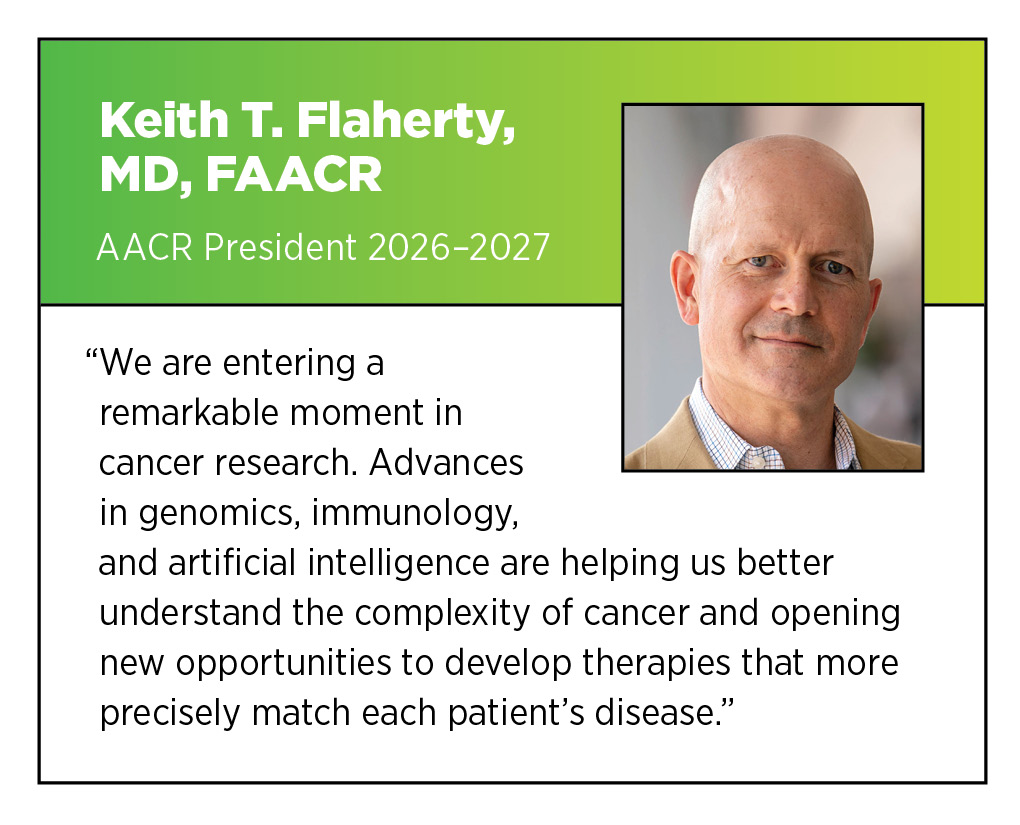
The extraordinary opportunities to translate our growing understanding of cancer biology into more precise and effective therapies are a source of great optimism for cancer researchers, including AACR President 2026–2027, Keith T. Flaherty, MD, FAACR.
Emerging technologies are driving progress against cancer by enabling researchers to investigate tumors with greater precision. Single-cell multi-omics and computational approaches are enabling researchers to map the genetic and functional states of individual cells within tumors, providing new insight into tumor evolution, the TME, and the mechanisms that influence cancer development and treatment resistance. At the same time, organoid systems and three-dimensional bioprinted tumor models are advancing our understanding of the disease by more closely mimicking cancer biology and accelerating the development of more effective, personalized therapies.
AI is transforming cancer research and patient care by enabling faster, more accurate, and personalized approaches across cancer research and patient care. AI is now being applied to analyze histopathology images more rapidly, identify genomic alterations with great precision, streamline drug development, and support clinical decision-making. Another rapidly advancing technology is liquid biopsy. Liquid biopsy offers a minimally invasive alternative to the traditional tissue biopsy and is being integrated into efforts to enhance early detection, improve diagnosis, inform treatment selection, and monitor disease progression or recurrence.
A wave of innovative new therapies, many still at an investigational stage, will be advancing the frontiers of precision oncology and are poised to transform the future of cancer care. Innovations in drug delivery technologies, such as engineered nanoparticles, are improving the precision of therapeutic delivery, while decades of basic research have paved the way for the next generation of molecularly targeted therapeutics such as those targeting KRAS, one of the most commonly mutated proteins in cancer. These include treatments that target a broader range of KRAS mutations, degrade KRAS proteins, and harness the immune system to attack KRAS-driven cancers.
Another exciting area in cancer medicine is the development of vaccines that either prevent cancer in high-risk individuals or treat existing disease by training the immune system to recognize and attack tumor cells, as seen in the experience of Donna Gustafson. Researchers are also developing RNA medicines that use programmable RNA molecules to produce therapeutic proteins, silence cancer-promoting genes, and stimulate anticancer immune responses. Rapid advances in RNA chemistry and delivery technologies are expanding the potential of these approaches.
Advancing Cancer Science and Medical Research Through Evidence-based Policies
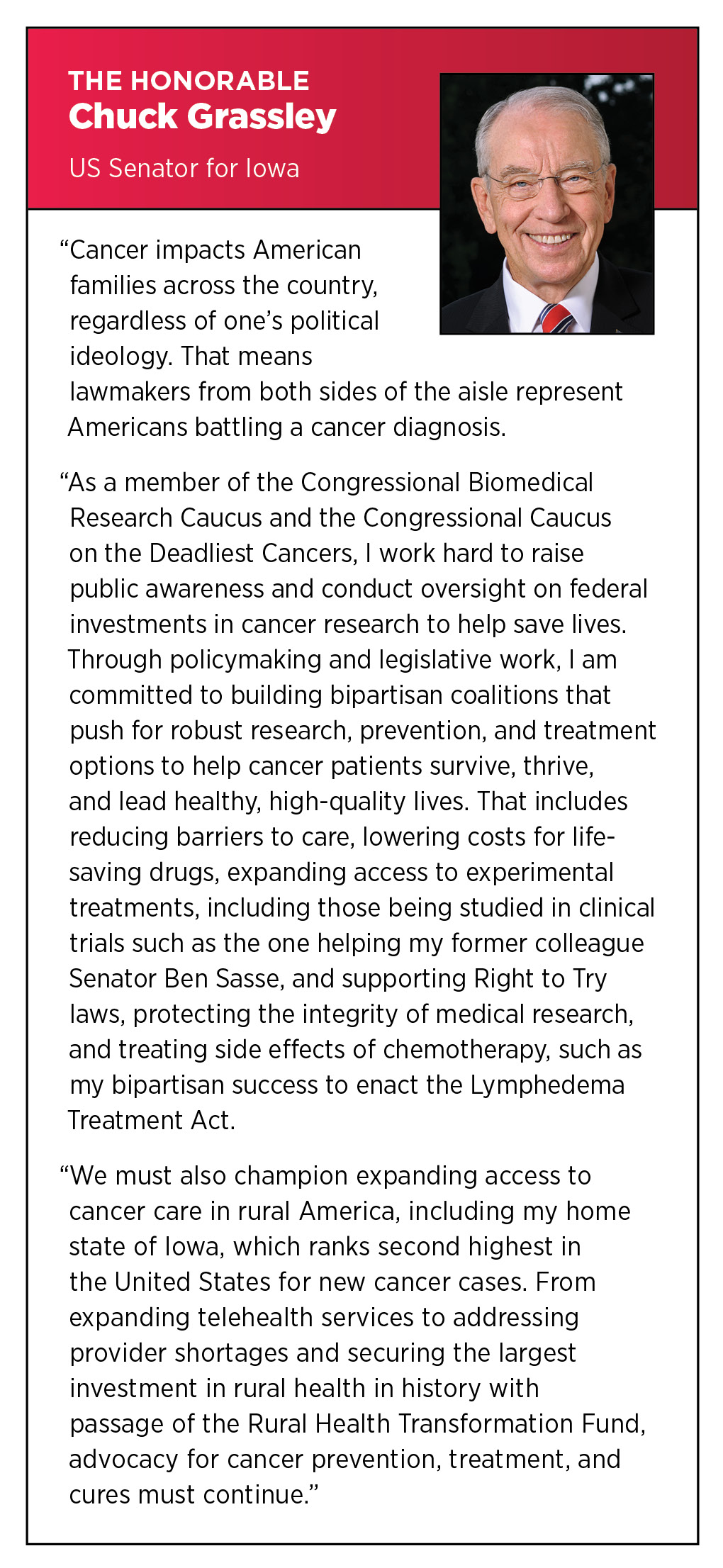
The progress described throughout this report was not inevitable. It was built over decades through sustained federal investment, scientific discovery, evidence-based policymaking, and bipartisan commitment to medical research. Through NIH, NCI, FDA, CDC, and other federal science and public health agencies, the United States has created a research enterprise capable of turning discoveries into better preventive interventions, earlier detection, safer and more effective treatments, and longer survival for patients with cancer.
The results can be measured in the millions of lives saved and individuals living longer and fuller lives after a cancer diagnosis. They show that progress against cancer does more than change the course of the disease. It changes the course of a life.
In fiscal year (FY) 2026, Congress reaffirmed the nation’s bipartisan commitment to medical research by rejecting proposed cuts to NIH and NCI and providing modest funding increases for both agencies. Yet the amount Congress appropriates tells only part of the story. How those funds are administered determines whether laboratories remain stable, studies proceed as planned, and promising ideas have an opportunity to advance public health. When funding is delayed, narrowed, or structured in ways that reduce the number of meritorious grants supported, early-career scientists may lose critical support, clinical trials may open later than planned, and patients may have fewer opportunities to benefit from lifesaving research.
The case for sustaining this investment is economic as well as human. In FY 2025, NIH-supported research generated more than $94 billion in economic activity and supported nearly 391,000 jobs nationwide. Every dollar invested generated approximately $2.57 in economic activity. As other nations expand their investments in medical research and drug development, the United States cannot assume that its leadership will endure.
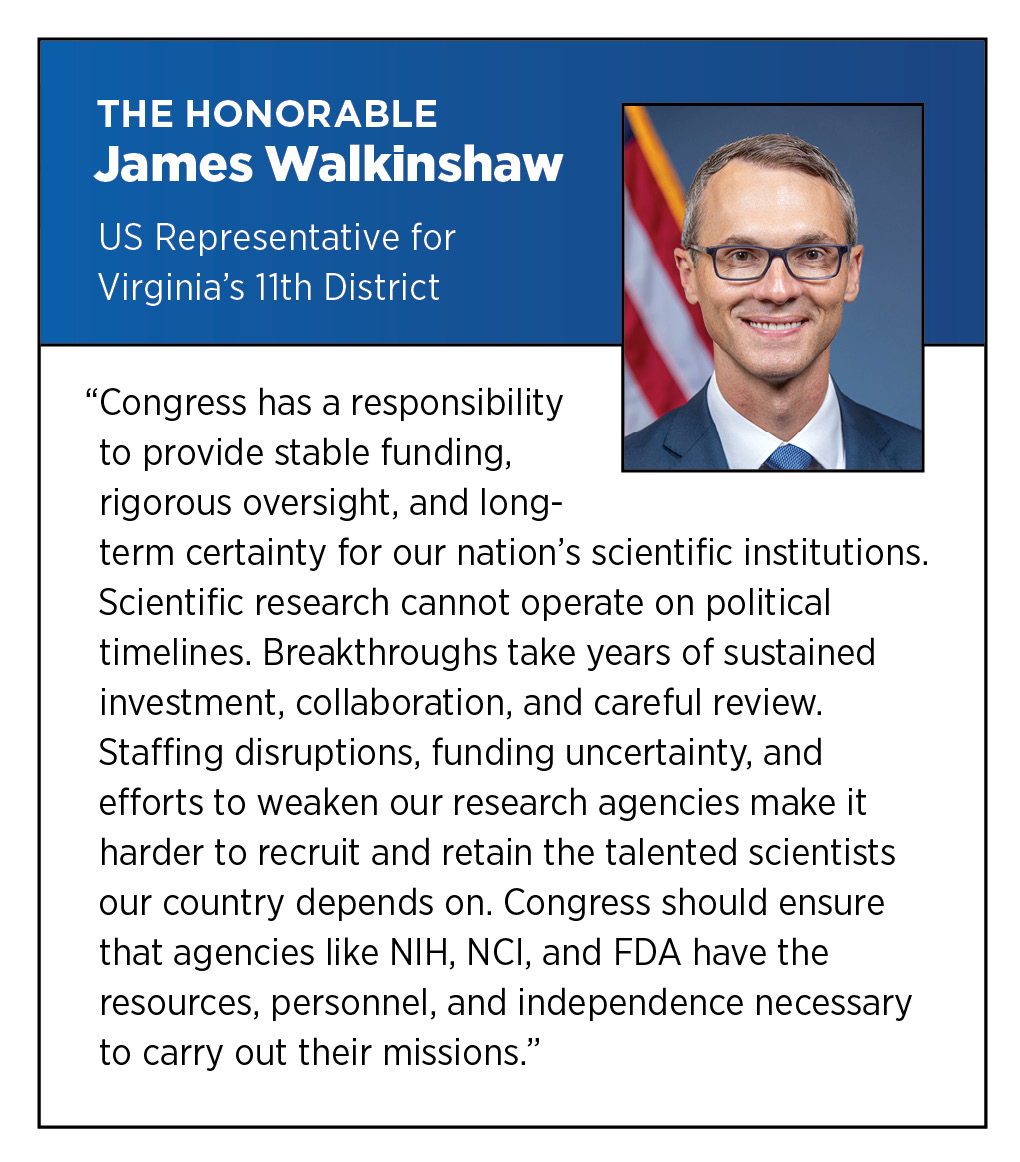
Funding, however, is only one part of what keeps this system functioning well. The strength of the nation’s cancer research and care system also depends on the people, agencies, and infrastructure that move discoveries into patient care. A highly skilled and supported workforce drives scientific innovation. Strong regulatory science and modern, patient-centered clinical trials help FDA deliver safe and effective therapies to patients as quickly as possible. Cancer prevention and screening, including vaccination and tobacco control programs, reduce cancer risk and save lives. Interoperable health information, responsible digital health technologies, and trustworthy AI can also reshape how cancer is studied, detected, treated, and managed across survivorship. With policies that expand access and put scientific advances into practice, more people can benefit from cancer prevention and early detection, receive effective treatment, and live longer, healthier lives.
Even the strongest research system falls short if patients cannot benefit from its advances. Too many people still Even the strongest research system falls short if patients cannot benefit from its advances. Too many people still face financial, geographic, and structural barriers to screening, clinical trials, high-quality treatment, and survivorship care.
AACR Call to Action
The advances highlighted throughout this report show that the value of a national commitment to medical research is measured not only in scientific discoveries, but in lives improved and saved. That progress now faces a direct threat. The Office of Management and Budget’s (OMB) proposed rule, “Regulation for Federal Financial Assistance,” would inject political considerations into funding decisions and give federal agencies broader authority to terminate grants, including awards supporting ongoing clinical trials, for reasons unrelated to scientific merit or recipient performance. The Senate’s bipartisan action to block the rule through December 11, 2026, is important, but temporary. Congress must extend that protection through final FY 2027 appropriations legislation and provide a robust increase in funding for NIH.
AACR urges elected leaders to take immediate action to:
Sustain the Foundations of Discovery
- Provide robust and sustained federal investment in medical and cancer research. Congress should provide at least $51.303 billion for NIH and at least
$7.999 billion for NCI in FY 2027 to sustain a broad and competitive research portfolio and fuel continued progress against cancer and other diseases. - Ensure that federal research funds are implemented as Congress intended. Appropriated funds must be awarded in a timely and predictable manner, and NIH must have sufficient staffing and expertise to administer them effectively.
- Prioritize the cancer research workforce. Federal policies must give early-career and early-stage investigators the stability to establish independent careers, pursue bold ideas, and build successful research programs.
Protect Scientific Integrity and Independence
- Stop the proposed OMB rule and preserve scientific merit as the foundation of federal research funding. Congress must prevent the rule from being finalized or implemented and ensure that funding decisions are guided by rigorous evaluation by scientific experts, not political or ideological considerations.
- Safeguard the stability of active research awards and clinical trials. Research grants should not be terminated for reasons unrelated to recipient performance, scientific integrity, or responsible stewardship of federal funds.
- Protect scientific exchange and responsible international collaboration to maximize innovation. Researchers must be able to publish and share findings, access scientific literature, participate in conferences, and pursue legitimate international collaborations subject to rigorous, risk-based oversight.
Ensure That Every Patient Benefits From Progress Against Cancer
- Strengthen FDA’s oncology expertise and regulatory science capacity. The agency must be equipped to support modern, patient-centered clinical trials while maintaining rigorous standards for safety and effectiveness.
- Sustain evidence-based public health programs that prevent cancer and promote earlier detection. US public health agencies must have the resources, expertise, and independence needed to support screening, tobacco control, vaccination, and other proven strategies.
- Modernize the infrastructure that connects research and care. Policymakers should invest in interoperable data systems, responsible digital health technologies, the oncology workforce, and community-based care infrastructure.
- Remove barriers to cancer prevention and care. Policymakers should expand access to screening, clinical trials, treatment, and survivorship care. Rural and medically underserved communities, people with limited insurance coverage, and populations that have historically experienced worse cancer outcomes must be central to these efforts.
Cancer is not partisan. Decisions about which research moves forward must be guided by scientific merit, not political priorities. Congress must protect that principle, sustain robust federal investment, and ensure that the United States continues to lead the world toward a future without cancer.
Next Section: A Snapshot of Progress Previous Section: Message from AACR