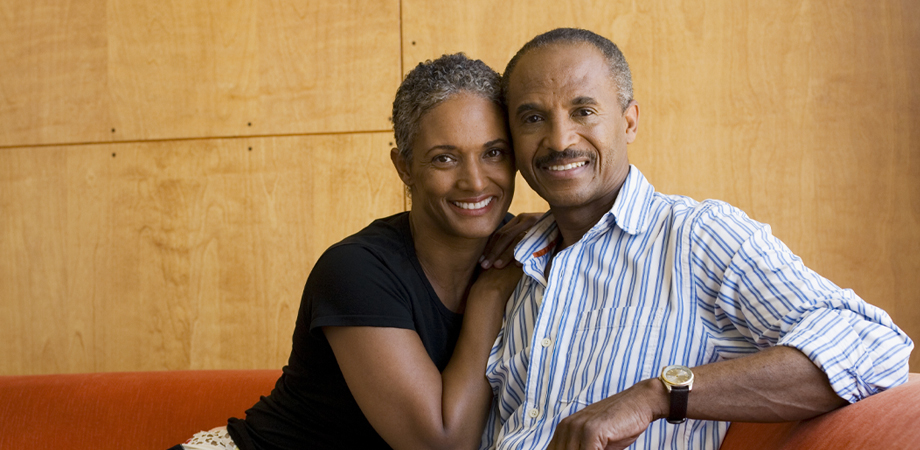
Melanie R. Stewart: Expanding Access to Care in Tribal Communities
Melanie R. Stewart is a nurse and citizen of the Chickahominy Tribe living in Charles City, a rural community in Virginia. Before her diagnosis, cancer had affected many generations of her family, but she was not expecting it to become part of her own story.
In February 2022, a routine mammogram revealed cancer. “I was totally shocked when I found out it was breast cancer,” Melanie recalled. She struggled to process what came next. “I just couldn’t comprehend it. It reminded me of a Charlie Brown cartoon: wah wa wah wa. That’s exactly how I felt,” she said. She then asked her doctor, “Would you please write this all down?”
Her first course of treatment included lumpectomy, surgery to remove cancer or other abnormal tissue from the breast, followed by brachytherapy, which delivers radiation by placing small radioactive sources in or next to the tumor. Melanie chose brachytherapy after learning it could be completed in just a few days. “The traditional radiation, you go five days a week for four to six weeks,” she said. “With brachytherapy, I was able to complete it in three days and continue to work without missing a lot of time.”
For Melanie, this decision was also shaped by geography. Living about 40 miles away from the Virginia Commonwealth University (VCU) Massey Comprehensive Cancer Center meant each appointment required time, travel, and coordination. “It’s not just around the corner,” she explained. While she was able to rely on her daughter, Lindsey Johnson, for transportation, many in her community would likely have gone to the nearest hospital instead of the comprehensive cancer center. “There are citizens of the tribe that live even further away than I do and don’t have any transportation. I can see how that would impact access to care,” she said.
Less than a year later, Melanie faced a second diagnosis, this time with a different type of breast cancer. “I was flabbergasted,” she said. “How can this be happening again?” Her treatment again included surgery and brachytherapy, but her oncologist also wanted her to begin chemotherapy. The prospect terrified her. “I consider myself to be a pretty strong person,” she said, “but I was like, I just can’t go through chemo.” During her first infusion, she had an anaphylactic reaction—chest tightness, vomiting—and had to be taken to the emergency room. So, her doctor tried a second type of chemotherapy, which left her with a rash that looked like a chemical burn, neuropathy, and significant fatigue. After several infusions, Melanie didn’t think she could continue.
Her oncologist agreed, and together they decided to stop chemotherapy. Instead, she continued with a HER2-targeted therapy, trastuzumab (Herceptin), receiving infusions every three weeks over the course of a year.
Despite the physical and emotional toll, Melanie describes her care experience as deeply supportive. She credits the relationship between the Chickahominy Tribe and VCU Massey Comprehensive Cancer Center with helping her access specialized care. Her daughter Lindsey first connected with Dr. Robert A. Winn, the Director of VCU Massey Comprehensive Cancer Center at the time, during a meeting about the Chickahominy TRUTH (Trust, Research, Understand, Tell, Heal) Project, a community initiative launched to better understand cancer burden and possible environmental contributors—including a landfill in Charles City County—to the rising incidence of cancer in the tribal community.
At that meeting, Lindsey shared that her mother had recently been diagnosed with breast cancer. From there, Dr. Winn connected Melanie with radiation oncologists, surgeons, and other specialists at VCU Massey Comprehensive Cancer Center. “Having Dr. Winn and the entire Massey team genuinely care about our community made an incredibly difficult experience feel more hopeful,” Lindsey said. Through coordinated care, nurse navigators, and access to specialized treatment options, Melanie recalls feeling supported at every step.
Melanie recognizes that her experience is not universal. She points to structural barriers that continue to affect others in her community, particularly distrust of the medical system. She often hears tribal elders say things like: “I don’t need to see a doctor. What’s a doctor going to do for me?” These barriers are compounded in rural and tribal settings, where distance and limited resources can delay diagnosis and treatment. In response, the Chickahominy Tribe has expanded health-related services, including in-home nurse visits, transportation assistance for appointments, and community health fairs focused on education and prevention.
Today, Melanie is focused on recovery and living fully. She continues regular monitoring, receiving a mammogram and breast MRI every six months. “I can see the light at the end of the tunnel,” she said, while acknowledging the “scanxiety” that comes with ongoing follow-up care. Her message to policymakers is direct. “Please do not stop the research,” she said. “Everyone deserves health care.”