
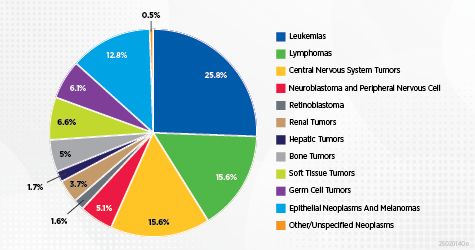
Pediatric Cancer Trends
Learn MoreDecades of research and collaborations have transformed the outlook for cancers affecting children (ages 0 to 14) and adolescents (ages 15 to 19), collectively referred to as the pediatric cancers in this report.
Unraveling the Genomics and Biology of Pediatric Cancers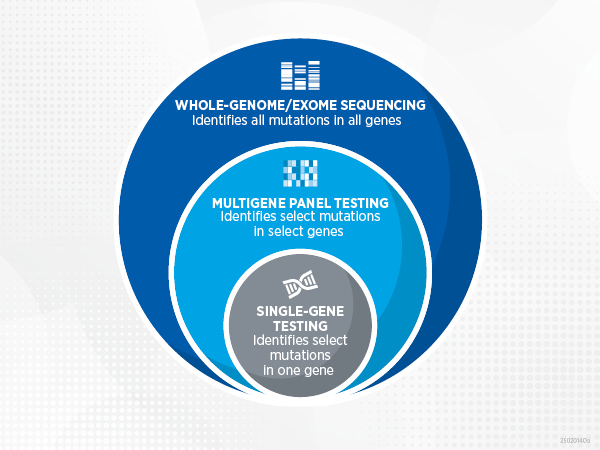
Changes in the genome, epigenome, developmental pathways, and tumor microenvironment contribute to how pediatric cancers originate, progress, and respond to treatment.
Learn MoreProgress in Pediatric Cancer Treatment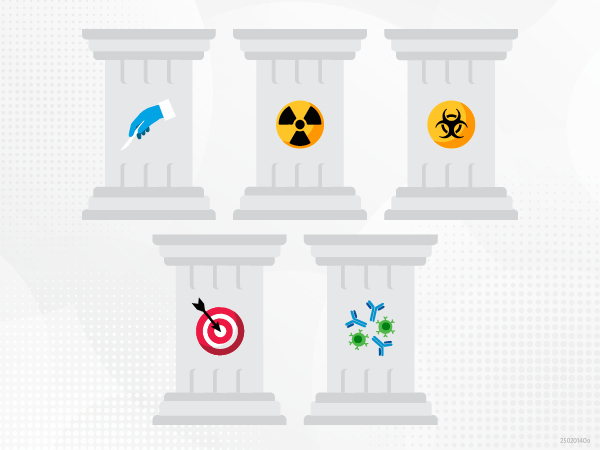
Enormous progress has been made in the treatment of pediatric cancers over the past several decades, as reflected in the greater than 85 percent 5-year relative survival rates for all cancers combined.
Learn MoreSupporting Survivors of Pediatric Cancers
Evidence-based frameworks for survivorship care, including the Children’s Oncology Group Long-Term Follow-Up Guidelines, are essential to monitoring, preventing, and managing late effects across the lifespan.
Learn More